Undefined How To Clean Your Coffee Maker: Complete Guide
Master the art of coffee maker cleaning with our comprehensive guide to keeping your machine fresh.
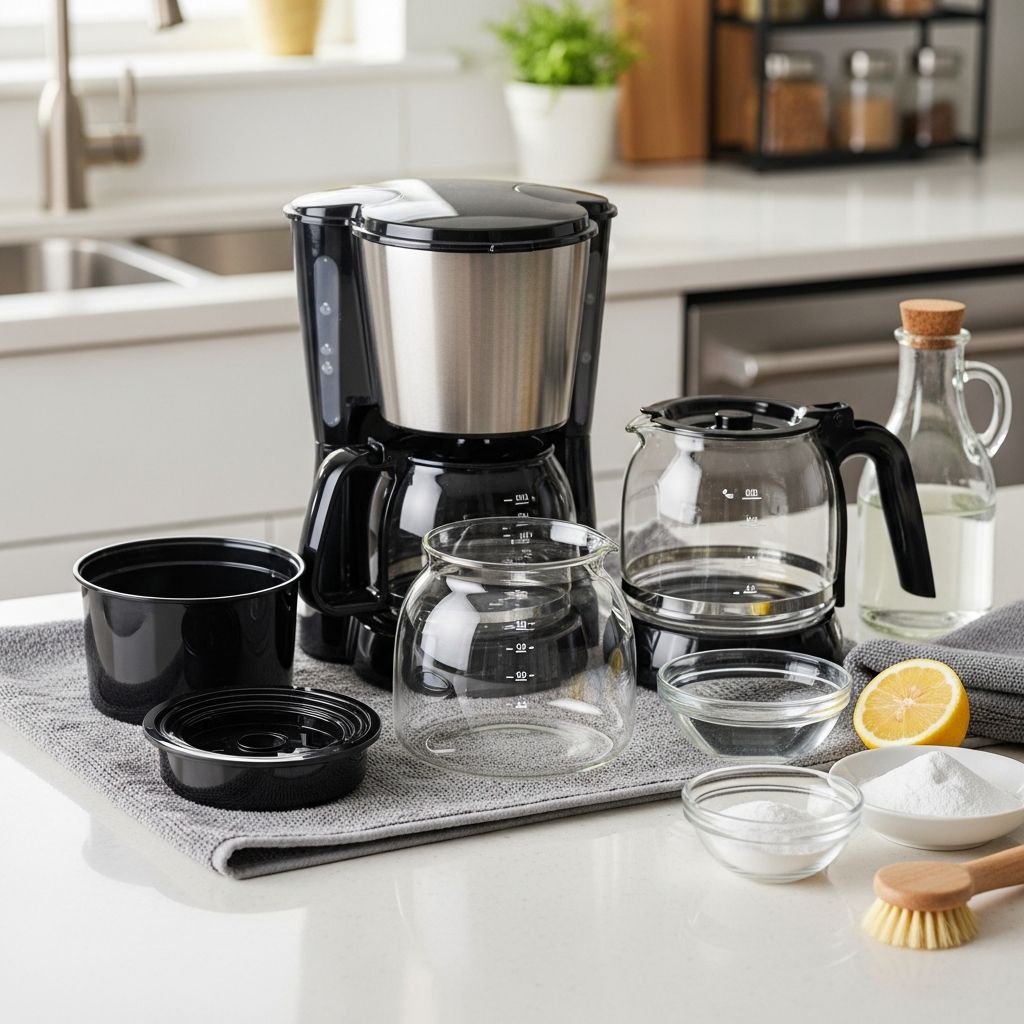
How to Clean Your Coffee Maker: A Comprehensive Cleaning Guide
A fresh cup of coffee is one of life’s simple pleasures, but to ensure your coffee maker produces the best-tasting brew every time, regular cleaning and maintenance is essential. Over time, mineral deposits, coffee residue, and bacterial growth can accumulate inside your coffee maker, affecting both the taste of your coffee and the longevity of the machine. Whether you use your coffee maker daily or occasionally, understanding how to properly clean it will help you maintain optimal performance and extend its lifespan.
Why Cleaning Your Coffee Maker Matters
Coffee makers are breeding grounds for bacteria and mold if not properly maintained. The warm, moist environment inside the water tank and brew basket creates ideal conditions for microbial growth. Additionally, hard water minerals like calcium and lime can build up on internal components, a process known as descaling. This mineral accumulation not only affects the taste of your coffee but can also slow down the brewing process and reduce the efficiency of your machine. Regular cleaning addresses both of these issues, ensuring you get the best flavor and performance from your coffee maker.
Daily Maintenance: The Foundation of Clean Coffee
The best way to keep your coffee maker in top condition is to establish a daily maintenance routine. After each use, take a few minutes to care for your machine properly.
Daily Cleaning Steps:
- Empty the used grounds from the brew basket immediately after brewing
- Remove the carafe and rinse it thoroughly with warm water
- Wash the permanent filter or replace the paper filter
- Hand-wash the brew basket with mild soapy water
- Wipe down the exterior, including the warming plate, with a soft cloth
- Leave the reservoir lid open to allow the water tank to dry completely
- Never put the heating element or electrical components in water
This daily routine prevents the buildup of coffee oils, grounds, and moisture that can lead to unpleasant odors and tastes. By keeping removable parts clean and allowing your machine to dry properly, you inhibit bacterial growth and maintain the quality of your coffee.
Deep Cleaning: Monthly Maintenance for Optimal Performance
Once a month, perform a deep clean to remove mineral deposits and thoroughly descale your coffee maker. Deep cleaning removes buildup that daily washing cannot address and helps restore your machine to like-new performance.
Before You Start:
Check your coffee maker’s instruction manual to ensure your specific brand doesn’t prohibit certain cleaning methods. Some manufacturers have specific recommendations or restrictions on using vinegar or other acidic cleaners. If your manual doesn’t mention any restrictions, you’re good to proceed with the following methods.
Method 1: Cleaning with White Vinegar
White vinegar is one of the most popular and effective natural cleaning solutions for coffee makers. The acidity in vinegar dissolves mineral deposits and descales the internal components while also killing bacteria and removing stains.
What You’ll Need:
- Distilled white vinegar
- Water
- Soft cloth
- New, unused toothbrush
- Paper coffee filter
- Mild, fragrance-free dishwashing liquid
Step-by-Step Instructions:
- Unplug the machine: Always unplug your coffee maker before cleaning to ensure safety
- Clean removable parts: Remove the carafe, permanent filter, and brew basket. Wash these thoroughly with soapy water, using a new toothbrush to clean hard-to-reach crevices. Rinse well and set on a dish rack to dry
- Wipe the exterior: Use a soft, soapy cloth to wipe down the outside of the machine, including the warming plate. Rinse with a damp cloth to remove soap residue
- Prepare the vinegar solution: Fill the carafe with a mixture of equal parts white vinegar and water (for example, 2 cups vinegar and 2 cups water)
- Add charcoal filter consideration: If your coffee maker has a charcoal water filter, remove it from the reservoir before proceeding
- Insert paper filter: Place a paper filter in the brew basket
- Pour and brew: Pour the vinegar and water mixture into the water tank and place the carafe on the warming plate. Plug in the machine and run a full brew cycle as if making normal coffee
- Let it rest: Once the cycle completes, let the vinegar mixture sit in the carafe for 15 to 30 minutes to allow the acid to work on stubborn deposits
- Empty and rinse: After resting, pour out the vinegar solution and discard the paper filter
- Flush with water: Add a fresh paper filter and fill the water tank with clean water only. Run a complete brew cycle. Repeat this water-only cycle two to three times, emptying the carafe between cycles, until no vinegar smell or taste remains
- Replace filter: Once you’ve finished flushing with water, replace your charcoal filter if your machine has one
- Dry the tank: Leave the reservoir lid open for several hours to allow the water tank to dry completely
Method 2: Cleaning with Lemon Juice
If you prefer to avoid the strong vinegar smell, lemon juice offers an equally effective alternative. The citric acid in lemon juice works similarly to vinegar by breaking down mineral deposits and descaling your machine.
How to Use Lemon Juice:
- Use fresh-squeezed lemon juice, removing any seeds or pulp, or opt for the convenience of bottled lemon juice
- Mix one cup of lemon juice with one cup of water
- Follow the same brewing and flushing process as the vinegar method
- Run clear water through the machine two to three additional times to ensure all lemon odor and taste have been eliminated
Method 3: Cleaning with Baking Soda
Baking soda is an excellent option if you want to avoid strong odors from vinegar or lemon juice. This gentle, natural abrasive effectively removes stains and deposits without leaving lingering scents.
Baking Soda Cleaning Process:
- Mix one-quarter cup of baking soda with one cup of warm water
- Stir the mixture thoroughly before adding it to your coffee maker to prevent clumping or clogging
- Remove any paper filter before running the cycle
- Run the baking soda solution through a complete brewing cycle
- Follow up with two to three water-only brew cycles to ensure all residue is completely removed
Method 4: Commercial Coffee Maker Cleaners
Commercial descaling products, such as Affresh coffee maker cleaner tablets, offer a convenient alternative to natural cleaning solutions. These products are specifically formulated to dissolve mineral deposits and clean coffee maker components effectively.
Using Commercial Cleaners:
- Follow the manufacturer’s instructions precisely for best results
- Most tablets are simply added to the water reservoir and run through a brew cycle
- Always flush your machine with water multiple times after using commercial cleaners
- Refer to your coffee maker’s manual to ensure these products are compatible with your specific model
Cleaning vs. Descaling: Understanding the Difference
Many people use the terms “cleaning” and “descaling” interchangeably, but they address different concerns. Cleaning removes dust, bacteria, old coffee residue, and general buildup from the machine’s surfaces. Descaling, specifically targets mineral deposits caused by hard water, particularly calcium and lime buildup.
The good news is that using acidic solutions like vinegar or lemon juice accomplishes both tasks simultaneously. The acidity dissolves mineral deposits while the solution cleans the internal components. For the most comprehensive maintenance, perform both cleaning and descaling together monthly using one of the methods described above.
Special Considerations for Different Coffee Maker Types
Drip Coffee Makers
Standard drip coffee makers are the most common type and respond well to all the cleaning methods described above. The straightforward design makes them easy to maintain and descale.
Single-Serve Pod Machines
Pod-based coffee makers require similar cleaning but may have manufacturer-specific guidelines. Always consult your manual, as some pod machines have proprietary cleaning cycles. Most can be descaled using commercial cleaners designed for that specific brand.
French Press and Pour-Over
These manual brewing methods involve fewer internal components, making them simpler to clean. Simply disassemble completely and wash all parts with soapy water. A monthly soak in vinegar and water solution can help remove stubborn stains.
Cleaning the Carafe: Additional Tips
Your coffee carafe can develop stubborn stains and buildup over time. For tough stains on glass carafes, try swirling a small amount of uncooked rice or coarse salt with warm soapy water inside the carafe. The abrasive action of the rice or salt helps scrub away stains without scratching the glass. After scrubbing, rinse thoroughly with clean water.
Maintaining Your Charcoal Filter
Many modern coffee makers include charcoal water filters that improve water quality and taste. Replace your charcoal filter every two to three months, or follow your manufacturer’s recommendations. Before descaling, remove the charcoal filter to prevent damage, then replace it after your cleaning cycle is complete. These filters cannot be cleaned; they must be replaced regularly for optimal performance.
Frequently Asked Questions
How often should I clean my coffee maker?
You should perform daily maintenance after each use by emptying grounds and rinsing removable parts. Deep cleaning with descaling solutions should be done once a month, or more frequently if you have particularly hard water.
Is it safe to use vinegar in all coffee makers?
While vinegar is safe for most coffee makers, always check your instruction manual first. Some manufacturers advise against vinegar use or recommend specific descaling products. When in doubt, contact the manufacturer or opt for a commercial descaling product designed for your machine.
Why does my coffee taste bitter or off?
Bitter or off-tasting coffee often indicates mineral buildup or bacterial growth in your machine. A thorough descaling and cleaning should restore the proper taste. If the problem persists after cleaning, the heating element or internal components may need professional servicing.
Can I put my coffee maker parts in the dishwasher?
Most removable parts like carafes, brew baskets, and filters can be washed in the dishwasher, but hand-washing is often gentler and more effective. Never immerse the electrical base, power cord, heating element, or any electrical components in water.
What if my coffee maker has a clean cycle function?
If your coffee maker has a dedicated clean cycle, use it for optimal descaling. This cycle may extend the brew time to allow solutions to work more effectively on internal components. Check your manual for specific instructions.
How can I prevent mold and mildew growth?
The key to preventing mold is keeping your coffee maker dry. Always leave the water reservoir lid open after use to allow air circulation. Empty any remaining water from the tank, and perform monthly deep cleaning with vinegar or commercial cleaners to kill any existing spores.
References
- How to Clean a Coffee Maker — This Old House. 2024. https://www.thisoldhouse.com/kitchens/119723/how-to-clean-a-coffee-maker
- How To Clean A Coffee Maker The Easy Way — Mr. Coffee Official Blog. 2024. https://www.mrcoffee.com/blog/how-to-clean-your-coffee-maker-the-easy-way.html
- The Best Way To Clean Your Coffee Maker — Martha Stewart. 2024. https://www.youtube.com/watch?v=6sljxGhBsmU
- Water Quality and Coffee Extraction — National Coffee Association. 2023. https://www.ncausa.org/
- Bacterial Growth in Household Water Systems — CDC Environmental Health. 2023. https://www.cdc.gov/healthywater/
Similar Articles







Read full bio of Sneha Tete