How to Clean Your Iron: Complete Guide
Master the art of iron cleaning with our comprehensive guide to restore shine and performance.
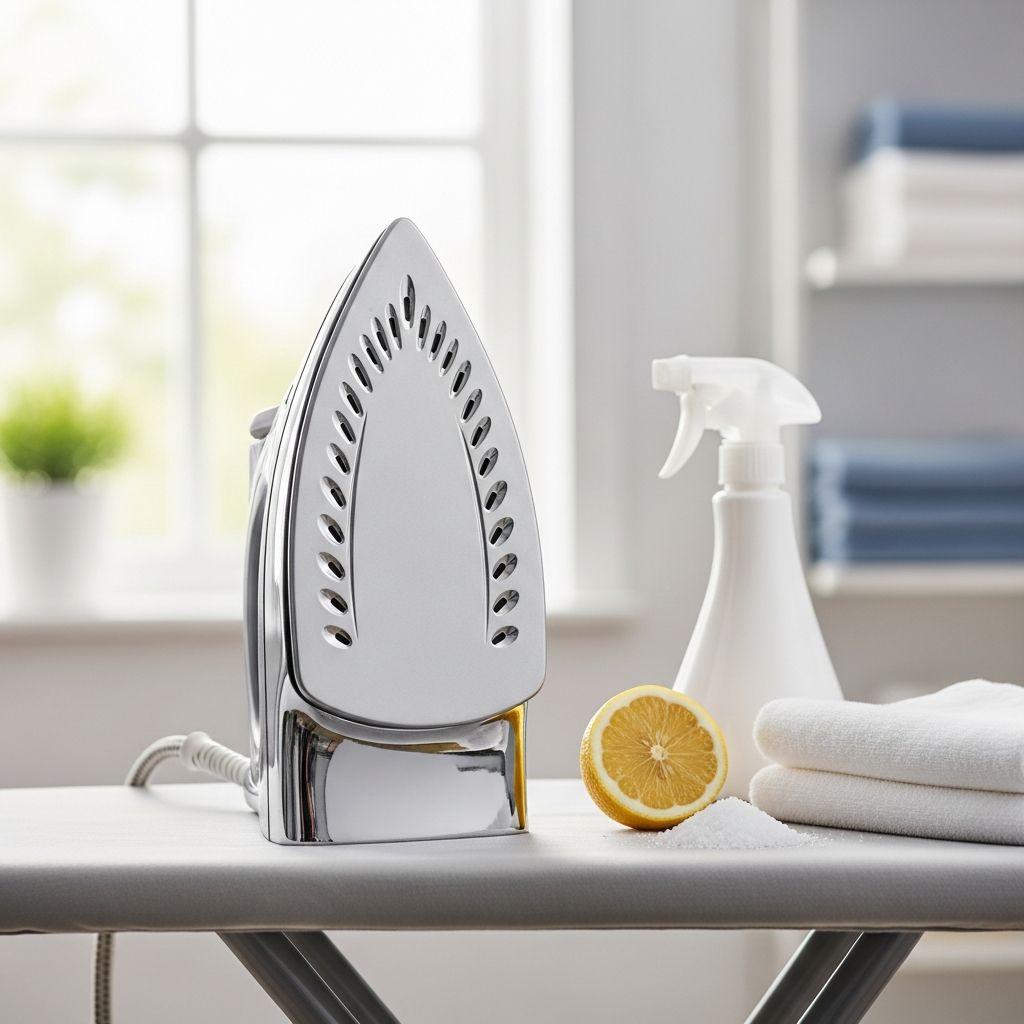
How to Clean Your Iron: Complete Guide to Maintaining Your Essential Appliance
An iron is one of the most essential household appliances, helping you maintain crisp, wrinkle-free clothing for work, special occasions, and everyday wear. However, like all frequently used appliances, irons require regular maintenance and cleaning to function optimally. Over time, mineral deposits, fabric residue, and starch buildup can accumulate on the soleplate—the flat metal surface that contacts your clothes—reducing its effectiveness and potentially damaging delicate fabrics. Understanding how to properly clean your iron not only extends its lifespan but also ensures your clothes look their best every time you press them.
Why Regular Iron Cleaning Matters
Keeping your iron clean is crucial for several reasons. When mineral deposits and debris accumulate on the soleplate, they create uneven heat distribution and can leave marks or stains on your clothing. Hard water deposits are particularly problematic, as they can clog the steam vents and reduce steam output, making it harder to remove wrinkles effectively. Additionally, a dirty iron can transfer residue onto fabrics, defeating the purpose of pressing your clothes. Regular cleaning prevents these issues and maintains your iron’s performance, ensuring every pressing session delivers professional results.
Understanding Your Iron’s Soleplate
The soleplate is the most critical component of your iron and requires the most attention during cleaning. Different irons have different soleplate materials, including stainless steel, non-stick ceramic, or aluminum. Each material requires slightly different care approaches. Stainless steel soleplates are durable and can tolerate more aggressive cleaning methods, while non-stick and ceramic surfaces need gentler handling to avoid scratches and damage. Before beginning any cleaning process, check your iron’s instruction manual to identify your soleplate type and any specific manufacturer recommendations for care.
Basic Cleaning Methods for Your Iron
Vinegar and Baking Soda Solution
One of the most effective and economical cleaning methods uses common household ingredients: white vinegar and baking soda. This natural combination creates a gentle yet powerful cleaning agent that removes mineral deposits and buildup without harsh chemicals. To use this method, mix equal parts white vinegar and baking soda to create a paste. Unplug your iron and let it cool completely, then apply the paste to the soleplate using a soft cloth or sponge. Gently rub in circular motions, paying special attention to areas with visible buildup or discoloration. Wipe away the paste with a damp cloth and dry thoroughly with a clean towel. For stubborn deposits, let the paste sit for 15-20 minutes before wiping.
Salt Paste Treatment
Salt is another effective natural abrasive that can remove stubborn stains and buildup from your iron’s soleplate. Create a salt paste by mixing salt with a small amount of water or vinegar. Heat your iron to medium temperature, then unplug it and allow it to cool slightly—you want it warm enough to make the paste work effectively but cool enough to handle safely. Apply the salt paste to the soleplate and gently scrub with a soft cloth using circular motions. The salt’s gentle abrasive action will help lift debris without scratching most soleplate surfaces. Once complete, wipe the soleplate clean with a damp cloth and dry thoroughly.
Lemon Juice Method
Lemon juice is a natural acid that effectively dissolves mineral deposits and cuts through stubborn residue. Cut a lemon in half and squeeze fresh juice onto a cloth or directly onto the iron’s soleplate. For dried lemon juice, you can also rub the cut side of a lemon directly on the warm soleplate. The acidic properties of lemon work to break down mineral buildup, particularly lime and calcium deposits from hard water. After applying lemon juice, wipe the soleplate clean with a damp cloth and dry thoroughly. This method is particularly effective for irons used in areas with hard water.
Removing Stubborn Starch and Residue
Starch buildup is one of the most common iron maintenance issues. When using spray starch during pressing, residue can accumulate on the soleplate, creating a sticky coating that can damage fabrics. To remove starch buildup, heat your iron to the appropriate setting and press it against a clean, thick cloth several times. The heat and friction help loosen and transfer the starch residue to the cloth. Alternatively, dampen a cloth with white vinegar and press the warm iron against it multiple times, allowing the vinegar to dissolve the starch buildup. For severe starch accumulation, make a thicker vinegar solution and let it sit on the soleplate for several minutes before wiping clean.
Cleaning Steam Vents and Water Channels
Steam irons have small vents that can become clogged with mineral deposits, particularly if you use tap water instead of distilled water. Clogged vents reduce steam output and can affect ironing performance. To clean steam vents, fill the iron’s water reservoir with a solution of equal parts white vinegar and distilled water. Place the iron over a sink or bucket and allow the vinegar solution to run through the steam vents by pressing the steam button repeatedly. This process helps dissolve mineral deposits inside the iron and flushes them out. Continue until the solution runs clear, indicating the deposits have been removed. Finally, refill the reservoir with distilled water only and repeat the steaming process several times to rinse out any vinegar residue.
Preventative Maintenance Tips
Regular preventative care significantly reduces the need for deep cleaning and extends your iron’s lifespan. Always use distilled water instead of tap water in your iron’s reservoir—tap water contains minerals that accumulate and clog steam vents. Empty the water reservoir after each use to prevent mineral buildup and reduce bacterial growth. Allow your iron to cool completely before storing it, and always store it upright on its heel rather than on its soleplate to prevent pressure and potential damage. Clean your iron’s soleplate lightly after each use by pressing it gently against a clean, damp cloth while still slightly warm. This simple step prevents residue from hardening and makes deeper cleaning easier.
When to Replace Your Iron
While proper cleaning and maintenance can significantly extend your iron’s life, there comes a time when replacement may be necessary. If your iron continues to malfunction despite thorough cleaning, if the heating element fails, or if the soleplate becomes severely damaged or scratched, replacement is the best option. Most irons last between 5-10 years with proper care, though some higher-quality models can last longer. If you notice persistent issues like uneven heating, weak steam output that doesn’t improve after cleaning, or visible damage to the soleplate, it may be time to invest in a new iron.
Choosing the Right Cleaning Products
While natural cleaning solutions work well, you can also purchase commercial iron-cleaning products designed specifically for this purpose. These products are formulated to dissolve mineral deposits and buildup effectively. However, always follow the manufacturer’s instructions carefully and ensure the product is compatible with your iron’s soleplate material. Some commercial cleaners may be too harsh for delicate non-stick or ceramic surfaces. Natural solutions like vinegar, baking soda, and lemon juice are generally gentler alternatives that work effectively for most irons and are safe for all soleplate types.
Professional Cleaning Services
For heavily soiled or damaged irons, or if you prefer professional assistance, some appliance repair shops offer iron cleaning and restoration services. These professionals have specialized equipment and expertise to address severe mineral deposits or internal damage that regular home cleaning cannot resolve. While professional cleaning incurs a cost, it may be worthwhile for expensive, high-quality irons that you want to preserve.
Frequently Asked Questions
Q: How often should I clean my iron?
A: Light cleaning should be performed after every few uses, while deep cleaning is recommended monthly or as needed depending on water hardness and usage frequency. If you use your iron daily, monthly deep cleaning is ideal.
Q: Can I use tap water in my iron?
A: While tap water works, distilled water is strongly recommended. Tap water contains minerals that accumulate and clog steam vents, reducing performance and requiring more frequent cleaning. Distilled water prevents mineral buildup significantly.
Q: Is it safe to use vinegar on all iron soleplate types?
A: Vinegar is generally safe for most soleplate materials including stainless steel, ceramic, and non-stick surfaces when used properly. However, always dilute vinegar and avoid prolonged contact with non-stick surfaces to prevent damage.
Q: What should I do if my iron leaks water?
A: Water leaking usually indicates mineral deposits or a malfunctioning internal valve. Try the vinegar solution method to clean internal channels. If leaking persists, professional servicing or replacement may be necessary.
Q: Can I clean my iron while it’s still warm?
A: It’s safer to unplug and cool your iron before cleaning, but you can use warm (not hot) irons for certain methods like the salt paste treatment. Always prioritize safety and avoid burns.
Q: Why is my iron leaving brown stains on clothes?
A: Brown stains typically indicate mineral deposits or rust on the soleplate. This requires immediate deep cleaning using vinegar or commercial iron cleaner to restore your iron’s performance and prevent further damage.
References
- Easy Does It: How to Care for a Cast Iron Pan — HGTV. 2017-05-05. https://www.youtube.com/watch?v=-mp-ObugA_E
- How to Clean and Season Cast-Iron Cookware — HGTV UK. https://hgtv.co.uk/cleaning/how-to-clean-and-season-cast-iron-cookware/
Similar Articles








Read full bio of Sneha Tete