How To Clear A Clogged Bathtub Drain: 6 Effective Ways
Master the art of unclogging your bathtub with expert techniques and proven methods.
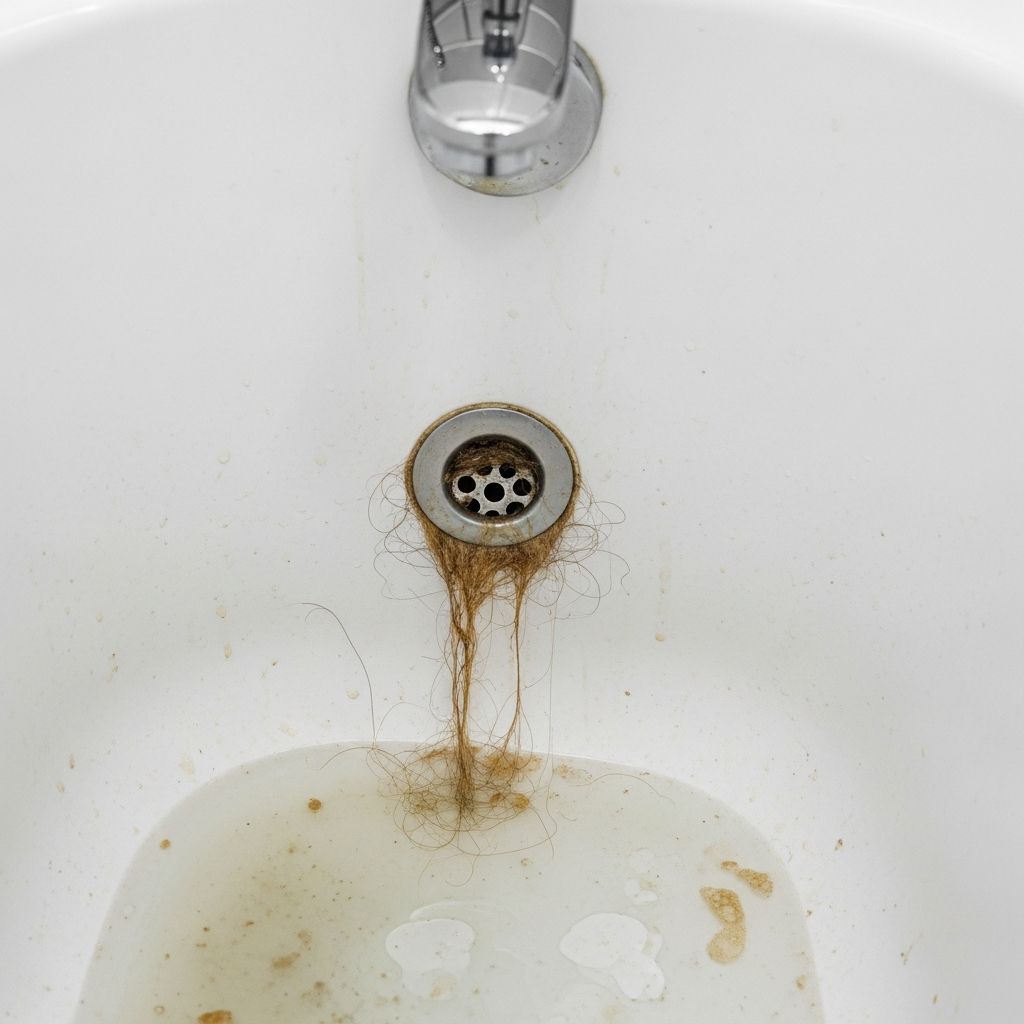
How to Clear a Clogged Bathtub Drain
A clogged bathtub drain is one of the most common household plumbing problems, often caused by the accumulation of hair, soap scum, and debris. The good news is that you don’t always need to call a professional plumber to solve this issue. With the right knowledge, tools, and techniques, you can clear most bathtub clogs yourself. This comprehensive guide will walk you through various methods to restore your bathtub’s drainage efficiency, from simple mechanical solutions to chemical treatments and professional-grade tools.
Understanding Your Bathtub Drain System
Before attempting to clear your clogged drain, it’s important to understand the basic components of your bathtub drain system. Most bathtub drains feature a strainer basket that catches larger debris, a stopper mechanism that controls water flow, and an overflow drain that prevents water from spilling over the edge of the tub. The drain system also includes a trap, which is a U-shaped section of pipe that holds standing water to create a seal against sewer gases. Understanding these components will help you identify where the clog might be located and which removal method will be most effective.
Initial Assessment and Preparation
The first step in clearing a clogged bathtub drain is to assess the severity of the problem. If water drains slowly, the clog is likely minor and located near the surface. If water doesn’t drain at all or backs up, you may be dealing with a more serious blockage deeper in the drain line. Before you begin any repair work, remove as much standing water as possible using a bucket or towels. This will give you better access to the drain and prevent water from splashing during the unclogging process. Additionally, ensure you have proper lighting and gather all necessary tools before starting.
Method 1: Removing and Cleaning the Stopper and Strainer
The simplest and most effective first step is to remove and clean the drain stopper and strainer. Many clogs form right at or near these components, as they trap hair and debris. To remove the stopper, you may need to unscrew it, pull it straight up, or manipulate it depending on your specific drain type. Consult your bathtub’s manufacturer instructions for the correct removal method.
Once removed, inspect the stopper for accumulated debris and clean it thoroughly. Next, remove the strainer basket, which resembles a miniature pasta strainer. You can usually remove it by either lifting it up with your fingernail or wedging a flat screwdriver underneath and gently prying it up. Be careful not to drop any screws down the drain. Clean the strainer of all hair and debris, then run water to test the drain flow. Often, this simple cleaning solves the problem entirely.
Method 2: Using a Plunger
If removing and cleaning the stopper and strainer doesn’t solve the problem, the next method is using a plunger. Fill your bathtub with a few inches of water to create a seal, then position a plunger over the drain opening. Ensure that the overflow drain is covered with a wet washcloth to prevent air from escaping, which would reduce the plunging effectiveness. Apply firm, rapid plunging motions, pushing down and pulling up vigorously. The pressure created by the plunging action can dislodge minor to moderate clogs. Repeat this process several times, checking between attempts to see if water begins draining. This method is particularly effective for clogs caused by hair or soap buildup near the drain surface.
Method 3: Mechanical Removal with a Drain Snake
For more stubborn clogs, a drain snake is an excellent tool. A drain snake, also called a plumbing auger, is a flexible wire tool that can be fed down the drain to physically break up or retrieve the clog. To use a drain snake, first remove the drain stopper and strainer. Insert the snake into the drain and slowly push it forward while rotating the handle. You should feel resistance when the snake encounters the clog. Continue pushing and rotating until you feel the clog break apart or until you can retrieve hair and debris by pulling the snake back out. The snake can be particularly effective for hair clogs deep within the drain line.
Method 4: Natural Drain Cleaning Solutions
For those who prefer environmentally friendly approaches, the baking soda and vinegar method is a time-tested solution. Start by pouring one cup of baking soda directly into the drain, followed by one cup of white vinegar. The chemical reaction between these two substances creates fizzing action that can help break down clogs. Immediately insert the drain plug or close the strainer, and let this mixture work for five to ten minutes. After the waiting period, flush the drain with a pot of boiling water. The combination of mechanical action from the fizzing and the heat from the boiling water can be surprisingly effective at clearing minor clogs and removing odors. For additional effectiveness, you can repeat this process or use hot water flushing more frequently.
Method 5: Chemical Drain Cleaners
Chemical drain cleaners can be effective for dissolving clogs, particularly those caused by hair or soap buildup. Follow the manufacturer’s instructions carefully when using these products, as they contain caustic materials that can cause burns. Most drain cleaners require you to pour the product directly into the drain and allow it to sit for a specified period before flushing with water. Always ensure adequate ventilation when using chemical drain cleaners, and never mix different cleaning products, as this can create dangerous chemical reactions. While effective, chemical cleaners should be used as a last resort before calling a professional plumber, as they can damage certain pipe materials if used improperly.
Method 6: Overflow Drain Inspection and Cleaning
Sometimes, the clog is partially caused by debris in the overflow drain system. To inspect this area, use a screwdriver to remove the overflow cover located just below the faucet. Pull out the metal coil or mechanism inside and check for hair, soap, and other debris. Clean this component thoroughly and reinstall it. The overflow system plays an important role in preventing water from overfilling your bathtub, and keeping it clean ensures optimal drain performance. If you find significant buildup here, it may explain why your drain wasn’t functioning properly.
Advanced Techniques and Tools
For particularly stubborn clogs that resist the methods above, several advanced techniques exist. A drain bladder, also called a drain bag, is an inflatable tool that attaches to a garden hose and expands inside the drain to create pressure that dislodges clogs. Wet/dry vacuums can also be used to suck out clogs when set to the proper suction mode. Additionally, professional-grade tools like motorized drain augers and high-pressure water jets can be rented for significant clogs. Some homeowners have success with pressurized drain cleaners that use compressed air or water to blast through clogs.
Preventing Future Clogs
Once you’ve cleared your clogged bathtub drain, prevention becomes important. Install a drain strainer or hair catcher to prevent hair from entering the drain system. Regular maintenance with hot water flushing or periodic baking soda and vinegar treatments can help prevent buildup. Avoid pouring grease or thick soaps down the drain, and consider using drain covers during showers. These preventive measures can significantly extend the time between drain cleaning sessions.
When to Call a Professional Plumber
If you’ve tried multiple methods without success, or if you suspect the clog is located deep within the main drain line or in the septic system, it’s time to call a professional plumber. Professional plumbers have access to specialized equipment and expertise that can handle complex drainage issues. Additionally, if you notice recurring clogs, multiple drains backing up, or water damage around the drain area, these may indicate more serious plumbing problems that require professional assessment.
Frequently Asked Questions
How often should I clean my bathtub drain?
For most households, cleaning your bathtub drain quarterly with a maintenance flush using hot water, baking soda, and vinegar is sufficient. However, households with longer hair or heavy bathtub use may benefit from monthly maintenance to prevent clogs from forming.
Is it safe to use chemical drain cleaners on all pipe types?
Chemical drain cleaners can damage certain pipe materials, particularly older galvanized pipes and PVC. Always check your home’s plumbing system type before using chemical cleaners, and consider gentler alternatives when possible.
What should I do if my bathtub drain keeps clogging?
Recurring clogs may indicate a deeper issue with your plumbing system or a structural problem in the drain line. Install a drain strainer, perform regular maintenance, and if clogs persist, contact a professional plumber to inspect your entire drainage system.
Can I use a plunger on a bathtub drain?
Yes, a plunger can be effective on bathtub drains. Ensure you cover the overflow drain with a wet washcloth to create a proper seal, fill the tub with a few inches of water, and plunge vigorously for best results.
How long should I let baking soda and vinegar sit in my drain?
Allow the baking soda and vinegar mixture to work for five to ten minutes. After this time, flush the drain with boiling water. Extended sitting times don’t typically improve effectiveness.
What’s the difference between a drain snake and a plumbing auger?
Drain snakes and plumbing augers are similar tools, with the main difference being size and power. Augers typically have motors and are more powerful for heavy-duty clogs, while hand-operated drain snakes work well for minor to moderate household clogs.
References
- How to Unclog a Bathtub — Liquid-Plumr. https://www.liquidplumr.com/diy-plumbing-tips/how-to-unclog-a-bathtub/
- How To Unclog A Bathtub Drain Without Chemicals — Young House Love. https://www.younghouselove.com/unclog-bathtub-drain/
- 5 Easy Ways to Unclog Bathtub Drain — YouTube. https://www.youtube.com/watch?v=qOjZKtT4FBg
- How to Clear a Clogged Bathtub Drain — This Old House. https://www.youtube.com/watch?v=JWZklniOo_4
- How to Unclog a Bathtub Drain — YouTube. https://www.youtube.com/watch?v=FWyBZCj__tk
Similar Articles




Read full bio of Sneha Tete