How to Clear Clogged Sink Drains: Complete Guide
Master drain cleaning with proven techniques and tools for a free-flowing sink.
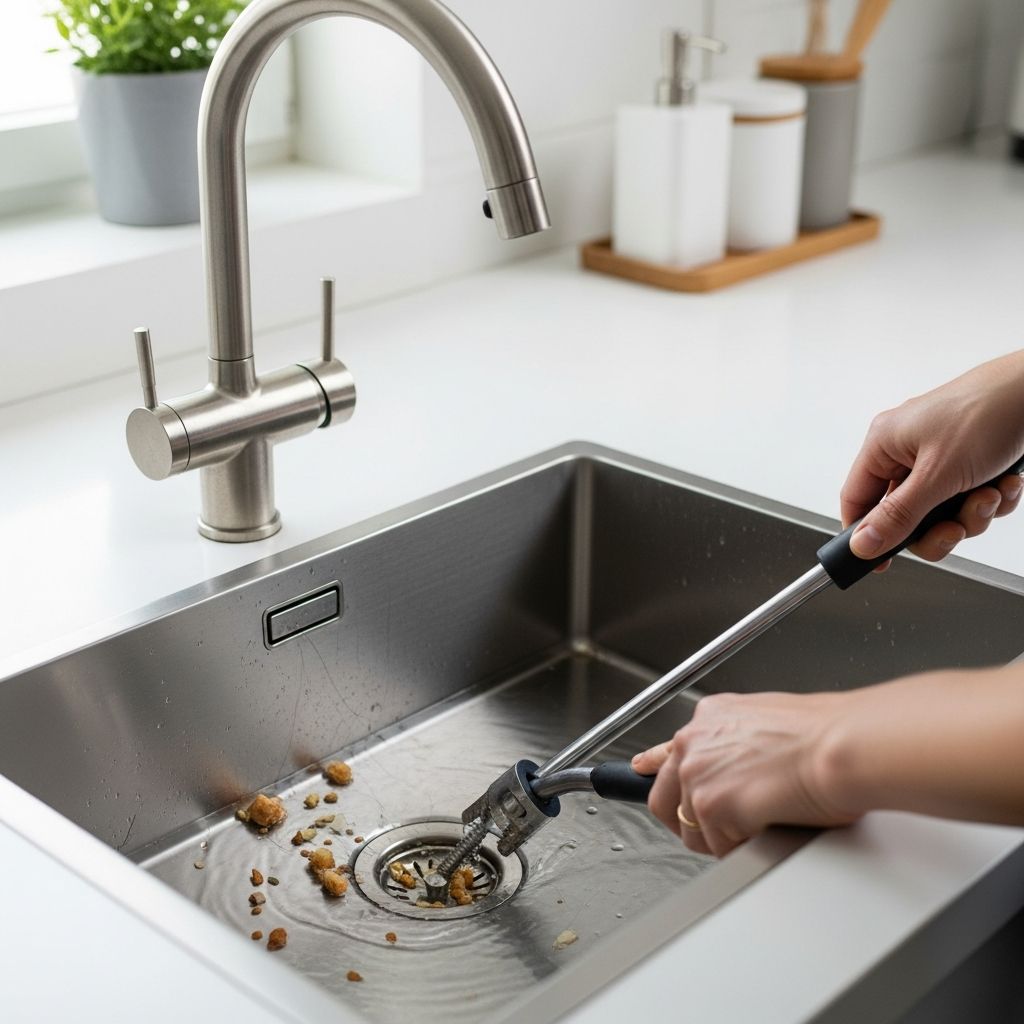
How to Clear Clogged Sink Drains: A Comprehensive Guide
A clogged sink is one of the most common household plumbing problems that homeowners face. Whether it’s in the kitchen or bathroom, a slow-draining or completely blocked sink can disrupt your daily routine and lead to standing water, unpleasant odors, and potential water damage. The good news is that many drain clogs can be resolved using simple do-it-yourself methods before you need to call an expensive plumber. This comprehensive guide will walk you through the most effective techniques for clearing clogged sink drains, from basic plunger methods to more advanced drain-clearing strategies.
Understanding Common Causes of Clogged Drains
Before attempting to clear a clogged sink, it’s helpful to understand what causes most drain blockages. Different types of clogs require different approaches, and knowing the cause can help you select the most effective solution.
- Hair buildup: One of the most frequent culprits in bathroom sinks and showers, hair accumulates in the drain pipe over time and traps soap residue and debris
- Soap scum and grease: Soap residue and cooking grease solidify as they cool in the pipes, creating stubborn blockages
- Food debris: In kitchen sinks, small food particles, vegetable peels, and coffee grounds accumulate and create clogs
- Mineral deposits: Hard water minerals can build up on pipe walls and narrow the drain opening
- Foreign objects: Children’s toys, jewelry, or other small items accidentally dropped down the drain
- Tree roots: In main drains, tree roots can penetrate pipes seeking moisture
Method 1: The Plunger Technique
The plunger is often the first tool homeowners should reach for when dealing with a clogged sink. This simple but effective method works by creating pressure to dislodge the blockage and is suitable for both kitchen and bathroom sinks.
Steps to Use a Sink Plunger:
- Fill the sink: Add enough water to the sink to cover the plunger cup completely. This creates an airtight seal necessary for the plunger to work effectively
- Block the overflow: If your sink has an overflow hole, cover it with a wet cloth or your hand to maintain pressure
- Position the plunger: Place the plunger cup directly over the drain opening, ensuring a tight seal around the entire drain
- Create suction: Push down and pull up rapidly in quick motions, maintaining the seal. Perform this action 15-20 times
- Check the drain: Remove the plunger and see if water drains normally. If the clog persists, repeat the process
- Use hot water: After plunging, pour a pot of hot (not boiling) water down the drain to help flush away remaining debris
Pro Tip: For kitchen sinks, use a cup-style plunger specifically designed for sinks rather than a flange plunger meant for toilets. The flat-bottomed cup creates a better seal on the sink basin.
Method 2: The Drain Snake (Plumbing Auger)
When plunging doesn’t work, a drain snake or plumbing auger is an excellent next step. This tool physically breaks through the clog or pulls it out of the pipe. Drain snakes are available in manual and motorized versions and can reach deeper into the plumbing system than a plunger.
How to Use a Manual Drain Snake:
- Remove the drain stopper: Most sink drains have a removable stopper or strainer. Unscrew or pry it out to access the drain opening
- Insert the snake: Feed the cable end of the snake into the drain opening slowly and carefully
- Push forward: Continue pushing the snake cable into the drain as it extends deeper into the pipe
- Feel for resistance: When you feel the snake hit the clog, stop pushing and begin rotating or twisting the handle
- Break through the clog: Rotate the handle clockwise to break apart the blockage or wrap it around hair and debris to pull it out
- Retrieve the cable: Slowly pull the snake back out of the drain. You may pull out the clog material with it
- Flush the drain: Run hot water through the drain for several minutes to clear away remaining debris
Types of Drain Snakes: Handheld drum augers (typically 25-50 feet) work well for sink and shower clogs. Motorized drain augers provide more power for stubborn blockages. Zip-It-style tools are budget-friendly options for removing hair clogs from accessible drain openings.
Method 3: Baking Soda and Vinegar Solution
For minor clogs and maintenance, a natural chemical reaction between baking soda and vinegar can be surprisingly effective. This method is safe for your pipes and environmentally friendly.
Steps for the Baking Soda and Vinegar Method:
- Remove standing water: If water is pooled in the sink, remove as much as possible using a cup or wet vacuum
- Pour baking soda: Dump one-half to one cup of baking soda directly down the drain
- Add vinegar: Follow immediately with one-half to one cup of white vinegar. The mixture will fizz and bubble, which helps break down the clog
- Cover the drain: Plug the drain opening with a wet cloth or drain stopper to keep the reaction contained within the pipe
- Wait: Allow the fizzing action to work for 15-30 minutes
- Flush with hot water: Boil a kettle of water and carefully pour it down the drain to flush away the loosened debris
When to Use This Method: The baking soda and vinegar technique works best for slow drains and minor blockages. It’s an excellent maintenance method to use monthly to prevent clogs from forming.
Method 4: Boiling Water
For simple grease clogs, particularly in kitchen sinks, boiling water alone can sometimes dissolve the blockage. This is the easiest and most economical method to try first.
Steps for the Boiling Water Method:
- Boil water: Heat a large kettle or pot of water until it reaches a rolling boil
- Remove strainer: If your sink has a strainer basket, remove it from the drain
- Pour carefully: Slowly pour the boiling water directly down the drain. Do this in stages rather than all at once
- Let it work: Wait 5-10 minutes for the heat to melt grease and debris
- Repeat if necessary: For stubborn clogs, repeat the process two or three times
Important Caution: Never use boiling water on PVC pipes, as the extreme heat can damage them. If your home has plastic piping, use very hot but not boiling water instead. Additionally, PVC pipes can melt or warp, so it’s best to check your plumbing material first.
Method 5: Commercial Drain Cleaners
Chemical drain cleaners can be effective but should be used as a last resort before calling a professional, as they contain harsh chemicals that can damage pipes and pose safety hazards.
Using Chemical Drain Cleaners Safely:
- Read instructions carefully: Different products have different application methods and safety requirements
- Ventilate properly: Ensure adequate ventilation in the room before opening the product
- Wear protective gear: Use rubber gloves and eye protection to prevent skin and eye contact with the chemicals
- Follow dosage: Use only the recommended amount of product; more is not better and can damage pipes
- Keep children and pets away: Chemical drain cleaners are hazardous and should be stored safely
- Never mix products: Combining different drain cleaners can create dangerous toxic gases
- Flush appropriately: Always follow up with the flushing method recommended by the product manufacturer
Environmental Consideration: Chemical drain cleaners can harm aquatic ecosystems and contaminate groundwater. Natural or enzymatic drain cleaners offer safer alternatives for minor clogs.
Preventive Maintenance Tips
The best approach to clogged drains is prevention. Regular maintenance can help keep your drains flowing freely and reduce the need for emergency unclogging:
- Use drain strainers: Install mesh strainers in all sink drains to catch hair, food particles, and debris before they enter the pipes
- Regular hot water rinses: Weekly, pour hot water down your drains to help dissolve grease and mineral buildup
- Monthly maintenance: Use the baking soda and vinegar method monthly to prevent minor clogs from developing
- Dispose of grease properly: Never pour cooking grease down the drain; allow it to cool and solidify, then dispose of it in the trash
- Watch what goes down: Be mindful of what you put down the sink, avoiding coffee grounds, vegetable peels, and other fibrous materials
- Clean traps regularly: Remove and clean P-traps and overflow holes periodically
- Address slow drains early: Don’t wait for a complete blockage; address slow drains immediately using preventive methods
When to Call a Professional Plumber
While many clogs can be resolved with DIY methods, some situations require professional help:
- Multiple drains throughout the house are clogged (indicating a main line problem)
- Water backs up into other fixtures when using the sink
- DIY methods have been unsuccessful after multiple attempts
- You suspect tree roots in the main sewer line
- You have an older home with galvanized steel pipes that may be corroded
- The clog keeps returning frequently, suggesting a deeper issue
- You’re uncomfortable working with plumbing tools or chemicals
Professional plumbers have access to advanced equipment like motorized augers, video inspection cameras, and hydro-jetting systems that can handle severe blockages and identify underlying issues.
Frequently Asked Questions
Q: Can I use a toilet plunger on a sink drain?
A: No, it’s best to use a cup-style plunger designed for sinks. Toilet plungers have a flange extension that’s designed for the toilet bowl shape and won’t create an effective seal on a sink drain.
Q: Is baking soda and vinegar effective for all types of clogs?
A: The baking soda and vinegar method works best for hair and soap clogs. For grease clogs, boiling water may be more effective, and for stubborn blockages, a drain snake is usually necessary.
Q: How often should I maintain my drains to prevent clogs?
A: For preventive maintenance, use the baking soda and vinegar method monthly or flush with hot water weekly. This is particularly important if you have hard water or your household produces significant hair and grease buildup.
Q: Are chemical drain cleaners safe for all types of pipes?
A: Chemical drain cleaners can damage older pipes, galvanized steel pipes, and some plastic pipes. Check your plumbing material before using chemical cleaners, and consider natural alternatives for vulnerable pipes.
Q: What should I do if my drain is completely blocked and water isn’t draining at all?
A: Start with the plunger method. If that doesn’t work, try a drain snake to physically remove the blockage. If DIY methods fail after multiple attempts, contact a professional plumber to avoid potential pipe damage.
Q: How do I know if I have a main line clog versus a single-drain clog?
A: If multiple drains throughout your house are slow or backing up simultaneously, you likely have a main line clog. Single drain issues affect only one sink or fixture. Main line clogs require professional equipment and should be handled by a plumber.
Q: Can I prevent hair clogs in the bathroom?
A: Yes, install a drain strainer or hair catcher in your bathroom sink and shower drains. Regularly clean these strainers to remove trapped hair. This simple step prevents the majority of bathroom drain clogs.
Q: Is it safe to use boiling water on PVC pipes?
A: No, boiling water can damage PVC pipes by softening or melting the plastic. For PVC pipes, use hot (but not boiling) water, typically around 160-170 degrees Fahrenheit, or choose alternative methods like plunging or drain snakes.
References
- Drain Cleaning and Maintenance Standards — The Plumbing-Heating-Cooling Contractors Association (PHCC). 2024. https://www.phccweb.org
- Chemical Safety in Drain Cleaners — U.S. Environmental Protection Agency (EPA). 2024. https://www.epa.gov/saferchoice/safer-chemical-ingredients
- Home Plumbing Maintenance Guidelines — National Association of Home Builders (NAHB). 2023. https://www.nahb.org
- Baking Soda and Vinegar for Household Cleaning — Cornell University College of Agriculture and Life Sciences. 2023. https://www.cals.cornell.edu
- PVC Pipe Temperature Tolerance Standards — American Society for Testing and Materials (ASTM). 2024. https://www.astm.org
Similar Articles








Read full bio of Sneha Tete