Creating Your Own Rain Garden
Transform stormwater into a thriving garden oasis with our step-by-step guide to building an eco-friendly rain garden in your yard.
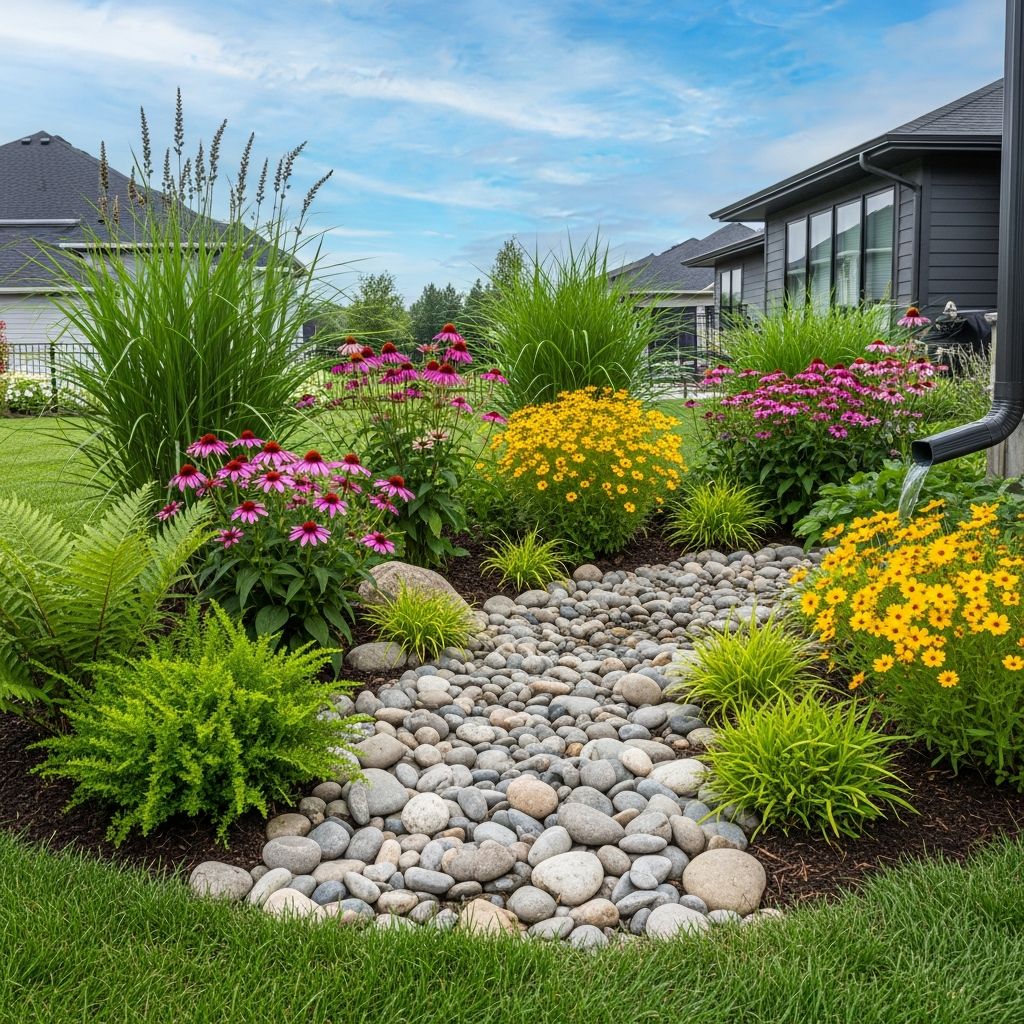
Rain gardens offer a smart, natural way to handle excess rainwater from roofs, driveways, and lawns. These shallow depressions capture, filter, and infiltrate stormwater, preventing it from overwhelming sewer systems or causing erosion. By incorporating the right plants and soil, they turn a functional drainage solution into a vibrant ecological feature.
Why Install a Rain Garden?
Urban and suburban landscapes often struggle with impervious surfaces like concrete and asphalt that prevent water absorption. Rain gardens mimic natural hydrology, allowing up to 90% of common rainfall to soak into the ground rather than running off. They improve water quality by trapping pollutants in plant roots and soil, recharge groundwater, and support pollinators with native vegetation.
Benefits extend beyond the environment: they reduce basement flooding, cut down on municipal stormwater fees in some areas, and enhance property aesthetics. Studies show rain gardens can handle the first inch of rain effectively, which accounts for most storms in many regions.
Assessing Your Property for Suitability
Before starting, evaluate your yard’s conditions. Ideal spots receive concentrated runoff, such as near downspouts or low-lying areas where puddles form. Avoid placing within 10 feet of foundations, septic systems, or utilities to prevent water backup or damage.
Perform a soil percolation test: Dig a 12-inch hole, fill with water twice, and check if it drains at least 0.5 inches per hour on the second fill. This ensures adequate infiltration without waterlogging plants. Call 811 to mark utilities first.
Planning Dimensions and Layout
Calculate the drainage area—rooftop or pavement feeding water to the garden—then size the garden to 10-20% of that area for optimal capture. For an 800 sq ft roof, aim for 80-133 sq ft at the bottom.
Design a shallow basin, 6-8 inches deep, with gentle slopes. Common shapes include circles or kidney beans for even water distribution. On slopes, excavate one side deeper and use soil to build up the other, forming a level-bottomed bowl.
| Drainage Area (sq ft) | Rain Garden Size (sq ft) | Depth (inches) |
|---|---|---|
| 500 | 50-100 | 6-8 |
| 1000 | 100-200 | 6-8 |
| 2000 | 200-400 | 6-8 |
This table provides rough guidelines; adjust based on local rainfall and soil.
Gathering Materials and Tools
- Soil amendments: Sand (for base), compost (4 lbs/sq ft), topsoil from excavation.
- Plants: Native perennials tolerant of wet-dry cycles (e.g., sedges, iris, lobelia).
- Other: Mulch, gravel, permeable fabric, PVC pipe (4-inch), stones for spillways.
- Tools: Shovels, mini-excavator (rental), level, hose for outlining, tamper.
Step-by-Step Construction Process
Step 1: Mark and Outline
Use a hose or spray paint to outline the shape. Ensure the inlet (where water enters) is opposite the outlet for flow.
Step 2: Excavate the Basin
Remove sod and dig to depth, sloping sides gently. Save topsoil; stockpile subsoil for berms. For hand-digging, expect several hours; machinery speeds it up.
Step 3: Build the Berm
At the downhill edge, mound excavated soil 6-12 inches high around three sides, compacting with a tamper. Slope gently for mowing integration, cover with mulch or seed.
Step 4: Install Overflow Spillway
Carve a shallow notch in the berm, line with fabric, fill with stones. This directs excess water safely away during heavy rains.
Step 5: Amend the Soil Profile
Backfill bottom with 6-8 inches of sand for drainage, top with compost-tilled mix to 12 inches. This creates a filter layer.
Step 6: Direct Runoff with Swales or Pipes
Dig trenches from downspouts, line with stones, lay sloped PVC pipe (1/4 inch per foot drop). Ensure outlet is 12 inches above garden bottom to avoid backups.
Step 7: Plant and Mulch
Space natives 12 inches apart in holes twice as wide as roots. Mulch with wood chips, water deeply until established.
Selecting the Best Plants
Choose species adapted to periodic flooding and drought. Deep-rooted grasses and forbs excel at pollutant uptake.
- Wet-tolerant: Blue flag iris, swamp milkweed.
- Dry-tolerant edges: Little bluestem, switchgrass.
- Shoreline: Sedges, rushes.
Full sun maximizes pollutant breakdown; diversity supports wildlife.
Ongoing Maintenance Tips
Inspect after storms: Clear debris, check spillway. Water new plants weekly first season. Mow berms, divide crowded perennials every 3 years. Expect full establishment in 2-3 seasons.
Avoid chemicals; manual weeding preserves filtration. In winter, leave stems for habitat.
Common Challenges and Fixes
| Issue | Solution |
|---|---|
| Poor drainage | Retest soil, add more sand. |
| Erosion at inlet | Install rock apron or energy dissipater. |
| Standing water >48 hrs | Deepen or enlarge; replant with aquatics. |
| Invasive weeds | Mulch heavily, monitor first year. |
Environmental and Cost Benefits
One rain garden can filter thousands of gallons annually, equivalent to forest infiltration. Costs range $5-15/sq ft (DIY), saving on professional landscaping. Rebates available in many municipalities.
FAQs
Can I build on clay soil?
Clay drains slowly; amend heavily or choose shallower design. Perc test is key.
How long until it works fully?
Plants root in 1-2 years; full filtration by year 3.
Is it mosquito-prone?
No—water infiltrates in 24-48 hours, preventing breeding.
Pet-safe?
Yes, with natives; avoids chemicals.
Winter care?
Leave intact; snowmelt infiltrates naturally.
References
- How To Build a Rain Garden in 10 Steps — Princeton Hydro. Accessed 2026. https://princetonhydro.com/how-to-build-a-rain-garden-in-10-steps/
- How to Build Your Own Residential Rain Garden — San Antonio River Authority. Accessed 2026. https://www.sariverauthority.org/blog-news/how-to-build-your-own-residential-rain-garden/
- Building Your Rain Garden — City of Hudson, OH. Accessed 2026. https://www.hudson.oh.us/DocumentCenter/View/754
- Building a rain garden — University of Minnesota Extension. Accessed 2026. https://extension.umn.edu/landscape-design/rain-gardens
Similar Articles







Read full bio of Sneha Tete