How to De-Ice Your Windshield Without a Scraper
Master windshield de-icing techniques without a scraper using proven DIY methods.
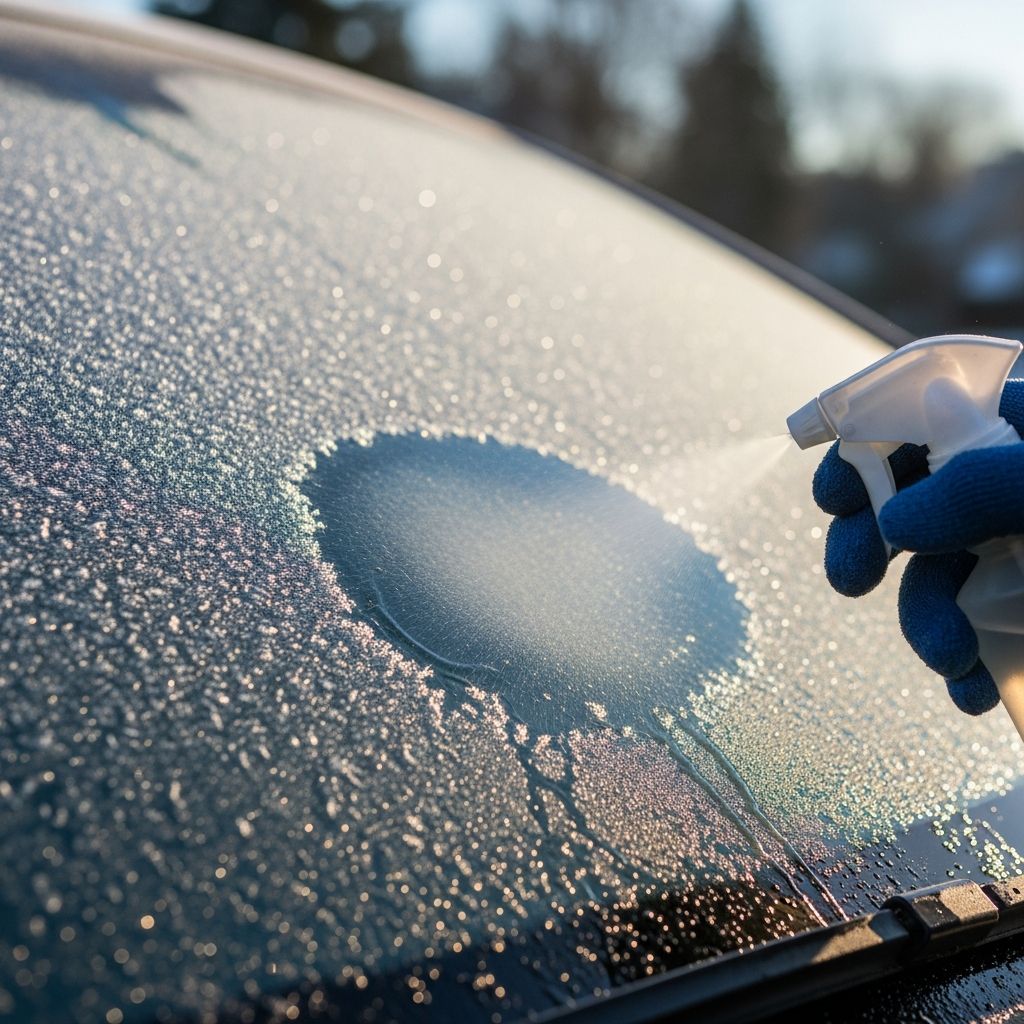
Winter mornings can be challenging when you step outside to find your windshield encased in a thick layer of frost or ice. While a traditional ice scraper is the go-to tool for many drivers, not everyone has one readily available. Whether you’ve forgotten yours at home, lost it, or simply prefer alternative methods, there are numerous effective techniques to remove ice from your windshield without reaching for a scraper. Understanding these methods can save you time, prevent damage to your windshield, and help you get on the road safely during winter months.
The Rubbing Alcohol Solution: Your Most Effective Weapon
One of the most popular and effective methods for de-icing windshields without a scraper is the rubbing alcohol solution. This homemade mixture is simple to prepare and remarkably effective at melting ice quickly. The science behind this solution is straightforward: rubbing alcohol has a much lower freezing point than water, typically around -128 degrees Fahrenheit, which means it remains liquid even in extremely cold conditions.
How to Make the Solution:
- Combine one part water with two parts rubbing alcohol (70% isopropyl alcohol) in a spray bottle
- Shake the mixture well to ensure even distribution
- For added effectiveness, you can add a teaspoon of liquid dish soap to help break down the ice
- Store the bottle in your car for easy access during winter mornings
When you spray this solution on your windshield, it immediately begins breaking down the ice bonds, making it easier to wipe away. For light frost, simply spray and wait a few seconds before wiping with your windshield wipers or a soft cloth. For thicker ice buildup, the solution will help loosen the ice enough to make removal significantly easier.
Preventing Frost Buildup Before It Starts
While removing ice is important, preventing it from forming in the first place is equally valuable. Understanding the root causes of windshield frost can help you implement preventative measures that reduce the work required each morning.
Remove Moisture from Your Vehicle:
The primary culprit behind interior frost formation is trapped moisture inside your vehicle. This moisture originates from various sources, including wet clothing, damp shoes, and snow carried in on footwear. When your car cools overnight, this moisture condenses on the windshield, freezing into frost that obscures your view.
- Shake off snow from your shoes and clothing before entering the vehicle
- Wipe your feet on the car mat to remove as much moisture as possible
- Remove floor mats if they become excessively wet and allow them to dry separately
- Consider placing moisture-absorbing products inside your vehicle overnight
Using Your Car’s Climate Control System Strategically
Your vehicle’s heating and air circulation system plays a crucial role in managing windshield frost. Many drivers unknowingly make mistakes that actually worsen the problem.
The Recirculation Button Mistake:
A common error is keeping the recirculation button activated, which recycles the damp air already inside your vehicle. This perpetuates the moisture problem rather than solving it. Instead, you should disable recirculation to pull in fresh, dry air from outside. While this outside air is cold, it contains significantly less moisture than the humid air inside your car.
- Turn off the air recirculation button when defrosting
- Set your heating system to the highest comfortable temperature
- Direct air flow toward the windshield
- Crack windows slightly if safe to do so, allowing moisture to escape
By pulling in dry outside air and heating it, you create a dehumidifying effect that clears frost more quickly than relying on stale interior air.
Protecting and Maintaining Your Windshield Wipers
Ice doesn’t just accumulate on your windshield—it also affects your wipers. Frozen wipers stuck to the glass can be damaged when you attempt to activate them, potentially ruining the blades and requiring expensive replacements.
De-Icing Your Wipers:
Apply the rubbing alcohol and water solution directly to your frozen wipers. This same mixture that works on your windshield is equally effective on wiper blades. After spraying, allow a few seconds for the solution to penetrate the ice, then gently loosen the wipers with your fingers. Never force stuck wipers, as this can damage the rubber blades and the wiper mechanism.
Preventative Wiper Care for Winter Conditions
You can prevent wipers from freezing to your windshield with a simple technique. When you park your warm car and know cold weather is coming, lift your wipers away from the windshield and prop them upright. This prevents them from settling back onto the glass as temperatures drop, eliminating the possibility of them freezing in place overnight.
- Lift wipers away from the windshield before parking
- Ensure they’re fully raised and won’t accidentally lower
- This method works even better if your wipers have a “parked” position
- Check wipers before driving to ensure they’re functioning properly
Alternative De-Icing Methods and Household Solutions
Beyond the rubbing alcohol solution, several other household items can effectively combat windshield ice.
Vinegar and Water Mixture
A solution combining equal parts white vinegar and water can help loosen ice accumulation. While less effective than rubbing alcohol for extremely thick ice, it works well for light to moderate frost and has the advantage of being readily available in most homes.
Commercial De-Icing Products
If you prefer not to make a homemade solution, numerous commercial de-icer sprays are available. These products are designed specifically for windshield use and often include additional ingredients to improve their effectiveness and reduce freezing temperatures further.
Warm Water: Proceed with Caution
While pouring warm water on your windshield might seem like a quick solution, this method carries significant risks. The sudden temperature change can cause windshield glass to crack, particularly if the glass is already cold and brittle. Additionally, the water will refreeze quickly in extremely cold conditions, potentially making the problem worse. This method should be avoided in favor of safer alternatives.
Step-by-Step Guide to De-Icing Without a Scraper
For Light Frost:
- Prepare your rubbing alcohol solution in advance
- Spray the solution generously across the frosted windshield
- Wait 30 to 60 seconds for the solution to work
- Use your windshield wipers to clear away the loosened frost
- Repeat as necessary for complete clarity
For Thick Ice Accumulation:
- Start your vehicle and activate the defroster
- Disable the recirculation function
- Spray the rubbing alcohol solution on the ice
- Allow several minutes for the solution to begin breaking down the ice
- Gently push away loosened ice with your windshield wipers
- Reapply solution and repeat until visibility is clear
Safety Considerations and Best Practices
When de-icing your windshield, several safety considerations should guide your actions. Never drive with limited visibility—this endangers you and other road users. Always ensure your windshield is completely clear before operating your vehicle. Additionally, while waiting for ice to loosen, keep your vehicle parked with the engine running to ensure you can see clearly before moving.
If you’re using homemade solutions, store them in clearly labeled bottles away from children and pets. The rubbing alcohol solution is not toxic but should not be ingested. Always wear gloves when handling these solutions, as they can dry out your skin.
Preparing for Winter: Long-Term Prevention Strategies
- Apply a water-repellent coating to your windshield before winter arrives
- Keep your vehicle in a garage or covered area whenever possible
- Maintain proper tire pressure, as underinflated tires can reduce traction and increase your overall exposure time
- Keep emergency supplies including de-icing solution in your vehicle at all times
- Consider investing in a windshield cover for overnight protection
Frequently Asked Questions
Q: Can I use hand sanitizer to de-ice my windshield?
A: Hand sanitizers typically contain a lower concentration of alcohol and are less effective than the 70% rubbing alcohol solution specifically designed for this purpose. While they may help with light frost, they’re not recommended as a primary de-icing method.
Q: How long does the rubbing alcohol solution take to work?
A: On light frost, the solution typically begins working within 30 seconds. On thick ice, you may need to wait several minutes and apply multiple coats to achieve complete de-icing.
Q: Is it safe to use this method on all windshield types?
A: Yes, the rubbing alcohol solution is safe for all windshield types and won’t damage the glass or the defroster elements. It’s gentler than scraping and less risky than warm water.
Q: Can I prepare the solution in advance and store it in my car?
A: Absolutely. In fact, preparing the solution ahead of time is recommended. Store it in your vehicle during winter months for immediate access on frosty mornings.
Q: What should I do if my wipers are frozen to the windshield?
A: Apply the rubbing alcohol solution to the frozen wipers and allow it to work for a minute or two before gently prying them free. Never force them, as you risk damaging the wiper mechanism.
Q: Does this method work in extremely cold temperatures?
A: The rubbing alcohol solution is specifically chosen because it remains liquid at temperatures far below freezing. It works effectively even in extreme cold, making it ideal for harsh winter conditions.
References
- Properties of Isopropyl Alcohol — National Center for Biotechnology Information (NCBI), U.S. National Library of Medicine. 2024. https://pubchem.ncbi.nlm.nih.gov/compound/Isopropyl-alcohol
- Winter Vehicle Safety — National Highway Traffic Safety Administration (NHTSA), U.S. Department of Transportation. 2023. https://www.nhtsa.gov/winter-weather-safety
- Vehicle Glass Safety Standards — Federal Glass and Glazing Standards, National Highway Traffic Safety Administration. 2023. https://www.nhtsa.gov/
- Defroster System Operation — Society of Automotive Engineers (SAE) International. 2022. https://www.sae.org/
- How to Defrost Car Windows — Family Handyman. March 8, 2019. https://www.familyhandyman.com/automotive/this-easy-trick-will-defrost-your-car-window-in-seconds/
Similar Articles



Read full bio of medha deb