How to Deep Clean Vinyl and Linoleum Floors
Master the art of deep cleaning vinyl and linoleum floors with proven techniques and expert tips.
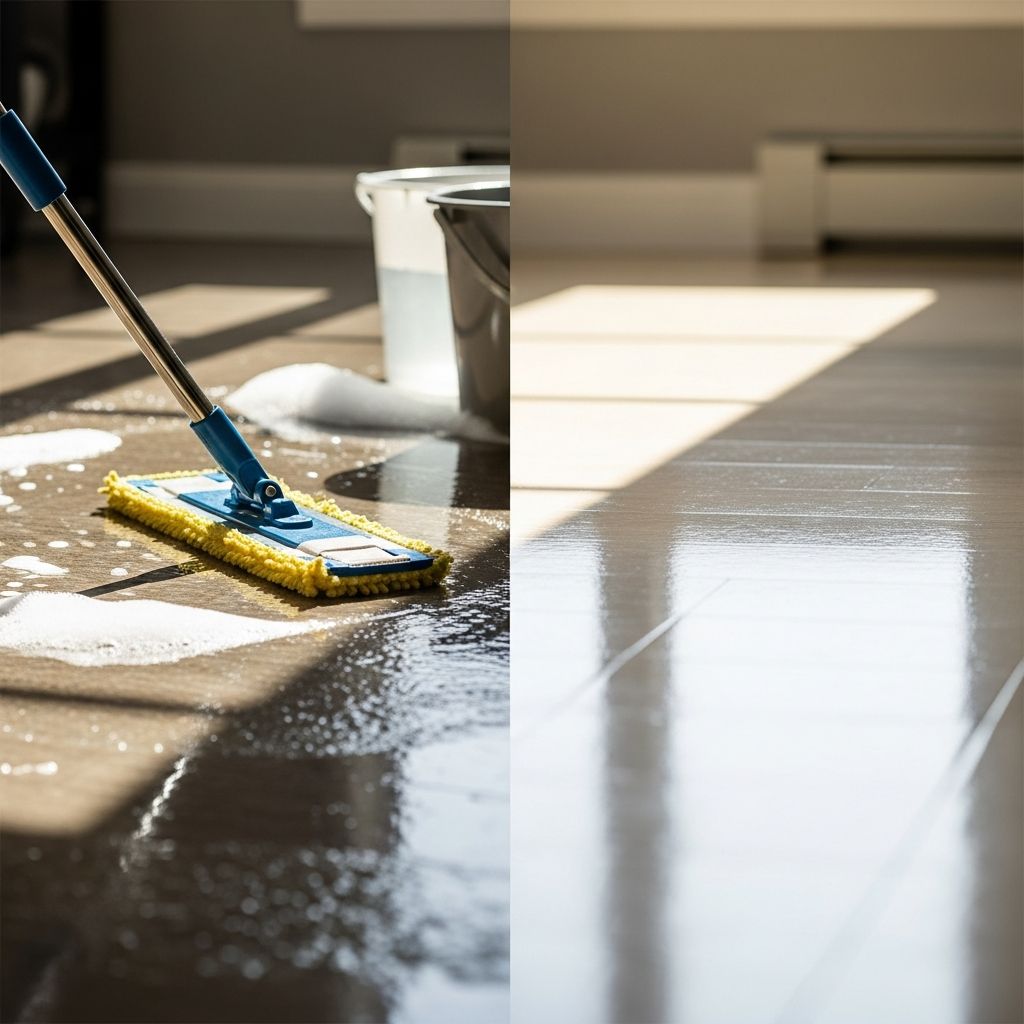
Vinyl and linoleum floors are among the most popular flooring choices in modern homes due to their durability, affordability, and ease of maintenance. However, like all flooring types, these surfaces require regular deep cleaning to maintain their appearance and longevity. Over time, dirt, grime, scuffs, and stains can accumulate on vinyl and linoleum floors, making them look dull and worn. Understanding the proper techniques and products for deep cleaning these floors can help restore their original shine and extend their lifespan significantly.
Understanding Vinyl and Linoleum Floors
Before diving into the cleaning process, it’s important to understand the differences between vinyl and linoleum floors and their specific characteristics. Vinyl flooring is a synthetic material made from polyvinyl chloride (PVC), typically installed as sheet vinyl, vinyl tiles, or luxury vinyl planks (LVP). Linoleum, on the other hand, is made from natural materials including linseed oil, cork dust, and wood flour, bound together and applied to a burlap backing. Despite their differences in composition, both materials share similar cleaning requirements and sensitivities to excessive moisture.
Both vinyl and linoleum are water-resistant but not waterproof, meaning excessive moisture can seep into seams and cause swelling, warping, or separation. This is a critical distinction that affects the entire deep-cleaning approach. Understanding these material properties ensures you clean effectively without causing damage.
Preparing Your Floors for Deep Cleaning
Proper preparation is essential before beginning any deep cleaning project. The preparation phase sets the foundation for successful cleaning and prevents damage to your floors.
Remove All Furniture and Debris
Start by clearing the room of all movable furniture, chairs, and objects. This allows you complete access to every inch of the floor and prevents inadvertent damage to furniture. Sweep or vacuum thoroughly to remove all loose dirt, dust, pet hair, and debris. Use a soft-bristled broom or a vacuum with a hard floor attachment to avoid scratching the surface.
Address Existing Stains and Spots
Identify problem areas such as stubborn stains, adhesive residue, or scuffs. These may require pre-treatment before the main cleaning process. Gently test any cleaning solution on an inconspicuous area first to ensure it won’t damage or discolor your floor.
Ventilate the Space
Open windows and doors to ensure proper air circulation during and after cleaning. Good ventilation helps wet floors dry more quickly and removes fumes from cleaning products. Consider using fans to increase air movement throughout the room.
Selecting the Right Cleaning Solutions
Choosing appropriate cleaning products is crucial for achieving optimal results without damaging your vinyl or linoleum floors. The market offers various options, each with specific advantages and limitations.
Commercial Floor Cleaners
Many manufacturers produce cleaners specifically formulated for vinyl and linoleum floors. These commercial solutions are designed to cut through tough grime while being safe for the materials. Look for products labeled as safe for vinyl or linoleum use. Popular options include:
- Vinyl-specific floor cleaners with streak-resistant formulas
- All-purpose floor cleaners designed for resilient flooring
- pH-neutral solutions that won’t dull or damage surfaces
- No-wax or rinse-free formulas that leave a protective shine
Homemade Cleaning Solutions
Many homeowners prefer using natural, cost-effective homemade solutions. Several combinations work effectively for vinyl and linoleum:
- Vinegar and Water Solution: Mix one cup of white vinegar with one gallon of warm water. This acidic solution cuts through grease and grime effectively.
- Dish Soap and Water: Combine a few drops of mild dish soap with a gallon of warm water for a gentle yet effective cleaning solution.
- Baking Soda Paste: Mix baking soda with water to create a paste for scrubbing stubborn stains without scratching the surface.
- Lemon and Castile Soap: Combine castile soap with lemon juice for a fresh-smelling, natural cleaner with mild antibacterial properties.
Solutions to Avoid
Certain products can damage vinyl and linoleum floors and should be avoided entirely:
- Abrasive scouring powders that scratch and dull surfaces
- Oil-based cleaners that leave slippery residues
- Products containing bleach or ammonia
- Wax-based polishes that can build up over time
- Steam cleaners that use excessive heat and moisture
Step-by-Step Deep Cleaning Process
Following a systematic approach ensures thorough cleaning and consistent results across your entire floor.
Initial Dry Cleaning
Before introducing any moisture, perform a thorough dry clean. Sweep the entire floor with a soft-bristled broom, working in one direction to push dust and debris toward the door. Follow up with a vacuum cleaner equipped with a hard floor attachment, making sure to get into corners and along baseboards. This crucial first step prevents dirt from becoming mud when water is introduced.
Mop with Cleaning Solution
Fill a bucket with your chosen cleaning solution and warm water. Use a string mop or microfiber mop, which are ideal for vinyl and linoleum floors. Microfiber mops are particularly effective because they capture dirt more efficiently than traditional cotton mops.
Dampen the mop in the solution—it should be wet but not dripping. Work in sections, starting at the farthest corner from the door and working backward to avoid walking on wet floors. Move the mop in overlapping figure-eight patterns for thorough coverage.
Scrubbing Stubborn Stains
For areas with stubborn stains or heavy grime buildup, apply extra attention. Use a soft-bristled brush or scrubbing pad to gently work the cleaning solution into the affected area. Avoid steel wool or hard scrubbing pads that can scratch the surface. Let the solution sit for a few minutes to break down tough stains before scrubbing.
Rinsing the Floor
Rinse the entire floor with fresh water using a clean mop and water only. This step is critical to remove any residual cleaning solution that could leave a film or become slippery. Change the water as needed throughout this stage. Again, work in sections and ensure the mop is merely damp, not soaking wet.
Drying the Floor
Proper drying prevents water damage and reduces the risk of slipping. Use dry towels or microfiber cloths to remove excess moisture, or allow the floor to air dry with good ventilation. Open windows and use fans to expedite the drying process. Avoid walking on the floor until it’s completely dry.
Tackling Specific Challenges
Scuffs and Marks
Scuffs from furniture, shoes, or other objects can mar the appearance of vinyl and linoleum floors. For light scuffs, try using a baking soda paste or a magic eraser (used gently) to remove them without damaging the finish. For more stubborn marks, apply a bit of vinegar solution directly to the area and let it sit briefly before wiping clean.
Sticky Residue and Adhesive
Old adhesive from rugs, tape, or labels can be challenging to remove. Apply a small amount of rubbing alcohol or adhesive remover to the affected area, let it sit for several minutes to soften the residue, then gently rub with a soft cloth. Avoid using sharp tools that could scratch the floor.
Discoloration and Stains
Some stains, such as those from food, pet accidents, or rust, may require specialized treatment. For organic stains, enzymatic cleaners break down the materials effectively. For mineral deposits or rust stains, a vinegar-based solution often works well. Always test these treatments on a hidden area first.
Maintenance Tips for Long-Term Care
Maintaining clean vinyl and linoleum floors extends their lifespan and keeps them looking beautiful between deep cleans.
Regular Sweeping and Vacuuming
Perform light sweeping or vacuuming at least twice weekly to prevent dirt accumulation. This regular maintenance makes deep cleaning sessions less intensive and helps preserve the floor’s finish.
Spot Cleaning
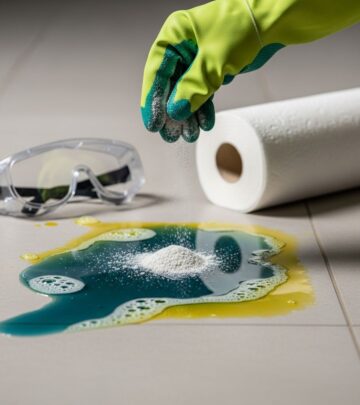
Address spills immediately to prevent staining. Keep cloths or paper towels nearby for quick cleanup. Most spills can be removed simply by wiping with a damp cloth.
Use Protective Measures
Prevent dirt and damage by using area rugs, runners, and furniture pads. These protective items minimize wear on high-traffic areas and reduce the amount of external dirt brought onto the floor.
Avoid Excess Moisture
While vinyl and linoleum can withstand moisture, excessive water is their enemy. Never allow standing water on your floors, and dry spills promptly to prevent seepage into seams.
Frequency of Deep Cleaning
For most households, deep cleaning vinyl and linoleum floors every three to six months maintains optimal appearance. High-traffic areas may need more frequent attention, while less-used spaces can be cleaned less often.
Frequently Asked Questions
Q: Can I use a steam mop on vinyl and linoleum floors?
A: No, steam mops should be avoided on vinyl and linoleum floors. The combination of heat and moisture can cause swelling, warping, and damage to these materials. Stick to traditional wet mopping methods with controlled moisture.
Q: How often should I deep clean vinyl or linoleum floors?
A: Most households benefit from deep cleaning these floors every three to six months, depending on traffic and lifestyle. Homes with pets or children may need more frequent cleaning, while quiet households can extend the interval.
Q: What’s the best homemade solution for vinyl and linoleum floors?
A: A mixture of one cup white vinegar to one gallon of warm water is highly effective and safe for both materials. For extra cleaning power without vinegar’s odor, combine a few drops of mild dish soap with water.
Q: Can I wax vinyl or linoleum floors?
A: Traditional waxing is not recommended for vinyl, as it can become slippery and difficult to clean. Some linoleum products may benefit from commercial linoleum-specific finishes, but always check manufacturer recommendations first.
Q: How do I remove pet accidents from these floors?
A: Clean the area immediately with enzymatic cleaners designed for pet messes. These break down organic materials effectively. For lingering odors, sprinkle baking soda, let sit overnight, then vacuum thoroughly.
Q: Are there any products I should absolutely avoid?
A: Yes, avoid bleach, ammonia, abrasive scrubbers, steam cleaners, oil-based products, and wax-based polishes. These can damage the floor’s surface, cause discoloration, or create safety hazards like slipperiness.
References
- Flooring America: Vinyl and Linoleum Care Guide — Flooring Manufacturers Association. 2024. https://www.flooring.org
- Resilient Floor Maintenance Best Practices — Resilient Floor Covering Institute. 2023. https://www.rfci.org
- Safe Cleaning Products for Resilient Flooring — U.S. Environmental Protection Agency. 2024. https://www.epa.gov/saferchoice
- Linoleum Floor Composition and Care — Forbo Flooring. 2024. https://www.forbo.com
- Understanding Vinyl Flooring Care and Maintenance — International Vinyl Flooring Association. 2023. https://www.ivfsia.org
Similar Articles


Read full bio of medha deb