How to Dispose of Cooking Oil: Safe Methods
Learn proper cooking oil disposal methods to protect your pipes and environment.
How to Dispose of Cooking Oil: A Complete Guide to Safe and Responsible Methods
Every household that cooks faces the question of what to do with used cooking oil. Whether you’ve finished deep frying a turkey, made a batch of crispy bacon, or completed a stir-fry dinner, the leftover cooking oil requires proper disposal. While pouring it down the drain might seem like the quickest solution, this approach creates significant problems for your plumbing, municipal water systems, and the environment. Understanding the proper methods for cooking oil disposal helps protect your home’s infrastructure while contributing to environmental conservation.
Cooking oil disposal is more than just a household convenience issue—it’s an environmental and infrastructure responsibility. According to the EPA, fats, oils, and grease (FOG) cause approximately 47% of sewer backups nationally, leading to expensive repairs and environmental damage. In 2014, London faced a particularly notorious problem when workers discovered a 15-ton clog in municipal pipes, dubbed the “fatburg,” composed primarily of accumulated cooking fats and oils. These examples illustrate why proper disposal methods matter for every household.
Why Proper Cooking Oil Disposal Matters
Understanding the consequences of improper oil disposal motivates better choices. Used cooking oil creates multiple problems when handled incorrectly:
Environmental Impact
When cooking oil enters waterways through improper disposal, it negatively affects aquatic ecosystems and wildlife. The EPA regulates cooking oil in the same manner as petroleum oil due to its environmental hazard classification. Oil forms a barrier on water surfaces that prevents oxygen exchange, harming aquatic organisms and disrupting natural ecosystems.
Plumbing Damage
Hot oil poured down drains initially flows easily, but as it cools, it solidifies and accumulates in pipes. Over time, this buildup restricts water flow, leading to clogs that require professional plumbing intervention. Small amounts of oil contribute to these problems gradually, making prevention essential.
Public Health Concerns
Improperly disposed cooking oil can contaminate groundwater and municipal water supplies. This contamination poses health risks to communities and increases water treatment costs for municipalities.
Best Methods for Disposing of Used Cooking Oil
Reuse Your Cooking Oil
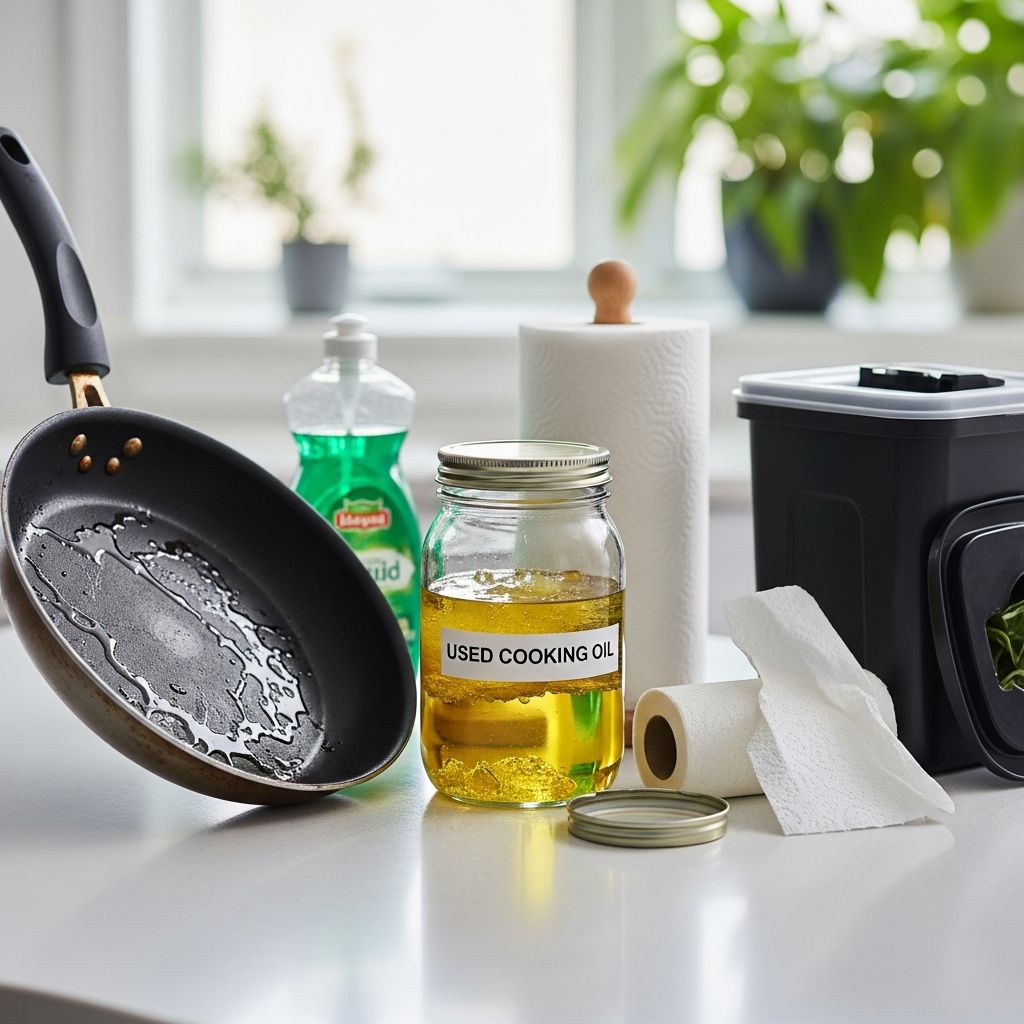
One of the most cost-effective and environmentally friendly options is reusing your cooking oil. After allowing the oil to cool completely in your pan, carefully strain out food scraps and debris using a fine-mesh strainer or cheesecloth, placing the solids in your compost bin. Pour the strained oil into a clean, sealable container for storage. Depending on the type of food cooked and cooking temperature, most household cooking oil can be reused two to four times before it becomes too degraded for cooking. This approach stretches your resources while reducing waste.
Take It to a Recycling Facility
Many communities offer year-round collection facilities for used cooking oil. These programs convert used oil into biodiesel fuel, a renewable energy source that reduces dependence on fossil fuels. To use this service, allow your oil to cool completely, pour it into a container with a secure lid (many people reuse the original oil container for this purpose), and transport it to your local collection site. The global market for used cooking oil reached approximately $686.61 million in 2022, demonstrating the significant value of this recycling commodity. Some recycling programs even report that cooking oil thieves target collection containers, recognizing the value of the material.
Contact Local Waste Management
Your municipality’s waste management or environmental department can provide information about local disposal options specific to your area. Disposal methods and regulations vary by location, so checking with local authorities ensures you follow proper guidelines. Many areas maintain lists of authorized collection points and may offer specialized household hazardous waste facilities.
Composting Small Amounts
For small quantities of cooking oil, you can incorporate it into your composting routine. Soak excess oil with paper towels and place the towels in your green compost bin. This method works particularly well for minimal amounts of oil and prevents it from reaching landfills or water systems. However, minimize the quantity added to compost, as excess oil can hinder airflow and disturb the microbial balance necessary for proper decomposition. Additionally, large amounts of oil in compost may attract pests and rodents.
What NOT to Do: Common Disposal Mistakes
Several disposal methods create serious problems and should be avoided entirely:
Never Pour Oil Down the Drain
This remains the most common and harmful mistake. Although hot oil flows easily down drains, it solidifies as it cools, creating blockages in your home’s plumbing and municipal sewer systems. These clogs lead to expensive plumbing repairs, sewage backups, and environmental contamination.
Avoid Dumping Oil Outdoors
Pouring cooking oil onto the ground, in storm drains, or onto city streets violates environmental protection laws and causes groundwater contamination. Oil penetrates soil and can reach underground water supplies, affecting water quality for entire communities.
Don’t Mix Oil with Other Waste
Combining cooking oil with general trash or recyclables contaminates recycling streams and complicates waste processing. Keep oil separate from other disposal items to maintain the integrity of recycling programs.
Don’t Ignore Small Amounts
Even small quantities of oil accumulate over time and contribute to plumbing and environmental problems. Never pour small amounts down the drain with the assumption that they won’t cause issues.
Proper Storage Before Disposal
How you store used cooking oil before disposal significantly impacts safety and effectiveness:
Use Sealed Containers
Always store used cooking oil in containers with secure lids. This prevents oxidation, which causes the oil to become rancid and develop unpleasant odors. Sealed containers also prevent pest attraction and reduce fire hazards associated with exposed oil.
Choose Appropriate Containers
Reusing the original cooking oil container works perfectly for storage. Alternatively, use plastic containers specifically designed for food storage with tight-fitting lids. Avoid metal containers, which can react with the oil over time.
Store in Cool, Dry Locations
Keep your stored oil away from direct sunlight and heat sources. Many people store containers under the kitchen sink or in a pantry until they accumulate enough for recycling or until disposal day arrives.
Monitor for Rancidity
Rancid oil develops when unsaturated fats react with oxygen in a process called oxidation. Signs of rancidity include unpleasant odors, dark discoloration, and unusual taste if the oil is still destined for reuse. Heat, light, moisture, and time all accelerate rancidity, so proper storage conditions extend oil quality.
Preparation Tips for Disposal
Strain Food Particles
Before storing or recycling oil, remove food debris using a fine strainer or coffee filter. Food particles decompose and accelerate rancidity, so removing them extends the oil’s usable life and improves recycling quality.
Allow Oil to Cool
Never attempt to transport or store hot oil. Allow it to cool completely in the cooking vessel before transferring to storage containers. Hot oil poses serious burn risks and can damage plastic containers.
Wipe Cookware First
Before washing pans and cookware, wipe them with paper towels or rags to remove excess oil and grease. This simple step reduces the amount of fat entering your plumbing system and decreases water usage during dishwashing.
Creative Uses for Used Cooking Oil
Beyond recycling into biodiesel, used cooking oil has several alternative applications:
Homemade Soap
Creative households can transform used cooking oil into homemade soap through saponification, a chemical reaction with lye. This craft project repurposes oil while creating useful household products.
Natural Pest Control
Some gardeners use diluted cooking oil as a natural pesticide for plants and gardens. The oil suffocates soft-bodied insects while posing minimal risk to beneficial organisms.
Machine and Tool Maintenance
Used cooking oil can lubricate machinery, tools, and equipment, though this application works best for light-duty applications rather than high-performance machinery requiring specialized lubricants.
Cooking Oil Disposal by Location Type
Urban and Suburban Areas
Residents in cities and suburbs typically have access to multiple disposal options, including municipal hazardous waste facilities, recycling collection sites, and restaurant partnerships. San Francisco, for example, operates Recology’s Household Hazardous Waste Facility, which accepts up to 10 gallons of used cooking oil per trip from residential customers with proof of residency. The facility operates Thursday through Saturday from 8 a.m. to 4 p.m.
Rural Areas
Rural residents may have fewer municipal options but can contact county waste management departments for guidance. Some rural areas feature seasonal collection events or mobile hazardous waste collection services. Composting and reusing oil become particularly practical for rural households with space for proper storage and composting systems.
Apartment Dwellers
Apartment residents should check with building management about oil disposal protocols and available facilities. Many apartment complexes partner with local recycling programs or maintain hazardous waste collection areas. Residents should never dispose of oil in common drains or building infrastructure without authorization.
Frequently Asked Questions
Q: Can I put cooking oil in the garbage disposal?
A: No. Garbage disposals are not designed to handle cooking oil and will contribute to clogs in your plumbing system. Oil solidifies as it cools and accumulates on disposal blades and drain pipes.
Q: How many times can I reuse cooking oil?
A: Most cooking oil can be reused two to four times, depending on the types of food cooked and cooking temperatures. Vegetable-based oils typically withstand more reuses than animal fats. Strain the oil carefully between uses and watch for signs of rancidity.
Q: What’s the difference between cooking oil and grease?
A: Cooking oil remains liquid at room temperature, while grease solidifies. Grease typically comes from meat cooking and requires different disposal methods—cool, place in a sealed container, and dispose with regular trash once solidified.
Q: Is used cooking oil worth money?
A: Yes. Used cooking oil has significant value for biodiesel production, which is why some facilities pay for large quantities. However, most residential programs accept oil for free, compensating through environmental benefits and fuel value.
Q: What should I do if I accidentally pour oil down the drain?
A: Flush the drain immediately with hot water, then follow with cold water to help move the oil through the system. For large quantities, contact a plumber. Enzymatic drain cleaners may help break down accumulated oil over time.
Q: Can I compost cooking oil?
A: Small amounts can be composted using absorbent materials like paper towels. However, excess oil hinders airflow and attracts pests, so use this method sparingly for minimal quantities only.
Q: How long can I store used cooking oil?
A: Properly stored oil in sealed containers kept away from heat and light can last several months. Check periodically for signs of rancidity before reusing or recycling.
Taking Action: Your Disposal Checklist
Follow this practical checklist when disposing of cooking oil:
Before Storage:
- Allow oil to cool completely in the cooking vessel
- Strain out food particles using a fine mesh strainer
- Transfer strained oil to a sealed container
- Label the container with the date stored
Before Disposal:
- Check for signs of rancidity (odor, discoloration, taste)
- Verify local disposal options and requirements
- Contact your local waste management department if unsure
- Locate the nearest recycling facility or collection site
During Disposal:
- Transport oil safely in sealed, upright containers
- Follow facility-specific guidelines and hours
- Bring proof of residency if required
- Ask staff about additional disposal services available
Conclusion
Proper cooking oil disposal protects your home’s plumbing, safeguards municipal water systems, and preserves environmental quality. With multiple disposal methods available—from reusing and recycling to composting small amounts—every household can handle used oil responsibly. By avoiding common mistakes like pouring oil down drains and taking time to store oil properly before disposal, you contribute to preventing costly infrastructure damage and environmental contamination. Start today by researching local disposal options in your area and establishing a household routine for managing used cooking oil. Your pipes, your community, and the planet will benefit from your responsible choices.
References
- Used Cooking Oil Disposal — San Francisco Public Utilities Commission. 2024. https://www.sfpuc.gov/learning/water-pollution-prevention/used-cooking-oil-disposal
- Recycle Cooking Oil into Fuel and Prevent Costly Sewer Clogs — SCARCE (Solid Waste Agency of Northern Cook County). 2016. https://www.scarce.org/recycle-cooking-oil-into-fuel-prevent-clogs/
- How To Dispose of Cooking Oil Properly — ACTenviro. 2024. https://www.actenviro.com/easy-ways-on-how-to-dispose-of-cooking-oil-safely/
- EPA: Fats, Oils, and Grease — United States Environmental Protection Agency. https://www.epa.gov/
Similar Articles








Read full bio of Sneha Tete