How to Distress Furniture: Complete DIY Guide
Master the art of furniture distressing with our comprehensive step-by-step guide to achieving that coveted shabby chic look.
How to Distress Furniture: Master the Art of Aging Your Pieces
Distressing furniture is a popular DIY technique that transforms ordinary pieces into beautiful, aged-looking statement pieces that add character and charm to any room. Whether you’re working with vintage finds from antique shops, family heirlooms, or thrift store treasures, distressing allows you to create a sophisticated shabby chic aesthetic that looks like the piece has been cherished for decades. This comprehensive guide will walk you through everything you need to know about distressing furniture, from preparation to finishing touches.
Understanding Furniture Distressing
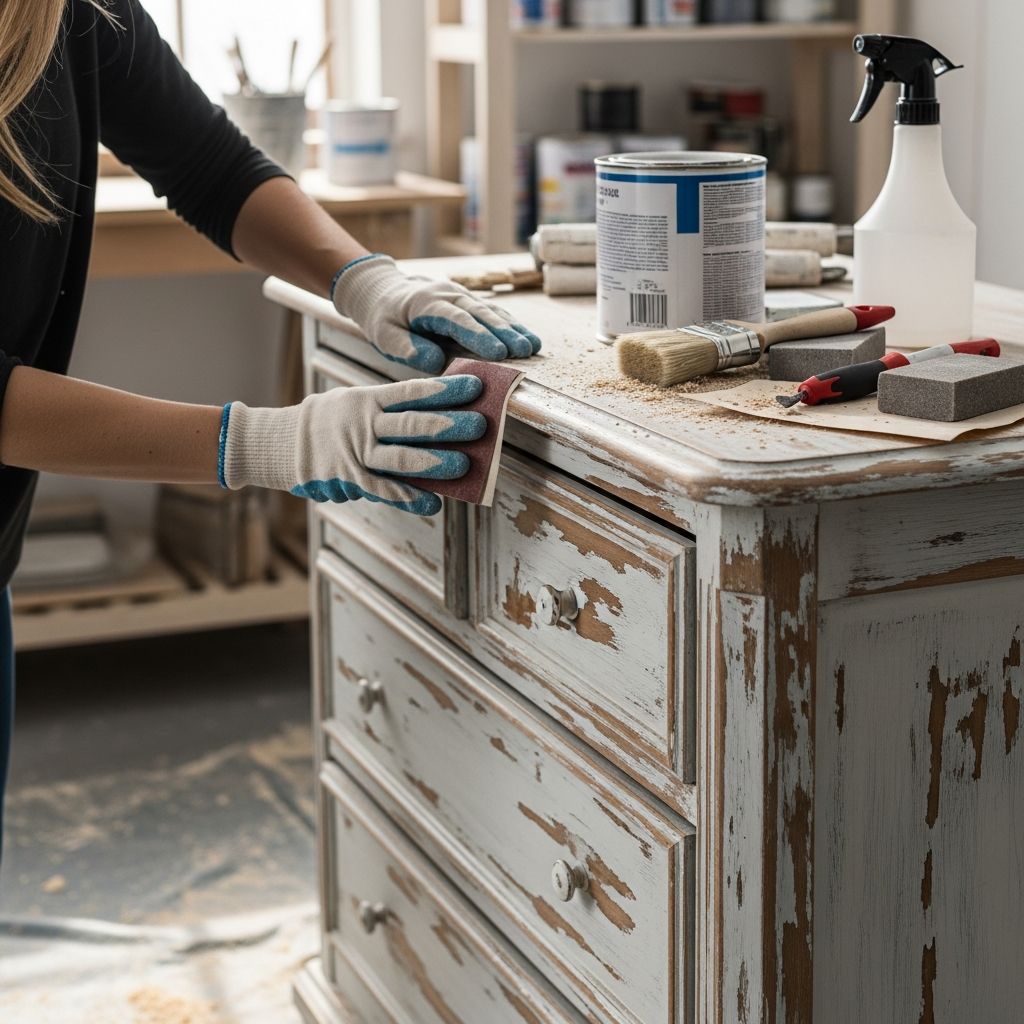
Furniture distressing is an artful technique that deliberately creates wear patterns, scratches, and a weathered appearance on painted furniture. Rather than attempting to preserve a pristine finish, distressing celebrates the beauty of age and imperfection. The goal is to make new furniture look authentically vintage or to enhance the character of older pieces. This technique works particularly well on wooden furniture with raised details, edges, and areas that would naturally receive more wear over time.
The beauty of distressing lies in its versatility. You can distress as much or as little as you desire, creating anything from subtle worn edges to heavily distressed farmhouse-style pieces. The process combines artistic vision with practical technique, allowing you to customize each piece to match your personal style and home décor.
Preparing Your Furniture for Distressing
Removing Hardware and Cleaning
Before beginning the distressing process, remove all hardware from your furniture piece, including handles, hinges, and decorative fixtures. While you can paint over hardware if desired, removing it makes the entire process easier and more efficient. Once the hardware is removed, thoroughly clean the furniture surface to remove dust, dirt, and debris that could interfere with paint adhesion.
Sanding and Priming
Proper surface preparation is crucial for achieving professional results. Old furniture often has thick varnish or finish layers that prevent new paint from adhering properly. Begin by sanding the entire piece with a palm sander, which professionals recommend as an essential tool for furniture painting. A palm sander provides better control and efficiency than hand sanding, particularly on larger surface areas.
After sanding, apply a quality primer to ensure proper paint adhesion and coverage. Primer is especially important when working with old furniture or when planning to use light-colored paint, as it helps block stains and creates a uniform base for your topcoat. Allow the primer to dry completely according to manufacturer instructions before proceeding to painting.
Painting Your Furniture
Choosing Paint and Applying Coats
Select a high-quality furniture paint suitable for your piece. For best results, apply at least two coats of paint, allowing adequate drying time between coats. After the first coat dries completely, apply your second coat. This layering technique creates depth and provides better coverage, which is essential for the distressing process to reveal attractive color variations.
For furniture that has been previously painted with oil-based products or has a laminated surface, light sanding before the first coat is recommended. Ensure that your first coat of paint cures for at least 24 hours before applying the second coat.
Three Essential Distressing Techniques
Professional distressers use three primary techniques to achieve authentic-looking aged furniture. Each method produces different effects and works best in different circumstances. Understanding each technique allows you to choose the approach that best suits your project and desired outcome.
Technique 1: Wet Distressing Method
Wet distressing is ideal for furniture with freshly painted surfaces and creates beautiful, natural-looking wear patterns. This technique works best when your final paint coat is still slightly tacky but dry to the touch.
Steps for wet distressing:
Gather your materials: a bucket of water, a lint-free rag or scouring pad, and your patience. Dampen your cloth with water—it should be wet but not dripping. Using gentle, back-and-forth motions, rub the wet cloth across the painted surface. Start with light pressure, as you can always apply more pressure to remove additional paint, but you cannot easily add paint back if you remove too much.
Alternatively, you can use wet/dry sandpaper instead of a cloth for more controlled distressing. Focus your distressing efforts on areas that would naturally experience wear and tear: edges, corners, and raised details. You can choose to distress only the edges for a subtle effect or work on flat surfaces as well for a more heavily aged appearance.
The timing of wet distressing is important—the longer you wait after painting, the harder the paint dries. If the paint has dried too hard, consider using the dry distressing technique instead. If you over-distress a section, simply apply another coat of paint and retry the distressing process.
Technique 2: Dry Distressing Method
Dry distressing works on fully cured paint and is the most common technique for achieving dramatic distressed effects. This method is ideal when you’ve waited too long for wet distressing or want more controlled, precise results.
Steps for dry distressing:
Allow your paint to cure completely—typically one hour for most furniture paint, though some finishes require longer. Once fully dry, you’re ready to begin sanding. Select appropriate sandpaper or sanding sponges for your project. Most professionals recommend starting with fine-grit sandpaper (typically 120-grit for moderate distressing). Fine-grit paper creates more natural-looking distressing compared to coarse-grit options.
If you want a more heavily distressed, rustic appearance, you can use rougher sandpaper grades like 80-grit. However, remember that coarser grits may look less natural and more artificial. Using a sanding sponge or block gives you better control over exactly where distressing occurs.
Concentrate your sanding on high-traffic areas and naturally worn spots: edges, corners, raised detailing, and surface peaks. Sand lightly with even strokes to create an authentic, gradual wear pattern rather than obvious sanding marks. As with wet distressing, you can remove as much or as little paint as desired—there’s no wrong answer, only your personal preference.
If you remove too much paint in any area, simply apply touch-up paint and allow it to cure completely before continuing.
Technique 3: Resist Distressing Method
Resist distressing uses a barrier medium to control exactly where paint removal occurs, creating highly artistic and predictable results. This advanced technique provides the most control over your final appearance.
Steps for resist distressing:
After your first paint coat has cured completely, apply a resist medium to specific areas of your piece where you want the second paint coat to come off easily. Popular resist mediums include beeswax distressing bars, clear wax, petroleum jelly, and candle wax. Gently rub the chosen medium onto areas that would naturally experience wear: edges, corners, and high-traffic zones.
Once your resist medium is applied, paint your second color coat over the entire piece, including the areas with the resist medium. The wax barrier prevents the paint from properly adhering in those areas. When the final coat dries, distress using either a wet rag or fine-grit sandpaper. In areas where the wax was applied, the second coat of paint will come off easily, revealing the contrasting first coat of paint underneath. This technique creates beautiful two-tone distressing effects perfect for shabby chic and farmhouse styles.
Distressing Best Practices and Tips
Natural Wear Pattern Placement
The most important principle in successful distressing is creating realistic wear patterns. Focus your efforts on areas that would naturally experience more wear over decades of use. Edges and corners of drawer fronts, handles, and raised details are excellent candidates for distressing. High points on decorative elements also age naturally as they receive more handling.
Tool Selection and Control
A palm sander is the gold standard for furniture distressing, offering superior control compared to hand sanding. When working with intricate details or carved elements, be especially careful to avoid over-distressing these areas. Light, controlled pressure yields more professional results than aggressive sanding.
Combining Techniques
For the most authentic aged appearance, consider combining multiple distressing methods. Use a wet rag on some areas and a sanding sponge on others to create varied textures and wear patterns. This mixed approach produces more natural, believable results that suggest genuine decades of use.
Finishing and Protecting Your Distressed Furniture
After completing your distressing, apply a protective topcoat to preserve your work and protect the furniture from daily wear. Polyurethane or furniture wax both work excellently for this purpose. A wax finish enhances the shabby chic aesthetic, while polyurethane provides more durability for pieces in high-traffic areas. Allow all finishes to cure according to product instructions before using your newly distressed furniture.
Common Distressing Mistakes to Avoid
Over-distressing is the most common mistake beginners make. Remember that you can always add more distressing, but removing excess distressed areas requires repainting. Start conservatively and build up the distressed effect gradually.
Using paint that hasn’t cured properly can result in the first coat also coming off when you attempt to distress. Always allow adequate drying time between coats and before beginning the distressing process.
Skipping the primer step often leads to poor paint adhesion and uneven coverage, which interferes with creating clean distressing lines. Primer is not optional, especially on older furniture with existing finishes.
Creative Distressing Ideas
Distressing works beautifully on various furniture pieces: dressers, nightstands, bookcases, chairs, tables, and more. Experiment with different color combinations—soft pastels with white reveal, bold jewel tones with cream, or classic cream with light gray all create stunning effects.
Consider distressing only specific elements like drawer fronts or a desk top for a subtle farmhouse aesthetic, or distress your entire piece for a heavily vintage, well-loved appearance. Your personal preference and room décor should guide your choices.
Frequently Asked Questions About Furniture Distressing
Q: How long does furniture paint need to cure before distressing?
A: Most furniture paint requires at least 24 hours for the first coat to cure before applying a second coat. For distressing, ensure your final paint coat is completely dry—typically one hour for most products, though some may require longer. Check your specific paint manufacturer’s recommendations.
Q: Can I distress furniture that’s already been painted?
A: Yes! Sand the existing paint lightly to ensure adhesion, then apply primer and your new paint color before distressing. The existing paint can actually create interesting effects when revealed through distressing.
Q: What grit sandpaper is best for distressing furniture?
A: Start with 120-grit for natural-looking distressing. For more dramatic, heavily distressed effects, use 80-grit or rougher. Finer grits (150+) create more subtle wear patterns. Adjust based on your desired final appearance.
Q: Is a palm sander necessary for distressing?
A: While not absolutely necessary, a palm sander provides superior control, efficiency, and professional results compared to hand sanding. It’s an excellent investment for anyone planning multiple distressing projects.
Q: Can I over-distress my furniture?
A: Yes, but don’t worry—simply apply another coat of paint to over-distressed areas and start the process again. Many experienced distressers consider “mistakes” as opportunities to create unique, artistic effects.
Q: What’s the best way to protect distressed furniture?
A: Apply polyurethane for durability in high-traffic areas, or furniture wax for a more authentic shabby chic finish. Both options protect your paint work and enhance the aged aesthetic.
Q: Can I distress furniture with intricate carvings or details?
A: Absolutely, but be extra careful with delicate details. Use light pressure and fine-grit sandpaper, and consider using a wet rag instead of a sander on detailed areas for better control and a more authentic appearance.
References
- Top 3 Paint Distressing Techniques — YouTube. Accessed 2025-12-03. https://www.youtube.com/watch?v=_2J5An4o9IY
- The Find & The Fix: How to Distress a Painted Dresser — HGTV. 2018-07-29. https://www.youtube.com/watch?v=2h_9Ablsqn4
- Distressing Tutorial — Harp Design Co. https://harpdesignco.com/blogs/blog/distressing-tutorial
Similar Articles





Read full bio of medha deb