How to Eliminate Basement Odor and Sewer Smells
Discover proven methods to banish musty basement odors and sewer smells for good.
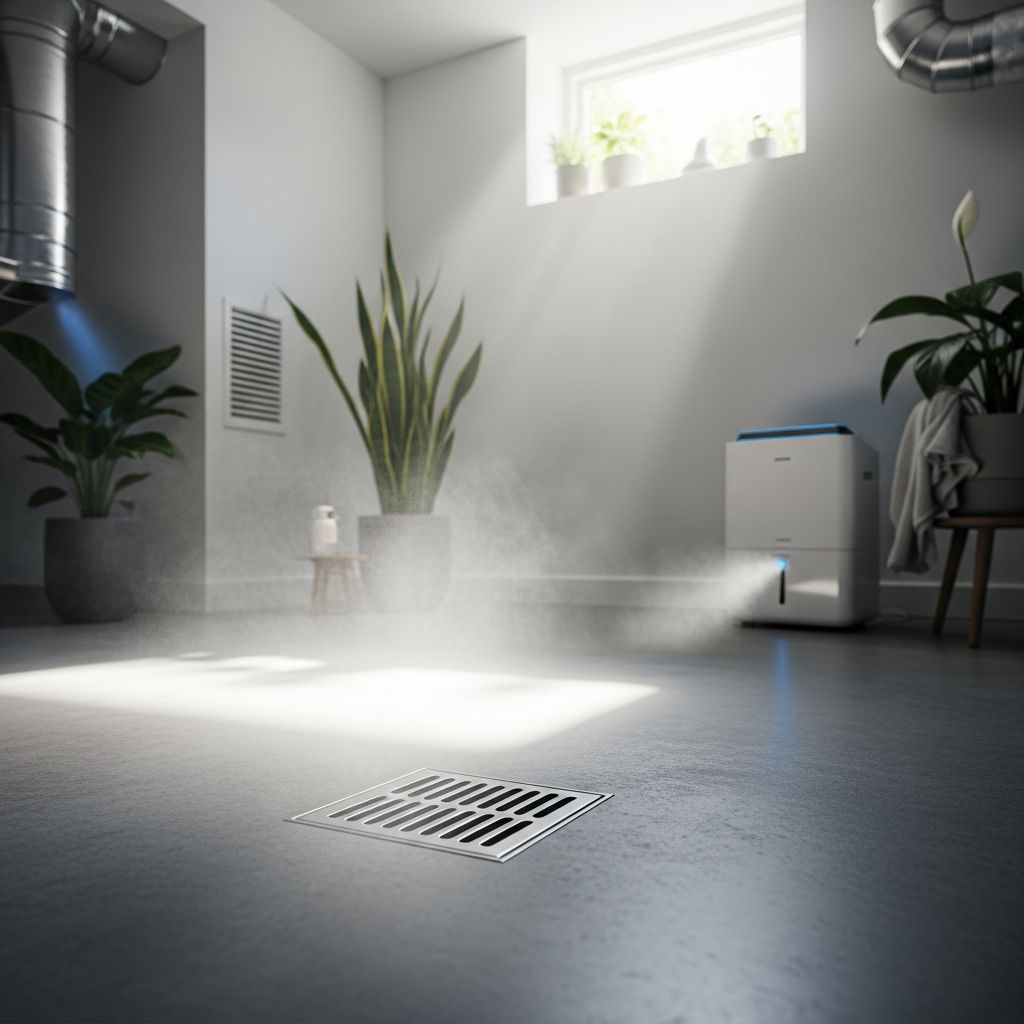
Basement odors and sewer smells can be more than just unpleasant—they can signal underlying problems that affect your home’s air quality and your family’s health. Whether you’re dealing with a musty basement or a persistent sewer stench, understanding the causes and solutions is essential. This guide covers everything you need to know to identify, treat, and prevent basement odors and sewer smells.
Understanding Basement Odors
Basement odors often stem from a combination of moisture, poor ventilation, and organic materials. The most common culprit is mold and mildew, which thrive in damp environments. Other sources include:
- Stagnant water
- Decomposing organic matter
- Plumbing leaks
- Animal droppings
- Old carpet or furniture
Identifying the source is the first step in eliminating the odor. Inspect your basement for visible signs of moisture, mold, or leaks. Use your nose to pinpoint the strongest smell, which can help you locate the problem area.
Common Causes of Sewer Smells
Sewer smells in the basement are usually caused by issues with the plumbing system. The most frequent sources include:
- Dry plumbing traps
- Clogged or damaged sewer vents
- Cracked sewer lines
- Improperly sealed drains
- Backed-up sewer lines
Plumbing traps are designed to hold water and block sewer gases from entering your home. If a trap dries out, sewer gases can escape, causing unpleasant odors. Sewer vents allow gases to escape outside, but if they’re clogged or damaged, gases can back up into your basement.
Step-by-Step Guide to Eliminating Basement Odors
1. Inspect for Moisture and Mold
Moisture is the primary cause of musty basement odors. Inspect your basement for:
- Water stains
- Peeling paint
- Condensation on walls or windows
- Visible mold or mildew
If you find moisture, address the source immediately. This may involve fixing leaks, improving drainage, or using a dehumidifier.
2. Clean and Disinfect
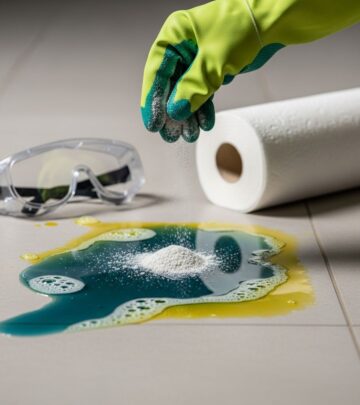
Once you’ve addressed the moisture issue, clean and disinfect the affected areas. Use a solution of water and bleach (1 cup bleach per gallon of water) to kill mold and mildew. For porous materials like drywall or carpet, consider professional cleaning or replacement.
3. Improve Ventilation
Good ventilation is key to preventing basement odors. Open windows and doors when weather permits, and use fans to circulate air. Consider installing a basement ventilation system or exhaust fan for continuous air exchange.
4. Use Dehumidifiers
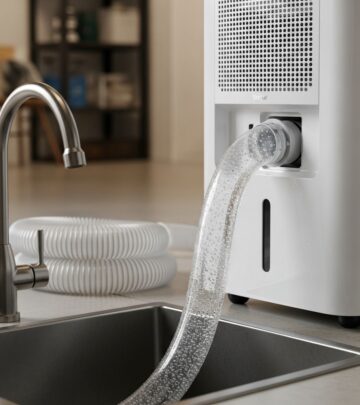
Dehumidifiers help control moisture levels and prevent mold growth. Place a dehumidifier in your basement and empty it regularly. Aim to keep humidity levels below 50%.
5. Seal Cracks and Gaps
Seal any cracks or gaps in walls, floors, and around pipes to prevent moisture and odors from entering your basement. Use caulk or expanding foam for small gaps, and consult a professional for larger repairs.
6. Remove Organic Materials
Remove any organic materials that could be contributing to the odor, such as old carpet, furniture, or stored items. Clean and dry these items before storing them in the basement.
Step-by-Step Guide to Eliminating Sewer Smells
1. Check Plumbing Traps
Plumbing traps are located under sinks, toilets, and floor drains. Pour water down each drain to refill the trap and block sewer gases. If the smell persists, the trap may be damaged or improperly installed.
2. Inspect Sewer Vents
Sewer vents are usually located on the roof. Inspect them for blockages, such as leaves, debris, or animal nests. Clear any obstructions to allow gases to escape outside.
3. Check for Cracked Sewer Lines
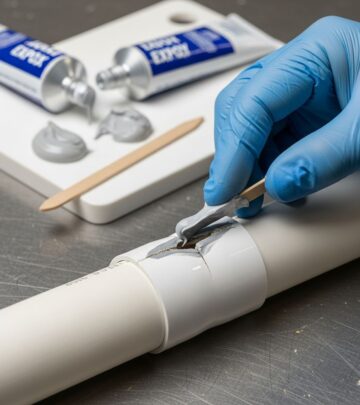
Cracked sewer lines can allow gases to escape into your basement. Look for signs of leaks, such as wet spots or foul odors near the foundation. If you suspect a cracked line, contact a plumber for inspection and repair.
4. Seal Drains
Improperly sealed drains can allow sewer gases to enter your basement. Check all drains for proper seals and replace any damaged or missing drain covers.
5. Address Backed-Up Sewer Lines
A backed-up sewer line can cause sewage to overflow into your basement. If you notice sewage backing up, contact a plumber immediately to clear the blockage and repair the line.
Preventing Basement Odors and Sewer Smells
Prevention is the best way to keep your basement odor-free. Follow these tips to maintain a fresh and healthy basement:
- Regularly inspect for moisture and leaks
- Keep the basement clean and dry
- Use dehumidifiers and ventilation systems
- Seal cracks and gaps
- Check plumbing traps and sewer vents regularly
- Remove organic materials and store items properly
When to Call a Professional
While many basement odor and sewer smell issues can be resolved with DIY methods, some situations require professional help. Contact a plumber or contractor if you experience:
- Severe or persistent odors
- Visible mold or mildew
- Signs of water damage or leaks
- Cracked or damaged sewer lines
- Backed-up sewer lines
FAQs
What causes musty basement odors?
Musty basement odors are usually caused by moisture, mold, and mildew. Poor ventilation and organic materials can also contribute to the smell.
How can I tell if my basement has a sewer smell?
A sewer smell is often described as a rotten egg or sewage odor. It’s usually strongest near drains, toilets, or floor drains.
Can I use bleach to eliminate basement odors?
Yes, a solution of water and bleach can help kill mold and mildew, but it’s important to address the underlying cause of the odor as well.
How often should I check my plumbing traps?
Check your plumbing traps every few months, especially if you notice any odors or if the basement is not used frequently.
What should I do if I suspect a cracked sewer line?
If you suspect a cracked sewer line, contact a plumber for inspection and repair. Do not attempt to fix it yourself.
Conclusion
Eliminating basement odors and sewer smells requires a combination of inspection, cleaning, and maintenance. By addressing the root causes and following these steps, you can keep your basement fresh and healthy. Regular prevention and prompt action are key to avoiding persistent odors and potential health risks.
References
- How to Get Rid of That Musty Smell in Your Basement — Family Handyman. May 14, 2020. https://www.familyhandyman.com/basement/how-to-get-rid-of-that-musty-smell-in-your-basement/
- Effective Strategies to Eliminate Sewer Odors in Your Basement for Good — Smart DHGate. https://smart.dhgate.com/effective-strategies-to-eliminate-sewer-odors-in-your-basement-for-good/
- Basement Mold and Moisture Control — U.S. Environmental Protection Agency. https://www.epa.gov/mold/basement-mold-and-moisture-control
Similar Articles








Read full bio of medha deb