How to Fix a Circuit Breaker That Keeps Tripping
Learn the causes and solutions for a tripping circuit breaker to keep your home safe and powered.
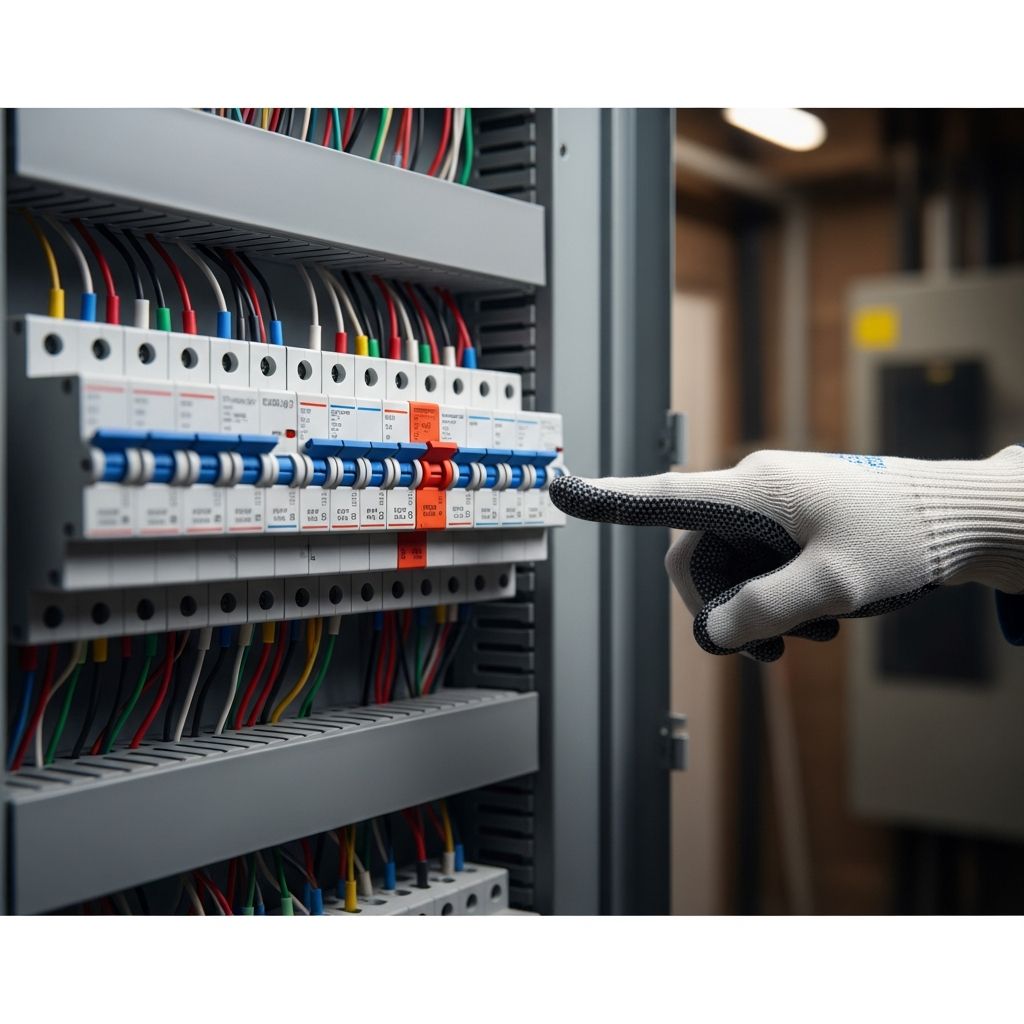
Dealing with a circuit breaker that keeps tripping can be frustrating and, if ignored, potentially dangerous. Circuit breakers are designed to protect your home’s electrical system by cutting off power when they detect unsafe conditions. Understanding why your breaker trips and how to fix it is essential for both safety and convenience. This guide covers the most common causes of tripping breakers, how to diagnose the problem, and the steps to resolve it.
Why Circuit Breakers Trip
Circuit breakers trip for several reasons, each indicating a different type of electrical issue. The three main causes are:
- Overloaded circuits
- Short circuits
- Ground faults
Each of these issues has distinct signs and requires a different approach to fix.
Overloaded Circuits
An overloaded circuit is the most common reason for a tripping breaker. This happens when the electrical demand on a circuit exceeds its capacity. For example, running multiple high-wattage appliances on the same circuit can cause an overload.
Signs of an overloaded circuit:
- Flickering or dimming lights
- Buzzing or humming sounds from outlets or switches
- Warm-to-the-touch wires or outlets
- Burning smells
- Overheated appliances
How to fix an overloaded circuit:
- Unplug some devices or appliances from the circuit.
- Redistribute high-power appliances across different circuits.
- Limit the simultaneous use of multiple appliances on the same circuit.
- Consider installing dedicated circuits for major appliances.
Short Circuits
A short circuit occurs when a hot wire comes into contact with a neutral wire, causing a large amount of current to flow. This can be dangerous and often results in a popping sound or a burnt smell.
Signs of a short circuit:
- Popping sound when the breaker trips
- Burnt smell near outlets or switches
- Visible damage to wires or outlets
How to fix a short circuit:
- Turn off the power to the affected circuit.
- Inspect outlets, switches, and wiring for visible damage.
- Replace any damaged components.
- If the problem persists, consult a licensed electrician.
Ground Faults
A ground fault happens when a hot wire touches a ground wire or a grounded part of the system, such as a metal box. This can also cause a significant current surge, leading to a tripped breaker.
Signs of a ground fault:
- Breaker trips when using appliances in wet areas (e.g., kitchen, bathroom)
- Visible damage to wiring or outlets
- Burning smell
How to fix a ground fault:
- Turn off the power to the affected circuit.
- Inspect outlets, switches, and wiring for visible damage.
- Replace any damaged components.
- If the problem persists, consult a licensed electrician.
Diagnosing a Tripping Circuit Breaker
Diagnosing the cause of a tripping breaker involves a systematic approach to identify the specific issue. Follow these steps:
- Identify the tripped breaker: Open your electrical panel and look for the breaker in the “off” or neutral position. It may also feel loose compared to the others.
- Check for overload: Determine if an overloaded circuit is an issue by unplugging or switching off some of the devices on the circuit. Reset the breaker by flipping it to the “off” position and back to the “on” position. If it stays on, the problem is likely an overload.
- Inspect for short circuits and ground faults: Look for signs of damage, such as burnt smells, visible damage to wires or outlets, or a popping sound when the breaker trips.
- Test appliances: Unplug all appliances and turn off switches on the circuit. Reset the breaker and observe if the short occurs immediately, which indicates a problem with the entire circuit or electrical system. If not, the issue is likely within a specific circuit. Systematically reconnect devices one at a time, waiting 2–3 minutes between each connection. When the breaker trips again, you will have identified the problematic appliance or circuit.
Preventing Circuit Breaker Trips
Preventing circuit breaker trips involves regular maintenance and safe electrical practices. Here are some tips:
- Redistribute high-power appliances across different circuits.
- Limit the simultaneous use of multiple appliances on the same circuit.
- Unplug devices that aren’t in use to reduce constant load.
- Consider installing dedicated circuits for major appliances.
- Regularly inspect outlets, switches, and wiring for signs of damage.
- Practice preventative maintenance, such as removing lint from the dryer after each load and cleaning appliances and their vents frequently.
When to Call a Professional
While some issues can be resolved with basic troubleshooting, there are situations where it’s best to call a licensed electrician:
- If the breaker continues to trip even after addressing potential overload issues.
- If you find visible damage to wiring or outlets.
- If you suspect a short circuit or ground fault.
- If you are unsure about any aspect of the electrical system.
FAQs
What causes a circuit breaker to trip?
A circuit breaker can trip due to an overloaded circuit, a short circuit, or a ground fault. Each of these issues has distinct signs and requires a different approach to fix.
How do I know if my circuit is overloaded?
Signs of an overloaded circuit include flickering or dimming lights, buzzing or humming sounds, warm-to-the-touch wires or outlets, burning smells, and overheated appliances.
Can a tripping breaker be dangerous?
Yes, a tripping breaker can be dangerous if it indicates an underlying electrical issue such as a short circuit or ground fault. Ignoring a consistently tripping breaker can lead to electrical damage or even fire.
How do I fix a tripping breaker?
To fix a tripping breaker, first identify the specific cause. For circuit overloads, redistribute high-power appliances across different circuits and limit simultaneous use. For short circuits and ground faults, inspect and replace any damaged components. If the problem persists, consult a licensed electrician.
When should I call an electrician?
You should call an electrician if the breaker continues to trip even after addressing potential overload issues, if you find visible damage to wiring or outlets, if you suspect a short circuit or ground fault, or if you are unsure about any aspect of the electrical system.
References
- Why Your Circuit Breaker Keeps Tripping & How to Fix It — GAC Services. 2023-04-15. https://gacservices.com/blog/why-circuit-breaker-tripping/
- Circuit Breaker Tripping? Find the Cause — AHS. 2023-03-20. https://www.ahs.com/home-matters/repair-maintenance/three-reasons-your-circuit-breaker-keeps-tripping/
- Why Your Breaker Keeps Tripping (And What To Do About It) — Mr. Appliance. 2021-10-15. https://www.mrappliance.com/blog/2021/october/why-does-my-appliance-keep-tripping-the-breaker-/
Similar Articles



Read full bio of Sneha Tete