Leaky Shower Head: 8 Easy DIY Repair Steps
Master DIY shower head repairs with our comprehensive guide to fixing leaks and improving water flow.
How to Fix a Leaky Shower Head: A Complete DIY Guide
A leaky shower head is one of the most common household plumbing problems, but the good news is that it’s often something you can fix yourself without calling a professional plumber. Whether water is dripping from the head itself, leaking at the base where it connects to the shower arm, or flowing unevenly from the nozzles, understanding the root cause and knowing the right repair techniques can save you money and frustration. This comprehensive guide will walk you through diagnosing the problem, gathering the necessary tools, and implementing effective solutions to restore your shower to working order.
Understanding Common Causes of Leaky Shower Heads
Before diving into repairs, it’s important to understand what typically causes a shower head to leak. The most common culprits include worn-out rubber washers and gaskets that have deteriorated over time, mineral buildup from hard water that prevents proper sealing, corroded or damaged O-rings, loose connections between the shower head and the shower arm, and cracks or damage to the shower head itself. By identifying which of these issues is affecting your shower, you can determine the best course of action for repair.
Essential Tools and Materials You’ll Need
Having the right tools on hand before you start makes the repair process much smoother and prevents frustration. Here are the essential items you should gather:
- Adjustable wrench: This versatile tool is essential for removing and reinstalling your shower head. An adjustable wrench accommodates different sizes without requiring multiple tools.
- Screwdrivers: Keep both flathead and Phillips head screwdrivers available for removing trim pieces and handles.
- Plumber’s tape (Teflon tape): This thin tape creates a waterproof seal on threaded connections and is crucial for preventing leaks at the base of the shower head.
- Rubber washers and gaskets: Stock up on various sizes of replacement washers and gaskets, as these are often the culprits in leaky shower heads.
- White vinegar or descaling solution: Essential for dissolving mineral buildup and hard water deposits that accumulate inside the shower head.
- Toothbrush or small cleaning brush: Perfect for scrubbing away stubborn debris and mineral deposits from the shower head nozzles.
- Cloth or rubber padding: Protects your shower head’s finish from damage caused by the wrench during removal and installation.
- Bucket or basin: Useful for soaking the shower head and catching any residual water during disassembly.
Step-by-Step Instructions for Fixing Your Leaky Shower Head
Step 1: Turn Off the Water Supply
Safety and practicality dictate that your first action should always be turning off the water supply. Look for a shut-off valve in your bathroom, typically located under the sink or near the shower fixture. If you can’t find a local valve, turn off the main water supply for your entire house. This prevents water from spraying everywhere during your repair work and makes the process much more manageable. Once you’ve turned off the valve, turn on your shower to confirm that water flow has stopped completely.
Step 2: Remove the Shower Head
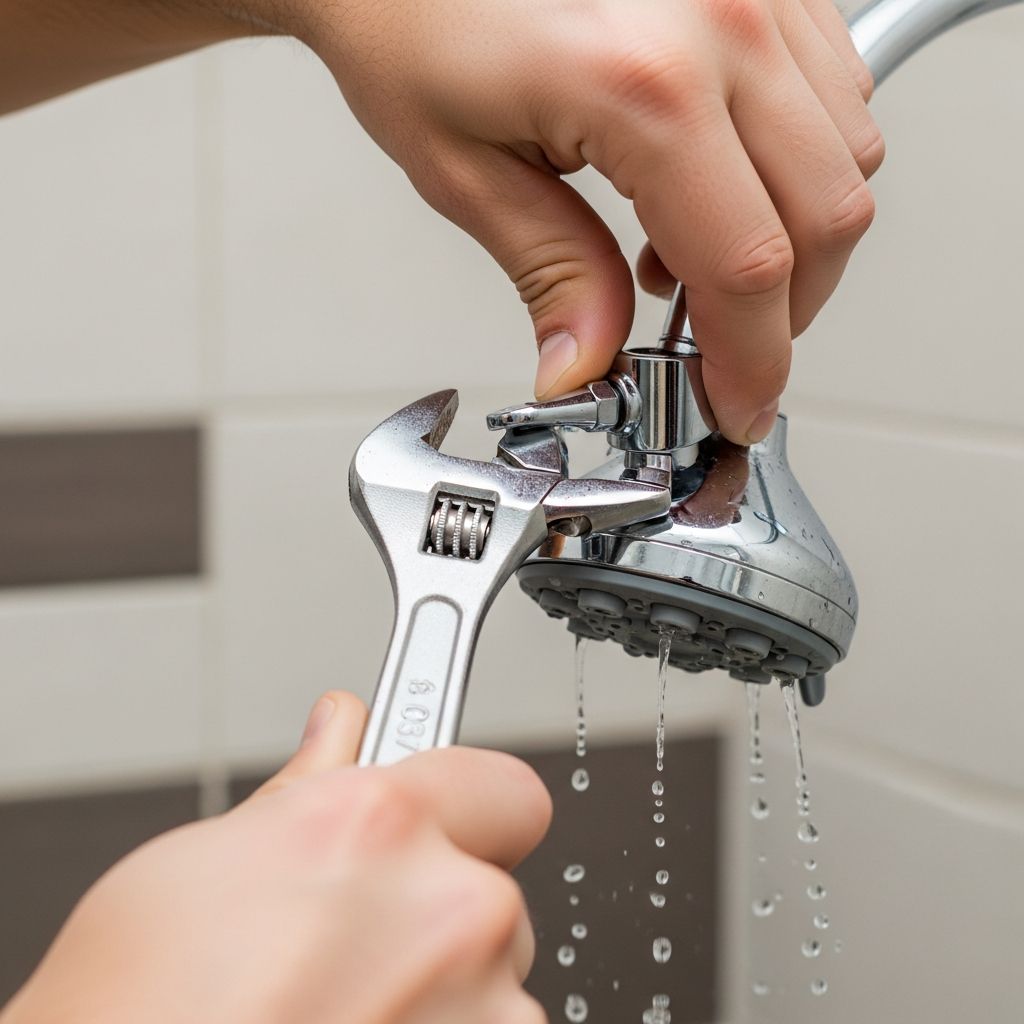
Using your hands, try to unscrew the shower head by turning it counterclockwise. Most shower heads have a textured grip designed specifically for hand-tightening and removal. If it’s too tight to turn by hand, wrap a cloth or rubber padding around the fitting to protect its finish, then use your adjustable wrench to carefully loosen it. Apply steady pressure without over-tightening, as this can damage the chrome or nickel plating. Once loose, you should be able to finish removing it by hand.
Step 3: Inspect the Components
Examine all the internal and external parts of your shower head carefully. Look specifically for worn or cracked rubber washers, damaged O-rings, mineral deposits, and corrosion. The rubber components typically deteriorate over time due to exposure to water and temperature changes. If you notice visible damage, cracks, or hard water buildup, these are your problem areas. Take note of the specific components that need attention so you can address them properly in the next steps.
Step 4: Clean and Descale the Shower Head
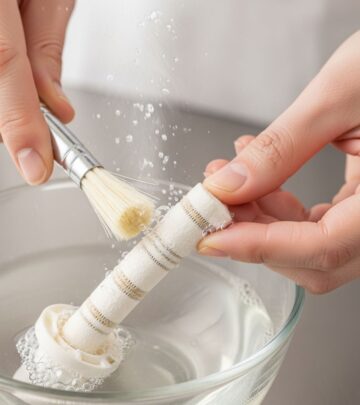
If mineral buildup is the culprit, cleaning is often all you need. Fill a bowl or bucket with white vinegar and submerge the shower head completely. Let it soak for at least one hour, or preferably overnight for stubborn mineral deposits. The acetic acid in vinegar dissolves calcium and lime buildup effectively. After soaking, use a toothbrush to gently scrub the nozzles and spray holes, working the brush in circular motions to dislodge remaining debris. Rinse thoroughly under clean running water and inspect to ensure all spray holes are now clear and unobstructed.
Step 5: Replace Damaged Seals and Washers
If cleaning alone doesn’t solve the problem, you’ll need to replace the damaged rubber components. Remove the old washers and gaskets carefully, noting their size and position so you can match them with replacements. Apply new rubber washers in the same locations, ensuring they sit flat and evenly. For O-rings, stretch them gently over the appropriate fitting to ensure they’re properly seated. These inexpensive replacements are often the difference between a leaking and a functioning shower head.
Step 6: Apply Plumber’s Tape to the Threads
Before reinstalling your shower head, prepare the shower arm threads for a watertight connection. Wrap plumber’s tape (also called Teflon tape) around the threads of the shower arm in a clockwise direction. Use two to three layers, being careful not to overlap too much or create bulk. This tape creates a critical seal that prevents water from leaking out at the connection point where the shower head meets the arm.
Step 7: Reinstall the Shower Head
Carefully thread the shower head back onto the shower arm by hand, turning it clockwise until it’s hand-tight. Once snug, use your adjustable wrench with cloth padding to tighten it further, but avoid over-tightening, which can damage the finish and create problems down the line. The goal is a secure, leak-free connection without excessive force.
Step 8: Test for Leaks
Turn the water supply back on and let it flow through your shower for several minutes. Observe both the shower head and the connection point at the base where it meets the shower arm. Check for any drips or water seeping from the connection. If water drips from the shower head nozzles when the shower is off, this indicates internal leakage that may require additional cleaning or component replacement. If the leak persists after these steps, you may need to disassemble again and repeat the cleaning process or replace additional internal components.
Addressing Specific Types of Leaks
Leaks at the Base of the Shower Head
When water drips from where the shower head connects to the shower arm, the problem is usually inadequate sealing tape or worn washers. Remove the shower head again, completely strip off the old tape using a cloth, and apply new plumber’s tape more generously. Ensure you’re wrapping in the correct direction (clockwise) and using two to three complete layers. If the leak continues after fresh tape application, the washer inside the shower head may be damaged and require replacement.
Weak Water Flow or Uneven Spray
This issue almost always indicates mineral buildup inside the shower head, particularly in hard water areas. The vinegar soaking method described earlier is highly effective for this problem. After soaking overnight, use a toothbrush to carefully clean each individual spray hole. Some stubborn deposits may require a thin wire or needle to gently clear blocked holes. Ensure each hole is completely clear before reinstalling the shower head.
Continuous Dripping When Shower Is Off
This frustrating problem suggests water is trapped inside the shower head and slowly leaking out. After removing the shower head, inspect the internal valve seat for debris or mineral buildup. Soak the head in vinegar and use a toothbrush to thoroughly clean this area. If the valve seat appears damaged or cracked, you may need to replace the entire shower head, as this component typically cannot be repaired.
Maintenance Tips to Prevent Future Leaks
Taking preventative measures can extend the life of your shower head and prevent future leaks. Perform a monthly inspection of your shower head for any signs of leaking or reduced water flow. Every month, soak your shower head in vinegar for at least one hour to prevent mineral buildup from accumulating. Gently wipe the exterior with a soft cloth to keep it looking clean and to spot any early signs of damage. If you have particularly hard water, consider installing a water softener or using a filter-equipped shower head to reduce mineral deposits. These proactive steps can save you significant time and frustration down the road.
When to Replace Your Shower Head
Despite your best repair efforts, some shower heads are beyond salvaging. If you discover visible cracks in the plastic or metal housing, if the spray pattern is severely compromised even after thorough cleaning, or if the leak persists after trying all repair methods, replacement may be your best option. Modern shower head replacements are affordable and often feature water-saving technology that can reduce your water consumption and lower your utility bills. Additionally, replacing an old, worn shower head can improve your daily shower experience significantly.
Common Mistakes to Avoid
Learning what not to do is just as important as knowing what to do. Avoid using excessive force when tightening connections, as this can crack components and cause more damage. Don’t forget to turn off the water supply before starting—this oversight leads to unnecessary water waste and makes the job much messier. Never use harsh chemical cleaners on rubber components, as these can degrade and crack the material faster. Avoid wrapping plumber’s tape in the counterclockwise direction, which is ineffective. Finally, don’t assume that over-tightening will improve the seal; in fact, it often makes problems worse by damaging threads and washers.
Frequently Asked Questions
Q: How long should I soak my shower head in vinegar?
A: Soak your shower head in white vinegar for at least one hour for light mineral buildup, but overnight soaking (8-12 hours) is recommended for stubborn deposits in hard water areas.
Q: Can I use a regular wrench instead of an adjustable wrench?
A: While a regular wrench works, an adjustable wrench is more versatile and convenient since shower head sizes vary. Always use a cloth or rubber padding with any wrench to protect the finish.
Q: What’s the difference between O-rings and washers?
A: Washers are flat rubber discs that create a seal at connection points, while O-rings are circular rubber rings that fit around fittings. Both seal against water leakage but serve slightly different purposes in the shower head assembly.
Q: How often should I clean my shower head preventatively?
A: In areas with hard water, clean your shower head monthly with vinegar to prevent mineral buildup. In areas with soft water, cleaning every three months is usually sufficient.
Q: Is it normal for water to drip from the shower head for a few seconds after turning off the shower?
A: Minor dripping for a few seconds is normal as trapped water drains from the head. However, continuous dripping or significant leaking indicates a problem requiring repair.
Q: Should I replace my shower head if I can’t fix the leak?
A: If the leak persists after cleaning, replacing seals, and reapplying tape, replacement is the best option. Modern shower heads are affordable and often more water-efficient than older models.
Q: Can I use plumber’s putty instead of plumber’s tape?
A: No, plumber’s tape is specifically designed for threaded connections on pipes and shower heads, while putty is better for sealing drain openings. Always use the appropriate sealant for your application.
Q: What should I do with the old shower head after removal?
A: Most old shower heads can be recycled as metal and plastic. Check with your local recycling center for proper disposal, or save it as a spare for future use if it’s still functional.
References
- DIY Shower Repair Guide: How to Easily Fix Common Shower Problems — StarBath. 2024. https://starbathus.com/blogs/news/diy-shower-repair-guide-how-to-easily-fix-common-shower-problems
- How to Fix a Leaky Showerhead: DIY Steps — Cactus Plumbing and Air. 2024. https://cactusplumbingandair.com/how-to-fix-leaky-showerhead/
- How to Fix Common Shower Head Problems — Lowe’s Home Improvement. 2024. https://www.lowes.com/n/how-to/fix-shower-head-problems
- Shower Head Replacement Guide — iFixit Repair Guides. 2024. https://www.ifixit.com/Guide/Shower+Head+Replacement/37591
- DIY Showerhead Replacement Guide — Frost & Kretsch Plumbing. 2024. https://fkplumbing.com/diy-showerhead-replacement-guide/
Similar Articles



Read full bio of Sneha Tete