How to Fix Common Air Conditioning Repairs Yourself
Master DIY air conditioning repairs with expert guidance on troubleshooting and maintenance.
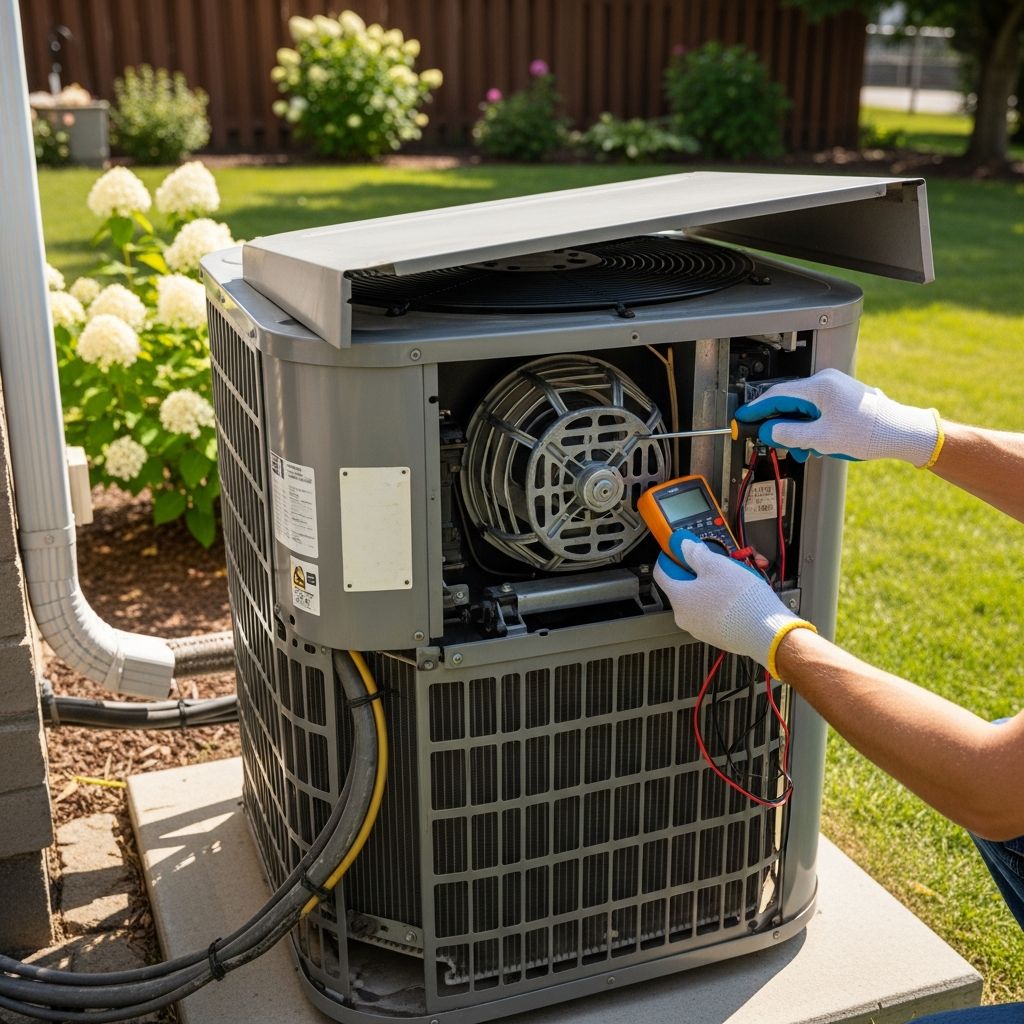
When your air conditioning system fails during a sweltering summer day, waiting for a professional technician can feel unbearable. However, many common AC problems can be diagnosed and fixed by homeowners without specialized training. Understanding which repairs you can safely tackle and which require professional expertise is essential for maintaining your cooling system’s efficiency and your family’s comfort. This comprehensive guide covers the most frequent air conditioning issues, practical solutions, and maintenance tips to keep your system running smoothly.
Understanding Your Air Conditioning System
Before attempting any repairs, it’s important to understand the basic components of your air conditioning system. Residential AC units typically consist of an indoor evaporator coil, an outdoor condenser unit, a compressor, a thermostat, filters, and ductwork. The system works by circulating refrigerant through these components to absorb heat from inside your home and release it outside. Regular maintenance and proper care of these components can prevent many common failures and extend your system’s lifespan.
Regular Maintenance: The Foundation of AC Health
One of the most overlooked aspects of air conditioning care is regular maintenance. Many homeowners neglect their AC systems until they stop working entirely, which can lead to catastrophic failures. Dirty coils represent one of the most common maintenance issues. Over time, dust, debris, and allergens accumulate on the evaporator and condenser coils, restricting airflow and forcing your system to work harder. This buildup can cause multiple problems including high head pressure, which overworks the compressor and can eventually lead to complete compressor failure—one of the most expensive repairs you can face.
To maintain clean coils, inspect them quarterly and clean them annually. For window units, you can access the coils more easily. For central systems, the indoor coils are typically located in your furnace or air handler, which may require professional access. Additionally, ensure your outdoor condenser unit remains free from vegetation, debris, and obstructions. A clearance of at least two feet around the unit on all sides promotes proper airflow and prevents the system from overworking.
Filter Replacement: Simple But Critical
Changing your air filter is perhaps the easiest and most impactful maintenance task you can perform. Despite its simplicity, many homeowners neglect this crucial step, resulting in reduced cooling efficiency and increased strain on your system’s components. A clogged filter restricts airflow throughout your home, forcing your indoor blower motor to work harder than necessary and reducing the amount of cool air reaching your living spaces.
Most standard filters should be replaced every three months, though this may vary depending on factors such as pets, allergies, and overall air quality in your home. If you have pets that shed heavily or someone in your household has severe allergies, monthly replacement might be necessary. High-efficiency filters may last longer but typically cost more. When replacing your filter, ensure you install it with the arrow pointing in the correct direction—toward the furnace or air handler—and verify that the filter fits snugly without air gaps around the edges.
Addressing Insufficient Cooling and Airflow Issues
If your air conditioner is running but not cooling your home adequately, several factors could be responsible. Start by checking your thermostat settings and ensuring it’s set to cool mode with a temperature lower than your current room temperature. Next, inspect your air filter—a clogged filter is the most common cause of insufficient cooling. If the filter is clean and your thermostat is set correctly, check for blocked or closed vents throughout your home. Furniture, drapes, or other objects covering vents can significantly reduce cooling efficiency.
Another common cause is improper thermostat usage. Many homeowners practice what technicians call “hot pulldowns,” where they allow their home to reach extremely hot temperatures—the high 80s or 90s—before turning on their air conditioner. This forces your system to work at maximum capacity, consuming excessive electricity and overworking every major component. Instead, set your thermostat to around 78 degrees during the day and adjust it lower only when necessary. This moderate approach allows your system to operate at its most efficient set point, reducing energy consumption and extending equipment life.
Thermostat Troubleshooting and Replacement
Your thermostat is essentially the brain of your air conditioning system, controlling when and how hard your unit works. If your AC isn’t responding to thermostat adjustments, several issues could be at play. First, ensure your thermostat has fresh batteries if it’s battery-powered. Many thermostats stop functioning simply because the batteries have died. Next, verify that the thermostat is set to cool mode and that the temperature setting is lower than the current room temperature.
If your thermostat still isn’t working, it might need recalibration or replacement. While some thermostat adjustments are straightforward, replacing a thermostat yourself requires caution. Incorrectly connecting wires during thermostat replacement can result in blowing a 3-amp fuse in your control board or even burning out the entire control board—an expensive repair. If you decide to replace your thermostat, carefully label each wire before disconnection, follow the manufacturer’s instructions precisely, and consider consulting a professional if you’re unsure about any step in the process.
Refrigerant and Pressure Issues
Refrigerant is the lifeblood of your air conditioning system, and improper refrigerant levels can significantly impact cooling performance. However, diagnosing and fixing refrigerant problems typically requires professional expertise and specialized equipment. Low refrigerant usually indicates a leak somewhere in the system, which must be located and repaired before simply adding more refrigerant. Attempting to handle refrigerant yourself can be dangerous, as it requires proper certification and equipment.
High head pressure, often caused by dirty coils or improper airflow, is something you can sometimes prevent through regular maintenance. By keeping your coils clean and your filters changed regularly, you reduce the likelihood of pressure-related issues. If you suspect refrigerant problems, it’s best to contact a licensed HVAC technician who can safely diagnose and repair the issue.
Compressor Problems and Prevention
The compressor is your air conditioning system’s most expensive component, and preventing compressor failure should be a priority. Compressor problems often result from neglected maintenance that allows the system to overwork. Dirty coils cause high head pressure, forcing the compressor to labor harder. Clogged filters reduce airflow and increase strain. Low refrigerant forces the compressor to run longer to achieve cooling. All of these conditions can ultimately lead to compressor burnout.
While you can’t repair a failed compressor yourself, you can take preventive measures. Maintain regular coil cleaning, replace filters on schedule, avoid hot pulldowns, and ensure your outdoor unit has proper clearance and ventilation. These simple maintenance steps can add years to your compressor’s life and save you thousands in replacement costs.
Window Air Unit Specific Issues
Window air conditioning units have unique maintenance and repair considerations. These units are more accessible than central systems, allowing for easier maintenance. Common problems include dirty filters, blocked air intake vents, and loose mounting. Regularly clean the filter in your window unit—often more frequently than central system filters due to their smaller size. Ensure the unit is properly mounted and sealed to prevent warm air from leaking around the edges. If your window unit isn’t cooling effectively, check that it’s level and that all vents are unobstructed.
When to Call a Professional
While many maintenance tasks and simple repairs can be done by homeowners, certain situations absolutely require professional intervention. Complex electrical work, refrigerant handling, compressor issues, and anything involving your system’s control board should be left to licensed technicians. Additionally, if your AC stops working entirely and basic troubleshooting doesn’t resolve the issue, professional diagnosis is necessary. Many DIY attempts at complex repairs can cause more damage, creating expensive problems that wouldn’t have occurred with professional service from the start.
It’s also important to recognize that while numerous DIY videos are available online, some information can lead to complete system damage, personal injury, or even death. Always prioritize safety over cost savings. A trained HVAC professional has the knowledge, tools, and certifications to handle repairs safely and correctly.
Energy Efficiency and Cost Savings
Proper air conditioning maintenance and repair not only keeps your system running—it also reduces your energy bills. A well-maintained AC system operates more efficiently, consuming less electricity to achieve the same cooling. By keeping filters clean, coils unobstructed, and your thermostat set to reasonable temperatures, you can reduce your cooling costs by 10-15% annually. Over the lifespan of your system, these savings can be substantial.
Seasonal Preparation
Before the cooling season begins, perform a comprehensive maintenance check. Have your system professionally inspected and serviced if it hasn’t been maintained in the past year. Replace or clean filters, verify thermostat operation, and ensure outdoor units are clear of debris. This proactive approach prevents breakdowns during peak summer demand when HVAC technicians are busiest and emergency repair fees are highest.
Common Air Conditioning Problems and Solutions Table
| Problem | Likely Cause | DIY Solution | Professional Help Needed |
|---|---|---|---|
| Unit Won’t Turn On | Power issue, thermostat problem | Check power, reset thermostat | If issue persists |
| Insufficient Cooling | Clogged filter, dirty coils | Replace filter, clean coils | If coils require professional cleaning |
| High Energy Bills | System overworking, poor settings | Adjust thermostat, maintain system | Professional tune-up recommended |
| Strange Noises | Debris, loose parts, compressor issue | Clear outdoor unit of debris | If noises continue after cleaning |
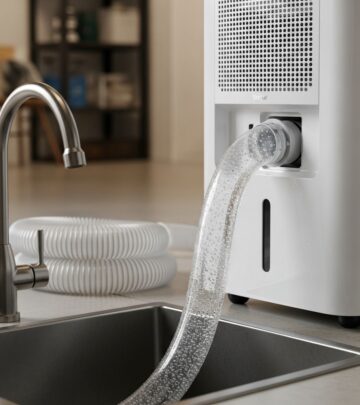
| Leaking Water | Blocked drain, clogged filter | Clear drain line, replace filter | If drain is severely blocked internally |
Frequently Asked Questions
Q: How often should I replace my air filter?
A: Most standard filters should be replaced every three months. However, if you have pets or allergies, you may need to replace them monthly. Check your filter monthly and replace it when it appears dirty or clogged.
Q: Can I clean my AC coils myself?
A: Window unit coils can often be cleaned by homeowners using appropriate tools and coil cleaner. However, indoor evaporator coils in central systems are typically inaccessible without dismantling the unit. Outdoor condenser coils can often be cleaned carefully with a hose, but avoid high-pressure washing which can damage fins.
Q: What temperature should I set my thermostat to?
A: The EPA recommends setting your thermostat to 78 degrees when you’re home and awake for optimal balance between comfort and energy efficiency. You can set it lower when needed, but this ideal setting reduces strain on your system.
Q: Is it dangerous to handle refrigerant myself?
A: Yes. Refrigerant handling requires EPA certification and specialized equipment. Improper handling can cause injury and environmental damage. Always leave refrigerant work to licensed professionals.
Q: How can I tell if my compressor is failing?
A: Signs of compressor problems include the unit running but not cooling, unusual noises from the outdoor unit, or the system shutting off frequently. These issues require professional diagnosis and repair.
Q: What’s the most important AC maintenance task?
A: Changing your air filter regularly is the single most important maintenance task. This simple step prevents numerous problems and maintains efficiency. Beyond that, keeping your outdoor unit clear and having professional maintenance annually are essential.
References
- HVAC-R Instructor in Family Handyman Magazine Regarding Tips for Troubleshooting Air Conditioners at Home — San Joaquin Valley College. Retrieved from https://www.sjvc.edu/blog/hvac-r-instructor-in-family-handyman-magazine-regarding-tips-for-troubleshooting-air-conditioners-at-home/
- ENERGY STAR: Tips to Save Money and Energy at Home — U.S. Environmental Protection Agency. 2024. Retrieved from https://www.energystar.gov/
- Cooling Your Home Efficiently — U.S. Department of Energy. 2024. Retrieved from https://www.energy.gov/energysaver/cooling-your-home-efficiently
- Air Conditioner Maintenance and Repair Safety Guidelines — Occupational Safety and Health Administration (OSHA). Retrieved from https://www.osha.gov/
Similar Articles



Read full bio of medha deb