How to Fix a Smelly Dishwasher: Complete Guide
Eliminate dishwasher odors with proven methods: cleaning, maintenance, and prevention tips.
A foul-smelling dishwasher can transform your kitchen from a pleasant cooking space into an unpleasant environment filled with undesirable odors. Whether you describe the smell as similar to a wet dog or sulfur-like, dishwasher odors are one of the most commonly reported issues in households today. The good news is that these smells are entirely preventable and fixable with the right approach and understanding of what causes them in the first place.
Dishwashers are incredibly convenient appliances that save us time and effort in the kitchen. However, when they start emitting foul odors, they become more of a problem than a solution. Understanding the root causes of these smells and knowing how to address them will help you maintain a fresh-smelling kitchen and ensure your dishes come out clean and odor-free every time.
Understanding the Root Causes of Dishwasher Odors
Before you can effectively eliminate dishwasher odors, it’s important to understand what causes them in the first place. The primary culprits behind most dishwasher smells are mold, mildew, and bacteria. These microscopic organisms thrive in warm, moist environments, and your dishwasher provides the perfect breeding ground for them.
Your dishwasher’s interior is filled with nooks, crannies, and hard-to-reach areas where food particles, grease, and soap residue accumulate over time. These trapped materials provide an ideal food source for mold, mildew, and bacteria to colonize and multiply. As these organisms grow and break down the organic material, they release sulfurous gases and other volatile compounds that create the distinctive unpleasant smells.
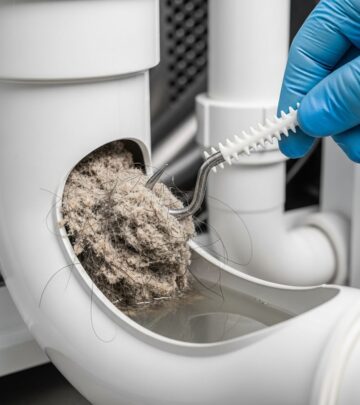
Additionally, the drain system of your dishwasher can become clogged with debris, preventing proper water drainage. When water sits stagnant in the drain or sump area, it creates an anaerobic environment where bacteria flourish and produce odor-causing compounds. Poor drain installation or kinked drain hoses can also contribute to standing water and subsequent odor problems.
Step 1: Deep Clean the Interior
The first and most essential step in eliminating dishwasher odors is to perform a thorough deep cleaning of the interior. This process removes the buildup that gives mold, mildew, and bacteria a place to thrive.
Manual Cleaning Process
Start by removing the racks from your dishwasher to access all interior surfaces. Take a sponge soaked in warm soapy water and carefully clean every surface inside the dishwasher, paying special attention to the corners, crevices, and along the door seals where debris commonly accumulates. Use an old toothbrush to scrub around the spray arms and the edges of the door gasket where mold and mildew often hide.
Don’t overlook the dishwasher door itself. The inside of the door, including the rubber seal and the edges, should be thoroughly cleaned as these areas trap moisture and organic debris. Wipe down the walls and floor of the dishwasher chamber, making sure to remove any visible buildup or discoloration.
Cleaning the Filter
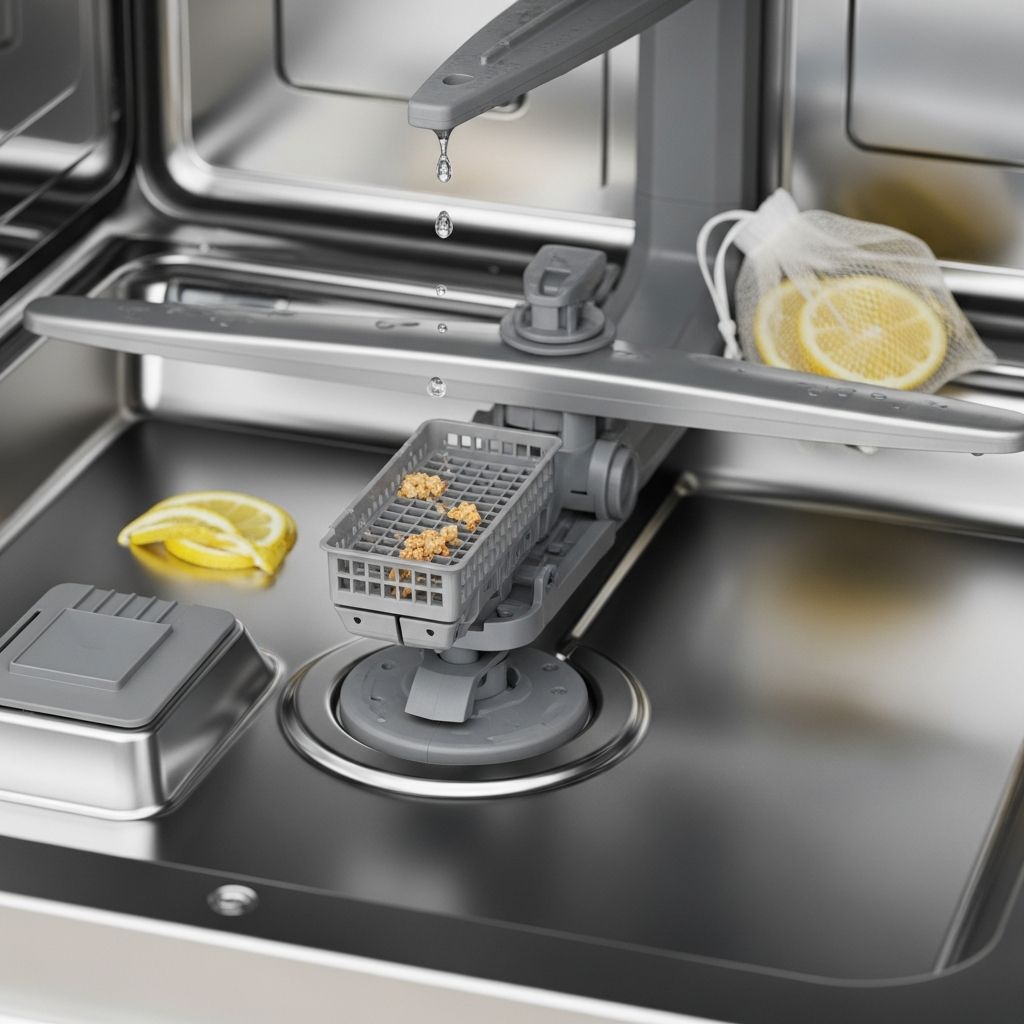
Your dishwasher’s filter is one of the most critical components to maintain. Most modern dishwashers are equipped with filters that trap food particles and prevent them from clogging the spray arms and drain system. Over time, these filters become clogged with debris and can become breeding grounds for odor-causing bacteria.
Locate your dishwasher’s filter by consulting your user manual or performing a quick search for your specific dishwasher model online. Most filters are located at the bottom of the dishwasher and can be easily removed by twisting or unlatching. Once removed, rinse the filter under running water and use a soft brush or old toothbrush to scrub away any stubborn debris. Clean your filter at least once a month, though more frequent cleaning may be necessary depending on your dishwasher usage.
Step 2: Use Vinegar for Acid-Based Cleaning
After manually cleaning your dishwasher, the next step is to run a cleaning cycle using white vinegar. Vinegar is an inexpensive and effective natural cleaner that works particularly well at removing scale buildup and mineral deposits inside your dishwasher.
How to Run a Vinegar Cleaning Cycle
Place a glass or small bowl filled with white vinegar upright on the top rack of your dishwasher. Make sure the container is stable and won’t tip over during the wash cycle. Run your dishwasher on a regular or normal cycle with hot water. The vinegar will distribute throughout the interior of the dishwasher and help dissolve mineral deposits, soap scum, and other residues that contribute to odors.
Vinegar is particularly effective at breaking down scale and mineral buildup that can trap bacteria and food particles. However, it’s important not to overuse vinegar or run vinegar cycles too frequently, as excessive acid can potentially damage the rubber components and seals inside your dishwasher over time.
Alternative Commercial Dishwasher Cleaners
If you prefer a commercial solution, dishwasher cleaning tablets specifically designed for this purpose are available on the market. Products like Affresh or other brand-name dishwasher cleaners are formulated to work similarly to vinegar but may provide more concentrated cleaning power. Follow the manufacturer’s instructions when using these products, as they typically involve placing the tablet in a specific location and running the dishwasher empty through a complete cycle.
Step 3: Consider Caustic Cleaners When Necessary
If acid-based cleaners like vinegar don’t fully resolve your dishwasher odor problem, you may need to switch to a more powerful cleaning agent with caustic properties. Bleach and trisodium phosphate (TSP) are strong alkaline cleaners that are more effective at destroying biofilms and other organic growth that is often the root cause of persistent dishwasher odors.
Using Bleach Safely
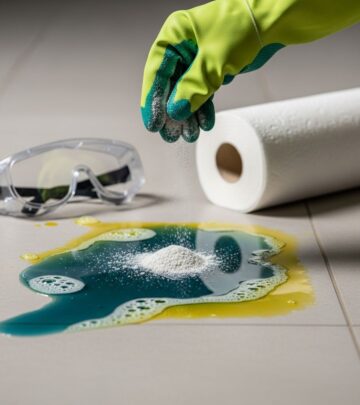
Bleach is extremely effective at killing bacteria, mold, and mildew. To use bleach for cleaning your dishwasher, place a cup of bleach in a bleach dispenser cup (if your dishwasher has one) and run an empty cycle. Never mix bleach with other cleaners or vinegar, as this can create dangerous chemical reactions. Additionally, never run bleach with the racks inside, as it can damage the rubber coating on the racks. Always ensure good ventilation when using bleach and follow safety precautions outlined on the product label.
While vinegar is good at removing mineral deposits and scale, bleach excels at destroying the biofilms and organic growths that are truly responsible for creating foul odors. If your dishwasher continues to smell despite vinegar treatments, a bleach cycle may be exactly what you need.
Step 4: Inspect and Correct the Drain System
A properly functioning drain system is crucial for preventing odors from developing in your dishwasher. Many dishwasher odor problems stem from improper drain installation or drainage issues rather than inadequate cleaning.
Understanding the Drain Line Installation
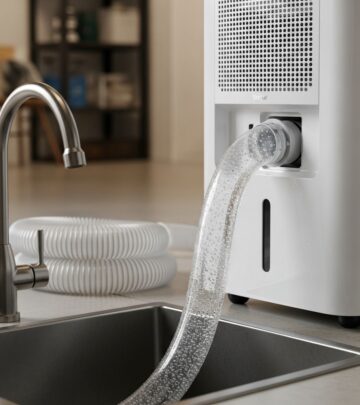
Your dishwasher typically pumps its wastewater through a flexible tube that connects either to the pipes underneath your kitchen sink or to your garbage disposal. This drain line must be installed with a proper high loop to prevent siphoning and backflow of dirty wastewater into the dishwasher.
A high loop is created by securing a portion of the drain line to the top of the cabinet above your kitchen sink using a zip tie or other fastener. This ensures that the drain line is positioned higher than the water level in the sink or garbage disposal, preventing contaminated water from flowing back into the dishwasher between cycles. Without a proper high loop, standing water and debris can sit in the drain line, creating ideal conditions for bacterial growth and foul odors.
The Air Gap Solution
In addition to a proper high loop, you may want to consider installing an air gap if you don’t already have one. An air gap is a small device typically installed on the counter or sink that provides a physical break in the drain line, ensuring that dirty wastewater cannot flow back into the drain line under any circumstances. Air gaps are actually required by plumbing code in some areas and are highly recommended for preventing backflow and odor issues.
Checking for Kinked or Clogged Drain Hoses
If you’ve cleaned your dishwasher thoroughly and it still smells, the problem may be a kinked or clogged drain hose. Pull out your dishwasher and inspect the drain hose for any kinks, twists, or damage that could restrict water flow. Even a slight kink can prevent proper drainage and lead to standing water and odor development. If you find a kinked hose, carefully straighten it. If the hose is damaged or cannot be straightened, it may need to be replaced.
Step 5: Prevention and Ongoing Maintenance
Once you’ve eliminated the odors from your dishwasher, implementing preventive measures will help ensure the problem doesn’t return.
Open the Door Immediately After Washing
One of the most effective preventive measures is to open your dishwasher door as soon as the cycle completes. This allows moisture to escape and prevents the warm, damp environment that encourages mold and mildew growth. If you have a dishwasher with a drying cycle, ensure this feature is enabled to help dry the interior more thoroughly.
Pre-rinse Your Dishes
Pre-rinsing your dishes before placing them in the dishwasher helps prevent excessive food debris from accumulating in the sump and drain areas. While modern dishwashers don’t require pre-washing, a quick rinse to remove large food particles can significantly reduce the organic material available for bacterial growth. This is particularly important for dishes with egg residue, as some homeowners report that putting dishes with egg residue into the dishwasher can trigger strong sulfur-like smells.
The Egg Residue Consideration
Many people have reported that putting dishes with egg residue into the dishwasher causes distinctive sulfur odors to develop. While the exact scientific explanation isn’t entirely clear, it appears there may be a reaction between certain detergents and the sulfur compounds naturally present in eggs. If you notice your dishwasher smelling particularly bad after washing dishes used for cooking or eating eggs, try hand-washing those specific items instead to see if this resolves your issue.
Regular Maintenance Schedule
Establish a regular maintenance routine to keep your dishwasher odor-free. Clean the filter at least once a month, wipe down the interior surfaces quarterly, and run a vinegar cleaning cycle every few months. This preventive approach will help eliminate odor-causing buildup before it becomes a problem.
When to Call a Professional
If you’ve tried all of these methods and your dishwasher still produces foul odors, it may be time to call a professional appliance repair service. There could be underlying mechanical issues such as a failed pump, a broken valve, or significant corrosion inside the dishwasher that requires professional diagnosis and repair. A professional can also help you determine if there are issues with your home’s plumbing that are contributing to the problem.
Frequently Asked Questions
Q: How often should I clean my dishwasher filter?
A: You should clean your dishwasher filter at least once a month. However, if you use your dishwasher frequently or notice it’s not draining properly, clean it more often. A clogged filter is one of the primary sources of dishwasher odors.
Q: Is vinegar or bleach better for cleaning a smelly dishwasher?
A: Both have their purposes. Vinegar is excellent at removing mineral deposits and scale, while bleach is more effective at destroying biofilms and organic growth. If vinegar doesn’t eliminate the smell, try a bleach cycle. Never mix these two cleaners.
Q: Can I leave my dishwasher door open all the time to prevent odors?
A: While leaving the door open helps with moisture evaporation, it’s not practical as a permanent solution. Instead, open the door immediately after each cycle completes and ensure your dishwasher has a drying cycle enabled.
Q: Why does my dishwasher smell like sulfur or rotten eggs?
A: Sulfur smells typically come from bacterial growth in the drain or sump area, or from dishes with egg residue. Some people find that avoiding putting dishes with egg residue in the dishwasher helps eliminate this specific odor.
Q: How do I know if my drain line is installed correctly?
A: A properly installed drain line should have a high loop that secures a portion of the line to the top of the cabinet above your sink. This prevents backflow of dirty water into the dishwasher. If you’re unsure, consult your dishwasher manual or call a plumber.
Q: Can a kinked drain hose cause dishwasher odors?
A: Yes, absolutely. A kinked or restricted drain hose prevents proper water drainage, leading to standing water and bacterial growth. Check your drain hose regularly and straighten any kinks you find.
References
- How to Fix a Smelly Dishwasher — Family Handyman. Accessed 2025-12-03. https://www.familyhandyman.com/project/how-to-fix-a-smelly-dishwasher/
- How to Fix a Smelly Dishwasher — YouTube. 2023-05-09. https://www.youtube.com/watch?v=0yOQVkW70ig
- How do I get an awful, rotten smell out of my dishwasher? — iFixit. Accessed 2025-12-03. https://www.ifixit.com/Answers/View/97657/How+do+I+get+an+awful,+rotten+smell+out+of+my+dishwasher
Similar Articles


Read full bio of Sneha Tete