How to Get Ink Out of Clothes: Complete Stain Removal Guide
Expert methods to remove ink stains from any fabric type quickly and effectively.
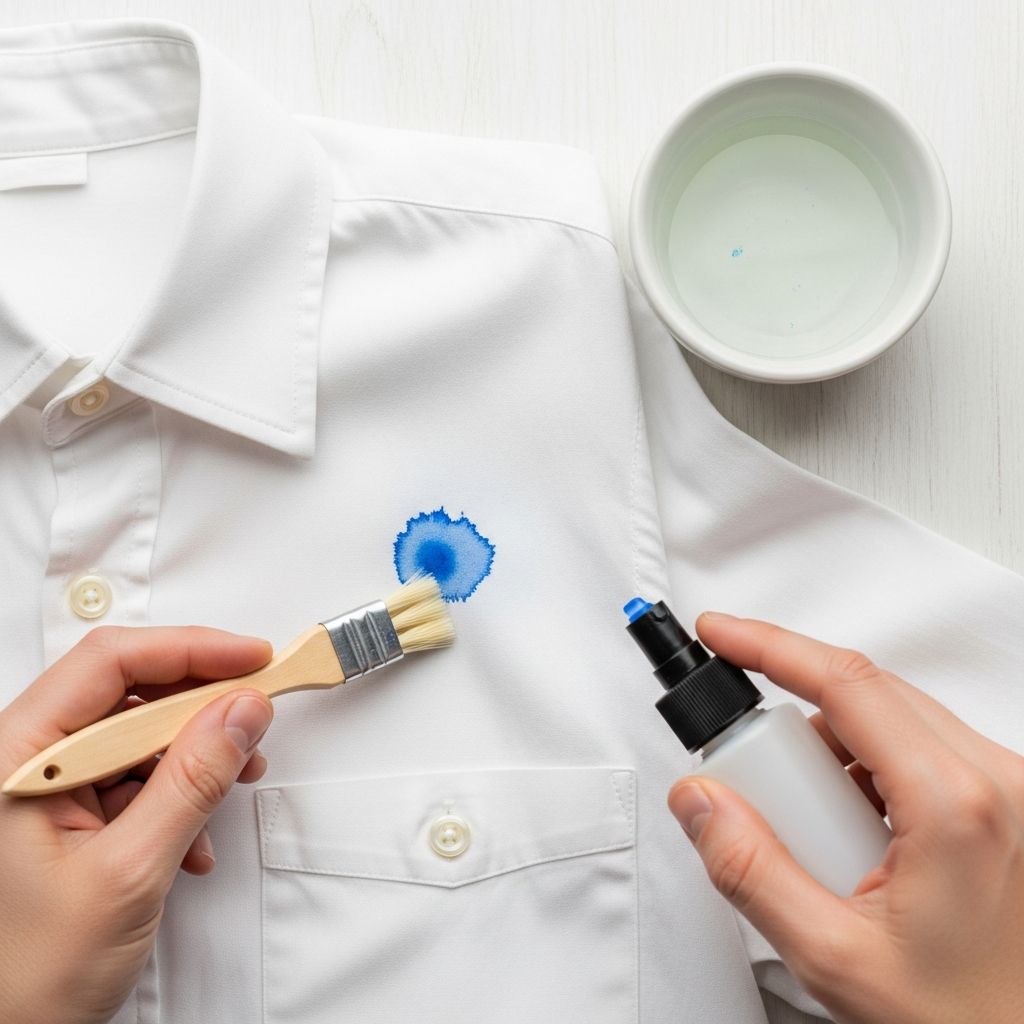
Ink stains on clothing can be frustrating, but with the right approach and quick action, you can restore your garments to their original condition. Whether you’ve encountered a pen leak, accidental marker mark, or any other ink mishap, knowing the proper removal techniques makes all the difference. This comprehensive guide walks you through immediate action steps, proven removal methods, and fabric-specific solutions to tackle ink stains effectively.
What to Do Immediately After Getting Ink on Clothes
The first few minutes after discovering an ink stain are critical. Taking swift, deliberate action significantly increases your chances of completely eliminating the stain before it becomes permanent. The key is to avoid common mistakes that can set the stain deeper into the fabric.
Immediate Steps to Follow
Begin by gently blotting the stain with a clean cloth or paper towel to remove excess ink without pushing it further into the fibers. Resist the urge to rub, as this spreads the ink across a larger area and embeds it deeper into the fabric. Use a dabbing motion instead, working from the outer edges toward the center of the stain.
Next, rinse the affected area with cold water. Cold water helps prevent the ink from setting into the fibers, while hot water can actually cause stains to become permanent. Hold the fabric under running cold water or use a cloth dampened with cold water to flush away loose ink particles.
What NOT to Do
Avoid these common mistakes that can worsen ink stains:
- Never rub the stained area, as this spreads the ink and drives it deeper into fabric fibers
- Don’t use hot water or apply heat, which can set the stain permanently
- Avoid throwing the garment in the dryer before treating the stain, as heat will lock it in
- Don’t use bleach on colored fabrics, as it may cause discoloration
Proven Methods for Removing Ink Stains
Once you’ve taken initial action, several effective methods can remove ink stains depending on the type of ink and your available household supplies.
Rubbing Alcohol Method
Rubbing alcohol is one of the most effective solvents for dissolving ink stains. The alcohol breaks down the ink’s chemical composition, making it easier to remove from fabric fibers.
Steps:
- Place a paper towel under the stained area to catch excess liquid
- Apply rubbing alcohol directly to the stain using a cotton ball or eyedropper
- Gently dab the stain with a clean white cloth, working from the outside edges inward
- Replace the cloth as it absorbs ink
- Rinse thoroughly with cold water
- Repeat if necessary before washing normally
Hair Spray Method
For many fabric types, alcohol-based hair spray provides an effective ink stain solution. The alcohol content works similarly to rubbing alcohol but is often readily available at home.
Steps:
- Test the hair spray on an inconspicuous area first to ensure it won’t affect fabric color
- Lay the garment over clean paper towels
- Spray the stain directly with alcohol-based hair spray
- Let it sit for a few minutes to break down the ink
- Gently blot with a fresh, damp white cloth
- Rinse with cold water and wash as normal
White Vinegar and Soap Solution
This gentle yet effective method works well for many fabric types. Soak the garment in a solution of one-half teaspoon clear dish soap, one tablespoon of white vinegar, and one quart of warm water for at least 30 minutes. After soaking, rinse with clean water and air dry. If the stain persists, dab with rubbing alcohol before washing.
Cornstarch Paste Method
A natural approach to ink stain removal involves creating a paste from cornstarch and water. Apply a thick paste directly to the stain, let it dry completely, then brush off the residue and rinse with cold water. This method is particularly gentle on delicate fabrics.
Milk Soak for Delicate Fabrics
For silk, wool, and other delicate materials, a milk soak offers a gentle yet effective solution. The proteins in milk help break down ink without damaging sensitive fibers. Simply soak the stained area in a bowl of milk for several hours or overnight, then rinse with cold water and launder as usual.
Hand Sanitizer Solution
In a pinch, alcohol-based hand sanitizer can remove ink stains similarly to rubbing alcohol. Apply it directly to the stain, let it sit briefly, then blot and rinse with cold water.
Fabric-Specific Ink Stain Removal Techniques
Different fabrics require different approaches to prevent damage while effectively removing stains.
Cotton and Linen
Cotton and linen are relatively durable fabrics that tolerate most ink removal methods well. Apply hand sanitizer or alcohol-based perfume directly to the stain after wiping it with a clean cloth. After a few minutes, gently blot and rinse with cold water, then launder normally. You can also use the rubbing alcohol or hair spray methods described above.
Silk and Wool
These delicate materials require gentler handling to avoid damage. Gently blot the stain with a damp cloth without rubbing. For silk and wool, consider using a solution of white vinegar and water, dabbing it gently on the stain. Test any solution on a hidden area first. After treatment, rinse thoroughly with cold water and air dry. Milk soaks also work wonderfully for these fabrics.
Polyester and Nylon
For synthetic fabrics, stretch the stained area over the mouth of a jar or glass to keep it taut, then slowly drip rubbing alcohol through the stain. This allows the ink to drip into the container below rather than spreading further into the fabric. Test for colorfastness first, rinse well, and repeat if necessary before air drying.
Chenille Fabric
Chenille requires special care due to its delicate pile. Treat ink stains on chenille while still wet by soaking in the white vinegar and soap solution (one-half teaspoon clear dish soap, one tablespoon white vinegar, and one quart warm water) for 30 minutes. Rinse and air dry. If the stain persists, test rubbing alcohol on a hidden area first, then dab gently before washing.
Corduroy
Corduroy’s napped surface requires gentle treatment. Begin by soaking the item in the white vinegar and soap solution for at least 30 minutes. Rinse with clean water and air dry. If the stain remains, test rubbing alcohol on an inconspicuous area for colorfastness before dabbing gently, then wash normally.
Velvet
Velvet is exceptionally delicate and demands careful handling. First, check the garment’s care label. Soak the velvet item for 30 minutes in a solution of one-half teaspoon clear dish soap and one tablespoon white vinegar mixed in one quart warm water. Rinse with cool water and repeat if necessary. For stubborn stains, test rubbing alcohol on a hidden area first, then dab gently with a moistened cloth before air drying.
Wool Garments
Treat wool ink stains as quickly as possible, preferably before drying. Check the care label first, then use a clean white cloth soaked in cool water to lift the stain. If it persists, spray with hair spray and blot with a fresh white cloth. You can also use a soft-bristled toothbrush dipped in a 50/50 solution of water and white vinegar, gently scrubbing the area. Dab with cold water and blot dry with a clean cloth.
Removing Water-Based Ink Stains
Water-based ink stains are often easier to remove than permanent ink. Blot the stain with warm water and laundry detergent. After soaking the fabric for a while, rinse thoroughly and wash in the washing machine using settings appropriate for the fabric type. In many cases, this simple approach is sufficient.
Removing Pen Ink from Clothes
Ballpoint and gel pen ink typically responds well to rubbing alcohol treatment. Using a cotton ball soaked in rubbing alcohol, gently dab the stain until the ink begins to transfer to the cotton. Continue with fresh cotton balls until no more ink transfers. Rinse the area with cold water, then wash the item and inspect before drying.
Can You Remove Dried Ink Stains?
Yes, dried ink stains can be successfully removed with the correct approach. Begin by applying rubbing alcohol or a commercial pre-treatment stain remover to the affected area. Gently blot and soak in cold water for 30 to 60 minutes to loosen the dried ink. After soaking, repeat the rubbing alcohol application and blotting process before washing normally. While more challenging than fresh stains, dried ink can often be completely eliminated with patience and persistence.
Solvent Options for Ink Stain Removal
When treating ink stains, you have several solvent options:
| Solvent | Effectiveness | Accessibility | Best For |
|---|---|---|---|
| Rubbing Alcohol | Excellent | Very Common | Most fabric types and ink |
| Hair Spray (alcohol-based) | Excellent | Very Common | General fabrics |
| Acetone/Nail Polish Remover | Excellent | Common | Durable fabrics only |
| Hand Sanitizer | Good | Very Common | General fabrics |
| White Vinegar Solution | Good | Very Common | Delicate fabrics |
| Milk | Good | Very Common | Silk and wool |
Important Testing Steps
Always test any stain removal solution on a hidden area of the garment first. This is especially important with solvents like rubbing alcohol, hair spray, and acetone, which can affect fabric dyes and cause discoloration. Apply the solution to an inconspicuous area (like an inside seam or hem) and wait a few minutes. If there’s no color change or damage, proceed with treating the visible stain.
Frequently Asked Questions About Ink Stain Removal
Q: How do you remove dried ink stains from clothes?
A: Apply rubbing alcohol or a commercial ink stain remover to the affected area, then gently blot and soak in cold water for 30 to 60 minutes. Repeat the process if necessary, then wash normally. For stubborn dried stains, you may need to repeat the treatment multiple times.
Q: Does white vinegar remove ink stains?
A: Yes, white vinegar can help remove ink stains when combined with water and dish soap. Soak the garment in a solution of one-half teaspoon clear dish soap, one tablespoon white vinegar, and one quart warm water for 30 minutes. You can also apply a 50/50 vinegar and water solution directly to the stain and let it sit for 5 minutes before blotting.
Q: Can you use nail polish remover on ink stains?
A: Yes, acetone (nail polish remover) effectively removes permanent ink stains. However, always test it on a hidden area first, as acetone can damage certain fabrics or affect their color. Use it cautiously and only on durable fabrics.
Q: What should I use instead of rubbing alcohol?
A: Alternatives to rubbing alcohol include alcohol-based hair spray, hand sanitizer, vodka, or a white vinegar and water solution. Hair spray is particularly effective for many fabric types and is often readily available at home.
Q: How can I remove ink from delicate fabrics without damage?
A: For delicate fabrics like silk and wool, use gentler methods such as a milk soak, white vinegar and water solution, or cornstarch paste. Always test any solution on a hidden area first. Avoid rubbing, which can damage delicate fibers. Air dry rather than using heat.
Q: Why shouldn’t I use hot water on ink stains?
A: Hot water can cause ink stains to set permanently into fabric fibers by opening the fibers and allowing the ink to penetrate deeper. Always use cold water for initial treatment and rinsing to prevent this from happening.
References
- Best Ways on How to Remove Ink Stains from Clothes — Love2Laundry. Accessed 2025-12-03. https://www.love2laundry.nl/blog/how-to-remove-ink-stains-from-clothes/
- How to Get Ink Out of Clothes: Stain Removal Guide — Tide. Accessed 2025-12-03. https://tide.com/en-us/how-to-wash-clothes/how-to-remove-stains/ink-stains
- The RIGHT Ways to Remove Ink Stains from Clothes & Fabric — Art is Fun. Accessed 2025-12-03. https://www.art-is-fun.com/remove-ink-stains
Similar Articles



Read full bio of Sneha Tete