How To Get Oil Stains Out Of Clothes: Expert Methods
Master the art of removing oil stains from your favorite clothes with proven methods and expert tips.
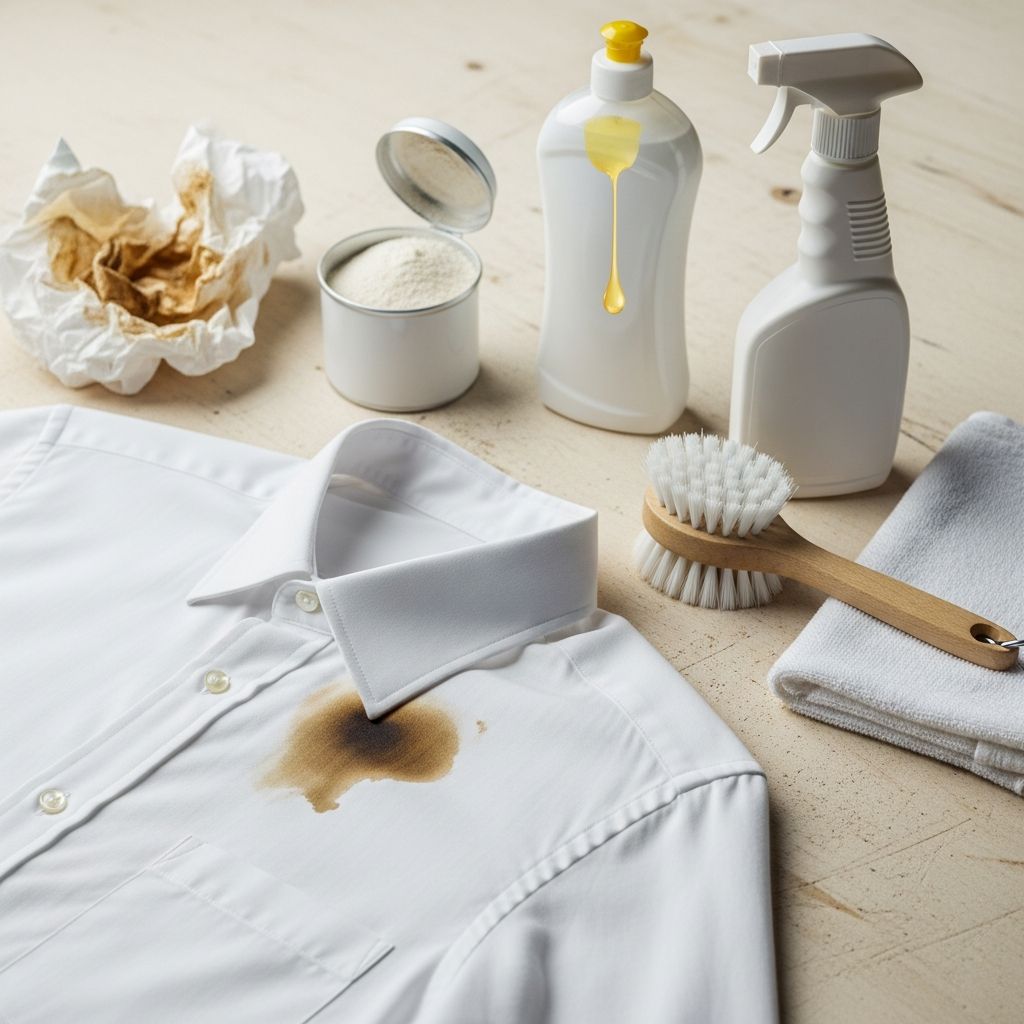
Oil stains are among the most challenging blemishes to remove from clothing, whether they result from cooking accidents, mechanical work, or everyday mishaps. The greasy nature of oil makes it particularly stubborn and prone to spreading if not handled correctly. However, with the right approach and household remedies, you can effectively eliminate even the most persistent oil stains and restore your garments to their former glory. This comprehensive guide walks you through multiple proven methods to tackle oil stains, from fresh spills to set-in blemishes that have been lingering for months.
Understanding Oil Stains
Before attempting any stain removal technique, it’s essential to understand why oil stains are so difficult to eliminate. Oil is hydrophobic, meaning it repels water, which makes standard washing alone ineffective. Once oil penetrates fabric fibers, it can bond with the material, making it increasingly difficult to remove as time passes. Different types of oil stains—including cooking oil, motor oil, salad dressing, and cosmetic oils—may require slightly different treatment approaches. The key to successful removal is acting quickly while the stain is fresh and choosing the appropriate method based on the type of oil and fabric involved.
Immediate Action: The First Steps
Act Quickly
The moment you notice an oil stain, time becomes your greatest ally. Fresh oil stains are significantly easier to remove than dried, set-in stains. The longer oil sits on fabric, the deeper it penetrates the fibers, making removal increasingly difficult.
Blot, Don’t Rub
Your first instinct might be to rub the stain vigorously, but resist this urge. Rubbing spreads the oil around, enlarging the affected area and pushing the stain deeper into the fabric. Instead, gently blot the stain using a clean paper towel or white cloth, pressing down to absorb excess oil without rubbing motions. You can also use a dull butter knife to gently scrape away any surface oil if the stain is particularly heavy.
Use Cardboard Protection
To prevent the oil from transferring to the reverse side of the garment, place a piece of cardboard or clean cloth directly behind the stain. This simple precaution keeps the stain localized and prevents double-sided damage.
Check Your Fabric Care Label
Before applying any stain removal treatment, always consult the garment’s care label. Different fabrics have different temperature and chemical tolerances. Delicate materials like silk or wool may require gentler treatment methods than sturdy cotton or denim. The care label will indicate the maximum water temperature, whether dry cleaning is recommended, and any special handling requirements. Testing any treatment solution on an inconspicuous area of the garment first is always prudent to ensure it won’t cause discoloration or damage.
Method 1: The Baking Soda Approach
Why Baking Soda Works
Baking soda is a powerful ally in stain removal because it absorbs oil effectively. This common household item works by drawing oil out of fabric fibers, making it ideal for both fresh and dried stains.
Step-by-Step Instructions
Start by blotting excess oil with a paper towel. Once you’ve removed surface oil, sprinkle a generous amount of baking soda directly onto the stain, ensuring complete coverage. The powder will immediately begin absorbing the remaining oil. Allow the baking soda to sit for 15 to 30 minutes for fresh stains, or up to 24 hours for more stubborn, dried stains. The longer it sits, the more oil it will absorb. After the waiting period, use a soft brush to gently brush away the powder, or simply scoop it off with a spoon. You may notice the powder has turned slightly oily or discolored—this indicates it’s successfully absorbed the oil. Wash the garment normally in warm or hot water (according to care label instructions) using your regular laundry detergent.
Method 2: The Cornstarch Solution
Cornstarch as an Alternative
Similar to baking soda, cornstarch and cornmeal are excellent oil-absorbing agents. These powders work through the same absorption mechanism, making them equally effective alternatives, especially if you don’t have baking soda on hand.
Application Process
Place a couple of spoonfuls of cornmeal or cornstarch directly onto the stain. Let it sit for at least 15 minutes to allow the powder to absorb the oil. For older, more set-in stains, extend this time to several hours or overnight. Once the waiting period is complete, scoop the powder off the stain and brush away any remaining residue with a soft brush. The fine particles should easily remove from the fabric. Follow up by washing the garment according to its care label using your preferred laundry detergent.
Method 3: The Dish Soap Treatment
The Science Behind Dish Soap
Dish soap is specifically formulated to cut through grease on plates and cookware, making it exceptionally effective for breaking down oil stains on clothing. The surfactants in dish soap surround and lift oil molecules, allowing them to be rinsed away with water.
Application Steps
Apply a small amount of liquid dish soap directly to the oil stain. Using your fingers or a soft brush, gently work the soap into the fabric, creating a light lather. The soap needs direct contact with the stain to be effective. Allow it to sit for 10 to 15 minutes to break down the oil, then rinse the area thoroughly with hot water if the fabric allows. Hot water helps break down oil molecules and works synergistically with the soap. After rinsing completely, wash the garment as you normally would using your regular laundry detergent and the warmest water temperature your fabric can tolerate.
Method 4: The White Vinegar Solution
Vinegar’s Stain-Fighting Properties
White vinegar is a versatile household cleaner that works on various stain types, including oil. The acidic nature of vinegar helps break down the oil’s molecular structure, making it easier to remove from fabric fibers.
How to Use Vinegar
Mix equal parts white vinegar and water in a small bowl or spray bottle. Apply this solution directly to the oil stain, ensuring the area is saturated. Let the mixture sit for 10 to 15 minutes, allowing the vinegar to penetrate and break down the oil. The vinegar smell may be strong, but it will dissipate during washing. After the waiting period, rinse the stain with clean water and wash the garment using your regular laundry detergent. This method works particularly well for cooking oil stains and is safe for most fabric types.
Method 5: The Heavy-Duty WD-40 Method
When to Use WD-40
For particularly stubborn, old oil stains—especially those from motor oil or other industrial oils—WD-40 can be an effective heavy-duty solution. While it might seem counterintuitive to treat an oil stain with another oil-based product, WD-40’s specialized formula can break down certain types of set-in oil stains that standard methods won’t touch.
Step-by-Step Process
Begin by protecting your garment by sliding a piece of cardboard inside the clothing behind the stain. This prevents the treatment from soaking through to the opposite side. Pour some WD-40 into a small bowl and lightly dab the entire stain using a cotton swab, ensuring complete coverage. Sprinkle a generous layer of baking soda over the treated stain. Using an old toothbrush, gently scrub the baking soda into the WD-40, working to combine the two substances. The baking soda will begin to clump as it absorbs the oil-based product—this is exactly what you want. Once clumped, use the toothbrush to scrape away the baking soda mixture. In a second bowl, add warm water and dissolve a laundry detergent sheet or a small amount of liquid detergent. Using the toothbrush, scrub the stain with this detergent solution to remove any remaining residue. Finally, wash the garment normally using your regular laundry detergent.
Treating Specific Oil Stain Types
Cooking Oil and Grease Stains
Cooking oil and food grease stains respond particularly well to dish soap treatment. These stains are usually fresh when discovered and haven’t had time to set deeply into the fabric. Pretreat with dish soap, let sit briefly, then wash with warm water and laundry detergent for best results.
Motor Oil Stains
Motor oil contains additional contaminants beyond pure oil, making it more challenging to remove. Start by consulting your garment’s care label, then apply a heavy-duty enzyme-based laundry detergent directly to the stain. Let it sit for 5 to 10 minutes before rinsing and washing in the warmest water the fabric allows. The WD-40 method described above also works well for stubborn motor oil stains.
Oil-Based Paint Stains
Paint stains require similar treatment to motor oil. Pretreat with a powerful enzyme-based detergent, soak the garment in warm water, and wash multiple times if necessary. Air drying between wash cycles allows you to check if the stain has fully lifted before heat-setting it in the dryer.
Dealing with Set-In Oil Stains
If an oil stain has already dried and set into the fabric, don’t despair. These stains require a more intensive approach but are still often removable. Start by applying clear liquid dish soap directly to the dried stain and gently blot it in with a cloth. Let this sit for approximately 10 minutes. Rinse with water, then soak the entire garment in the warmest water your care label allows for at least 30 minutes to an hour. This soaking period helps rehydrate the stain and allows the soap and water to penetrate deeper into the fabric fibers. After soaking, machine wash using an enzyme-based liquid detergent on the warmest cycle the fabric permits. Check if the stain has completely lifted before drying. If it persists, repeat the entire process before attempting to dry the garment.
Oil Stains on Specific Garments
Removing Oil from Jeans
Denim is durable and can tolerate hot water and vigorous treatment, making it ideal for stain removal. Check the care label first, then pretreat the stain with clear dish soap applied directly to the garment. Rinse the area, then machine wash using an enzyme-based detergent like Tide Ultra Stain Release. If the stain persists after the first wash, repeat the process and allow the jeans to air dry to check progress before heat-setting any remaining stain.
Treating Oil Stains on Delicate Fabrics
Delicate materials like silk, wool, and lace require gentler treatment. Use cooler water, avoid aggressive scrubbing, and opt for mild cleaning solutions. The vinegar method or a light dish soap treatment with cold water works well for these materials. Always test any treatment on an inconspicuous area first.
Prevention Tips
While knowing how to remove oil stains is valuable, preventing them in the first place is even better. Wear an apron while cooking to protect clothing from splashes. Be mindful when working with machinery or vehicles that might transfer oil. If you work in an environment prone to oil exposure, consider keeping a change of clothes at work or wearing dedicated work clothing that you don’t mind staining.
When to Seek Professional Help
If an oil stain has resisted multiple home treatment attempts, or if the stained garment is particularly valuable or made from delicate material, professional dry cleaning may be your best option. Professional cleaners have access to industrial-strength solvents and specialized equipment designed to tackle even the most stubborn stains. Dry cleaners typically handle motor oil, paint, and other heavy-duty stains with greater success than home methods.
Important Drying Considerations
Before placing any treated garment in the dryer, verify that the oil stain has completely disappeared. The heat of the dryer can permanently set remaining oil stains into the fabric, making them nearly impossible to remove. Always air dry garments until you’re certain the stain is gone, then inspect carefully in natural light before using heat to dry the item.
Frequently Asked Questions
Q: Can I use regular laundry detergent to remove oil stains?
A: While regular laundry detergent can help, it’s generally not sufficient as the only treatment for oil stains. Oil-specific detergents or enzyme-based formulas work better because they’re specifically designed to break down oils. However, regular detergent is an effective final wash step after pretreating with dish soap, baking soda, or another primary method.
Q: How long can I wait before treating an oil stain?
A: Fresh oil stains are easiest to treat, ideally within the first few hours. However, oil stains can be removed even after days or weeks of being set into the fabric. The older the stain, the more intensive the treatment needs to be, but home remedies and professional cleaning can usually restore the garment.
Q: Is it safe to use WD-40 on all fabrics?
A: WD-40 should be used cautiously on delicate fabrics. Always test it on an inconspicuous area first and check your garment’s care label. For delicate materials, stick with gentler methods like baking soda, vinegar, or dish soap before resorting to WD-40.
Q: What’s the best method for cooking oil versus motor oil?
A: Cooking oil stains typically respond well to dish soap treatment since it’s formulated to cut through food grease. Motor oil, being more stubborn, often requires stronger methods like enzyme-based detergents, WD-40, or professional cleaning. Start with gentler methods and escalate if needed.
Q: Can I wash the garment immediately after applying treatment?
A: Most methods require waiting time for the treatment to work. Baking soda needs 15-30 minutes (or up to 24 hours for set-in stains), dish soap needs 10-15 minutes, and vinegar needs similar time. Skipping the waiting period reduces effectiveness. Allow adequate time before washing for best results.
Q: What if the stain still shows after washing?
A: Repeat the entire treatment process. Never place the garment in the dryer if the stain remains, as heat will set it permanently. Air dry the item, check it again in natural light, and retreat if necessary before attempting machine drying.
References
- How to Remove Old Oil Stains from Clothes: 5 DIY Solutions to Try — Sheets Laundry Club. 2024. https://sheetslaundryclub.com/blog/how-to-remove-old-oil-stains-from-clothes-5-diy-solutions-to-try
- How to Get Oil Stains Out of Clothes: Successful & Easy Methods — Tide. 2024. https://tide.com/en-us/how-to-wash-clothes/how-to-remove-stains/general-oil-stains
- How to Get Oil & Grease Out of Clothes — Whirlpool. 2024. https://www.whirlpool.com/blog/washers-and-dryers/how-to-get-grease-and-oil-stains-out.html
Similar Articles



Read full bio of medha deb