How To Get Red Wine Out Of Clothes: 10 Proven Methods
Master the art of removing red wine stains from any fabric with proven methods.
How to Get Red Wine Out of Clothes
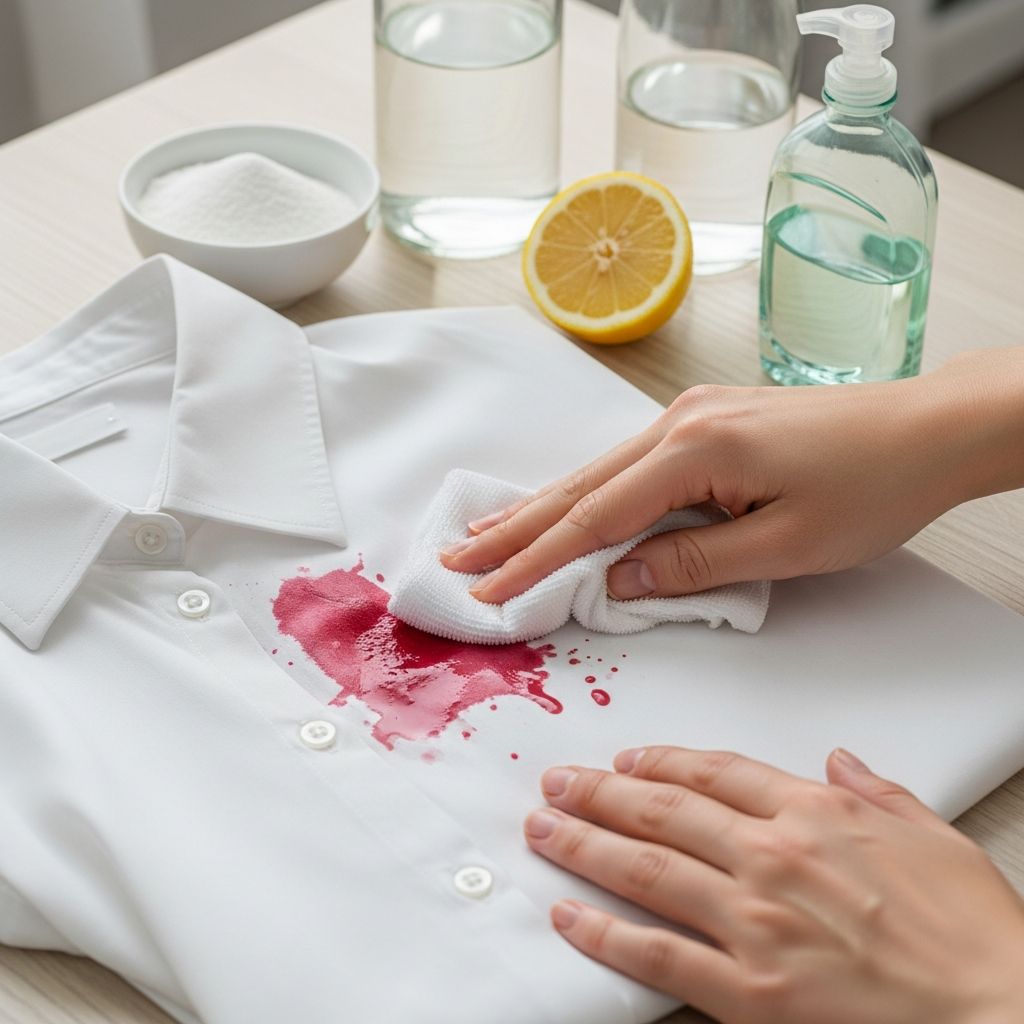
Red wine stains can be stubborn and frustrating, but with the right approach and quick action, you can successfully remove them from virtually any fabric. Whether you’ve spilled wine at a formal dinner, a casual gathering, or at home, knowing the most effective removal techniques can save your favorite clothes. The key to successful stain removal is acting quickly and understanding which method works best for your specific fabric type and stain condition.
Why Act Quickly on Red Wine Stains
The most critical factor in removing red wine stains is timing. Fresh wine stains are significantly easier to remove than dried or set-in stains because the wine pigments haven’t had time to fully bond with the fabric fibers. When wine first contacts fabric, it sits on the surface, making it more susceptible to removal. As time passes, the wine gradually penetrates deeper into the fabric structure, making it increasingly difficult to extract completely. Acting within the first few minutes of a spill dramatically increases your chances of complete stain removal.
Immediate First Steps
Before applying any stain removal method, take these essential initial steps:
- Blot, don’t rub: Gently dab the stain with a clean cloth or paper towel to absorb as much wine as possible. Rubbing pushes the wine deeper into the fabric fibers and spreads the stain further.
- Pull the fabric taut: Stretch the stained portion over a bowl or sink to keep the stain concentrated and prevent it from spreading to other areas of the garment.
- Avoid heat initially: Don’t use hot water immediately, as heat can set the stain permanently into the fabric.
- Work from the outside in: Start treating the outer edges of the stain and work toward the center to prevent it from expanding.
Top Methods for Removing Fresh Red Wine Stains
Salt Method
The salt method is one of the most versatile and widely recommended approaches for fresh red wine stains. Salt acts as a natural absorbent that draws moisture and pigment from the fabric. To use this method, immediately cover the wine stain with a generous layer of regular table salt. Allow the salt to sit for approximately five minutes, giving it time to absorb the wine. The salt will gradually change color as it absorbs the wine pigments. After five minutes, rinse the area thoroughly with very hot water—almost boiling if the fabric allows. This method works exceptionally well on carpets, rugs, and most clothing fabrics.
Boiling Water Method
For tablecloths and sturdy fabrics, the boiling water method can be remarkably effective for fresh stains. Begin by boiling water in a kettle. While the water heats, place a large glass bowl in your sink and stretch the stained portion of fabric over the bowl, securing it with a rubber band to keep it taut. Once the water reaches a rolling boil, carefully pour it from a height of at least one foot directly onto the stain. The force and heat of the water can effectively flush out the wine pigments. This method is particularly successful for tablecloths and can also work on dried stains.
Sparkling Water Emergency Solution
If you’re dining out or away from home when the spill occurs, sparkling water offers an emergency solution. The carbonation in sparkling water can help lift the stain from the fabric temporarily. Pour a generous amount of sparkling water directly onto the stain and rub it gently with a clean cloth. While this method won’t completely remove the stain, it can significantly diminish it until you reach home and apply a more thorough treatment followed by machine washing.
Effective Methods for Fresh and Dried Stains
Dishwashing Detergent and Hydrogen Peroxide
This powerful combination works effectively on both fresh and dried stains, making it one of the most versatile solutions available. Mix equal parts dishwashing detergent (such as Dawn) and hydrogen peroxide to create a solution. Apply this mixture directly to the red wine stain and allow it to soak for five to ten minutes. You should notice the stain beginning to fade almost immediately as the hydrogen peroxide breaks down the wine pigments. After the solution has soaked in, rinse the area thoroughly with cold water and launder the garment normally. This method works best on light-colored clothes, as hydrogen peroxide has mild bleaching properties. It’s an excellent choice for already-dried stains that have begun to set.
White Vinegar and Laundry Detergent
White vinegar is highly effective at neutralizing the purple and red pigments in wine stains. Cover the stain completely with white vinegar, which will penetrate the fabric and begin breaking down the wine compounds. Immediately after applying the vinegar, rub in liquid laundry detergent to further lift the stain. Allow this mixture to work for several minutes, then launder the garment in hot water. The combination of acidity and detergent creates a powerful stain-fighting treatment that works on both fresh and moderately aged stains.
Baking Soda and Water Paste
Baking soda is a natural absorbent that effectively breaks up and lifts red wine stains from fabric. First, blot the stain with a clean cloth to remove excess wine. Create a paste by combining baking soda with a few drops of water—the consistency should be smooth and spreadable but not runny. Apply this paste liberally to the entire stained area and allow it to dry completely, which typically takes thirty minutes to several hours. Once dry, use a soft-bristled brush or cloth to gently scrape away the dried paste. Finally, rinse the area with cold water and launder the garment normally. This method is particularly effective on clothing and can also be used on carpets.
Specialized Methods for Different Fabric Types
Delicate Fabrics
For delicate or sensitive fabrics, combine denatured alcohol with white vinegar for a gentler approach. Wet the stained area with denatured alcohol first, then apply white vinegar to complete the removal process. Allow these solutions to work for a few minutes before placing the garment in the washing machine for a normal wash cycle. This method is safer than harsh chemicals for silk, lace, and other delicate materials.
White Fabrics and Garments
White fabrics present a unique opportunity for stain removal, as they can tolerate bleach solutions that would damage colored clothing. Soak the stained garment in bleach for approximately ten minutes, then launder in hot water. Alternatively, sodium percarbonate, a natural oxygen-based whitener, is an excellent choice for white fabrics and stubborn stains. This method is almost foolproof for white clothing and can lift even set-in wine stains without the harshness of chlorine bleach.
Marseille Soap Method
Traditional Marseille soap offers an effective and gentle approach to wine stain removal. Wet the soap stick with water and rub it vigorously directly onto the stain, working it into the fabric. This method is effective on both fresh and dried stains and is particularly suitable for delicate fabrics that might be damaged by harsher treatments.
Lemon Juice and Soap Solution
The traditional grandmother’s remedy of using lemon juice remains surprisingly effective for red wine stains. Apply a few drops of fresh lemon juice directly to the stain, then add a few drops of liquid soap. Allow this mixture to sit for several minutes, which helps break down both fresh and older, more stubborn stains. After the solution has worked its magic, proceed with normal machine washing. The natural acidity in lemon juice helps neutralize wine pigments similarly to white vinegar.
Treating Dried and Set-In Stains
If you discover a red wine stain days or weeks after the initial spill, special techniques can help revive your garment. Begin by pretreating the stain with a small amount of water to rehydrate it and reconstitute the dried wine. Soak the garment in white vinegar for thirty minutes to begin breaking down the set-in pigments. Next, create a paste combining baking soda and hydrogen peroxide, then cover the stain and allow it to sit for another thirty minutes. Gently scrab the stain with a soft brush or cloth using light pressure to avoid damaging the fabric. Rinse thoroughly with cold water and inspect before washing in the machine. This multi-step approach is often necessary for stains that have had time to fully set into the fabric.
Comparative Guide for Different Surfaces
| Surface Type | Best Method | Alternative Methods | Key Tips |
|---|---|---|---|
| Clothing (Fresh) | Salt or Boiling Water | Sparkling Water, Baking Soda | Act immediately, blot don’t rub |
| Clothing (Dried) | Hydrogen Peroxide & Detergent | Vinegar & Detergent, Baking Soda Paste | Rehydrate first, use multi-step approach |
| White Fabric | Bleach or Sodium Percarbonate | Hydrogen Peroxide & Detergent | Works on set-in stains, safe for whites only |
| Carpets | Salt Method | Baking Soda Paste, Vinegar & Club Soda | Blot always, never scrub, allow to dry before vacuuming |
| Upholstery | Salt Method | Hydrogen Peroxide & Detergent, Baking Soda | Pull fabric taut, test solution on hidden area first |
Important Precautions and Tips
- Test first: Before applying any stain removal method to a garment, test the solution on a hidden area to ensure it won’t damage or discolor the fabric.
- Avoid setting the stain: Never apply heat to a wine stain until you’re certain it’s completely removed, as heat permanently sets stains into fabric.
- Use cold water initially: Always rinse with cold water during the treatment process; hot water can set the stain before removal is complete.
- Be patient: Allow solutions adequate time to work, whether it’s five minutes for salt or thirty minutes for baking soda paste.
- Inspect before drying: After washing, examine the garment while damp to confirm the stain is gone. If traces remain, repeat the treatment before machine drying.
Frequently Asked Questions
Q: Can I use hot water on a fresh red wine stain?
A: No, you should avoid hot water initially on fresh stains as it can set the wine into the fabric. Use cold water for rinsing during treatment, and only switch to hot water after stain removal appears complete.
Q: What’s the difference between blotting and rubbing?
A: Blotting involves gently dabbing the stain to absorb liquid, while rubbing pushes the wine deeper into the fabric and spreads the stain. Always blot fresh wine stains to prevent expansion.
Q: Can I use the boiling water method on all fabrics?
A: The boiling water method works best on sturdy fabrics like cotton and linen in tablecloths. Avoid it on delicate fabrics, as the intense heat and force can damage them. Test on an inconspicuous area first.
Q: Is hydrogen peroxide safe for all clothing colors?
A: Hydrogen peroxide has mild bleaching properties, so it works best on light-colored clothes. Test it on dark or brightly colored fabrics on a hidden area before applying to visible stains.
Q: How long can I wait before treating a wine stain?
A: The sooner you treat a wine stain, the better your chances of complete removal. Fresh stains are easier to remove than dried ones, but even set-in stains from days or weeks ago can often be successfully treated using the multi-step approach.
Q: What should I do if the stain remains after my first attempt?
A: If stains persist after treatment, try a different method before machine washing. For dried stains, use the multi-step approach combining vinegar, baking soda, and hydrogen peroxide. Never machine dry a garment with a remaining stain, as heat will set it permanently.
References
- 9 Proven Methods To Eliminate Red Wine Stains — Bottle of Italy. 2024. https://bottleofitaly.com/en-us/blogs/notizie/9-metodi-testati-per-eliminare-le-macchie-di-vino-rosso
- 6 Ways to Remove a Red Wine Stain — VinePair. 2024. https://vinepair.com/wine-blog/5-ways-remove-red-wine-stain/
- How to Remove Red Wine Stains: 3 Easy Methods to Save Your Clothes — Laundry Sauce. 2024. https://laundrysauce.com/blogs/news/how-to-remove-red-wine-stain
- Removing Red Wine Stains From Anything — La Crema. 2024. https://www.lacrema.com/remove-red-wine-stains.html
Similar Articles



Read full bio of medha deb