How To Get Rid Of Ants In The Kitchen: 4-Step Plan
Eliminate kitchen ants permanently with proven methods and prevention strategies.
How to Get Rid of Ants in the Kitchen
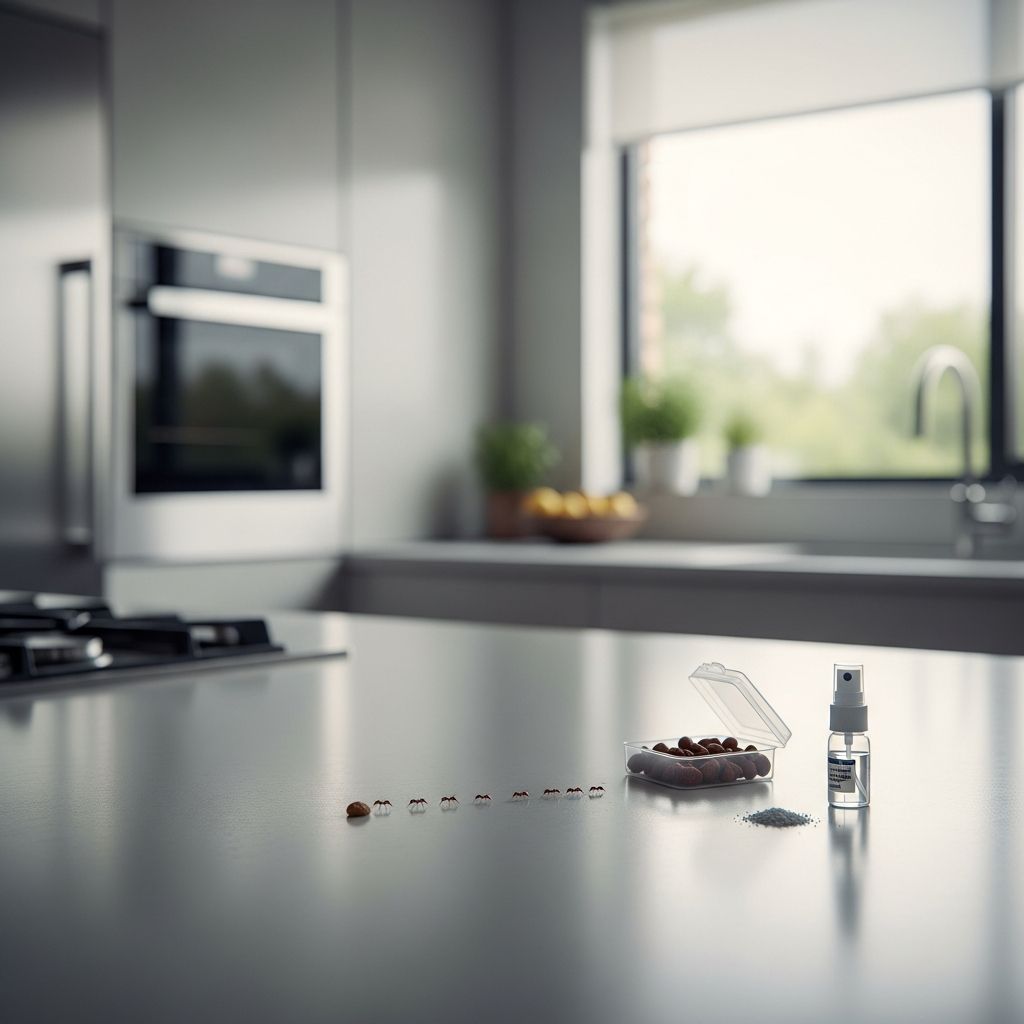
Ants invading your kitchen can quickly become a frustrating and unsanitary problem. These tiny pests are attracted to food sources, moisture, and shelter, making kitchens an ideal environment for infestations. Once ants establish scent trails leading back to their colony, they contaminate food, trail across countertops, and multiply rapidly. Understanding how to effectively eliminate ants and prevent their return is essential for maintaining a clean, pest-free home.
The key to successful ant elimination is addressing the root of the problem: the colony itself. Many homeowners make the critical mistake of simply spraying visible ants with kill-on-contact products, only to find the infestation returns within days. This approach fails because it doesn’t eliminate the source—the colony that continues producing new ants. Instead, a comprehensive strategy targeting the entire colony, combined with preventive measures, provides lasting results.
Understanding Types of Ants in a Kitchen Infestation
Ant infestations in kitchens vary depending on the species present. Different ant types exhibit unique behaviors and require specific control methods for effective elimination. Common kitchen invaders include small black ants, larger black ants, and other species attracted to specific food sources. Some ants are drawn to sugary foods, while others prefer proteins or fats. Understanding which ant species is infesting your kitchen helps determine the most effective treatment approach.
Identifying the ant type also helps predict their behavior patterns. For instance, some species are more active during specific times of day or seasons, while others maintain constant activity. This knowledge allows homeowners to time their interventions more effectively and choose appropriate bait formulations that target the specific species present.
The Four-Step Process to Eliminate Kitchen Ants
According to pest control experts, a systematic four-step approach provides the most effective solution for kitchen ant infestations. This method addresses both immediate elimination and long-term prevention.
Step 1: Find and Kill the Ant Colony
The first and most critical step involves locating and eliminating the entire colony. Begin by following the ants’ scent trails to track their movement patterns and identify their pathway. These visible trails lead directly to entry points and, often, to the nest itself. Look carefully in areas where ants congregate most frequently, including under cabinets, inside walls, beneath baseboards, and within floor crevices.
Once you identify the nest location, apply a non-repellent insecticide directly to the area. Non-repellent products are crucial because they don’t deter ants from the affected zone, allowing the colony to continue its normal activities while the poison takes effect. If the nest remains inaccessible behind walls or in other hidden locations, employ bait traps or gel formulations. These products work by attracting ants, which consume the poison and carry it back to the colony, gradually eliminating all members including the queen.
An important consideration: avoid using kill-on-contact sprays while baits are working. This combination can scatter the colony or prevent ants from carrying bait back to the nest. If one bait type proves ineffective, try switching to a different formulation, as some ant species show stronger preferences for sweet-based baits while others prefer protein-based options.
Step 2: Seal Ants Out
While working on colony elimination, carefully document all ant entry and exit points throughout your kitchen. Make detailed notes of these locations, as they become critical for the sealing process. However, timing is essential—don’t seal these entry points prematurely, as doing so before the bait has sufficiently weakened the colony may trap ants inside your home.
Once you’re confident that the colony has been mostly eliminated through your treatment efforts, begin ant-proofing by sealing all identified entry points. Use high-quality caulk or joint compound to seal cracks and crevices thoroughly. For extra protection, apply boric acid powder into crevices before sealing them. This creates an additional barrier that deters any remaining ants from establishing new trails.
Step 3: Kill Remaining Ants
After the primary colony elimination effort, address any remaining stragglers in your kitchen. Use kill-on-contact sprays carefully, ensuring you avoid contaminating food preparation areas and thoroughly washing any surfaces that may have contacted the spray. For homeowners preferring natural solutions, several alternatives effectively eliminate remaining ants without harsh chemicals. A simple mixture of water and dish soap can be wiped across surfaces where ants congregate. Vinegar, lemon juice, and soapy water also work well to disrupt scent trails and eliminate individual ants.
One critical timing consideration: avoid excessive cleaning immediately after placing baits. Thorough scrubbing and mopping can interfere with bait effectiveness by removing the chemical signals that attract ants and disrupt the poison delivery mechanism. Wait until you’re confident the colony has been adequately treated before conducting major cleaning efforts.
Step 4: Prevent Ants From Coming Back
Long-term prevention requires commitment to consistent kitchen hygiene and maintenance practices. Store all food items, including pet food, in airtight containers. This eliminates the food sources that initially attracted the ants and prevents future infestations from establishing. Wipe up spills immediately upon occurrence, as even small residues attract foraging ants. Wash dishes promptly rather than leaving them in the sink, where food particles and moisture create ideal conditions for ant colonization.
Maintain dry sink conditions by wiping down the sink area regularly and addressing any plumbing leaks. Perform regular sweeping, mopping, and vacuuming to remove crumbs and food debris from floor surfaces. Take out trash frequently using sealed, durable bags that prevent odors from attracting ants. These consistent practices create an environment where ants cannot easily find food or water, making your kitchen an unattractive target for infestation.
When to Call a Professional Pest Control Provider
While do-it-yourself methods can successfully eliminate many ant infestations, certain situations warrant professional intervention. If you’ve attempted multiple solutions and ants continue returning, professional pest control providers offer advantages that DIY approaches cannot match. Licensed exterminators have access to specialized insecticides and advanced baiting techniques not available to consumers. They employ technology such as thermal imaging and moisture detection equipment to locate hidden nests that remain inaccessible to homeowners.
Professional pest control experts can identify the specific ant species infesting your home and customize treatment plans accordingly. They may recommend fumigation or other intensive treatments for severe infestations. Additionally, pest control services provide long-term prevention strategies including exterior perimeter treatments, barrier applications, and expert guidance on maintaining a pest-free kitchen environment. For carpenter ant infestations specifically, professional treatment becomes even more important, as these ants can cause structural damage to your home if left untreated.
Prevention Strategies for Long-Term Protection
Beyond immediate elimination, several prevention strategies help ensure ants don’t return to establish new colonies. Apply a preventative barrier spray around your home’s perimeter. Treating the exterior foundation with barrier sprays or granules stops ants before they access your home’s interior. Clean dishes immediately and avoid leaving them in or around the sink, where food residue and moisture attract foraging ants.
Store all pantry staples like cereal, flour, and sugar in sealed containers, transferring bulk items from original packaging to airtight storage solutions. Keep pet food in sealed containers rather than leaving it exposed. Wipe down frequently used surfaces such as countertops and tables with a damp cloth or natural solution combining water, vinegar, and essential oils like tea tree oil, which acts as a natural repellent.
Address moisture issues throughout your home, as ants require water for survival. Fix water leaks in or around your home, improve ventilation in damp enclosed areas like crawl spaces and basements, and use dehumidifiers to maintain proper moisture levels. Trim back tree branches and foliage that touch your siding or roof, and move rotting wood piles, mulch, or soil mounds away from your home’s exterior. Seal holes or cracks around vents, pipes, and wires with caulk to prevent ant entry points.
Natural and Alternative Ant Elimination Methods
Homeowners seeking non-toxic alternatives have several options for ant elimination and deterrence. Diatomaceous earth, a natural powder, dries out and kills ants when applied to areas where they travel. Apply this substance directly to nests or crevices, but avoid inhaling the fine dust particles. Essential oils and other natural repellents work best after the primary colony has been eliminated, as using them prematurely may simply push ants deeper into your home’s walls rather than killing them.
Natural solutions for disrupting scent trails include vinegar and lemon juice, which effectively clean surfaces while removing the chemical markers ants use for navigation. A mixture of water and dish soap provides a gentle but effective surface treatment. Garlic and dryer sheets offer additional natural deterrent options, though they work best as preventive measures rather than primary elimination methods. When using natural solutions, consistency and patience are essential, as these gentler approaches typically require more time and repeated applications compared to commercial ant baits.
Frequently Asked Questions About Kitchen Ant Elimination
What is the fastest way to get rid of ants in the kitchen?
The fastest method for ant elimination involves calling a licensed pest control technician who can immediately implement professional-grade treatments. However, for those preferring DIY approaches, locating the ant colony and applying insecticide directly to it provides the quickest results. This approach, combined with appropriate baits, typically eliminates infestations within days to weeks compared to longer periods required by less targeted methods.
Why am I getting tiny ants in my kitchen?
Ants are attracted to kitchens because these spaces offer abundant food, water, and shelter. All ant species seek water and food sources, with most species drawn to sugary foods at various times. Additionally, ants need moisture for survival, making kitchens with their sinks and plumbing ideal habitats. Clean up spills immediately, store food in sealed containers, and maintain dry conditions to make your kitchen less attractive to foraging ants.
How do I get rid of ants permanently?
Permanent ant elimination requires a two-phase approach combining elimination with prevention. First, completely eliminate your current infestation using targeted treatments to destroy the colony. Then, implement comprehensive prevention measures by sealing all cracks and crevices that ants use to enter your home. Check window and door frames carefully and seal around pipes using high-quality caulk. Maintain consistent kitchen hygiene by eliminating food sources and moisture, and consider applying natural remedies such as garlic or dryer sheets as deterrents to prevent new infestations from establishing.
Can I handle severe ant infestations myself?
While many homeowners successfully eliminate moderate infestations using DIY methods, severe or persistent infestations—particularly those involving carpenter ants—are best handled by licensed pest control professionals. These experts possess specialized equipment, advanced knowledge, and access to professional-grade treatments that provide faster, more reliable results than consumer products.
How long does ant elimination typically take?
The timeline for ant elimination varies depending on infestation severity and treatment method. Direct nest application with insecticides may show results within days, while bait-based approaches typically require one to three weeks as the poison spreads throughout the colony. Professional treatments often work faster due to superior formulations and precise application techniques.
Understanding Ant Behavior and Prevention
Ants operate as organized colonies with complex communication systems based on scent trails. Understanding this behavior helps explain why simply killing visible ants proves ineffective—for every ant you see, hundreds or thousands remain in the hidden colony. Ants follow scent trails laid down by their colony members, creating highways of chemical markers that guide others to food sources. These trails remain active even after individual ants are eliminated, allowing new ants to quickly replace those you’ve killed.
This biological reality underscores the importance of targeting the entire colony rather than individual ants. By using baits that ants carry back to the colony or applying insecticides directly to the nest, you eliminate the source rather than treating symptoms. Prevention becomes easier once you understand that ants seek kitchens specifically for food and water. By eliminating these attractions and sealing entry points, you remove the motivation for ants to establish colonies in your home.
References
- How to Get Rid of Ants in the Kitchen — This Old House. Accessed December 3, 2025. https://www.thisoldhouse.com/pest-control/how-to-get-rid-of-ants-in-the-kitchen
- How to Get Rid of Ants in the House — Consumer Reports. Accessed December 3, 2025. https://www.consumerreports.org/home-garden/pest-control/how-to-get-rid-of-ants-in-the-house-a3627053544/
- How to Get Rid of Carpenter Ants — This Old House. Accessed December 3, 2025. https://www.thisoldhouse.com/pest-control/how-to-get-rid-of-carpenter-ants
- 8 Best Ant Killers (2025) — This Old House. Accessed December 3, 2025. https://www.thisoldhouse.com/pest-control/best-ant-killer
- How Much Does an Ant Exterminator Cost? (2025) — This Old House. Accessed December 3, 2025. https://www.thisoldhouse.com/pest-control/ant-exterminator-cost
- Should You DIY Pest Control? The Complete Homeowner’s Guide — This Old House. Accessed December 3, 2025. https://www.thisoldhouse.com/pest-control/should-you-diy-pest-control
Similar Articles








Read full bio of Sneha Tete