How to Get Rid of Ants When You Have a Dog or Cat
Safe and effective ant control methods for homes with dogs and cats.
How to Get Rid of Ants When You Have a Dog or Cat in the House
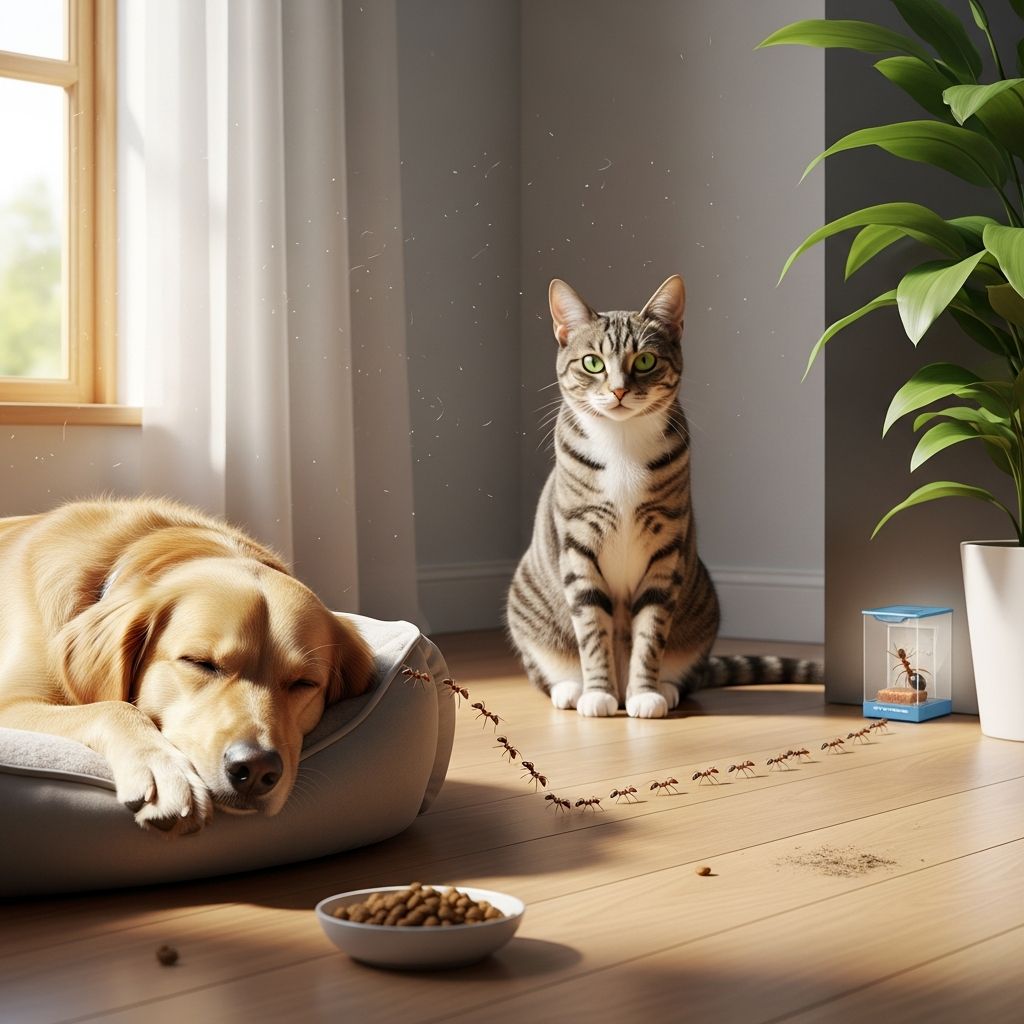
Discovering an ant infestation in your home is frustrating enough, but when you have beloved pets like dogs and cats, the challenge becomes significantly more complex. Many conventional ant control solutions contain toxic chemicals that can pose serious health risks to your furry companions. Pet owners often find themselves in a difficult position: they need to eliminate the ant problem effectively while ensuring their dogs and cats remain safe and healthy. Understanding pet-safe ant control methods is essential for maintaining a pest-free home without compromising the wellbeing of your pets.
Understanding the Ant Problem
Ants are attracted to homes primarily because of accessible food sources. They can squeeze through the tiniest openings and leave chemical trails for other colony members to follow, making them persistent pests. When pets are present, the situation becomes more complicated because pet food often becomes a primary target for ant colonies. Dogs and cats are naturally curious about ants, and if they consume contaminated food or encounter ants directly, they may experience adverse reactions ranging from minor irritation to serious health complications.
Why Pet-Safe Solutions Matter
Traditional ant baits and pesticides often contain ingredients like fipronil, imidacloprid, or other toxic compounds designed to kill insects quickly. However, these same substances can be dangerous to pets. Dogs and cats may accidentally ingest poisoned baits, lick contaminated surfaces, or inhale chemical fumes. Additionally, pets’ lower body weight compared to humans means they are more susceptible to the effects of toxic chemicals. Choosing pet-safe solutions ensures you can address the ant problem without risking your pets’ health.
Immediate Steps to Protect Your Pets
Securing Pet Food and Water Bowls
- Remove bowls promptly: Don’t leave pet food or water bowls out for extended periods. Feed your pets on a schedule and remove uneaten food immediately after meals.
- Store food properly: Keep pet food in airtight, sealed containers rather than open bags. This prevents ants from detecting and accessing the food.
- Elevate or isolate bowls: Consider placing food and water bowls in areas away from where ants have been spotted, or use elevated feeders that may be harder for ants to reach.
- Clean thoroughly: Wash pet bowls immediately after feeding to remove food residue that attracts ants.
Identifying Safe Zones for Your Pets
Create designated areas in your home where your pets spend most of their time. These zones should be free from ant activity and any pest control treatments. By concentrating your ant elimination efforts in areas away from your pets’ favorite spots, you reduce their exposure to potential hazards.
Natural and Pet-Safe Ant Control Methods
Diatomaceous Earth (Food-Grade)
Food-grade diatomaceous earth (DE) is one of the most effective and pet-safe ant control solutions available. This natural substance is composed of fossilized remains of diatoms and works by dehydrating insects. When ants come into contact with DE, it absorbs the waxy coating on their exoskeletons, causing them to dry out.
- Apply food-grade DE in a thin layer along ant trails and entry points
- Reapply after rain or every few days for continuous protection
- Ensure your pets cannot inhale large quantities of the powder
- Choose food-grade over pool-grade varieties, which can harm pets
Cinnamon and Essential Oils
Many essential oils and spices have natural ant-repelling properties. Cinnamon, peppermint, and clove oils are particularly effective at deterring ants while being relatively safe for pets when used properly.
- Cinnamon: Sprinkle cinnamon powder around baseboards and entry points. Ants dislike the strong scent.
- Peppermint oil: Mix a few drops with water and spray around affected areas. Ensure the mixture is diluted to prevent skin irritation.
- Clove oil: Similarly effective when diluted and applied to problem areas.
- Precaution: Always dilute essential oils and test in small areas first. Some pets may be sensitive to strong odors.
Coffee Grounds
Used coffee grounds are another excellent natural deterrent. Ants typically avoid areas with coffee grounds, and this method is incredibly affordable and environmentally friendly. Simply spread dried coffee grounds around ant trails and entry points. The added benefit is a fresh coffee aroma throughout your home.
Borax-Based Baits (With Caution)
While borax-based products can be effective, they require careful handling in homes with pets. If you choose this method, place baits in areas completely inaccessible to your dogs and cats, such as behind appliances or in sealed bait stations. Never use borax-based solutions on surfaces where pets walk or rest.
Pet-Specific Considerations
Dogs and Ant Control
Dogs are naturally curious and may investigate ant hills or try to eat ants. If your dog ingests multiple ants, they may experience stomach upset or irritation. To protect your canine companion:
- Supervise outdoor time and discourage ant investigation
- Keep your dog’s vaccinations current to prevent other pest-related illnesses
- Apply pet-safe ant control methods in areas your dog frequents
- Rinse your dog’s paws after outdoor play, especially in grassy areas
Cats and Ant Control
Cats are less likely than dogs to directly interact with ants, but they may still be affected if they walk through treated areas or groom themselves after contact. Cats are particularly sensitive to certain chemicals, making pet-safe solutions even more critical. Ensure:
- All pest control methods are applied to areas away from litter boxes and resting spots
- Natural deterrents are used preferentially over chemical solutions
- Your cat’s food and water remain protected from contamination
Prevention Strategies for Long-Term Protection
Seal Entry Points
Prevention is often more effective than treatment. Ants can enter homes through the smallest cracks and crevices. Inspect your home regularly for potential entry points and seal them using:
- Caulk for small gaps around windows and doors
- Weather stripping for door thresholds
- Expanding foam for larger openings
Maintain a Clean Home
A clean home is your first defense against ants. Implement these habits:
- Sweep floors regularly to remove food crumbs
- Wipe down countertops and dining tables immediately after meals
- Take out garbage regularly and use sealed bins
- Clean up spills promptly and thoroughly
- Avoid leaving standing water, as ants need water to survive
Remove Outdoor Attractants
Ants establishing colonies near your home are more likely to venture indoors. Reduce outdoor attractants by:
- Cleaning up fallen fruit from trees
- Avoiding outdoor pet food storage near your home’s foundation
- Removing debris piles and dead wood
- Maintaining a gap between mulch and your home’s exterior
When to Call Professional Help
Sometimes, despite your best efforts, ant infestations persist or become severe. If you’re considering professional pest control, inform the service provider about your pets before treatment begins. Request pet-safe solutions and specific recommendations for protecting your dogs and cats during and after treatment. Many professional pest control companies now offer pet-safe options, including botanical-based treatments and targeted baiting systems that keep chemicals away from pet areas.
Creating an Ant-Prevention Schedule
Consistency is key to maintaining an ant-free home with pets. Establish a routine that includes:
- Daily: Clean up pet food immediately after meals, sweep high-traffic areas, wipe up spills
- Weekly: Deep clean kitchen and dining areas, check pet bowls for ant activity, inspect entry points
- Monthly: Reapply natural deterrents like cinnamon or diatomaceous earth, check for new ant trails
- Seasonally: Conduct a thorough home inspection, reseal any gaps or cracks, address outdoor attractants
Frequently Asked Questions
Q: Is diatomaceous earth safe for pets?
A: Food-grade diatomaceous earth is generally safe for pets when used properly. Avoid allowing pets to inhale large quantities of the powder. Food-grade DE is specifically processed to be safe for consumption by animals, unlike pool-grade varieties which can cause respiratory issues.
Q: Can my pet get sick from eating ants?
A: While occasional ant consumption usually doesn’t cause serious problems, large quantities or ants treated with pesticides can cause gastrointestinal upset, irritation, or more severe reactions depending on the chemicals involved. Supervise your pet outdoors to minimize ant ingestion.
Q: What essential oils are safe to use around pets?
A: Diluted cinnamon, clove, and some peppermint oil products are relatively safe when properly diluted. However, always research your specific pet’s sensitivity and consult your veterinarian before using essential oils, as cats are particularly sensitive to certain compounds.
Q: How long does it take to eliminate an ant infestation?
A: With consistent application of pet-safe methods, you may see improvement within one to two weeks. However, completely eliminating an established colony may take three to four weeks or longer depending on the colony size and your prevention methods.
Q: Are commercial pet-safe ant baits as effective as traditional ones?
A: Yes, many modern pet-safe ant baits are highly effective. They use different active ingredients or delivery systems that target ants while minimizing pet exposure. Look for products specifically labeled as pet-safe and follow application instructions carefully.
Q: Should I be worried about ants in my pet’s outdoor area?
A: Yes, outdoor ant colonies can become problematic. Some ants bite or sting, which can harm your pets. Additionally, outdoor ants can easily enter your home. Address outdoor colonies using the same pet-safe methods recommended for indoor use.
Conclusion
Managing an ant infestation while keeping your dogs and cats safe requires a thoughtful, multi-faceted approach. By focusing on prevention through proper food storage and sanitation, using natural and pet-safe elimination methods like food-grade diatomaceous earth and essential oils, and maintaining consistent cleaning habits, you can effectively control ants without endangering your beloved pets. Remember that patience and consistency are essential—natural methods may take longer than chemical solutions, but they provide peace of mind knowing your pets remain safe. When in doubt, consult with your veterinarian about pet-safe pest control options, and consider professional pest control services that specialize in pet-friendly treatments. With dedication to these strategies, you can enjoy an ant-free home while keeping your furry family members healthy and happy.
References
- Diatomaceous Earth for Pest Control — U.S. Environmental Protection Agency (EPA). 2024. https://www.epa.gov/safepestcontrol/diatomaceous-earth-de
- Pet Safety and Pesticide Use — American Veterinary Medical Association (AVMA). 2024. https://www.avma.org
- Natural Pest Control Methods for Households with Pets — University of California Cooperative Extension. 2024. https://ucanr.edu
- Ant Biology and Prevention Strategies — National Pesticide Information Center (NPIC), Oregon State University. 2024. https://npic.orst.edu
- Safety Guidelines for Essential Oils and Pets — American Society for the Prevention of Cruelty to Animals (ASPCA). 2024. https://www.aspca.org
Similar Articles




Read full bio of medha deb