How to Get Rid of Drain Flies: Complete Guide
Eliminate drain flies for good with proven natural and chemical methods.
How to Get Rid of Drain Flies: A Comprehensive Guide
Drain flies can be one of the most persistent household pests, especially in bathrooms and kitchens where moisture levels remain high. Unlike common house flies that buzz around your kitchen counters, drain flies are specialized insects that thrive in the damp, organic-rich environments found within your plumbing system. Understanding how to identify, eliminate, and prevent these unwanted visitors is essential for maintaining a clean and healthy home. This guide will walk you through everything you need to know about getting rid of drain flies.
Understanding Drain Flies: Identification and Characteristics
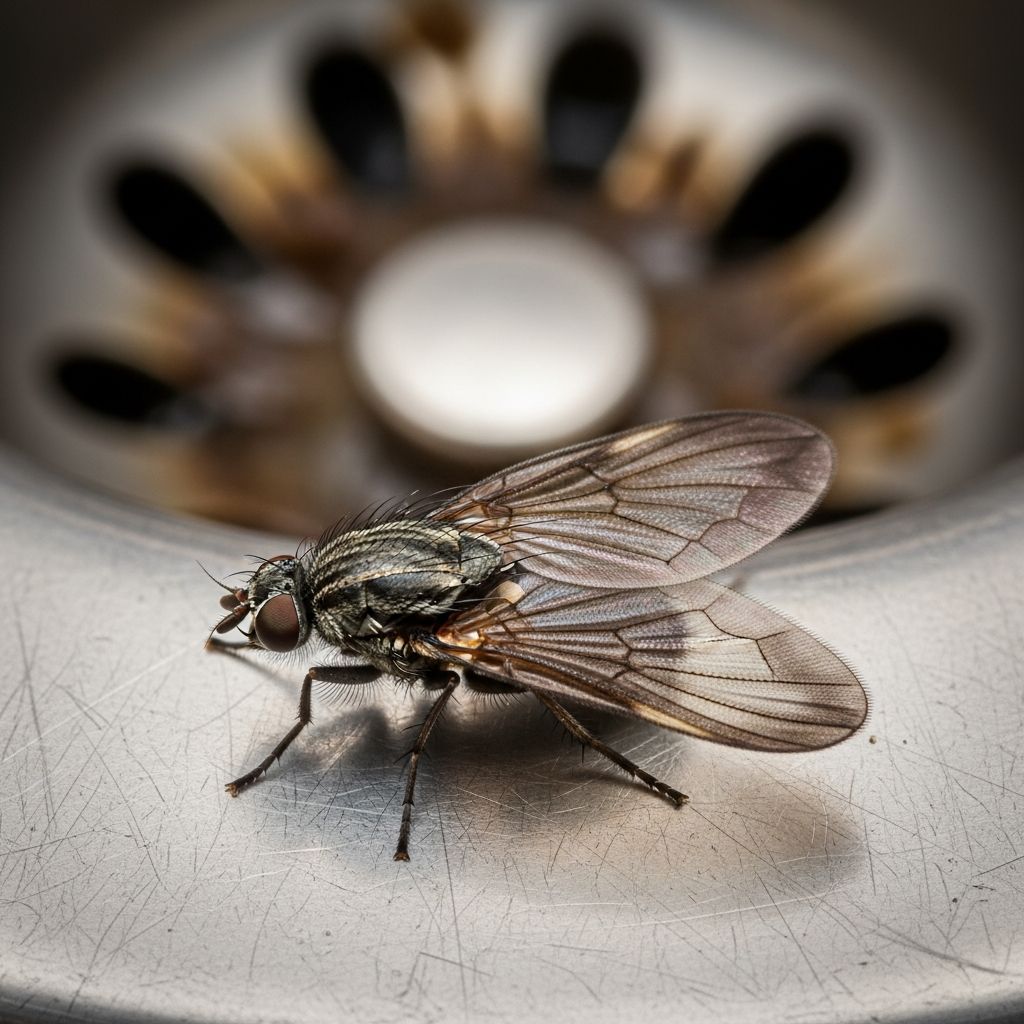
Drain flies, also known as moth flies, sewer flies, or filter flies, are small insects that measure between 2 to 5 millimeters, making them about 1/8 inch long. One of their most distinctive features is their moth-like appearance, characterized by fuzzy, round bodies and wings that have a distinctly furry texture. These flies typically range in color from pale gray to black, which helps distinguish them from other common household flies.
The lifecycle of a drain fly is relatively short. Adult drain flies live for approximately 20 days and breed only once during their lifetime. However, this single breeding cycle can be problematic because females lay their eggs deep within drains where conditions are perfect for development. These eggs can withstand dehydration for extended periods—sometimes weeks—making drain flies an exceptionally persistent problem once they establish themselves in your home.
It’s important to note that unlike many other insects, drain flies do not bite, sting, or transmit diseases. However, they do live and reproduce in unsanitary places within your plumbing system, which can lead to rapid population increases if left unchecked. The real concern with drain flies is the nuisance they create and the indication they provide about potential sanitation issues within your home’s drainage system.
Where Drain Flies Come From and Why They Thrive
Drain flies thrive in moist conditions where they can feed on organic material. The primary breeding grounds for these insects include drains, sewers, and moist soil. They feed on the bacteria found in damp plumbing, which allows them to flourish near sink drains, bathtub drains, and around leaky pipes. The gelatinous, rotting organic matter that accumulates in pipes and drains provides both a food source for adults and a perfect nursery for developing larvae.
Moist soil is another favorite breeding ground for drain flies, particularly in premixed potting soil or beneath potted houseplants. This activity often occurs out of sight, which is why homeowners frequently don’t notice a drain fly problem until fully grown flies appear in their kitchens and bathrooms. Drains that are rarely used or poorly maintained are more prone to infestations than regularly used drains. Since adult drain flies cannot fly very far, they typically gather near their home drain, making it relatively easy to identify the source of an infestation once you know what to look for.
Identifying a Drain Fly Infestation
The first step in addressing a drain fly problem is confirming that you actually have one. There are several simple methods you can use to detect drain flies in your home.
Visual Inspection Methods
One effective technique is to use duct tape to check your drains. Place duct tape over the suspected drain with the sticky side facing down and leave it overnight. The following morning, examine the sticky side for trapped bugs. Repeat this process for several nights in a row, as drain flies are typically more active after dark. This method is particularly effective if you only suspect a small infestation.
You can also check for drain fly larvae by removing your drain cap and carefully scraping the inside of your pipes. Look for thin, tube-like larvae that may be present. Additionally, watch for drain flies resting or hopping on walls near your drains. Ironically, despite being flies, drain flies are actually poor fliers, so you’ll most likely catch them resting on walls or moving very close to their source—the drain or pipe nearest to where you spotted them is most likely their breeding ground.
Using Detection Traps
Another method involves using a translucent container, such as a margarine tub, and coating the inside with a thin layer of petroleum jelly. Place this container near suspected drains and check it periodically. Drain flies attracted to the container will become trapped in the petroleum jelly, providing confirmation of an infestation. If you find multiple drains nearby, use duct tape on each one overnight and inspect them the following morning to determine which drain is the primary source of your problem.
Natural Drain Fly Control Methods
Drain flies are typically harder to control than other types of flies because of where they nest and reproduce. Their eggs are often unharmed by water and common household cleaners, which means that simply trapping adult flies won’t solve the problem. Instead, you need to focus on cleaning drains manually and removing the organic matter where these insects breed and lay their eggs.
Boiling Water Treatment
One of the simplest and most effective natural methods involves using boiling water. If you have metal pipes, you can control drain flies by pouring a pot of boiling water down the drain once or twice daily for a week. This method destroys the organic buildup where flies breed and can kill many of the larvae present. However, it’s crucial to note that PVC pipes can be damaged by boiling water, so this method should only be used on metal pipes. For maintenance, even with metal pipes, you may want to pour boiling water down prone drains one to two times per week.
Baking Soda and Vinegar Solution
A popular and effective natural remedy involves combining baking soda, salt, and vinegar. This solution works by breaking down the organic buildup where drain flies feed and breed. To use this method, pour baking soda down the drain, followed by vinegar, and allow the mixture to work for several hours or overnight. You can also add salt to enhance the solution’s effectiveness. This approach is gentle on your plumbing and environmentally friendly while being surprisingly effective at removing the gelatinous organic matter that attracts drain flies.
Manual Drain Cleaning
One of the most reliable methods for eliminating drain flies is thorough manual cleaning with a pipe brush or drain snake. Run warm water down the drain and then insert a pipe brush or snake as far as you can to dislodge eggs, larvae, and buildup. This mechanical approach removes the drain fly’s food source and prevents them from laying additional eggs. This method requires some elbow grease but is highly effective because it physically removes the breeding ground rather than relying on chemical action alone.
Synthetic Chemical Drain Fly Control
While you cannot pour pesticides directly down the drain in an attempt to control drain flies, you do have some chemical options available. Chemical unclogging products like Drano may help flush out obstructions where flies breed, though these products won’t kill the flies themselves.
Enzymatic Drain Cleaners
Enzymatic drain cleaners are a more targeted chemical approach. These products kill the bacteria and scum that drain flies feed on and lay their eggs in. Unlike harsh chemical drain cleaners, enzymatic options are non-toxic and specifically designed for kitchen use. After using an enzymatic drain cleaner, run some water down the drain to flush out the buildup and remaining larvae. Once the drain is cleared of buildup and larvae, the flies will begin to disappear naturally.
Traditional Commercial Drain Cleaners
Regular commercial drain cleaners are effective at removing buildup that causes clogs and attracts drain flies. If you choose to use these products, first clean your drain with a metal pipe brush by running warm water down and dislodging any buildup by inserting the brush as deep as it will go. Then use your chosen commercial cleaner according to the instructions provided on the bottle. Always follow the manufacturer’s guidelines carefully, and if you have a septic system, read product labels to ensure compatibility with your system.
Prevention Strategies to Avoid Future Infestations
Preventing drain fly infestations is significantly easier than eliminating established ones. By implementing consistent preventive measures, you can keep these pests from becoming a problem in the first place.
Regular Drain Maintenance
The most effective method to prevent drain fly problems is routine cleaning of toilets, drainpipes, and traps to eliminate any gelatinous rotting organic matter. Regular drain cleaning removes potential breeding sites before drain flies can establish themselves. For drains that are prone to flies, pour boiling water or a drain cleaner down them one to two times per week for maintenance. This consistent approach prevents buildup from accumulating.
Eliminate Standing Water
Inspect your home for any standing water near drains and wipe it up immediately. Drain flies may also breed in other moist environments including potted plants, garbage disposals, dirty mops, buckets of water, condensation pans, or moisture underneath loose tiles. Identify these potential breeding grounds and either eliminate the standing water or increase air circulation to reduce moisture.
Seal Entry Points
Check for any cracks and gaps in your home’s exterior. Inspect windows, doors, and vents for gaps or cracks where flies can enter. Use weatherstripping, caulk, or door sweeps to seal any openings. This prevents drain flies from entering your home in the first place and reduces the likelihood of new infestations.
General Cleanliness
Flies are more likely to invade a dirty home, especially one with waste products left in trash bins or on food preparation surfaces. Clean your home regularly, take out trash promptly, and maintain clean food preparation areas. Sanitize your kitchen sink drain and garbage disposal flaps regularly to prevent drain fly breeding in these common problem areas.
Frequently Asked Questions About Drain Flies
Q: Do drain flies bite or pose health risks?
A: No, drain flies do not bite, sting, or transmit diseases to humans. However, they do live and reproduce in unsanitary places within plumbing systems, which can lead to rapid population increases if left unchecked.
Q: How long do drain flies live?
A: Adult drain flies typically live for about 20 days and breed only once during their lifetime. Their eggs can withstand dehydration for weeks, making them a persistent problem.
Q: What’s the difference between drain flies and fruit flies?
A: Drain flies have a distinctly furry, moth-like appearance with fuzzy wings, while fruit flies are smaller and smoother-bodied. Drain flies breed in moist plumbing, while fruit flies are attracted to fermenting foods.
Q: Can I use boiling water on all types of pipes?
A: No, boiling water should only be used on metal pipes. PVC pipes can be damaged by boiling water, so stick to other methods if you have plastic plumbing.
Q: Why do drain fly traps alone not solve the problem?
A: Trapping adult flies won’t eliminate the problem because the eggs have likely already been laid deep within the drain where they can’t be reached by traps. You must clean the drain to remove the breeding ground.
Q: How often should I maintain my drains to prevent drain flies?
A: For drains prone to flies, clean them one to two times per week. For regular maintenance on all drains, monthly cleaning with boiling water or a drain cleaner is recommended.
Conclusion
Getting rid of drain flies requires a multifaceted approach that focuses on identifying the infestation, thoroughly cleaning the breeding grounds, and implementing consistent prevention strategies. Whether you choose natural methods like boiling water and baking soda or prefer chemical drain cleaners and enzymatic products, the key is to remove the organic buildup where these insects breed rather than simply trapping adult flies. By combining effective elimination techniques with regular maintenance and preventive measures, you can keep your home free from drain flies and enjoy a cleaner, more hygienic living environment.
References
- How to Get Rid of Drain Flies — This Old House. Accessed 2025-12-03. https://www.thisoldhouse.com/pest-control/how-to-get-rid-of-drain-flies
- Drain Flies — NC State Extension Publications. Accessed 2025-12-03. https://content.ces.ncsu.edu/drain-flies
- How to Get Rid of Drain Flies — HowStuffWorks Home and Garden. Accessed 2025-12-03. https://home.howstuffworks.com/home-improvement/household-hints-tips/insect-control/drain-flies.htm
- How To Kill Flies — This Old House. Accessed 2025-12-03. https://www.thisoldhouse.com/pest-control/how-to-kill-flies
- Effective Ways to Prevent Gnats in Bathroom Drain — Choose Sanford. Accessed 2025-12-03. https://choosesanford.com/gnats-in-bathroom-drain/
Similar Articles



Read full bio of Sneha Tete