How to Get Rid of Earwigs: Complete Control Guide
Eliminate earwigs from your home and garden with proven methods and prevention strategies.
Understanding Earwigs
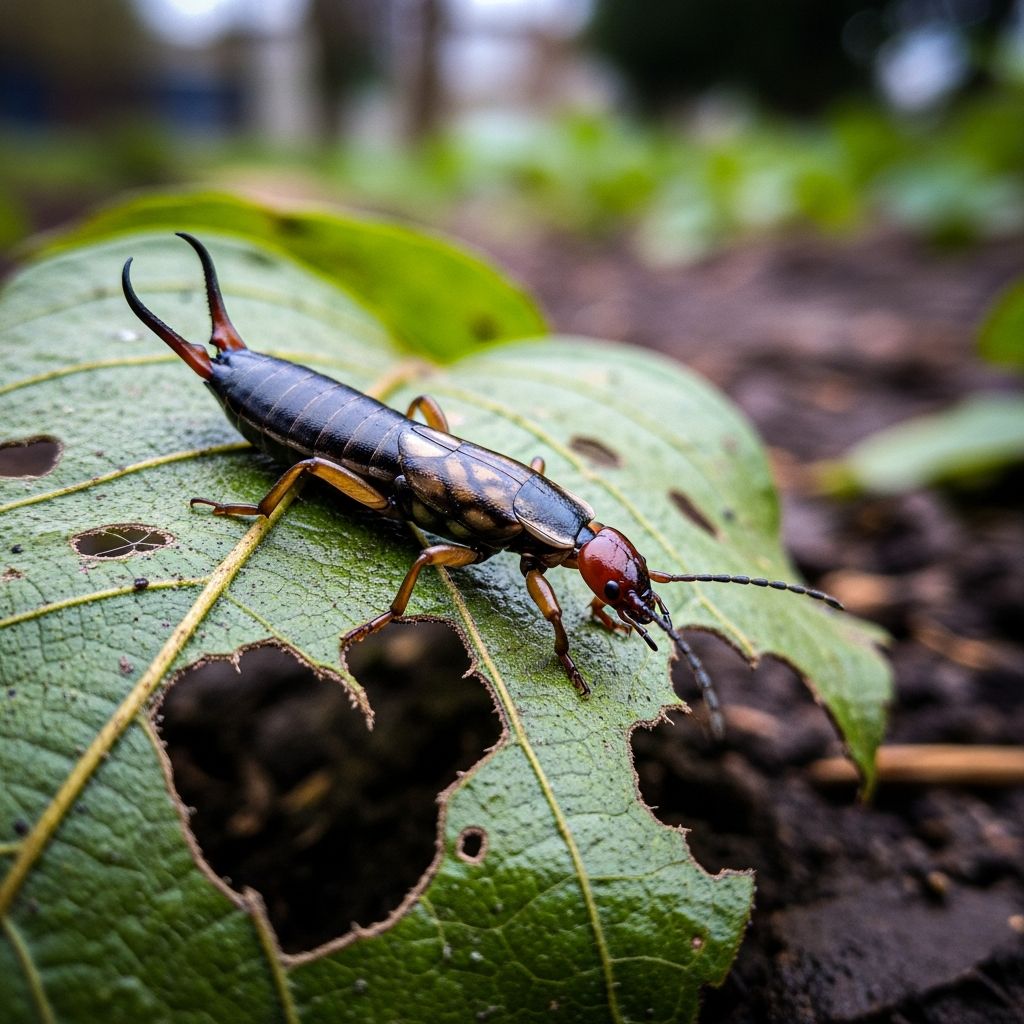
Earwigs are one of the most commonly misunderstood household pests. Despite their intimidating appearance with large pincers, called cerci, at the end of their abdomen, earwigs pose no real threat to humans. These pincers are used primarily for defense and handling food, not for pinching people. Earwigs do not bite, sting, or transmit diseases, making them more of a nuisance than a genuine hazard.
The European earwig, the most common species found in North America, is a nocturnal creature that prefers dark, damp environments. They are primarily scavengers and will consume a wide variety of materials, including decaying plant matter, insects, and fresh plant material. While they have wings, earwigs rarely fly and instead prefer to crawl through soil, mulch, and indoor spaces seeking moisture and shelter.
Identifying Earwig Damage
Recognizing earwig damage is the first step toward effective control. Earwigs feed on the foliage and roots of numerous plants, creating distinctive damage patterns that can help you confirm their presence. Their feeding damage typically appears as small, irregular holes throughout leaves, giving plants a ragged, skeletonized appearance.
Common plants targeted by earwigs include dahlias, zinnias, marigolds, hostas, lettuce, strawberries, seedling beans, roses, and tender grass shoots. They can even damage sweetcorn by feeding on the silks. Unlike slugs, which leave a telltale slime trail, earwig damage does not include any mucous residue, making it easier to distinguish between these two pests.
Where Earwigs Hide
Understanding earwig habitat preferences is crucial for effective control. These pests thrive in moist environments and are attracted to areas with high humidity. Outdoors, they hide in mulch, under rocks, beneath boards, in leaf litter, and in other protected spots near ground level. They may burrow as deep as six feet into the soil during winter months to escape freezing temperatures.
Indoors, earwigs seek out dark, damp locations such as basements, bathrooms, crawl spaces, and garages. They often enter homes through small cracks and crevices around plumbing pipes, foundation gaps, and other openings at ground level. Once inside, they typically do not reproduce extensively since they find limited food sources, but they can become a persistent nuisance.
Monitoring and Inspection
Before implementing any control strategy, proper inspection and monitoring are essential. Check your garden at night with a flashlight to confirm that earwigs are actually present and causing the damage you observe. Look for live earwigs in their typical hiding spots, including under mulch, stones, and debris.
For indoor monitoring, use sticky traps or glue boards placed in areas where you suspect earwig activity, such as basements, bathrooms, or near entry points. These traps help you identify the extent of the problem and track whether your control efforts are working effectively.
DIY Trapping Methods
Trapping is one of the most effective and environmentally friendly ways to control earwig populations. Several simple traps can be constructed from common household materials.
Rolled Newspaper and Cardboard Traps
Create simple traps by rolling up corrugated cardboard or newspaper into tight cylinders. You can also use cardboard tubes from paper towel rolls or short lengths of garden hose. Place these traps near damaged plants, in mulched areas, or among shrubs and other habitats where earwigs congregate. Each morning, shake the accumulated earwigs into a pail of soapy water to drown them. This method is simple, cost-effective, and can be repeated daily for consistent results.
Oil and Water Traps
Shallow containers filled with vegetable oil or soapy water can be buried up to their rim in garden soil and mulched areas. Earwigs are attracted to these traps and will fall into the liquid and drown. This passive trapping method works continuously throughout the day and night, making it particularly effective for overnight control when earwigs are most active.
Burlap and Board Traps
Pieces of burlap, canvas, or wooden boards can serve as harborage traps. Place these materials in areas where earwigs are active, and they will naturally shelter underneath. Small cardboard boxes with quarter-inch holes punched near the bottom and baited with oatmeal or bran also work well. Check these traps each morning and dispose of trapped earwigs.
Removing Harborage Areas
Earwigs require specific environmental conditions to thrive. By eliminating these conditions around your home and garden, you can significantly reduce populations and prevent infestations.
Moisture Control
Since earwigs are highly attracted to moisture, reducing damp conditions is critical. Fix any water leaks in pipes, ensure proper drainage around your foundation and air-conditioning units, and eliminate standing water. Look for signs of water damage such as warping or bulging siding, which indicates moisture problems that create ideal earwig habitat.
Decluttering and Cleanup
Remove loose boards, plant debris, leaf litter, and other materials that provide shelter. Earwigs hide in almost any protected space, so maintaining a clean yard is essential. Pull back mulch several inches away from the foundation to create a dry barrier and reduce earwig harborage.
Gutter Maintenance
Clean gutters seasonally, particularly in spring and fall, to prevent leaves, sticks, and debris from accumulating. These materials provide ideal hiding places for earwigs and can lead to infestations if left unattended.
Landscaping Design
Design your landscaping to create clean, dry borders immediately around your foundation wall. Consider using gravel or ornamental stones instead of mulch in areas adjacent to the house, as these materials are less attractive to earwigs. If you must use mulch near your foundation, use it sparingly and maintain a clear buffer zone.
Sealing Entry Points
Preventing earwigs from entering your home is more effective than dealing with indoor infestations. Seal all gaps and cracks in your foundation, around pipes, windows, doors, and other openings, particularly at ground level. Use caulking compound, putty, and weather stripping to create barriers against earwig entry.
Indoor Control Methods
If earwigs have already entered your home, several simple methods can eliminate them.
Vacuuming
Vacuum up live or dead earwigs you find indoors. This is straightforward and effective, with no need to handle the insects directly. Simply dispose of the vacuum contents in a sealed bag to prevent escape.
Dehumidification
Use a dehumidifier in basements and other damp areas to reduce moisture and create unfavorable conditions for earwigs. This approach addresses the root cause of indoor earwig attraction and helps prevent other moisture-loving pests as well.
Natural Barriers
Apply petroleum jelly around the base of potted plants or garden areas to create a barrier that earwigs will not cross. This prevents them from climbing plants and accessing foliage.
Beneficial Natural Control
Encouraging natural predators can help control earwig populations. Birds are significant predators of earwigs and other garden insects. Installing bird feeders around your yard attracts birds that will consume earwigs and other pests, providing natural, ongoing pest control.
Chemical Control Options
In extreme circumstances where earwig infestations are severe and other methods have not provided adequate control, chemical insecticide applications may be necessary. Always read product labels carefully and follow all instructions. Apply sprays in late afternoon when possible, ensuring residues are fresh when earwigs become active in the evening. Treat only infested areas to prevent damage to beneficial plants, but apply treatments around building foundations and to flowerbeds within a couple of yards of the structure to prevent invasion.
Indoor pesticide treatments are generally not recommended, as they are typically unnecessary and create unnecessary chemical exposure within your living space.
Prevention Strategies
Long-term earwig management depends on preventing conditions that attract them. Maintain good drainage throughout your property, eliminate standing water, and fix any water leaks promptly. Keep your yard clean and well-maintained, removing debris and excess mulch. Create a dry barrier around your foundation, and regularly inspect and seal any potential entry points.
When to Call a Professional
While many homeowners can successfully control earwig populations using DIY methods, severe infestations may require professional pest control services. Professionals can perform thorough inspections, apply appropriate treatments to both interior and exterior areas, and provide ongoing monitoring and seasonal treatments to prevent future problems. Many pest control companies offer seasonal packages specifically designed to manage earwigs and other common household pests.
Frequently Asked Questions
Q: Do earwigs really crawl into human ears?
A: This is a common myth. While earwigs may occasionally wander into dark spaces, they do not deliberately target ears and cannot cause harm if they do enter.
Q: Are earwigs beneficial insects?
A: Earwigs do consume small insect pests and decaying plant materials, making them somewhat beneficial. However, their damage to plants typically outweighs any pest control benefits they provide.
Q: What season are earwigs most active?
A: Earwigs are most active during warm months and are particularly problematic in moist summers when populations tend to be higher. They lay eggs in fall and hibernate through winter.
Q: Can I use pesticides indoors to eliminate earwigs?
A: Indoor pesticide treatments are not recommended for earwig control, as vacuuming and other non-chemical methods are typically sufficient and safer.
Q: How deep do earwigs burrow in winter?
A: Earwigs may dig as deep as six feet below ground to escape cold temperatures, hibernating in protected nests until spring.
Q: What plants are most susceptible to earwig damage?
A: Favorite plants include dahlias, zinnias, marigolds, hostas, lettuce, strawberries, roses, seedling beans, and tender grass shoots.
References
- Earwigs — University of Wisconsin-Madison Horticulture Extension. 2024. https://hort.extension.wisc.edu/articles/earwigs/
- 12 DIY Tips For Earwig Control — Done Right Pest Solutions. 2024. https://donerightpestsolutions.com/blog/12-diy-tips-for-earwig-control
Similar Articles






Read full bio of Sneha Tete