How To Get Rid Of Gnats: 7 Effective Methods
Eliminate gnats with proven DIY methods and prevention strategies for a pest-free home.
How to Get Rid of Gnats for Good
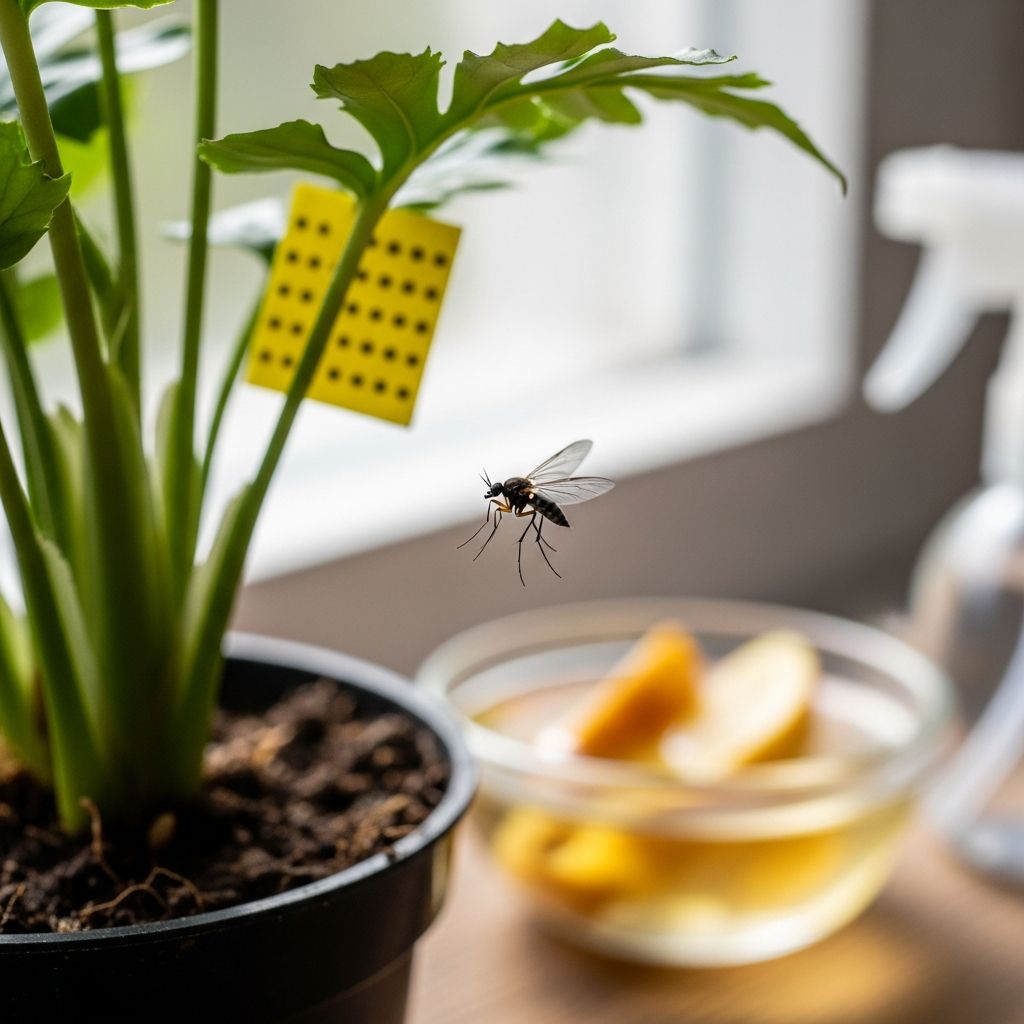
Tiny flying insects hovering around your fruit bowl, kitchen sink, or trash can are often a telltale sign of a gnat infestation. These persistent pests can quickly become a nuisance in any household, but fortunately, they can be managed effectively with the right approach. In most cases, you can eliminate gnats by disposing of food or trash outdoors, cleaning the affected areas thoroughly, and implementing preventive measures. For more severe infestations, a combination of methods may be necessary to completely eradicate these unwelcome visitors from your home.
Understanding Gnat Infestations
Gnats are attracted to moisture, food residue, and organic matter, making kitchens and bathrooms prime breeding grounds. Common infestation areas include kitchen drains, overwatered houseplants, areas with decomposing fruit, and trash receptacles. Understanding where gnats originate and what attracts them is the first step in successfully eliminating them. These insects thrive in environments with excess moisture and readily available food sources, so addressing these conditions is essential for long-term control.
Seven Effective Methods to Get Rid of Gnats
Homeowners can often exterminate minor to moderate gnat infestations using simple do-it-yourself methods combined with thorough cleaning. However, severe gnat infestations may require a combination of these techniques applied over time for complete eradication.
1. Create Vinegar Traps
DIY vinegar traps represent the most effective method for eliminating gnats. This simple trap uses a mixture of apple cider vinegar, dish soap, and sugar in a bowl to attract and trap the insects. The process is straightforward: combine equal parts apple cider vinegar and water in a bowl, add a few drops of liquid dish soap, and place the bowl in the affected area. The sweet smell of the vinegar attracts gnats, while the soap breaks the surface tension, causing them to sink and drown. For increased effectiveness, you can cover the bowl with plastic wrap and poke a few small holes in it, forcing curious gnats to stay near the liquid and increasing your catch rate.
2. Set Up Fruit Traps
Fruit traps work on a similar principle to vinegar traps but use the natural appeal of decomposing fruit. Place overripe fruit in a jar, cover it tightly with plastic wrap, and poke small holes into the wrap’s surface. The gnats will smell the food source and enter through the holes, becoming trapped inside. After a few days, seal the jar completely and dispose of it in the trash. This method is particularly effective for gnats that may be less attracted to vinegar.
3. Use Spray Solutions
If gnats are infesting your houseplants, you can apply either a purchased mild insecticidal spray or create your own. To make a homemade spray, fill an empty spray bottle with lukewarm water and mix in a few drops of mild dish soap. Lightly spritz this solution on gnat-infested plants, but return two to three hours later to rinse the leaves thoroughly to avoid plant damage. Commercially available sprays specifically designed for houseplants are less likely to harm your plants than homemade alternatives, so consider using these for valuable or delicate specimens.
4. Bleach Your Drains
Kitchen drains are common breeding grounds for gnats and drain flies. Mix half a cup of bleach in a gallon of water and pour it slowly down the drain to kill drain flies and their eggs nesting in pipes. Ensure proper ventilation in the room when performing this treatment and maintain it for an hour afterward. For best results, scrub infested drain pipes with a wire brush and enzymatic cleanser before applying the bleach solution. This combination approach removes the buildup where gnats lay eggs while killing existing pests.
5. Create a Candle Trap
If gnats don’t appear attracted to fruit or vinegar, you can try a candle trap. Place a lit candle in a dish of soapy water and turn off the overhead light. Attracted to the flame, gnats may burn up in the fire or drop into the water and drown. This method works best at night when gnats are most active. However, never leave a burning candle unattended, especially while you sleep, as this poses a fire hazard.
6. Purchase Glue or Sticky Traps
Glue or sticky traps are strips of paper or tape with an adhesive coating designed to trap gnats on contact. You can set these traps anywhere in your home where there is gnat activity. While these traps are convenient and require no preparation, they need to be replaced frequently and may have limited effectiveness for large infestations. They work best as part of a comprehensive treatment approach.
7. Install a Bug Zapper
For outdoor gnat infestations, consider purchasing an electric insect killer or bug zapper to install on your porch or patio. These devices attract flying insects and eliminate them upon contact. While effective for outdoor spaces, bug zappers are less practical for indoor use due to noise and maintenance considerations.
Prevention Strategies
Preventing gnat infestations is significantly easier than treating established ones. By implementing these prevention strategies, you can avoid future problems and maintain a pest-free environment.
Food Storage and Kitchen Cleanliness
Store fresh fruit in your refrigerator rather than leaving it on countertops where it attracts gnats. Clean up food and drinks immediately after meals, and wipe up any spills as soon as they occur. Don’t leave dirty dishes in the sink overnight, and ensure your kitchen remains dry, as gnats require moisture to thrive.
Trash Management
Take out your trash every night and use a sealed trash can with a tight-fitting lid. Gnats are often attracted to items in the trash, and using a sealed kitchen trash can while emptying food waste frequently makes your home less appealing to these pests. Store garbage in an outdoor bin when possible to minimize indoor attraction.
Drain Maintenance
Perform regular drain maintenance with diluted bleach or a specialized cleaning solution to keep drains free of grime and fungus where gnats breed. For a more eco-friendly option, use products such as Natural Armor All-Natural Drain Fly Killer or Green Gobbler Fly Goodbye Drain Treatment. Maintaining clean drains prevents the development of conditions that support gnat populations.
Houseplant Care
Indoor plants are often home to gnats, and overwatering leads to damp potting soil that serves as a perfect breeding ground. Ensure your plants are in pots with drainage holes, and cut back on your watering schedule if you notice gnats around your houseplants. Allow soil to dry out between watering to create an inhospitable environment for gnat larvae.
Outdoor Prevention
To prevent outdoor gnat problems, clean up any damp areas around rain gutters and birdbaths. These moisture-rich areas attract gnats and provide ideal breeding conditions. Remove standing water from your yard and ensure proper drainage around your home’s foundation.
Yellow Sticky Traps as Preventive Measures
Set up preventive yellow sticky traps near trouble areas, such as near ripe fruit or houseplants, to keep an infestation at bay before it develops. These traps serve as an early warning system and can catch gnats before they establish a population in your home.
When to Call a Professional
While most gnat infestations can be managed with DIY methods, severe infestations may require professional intervention. Pest control professionals can evaluate your specific situation, identify the source of the infestation, and recommend the most effective treatment approach. Professional exterminators have access to stronger treatments and the expertise to address underlying conditions that contribute to gnat populations. If DIY methods haven’t resolved your gnat problem after two weeks of consistent effort, contacting a pest control service is a worthwhile consideration.
Key Takeaways for Gnat Elimination
Successfully eliminating gnats requires a multi-faceted approach combining immediate eradication methods with long-term prevention strategies. Start by identifying and eliminating moisture sources, as gnats cannot survive in dry environments. Use vinegar or fruit traps to catch existing gnats while cleaning affected areas thoroughly. Maintain consistent kitchen hygiene, proper trash management, and regular drain cleaning to prevent future infestations. Remember that severe infestations may require combining multiple methods and possibly consulting professional pest control services for complete resolution.
Frequently Asked Questions
Q: How long does it take to get rid of gnats?
A: Most gnat infestations can be managed within a week with persistent treatment and proper cleaning. However, the timeline depends on the severity of the infestation. Minor infestations may resolve within a few days, while more severe cases can take two to three weeks of consistent effort using multiple methods.
Q: Are gnats harmful to humans?
A: While gnats are primarily a nuisance, they can bite and cause minor itching. They don’t transmit diseases to humans but can contaminate food with bacteria. The main concern is their rapid reproduction and ability to infest large areas of your home if not addressed promptly.
Q: What’s the difference between gnats and fruit flies?
A: Gnats and fruit flies are often confused but are different insects. Fruit flies are typically attracted to decomposing fruits and vegetables, while gnats are attracted to moisture and organic matter in drains and soil. However, similar traps and prevention methods work for both pests.
Q: Can I use regular vinegar instead of apple cider vinegar?
A: While apple cider vinegar is most effective due to its stronger smell, you can use regular white vinegar as an alternative. Apple cider vinegar tends to attract gnats more readily, so it produces faster results, but other vinegar types will still work in a pinch.
Q: Why do I keep getting gnats despite prevention efforts?
A: Persistent gnat problems often indicate an ongoing moisture source or organic matter accumulation. Check for hidden sources such as in the garbage disposal, under the sink, in potting soil, or in drains. You may also be bringing gnats into your home through infested produce or plants.
Q: Is it safe to use bleach in all drains?
A: While bleach is effective for killing gnats and their eggs in drains, avoid mixing it with other chemicals as this creates toxic fumes. Always ensure proper ventilation when using bleach, and consider using enzymatic drain cleaners as a gentler alternative for regular maintenance.
Q: What’s the best gnat trap for indoors?
A: The apple cider vinegar trap with dish soap is the most effective indoor gnat trap because it’s simple to make, highly attractive to gnats, and inexpensive. Position multiple traps throughout your home for maximum effectiveness, especially in the kitchen and near houseplants.
References
- How To Get Rid of Gnats for Good — This Old House. 2025. https://www.thisoldhouse.com/pest-control/how-to-get-rid-of-gnats
- How to Get Rid of Drain Flies — This Old House. 2025. https://www.thisoldhouse.com/pest-control/how-to-get-rid-of-drain-flies
- How to Get Rid of Fruit Flies — This Old House. 2025. https://www.thisoldhouse.com/pest-control/how-to-get-rid-of-fruit-flies
- How To Kill Flies — This Old House. 2025. https://www.thisoldhouse.com/pest-control/how-to-kill-flies
- Truly Nolen of America Review — This Old House. 2025. https://www.thisoldhouse.com/pest-control/truly-nolen-of-america-review
Similar Articles



Read full bio of Sneha Tete