How to Get Rid of Ice Dams: Prevention & Fast Fixes
Learn proven methods to prevent and remove ice dams from your roof safely this winter.
How to Get Rid of Ice Dams: Prevention and Fast Fixes
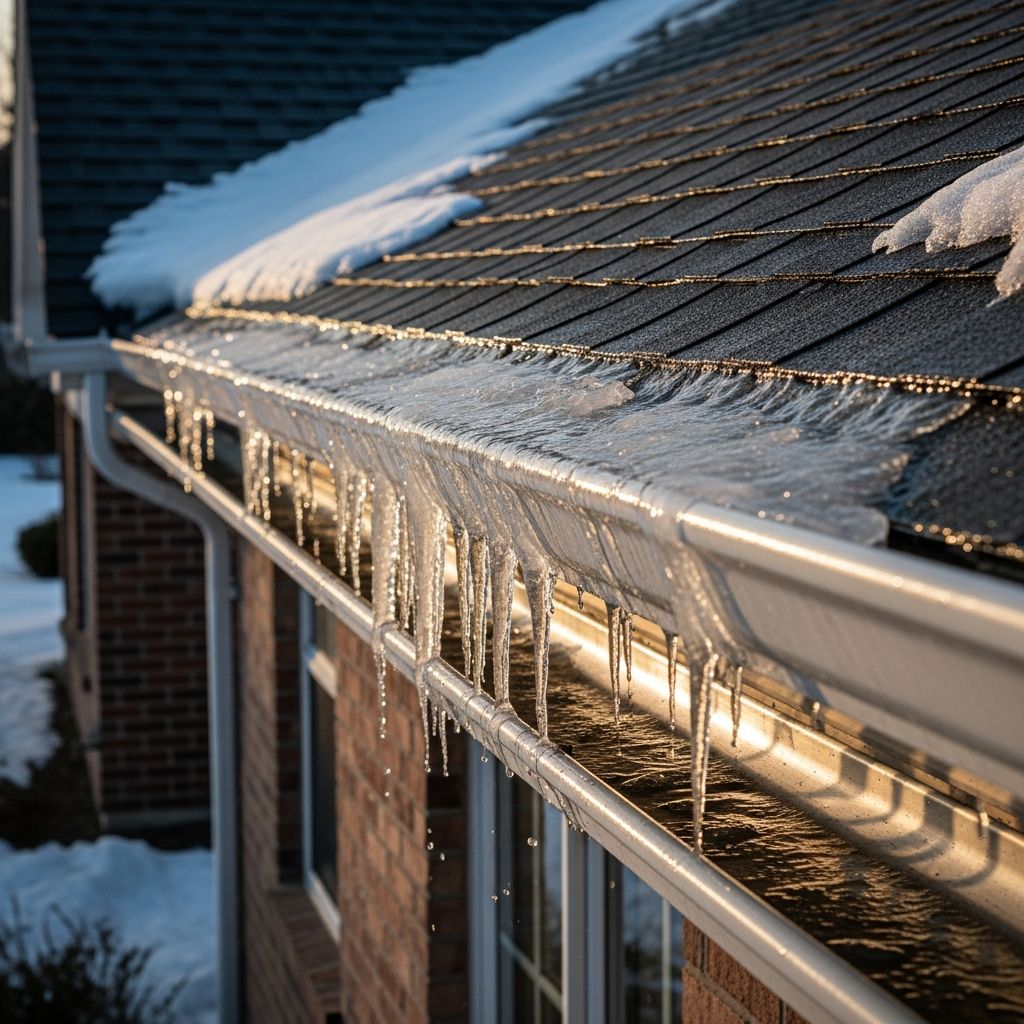
Ice dams are a common winter problem that can cause significant damage to your home if left unaddressed. These ridge-like formations of ice accumulate along the edges of roofs, preventing proper drainage of melted snow and water. When water backs up behind the ice dam, it can seep under shingles and into your home, causing costly water damage, mold growth, and structural problems. Understanding both prevention methods and removal techniques is essential for protecting your home during the winter months.
Understanding Ice Dams
Ice dams form when warm air escapes from your home into the attic, melting snow on the roof. The water runs down the roof and refreezes at the eaves where temperatures are colder. This creates a barrier that prevents additional water from draining properly. The problem intensifies during freeze-thaw cycles common in winter weather, as more snow melts and refreezes repeatedly.
Getting rid of ice dams for good requires a simple principle: keep the entire roof at the same temperature as the eaves. This can be achieved through improved ventilation, better insulation, and proper air sealing throughout your home.
Long-Term Prevention Strategies
The most effective approach to dealing with ice dams is prevention. By addressing the root causes of ice dam formation, you can avoid the problem entirely and save yourself time, money, and stress during winter months.
Improve Attic Ventilation
Proper attic ventilation is crucial for maintaining a uniform roof temperature. When your attic receives adequate airflow, it stays cold enough to prevent snow from melting prematurely. Install soffit vents along the lower edges of your roof and ridge vents along the peak to create a continuous air pathway. This ventilation system allows cold outside air to circulate through the attic, equalizing roof temperature with the surrounding environment.
Enhance Insulation
Inadequate attic insulation allows heat to escape from your living spaces into the attic, warming the roof from below. Increasing insulation levels reduces this heat transfer significantly. Most experts recommend R-38 to R-60 insulation depending on your climate zone. Ensure insulation is installed properly without gaps or compression, as these reduce effectiveness.
Seal Air Leaks
Even small air leaks can allow substantial warm air to escape into your attic. Common culprits include:
- Unsealed attic hatches and whole-house fan openings
- Gaps around electrical cables and vent pipes
- Improperly sealed kitchen and bathroom exhaust ducts
- Leaks around recessed lighting fixtures
Cap attic hatches and whole-house fans with weather-stripped caps made from foil-faced foam board secured with aluminum tape. Ensure that kitchen, bathroom, and dryer vents lead directly outdoors through the roof or walls rather than through soffits. Seal around electrical cables and vent pipes with fire-stop sealant, and caulk any other visible leaky spots where light or stained insulation indicates air movement.
Install Heated Cables
Heated cables provide a supplementary prevention method by maintaining drainage paths along your roof edge. Attached with clips in a zigzag pattern, these cables prevent ice dams that lift shingles and cause leaks. Unlike ventilation improvements that work by maintaining uniform temperatures, heated cables equalize roof temperature by applying heat from the outside. Install cables before bad weather arrives to ensure they’re ready when winter storms hit.
Fast Fixes for Existing Ice Dams
Despite preventive measures, ice dams sometimes still form. When they do, several safe removal methods can minimize damage and restore proper drainage.
Apply Cold Air
For immediate relief when water actively leaks into your home, take a box fan into the attic and aim it at the underside of the roof where leaking occurs. The targeted cold air helps refreezing of the water, stopping the leak temporarily. While not a permanent solution, this technique buys valuable time to implement more lasting fixes and prevents further water damage during active leaking events.
Use a Roof Rake
A long-handled aluminum roof rake enables safe snow removal from ground level without climbing onto your roof. Choose a rake with wheels, which are much gentler on shingles than metal edges. Stand on the ground and slowly pull snow downward, removing as much snow as possible from the lower portions of your roof. By eliminating the snow source, you reduce the amount of water available to form ice dams. This method works best as preventive maintenance after each snowfall rather than after ice dams have fully formed.
The Pantyhose Method
This creative and surprisingly effective technique requires minimal materials. Fill the leg of old pantyhose with calcium chloride ice melter and lay it across the ice dam so it overhangs the gutter. Use a long-handled garden rake or hoe to push it into position if necessary. The calcium chloride slowly melts through the snow and ice, creating a channel for water to flow into gutters or off the roof. This method is safe, won’t damage your roof, and requires no climbing or specialized equipment.
Apply Warm Water
A simple DIY solution involves spraying warm water directly onto ice formations. Fill an empty spray bottle with warm (not boiling) water and spray ice dams until they melt. The warmth gradually melts ice, allowing water to drain properly. While temporary, this provides quick relief during active water infiltration. Always handle warm water carefully to avoid burns or accidents.
Use Ice Picks for Hard-to-Reach Areas
For ice dams in gutters and downspouts, climb a sturdy ladder placed against a wall away from obstructions. Using an ice pick, carefully chip away ice by pricking it until chunks break free. Exercise extreme caution to avoid damaging roof materials or injuring yourself. This method requires careful ladder placement and safety awareness but effectively removes ice from confined spaces inaccessible to other tools.
Methods to Avoid
Several common approaches to ice dam removal can cause serious damage to your roof and should be avoided:
- Metal shovels and scrapers: These damage shingles, underlayment, and flashings. Use only plastic alternatives.
- Hammers and axes: These tools puncture and tear roofing materials, creating new leak pathways.
- High-pressure pressure washers: The force damages shingles and forces water into gaps and crevices.
- Salt-based de-icers: These corrode gutters, downspouts, and metal roofing while potentially harming landscaping.
When to Call a Professional
Removing ice dams from steep roofs or in challenging situations poses serious safety risks. Professional contractors have proper equipment, training, and insurance to handle dangerous jobs safely. Consider hiring professionals if your roof is steep, high, or complex, or if you’re uncomfortable working at heights. Steam removal, the safest and most effective professional method, won’t damage your roof and won’t worsen existing leaks.
Comprehensive Comparison of Ice Dam Solutions
| Method | Cost | Safety | Effectiveness | Duration |
|---|---|---|---|---|
| Attic Ventilation Improvement | $500-$2000 | Very Safe | Excellent | Permanent |
| Increased Insulation | $1000-$3000 | Very Safe | Excellent | Permanent |
| Air Sealing | $300-$1000 | Very Safe | Very Good | Permanent |
| Heated Cables | $150-$400 | Safe | Good | Seasonal |
| Roof Rake | $40-$150 | Very Safe | Good (Prevention) | Temporary |
| Pantyhose Method | $10-$20 | Safe | Good | Temporary |
| Professional Steam Removal | $300-$800 | Very Safe | Excellent | Temporary |
Safety Considerations
Working on roofs in winter presents unique hazards. Ice and snow create slippery surfaces, and the cold temperature slows reaction times. Always use proper ladder placement and secure footing. Wear slip-resistant boots and consider using a safety rope when working at heights. Many homeowners find that professional removal is worth the investment for safety alone.
If you choose to work yourself, inspect your ladder before use, ensure someone knows you’re working on the roof, and avoid working alone. Never work on a roof during active precipitation or when surfaces are icy.
Frequently Asked Questions
Q: How long does it take to prevent ice dams through ventilation improvements?
A: Once ventilation improvements are complete and properly functioning, they work immediately during subsequent winters. However, installation typically takes one to two days depending on roof complexity.
Q: Can I use rock salt to melt ice dams?
A: No. Rock salt is corrosive to gutters, downspouts, and metal roofing. It also damages landscaping and contaminates soil. Use only calcium chloride, which is less corrosive and more effective.
Q: How often should heated cables be replaced?
A: Quality heated cables typically last 10-20 years with proper maintenance. Check them annually before winter to ensure all connections are secure and functioning properly.
Q: What’s the best time to address ice dam prevention?
A: The ideal time is summer or early fall before winter weather arrives. This allows contractors to complete ventilation, insulation, and air sealing work without weather delays.
Q: Can gutters prevent ice dams?
A: Gutters don’t prevent ice dams; they collect water. However, keeping gutters clean and ensuring proper drainage reduces water backup problems. The real solution addresses roof temperature through ventilation and insulation.
Q: Is it normal to have ice dams every winter?
A: No. Recurring ice dams indicate inadequate ventilation or insulation. Professional assessment can identify specific issues and recommend targeted solutions for permanent prevention.
Q: How much does professional ice dam removal typically cost?
A: Professional removal generally costs $300-$800 depending on dam severity, roof accessibility, and removal method. This investment prevents costly water damage to interior walls and ceilings.
References
- How to Get Rid of Ice Dams: Prevention & Fast Fixes — This Old House. 2024. https://www.thisoldhouse.com/roofing/21017660/how-to-get-rid-of-ice-dams
- Removing ice on roofs — Alaska Housing Finance Corporation. 2024. https://www.ahfc.us/download_file/view/8365/671
- 5 Simple Ways to De-Ice Your Roof — Silverleaf Roofs. 2024. https://silverleafroofs.com/how-to-de-ice-your-roof/
- Dealing with and preventing ice dams — University of Minnesota Extension. 2024. https://extension.umn.edu/protecting-home-rain-and-ice/dealing-and-preventing-ice-dams
- Prevent dangerous ice dams on your roof this winter — The Cooperators. 2024. https://www.cooperators.ca/en/personal/resource-centre/stay-safe/ice-dam-prevention
Similar Articles




Read full bio of medha deb