How to Get Rid of Ladybugs: Effective Removal Methods
Safe and effective strategies to remove ladybugs from your home while protecting the environment.
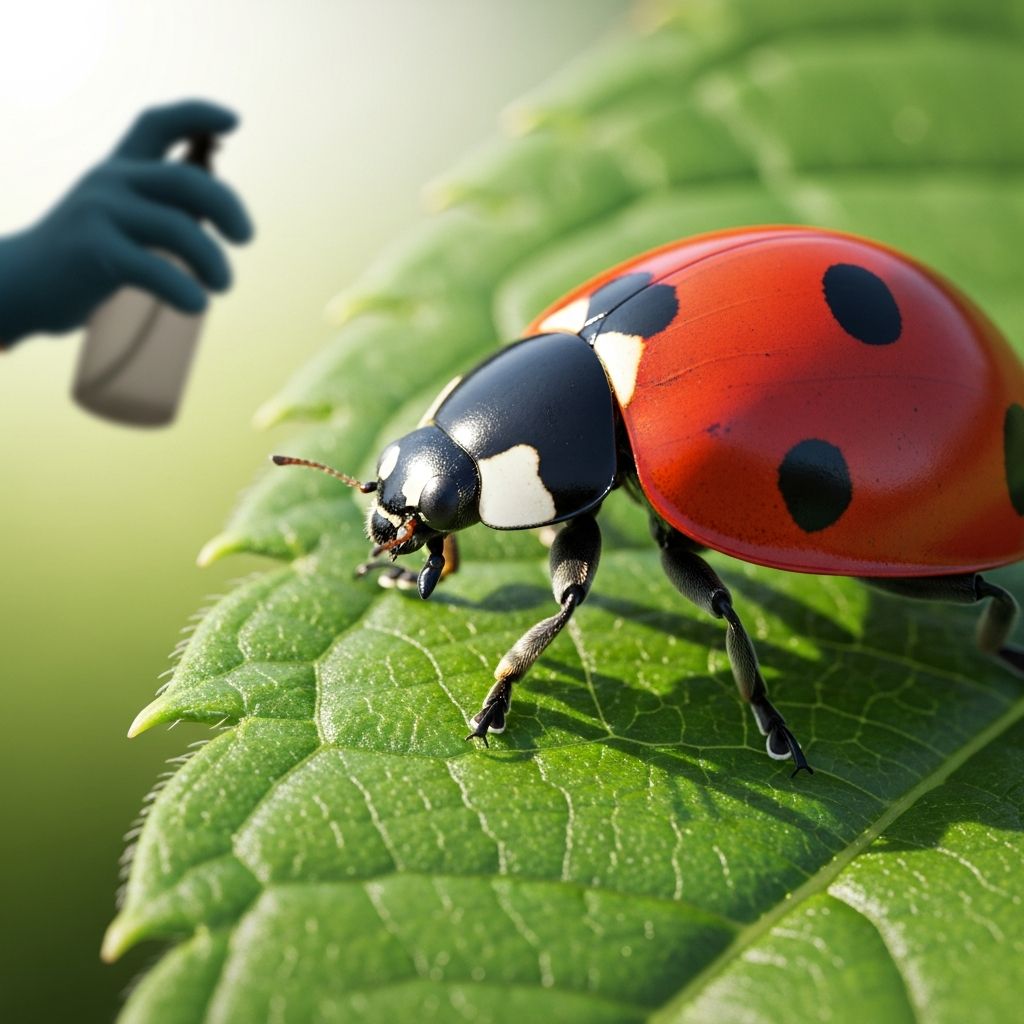
How to Get Rid of Ladybugs: A Complete Guide
Ladybugs are generally harmless insects and are actually beneficial in gardens where they consume aphids and other soft-bodied pests. However, when they invade your home during fall and winter months seeking warmth, they can become a nuisance. While ladybug infestations are uncommon, they can occur under specific circumstances, particularly when large numbers of ladybugs find entry points into your residence. Understanding how to safely remove these insects and prevent future invasions is essential for homeowners dealing with unwanted ladybug populations.
Physical Removal Methods
The most straightforward and humane approach to dealing with ladybugs in your home is through physical removal. These methods are effective, safe, and don’t require any chemicals or pesticides.
Sweeping and Vacuuming
The fastest and most efficient way to eliminate a ladybug infestation is by using your vacuum cleaner to gather up entire nests of ladybugs. This method allows you to remove large numbers of insects quickly and effectively. After vacuuming, it’s crucial to empty the vacuum bag or canister outside, far away from your home, so the ladybugs can establish a new nest in an outdoor environment where they’ll be beneficial to your garden. Once you’ve removed the ladybugs, wash the affected area thoroughly with soap and water. This step is important because ladybugs leave scent trails that attract other ladybugs to the same location. By eliminating these trails, you significantly reduce the chances of additional ladybugs being drawn to that spot.
The Duct Tape Trick
For smaller groups of ladybugs or as a supplementary removal method, the duct tape trick offers a simple and effective solution. Wrap duct tape around your hand with the sticky side facing outward, then gently press it against ladybugs to lift and relocate them. This method works particularly well for individual insects or small clusters. You can also leave strips of strong duct tape around your home as passive traps, allowing the adhesive to capture ladybugs as they crawl across surfaces.
Light Traps
Ladybugs are attracted to light sources, which makes light-based traps an excellent passive removal solution. You can create a simple homemade trap using a plastic bottle and an LED light. Position the light inside or near the bottle, and ladybugs will be drawn to it and fall into the container for easy relocation. For those preferring a ready-made solution, the Zevo Flying Insect Trap uses blue and ultraviolet light to attract and capture ladybugs efficiently without chemicals or toxins.
DIY Repellents and Barriers
Beyond physical removal, several do-it-yourself solutions can help deter ladybugs from entering your home or concentrating in specific areas.
Dish Soap Spray
A simple mixture of dish soap and water creates an effective spray that traps and suffocates ladybugs on contact. Mix several drops of dish soap in a spray bottle filled with water, then apply it directly to areas where ladybugs congregate. You can also leave a shallow bowl of soapy water near light sources where ladybugs tend to gather. As ladybugs are attracted to the lights and attempt to land on the water’s surface, the soap coating prevents them from escaping.
Diatomaceous Earth
Diatomaceous earth is a natural, non-toxic powder derived from fossilized diatoms that serves as both a repellent and pesticide. Sprinkle this fine powder around windows, doors, and other entry points throughout your home. The powder works by dehydrating insects as they crawl across it, effectively eliminating them while also acting as a deterrent that prevents ladybugs from passing through treated areas. This method is particularly useful for sealing gaps and cracks where ladybugs commonly enter.
Chrysanthemums as Natural Barriers
Planting mums (chrysanthemums) around your home and porch in the fall provides a natural deterrent that ladybugs actively avoid. Ladybugs dislike the scent of mums and will steer clear of areas where these flowers are planted. This approach combines pest prevention with attractive landscaping, adding beauty to your yard while protecting your home.
Natural Repellents
Ladybugs are sensitive to certain strong scents that naturally repel them. These aromatic deterrents can be placed near windows, doors, and known entry points or diffused throughout your home using essential oils and diffusers.
Bay Leaves
Crushed bay leaves release a powerful scent that effectively repels ladybugs. Place crushed bay leaves near windows, doors, entry points, and in pantries where ladybugs might venture. The aroma creates an invisible barrier that discourages ladybugs from settling in these areas.
Clove and Clove Oil
The strong, spicy aroma of clove serves as a natural insect repellent that ladybugs find objectionable. You can use whole cloves or dilute clove oil with water to create a spray for application around entry points and vulnerable areas of your home.
Citronella
While commonly known as a mosquito repellent, citronella also effectively deters ladybugs. Burning citronella candles near doors and windows creates a scent barrier that keeps ladybugs from entering. This method is particularly practical during evening hours when ladybugs are most active.
Lavender Oil
Lavender’s pleasant floral scent appeals to humans but repels many insects, including ladybugs. Mix a few drops of lavender essential oil in a spray bottle with water and apply it around your home’s interior and exterior entry points to create a natural deterrent.
Citrus Oils
Citrus oils derived from lemons and oranges contain natural insect-repelling properties that ladybugs find unpleasant. Wipe down windowsills and door frames with a citrus oil solution to establish a protective barrier that discourages ladybugs from crossing into your home.
Chemical Repellents and Insecticides
When natural methods prove insufficient or infestations become severe, store-bought chemical solutions offer more aggressive treatment options.
Commercial Ladybug Sprays
Various insecticides and repellents specifically designed for ladybugs are available at home improvement and garden centers. These products can prevent ladybugs from entering your home or eliminate those already present. Always follow label instructions carefully and consider safety precautions when using chemical treatments indoors.
Multi-Insect Traps
Many commercial fly traps are also effective at capturing ladybugs. These traps use adhesive surfaces or light attraction to capture and eliminate ladybugs efficiently, providing a non-toxic option for homeowners seeking ready-made solutions.
Identifying and Sealing Entry Points
Preventing future ladybug infestations requires identifying and sealing the entry points these insects use to access your home. Common entry locations include:
- Gaps between or below doors
- Gaps or openings in crawl spaces
- Gaps or openings in siding
- Quarter-inch or larger cracks in your foundation
- Tears or holes in window or door screens
- Unsealed cable holes or utility lines
- Unscreened dryer or exhaust vents
Sealing Strategies
Most exterior cracks and gaps can be effectively sealed with water-proof silicone caulk, which remains flexible and weatherproof over time. For larger openings, such as wall recesses or significant gaps around utility lines, expanding foam provides a more comprehensive seal. Home improvement stores sell replacement rolls for window and door screens, making it easy to repair damaged screens that allow insect entry. Installing a mesh dryer vent cap is the most effective method for preventing pests from entering through dryer vents while maintaining proper ventilation.
Combining Methods for Maximum Effectiveness
The most successful approach to ladybug removal and prevention involves combining multiple methods. By integrating physical removal, natural repellents, and preventative sealing, you create multiple layers of defense against ladybug infestations. Start with immediate removal using vacuuming or sweeping, then apply repellents to discourage additional insects from gathering in the same location. Finally, conduct a thorough inspection of your home’s exterior to identify and seal potential entry points. This comprehensive strategy addresses the current problem while preventing future invasions.
Frequently Asked Questions
Q: How do you kill ladybugs?
A: You can eliminate ladybug populations using either natural or chemical-based products. Natural approaches include diatomaceous earth, soapy water spray, and essential oils. Chemical options include store-bought pesticides that create layers of dried poison around ladybug gathering areas. However, physical removal methods like vacuuming are often the most practical and humane approach for most homeowners.
Q: What is the fastest way to get rid of ladybugs?
A: The fastest removal method involves using your vacuum to gather up entire nests of ladybugs quickly and efficiently. Empty the vacuum bag far outside your home so they can establish a nest away from your residence. Clean the affected area with soap to eliminate scent trails, and implement preventative measures like winterizing your home and planting mums around the perimeter to prevent future infestations.
Q: Why do ladybugs enter homes in fall and winter?
A: Ladybugs seek warm shelter as temperatures drop during autumn and winter months. They instinctively look for protected spaces where they can survive the cold season, which is why they commonly find their way into attics, walls, and interior spaces of homes during this period.
Q: Are ladybugs harmful to humans or pets?
A: Ladybugs are generally harmless to humans and pets. They do not bite, sting, or transmit diseases. While they can produce a faint odor when crushed, this poses no health risk. The main reason to remove them is the inconvenience and aesthetic concern of having large numbers in your home.
Q: When should I call a professional pest control company?
A: If you experience frequent or severe ladybug infestations despite implementing removal and prevention methods, contacting a professional pest control company is advisable. They can identify hidden entry points, eliminate existing infestations, and seal vulnerable areas to prevent future invasions. Professional services are particularly valuable if you’re unable to locate where ladybugs are entering your home.
Q: Can I relocate ladybugs instead of killing them?
A: Yes, relocation is an excellent option that maintains these beneficial insects. Gently collect ladybugs using a vacuum, duct tape, or by hand, then deposit them outside away from your home. This preserves the ladybug population while removing them from your living space, allowing them to continue controlling garden pests naturally.
Conclusion
Ladybugs are mostly harmless nuisance pests that find their way inside homes during fall and winter months in search of warmth. While infestations are uncommon, they can be effectively managed through a combination of physical removal, natural repellents, and preventative measures. The recommended approach is to gently sweep up ladybugs with a dustpan and deposit them outside, where they can contribute to natural pest control by feeding on aphids and other garden pests. If you experience frequent ladybug invasions, a thorough inspection will likely reveal openings that insects are using to access your home. Most pests gain entry through small cracks and gaps in foundations, walls, and around utility penetrations. By sealing these vulnerabilities with caulk, expanding foam, and mesh screens, you can significantly reduce future infestations. For severe or persistent problems, professional pest control companies offer comprehensive solutions that identify and eliminate entry points while removing existing populations, ensuring your home remains ladybug-free throughout the season.
References
- How to Get Rid of Ladybugs — This Old House. 2024. https://www.thisoldhouse.com/pest-control/how-to-get-rid-of-ladybugs
- Ladybugs as Organic Pest Control — Homemade Food Junkie. 2024. https://www.homemadefoodjunkie.com/ladybugs-as-organic-pest-control/
- How To Fight Aphids Naturally — This Old House. 2024. https://www.thisoldhouse.com/gardening/21124663/how-to-fight-aphids-naturally
- Types of Pest Control Methods — This Old House. 2024. https://www.thisoldhouse.com/pest-control/pest-control-methods
Similar Articles








Read full bio of Sneha Tete