How To Get Rid Of Mice In Walls: 6 Effective Steps
Discover effective strategies to eliminate mice from your walls and prevent future infestations.
How to Get Rid of Mice in Walls
Mice may seem harmless, but when they invade your walls, they can quickly become a major nuisance. These small rodents are capable of causing significant damage by gnawing on electrical wiring, insulation, and building materials, which can lead to expensive repairs. If you suspect mice have made their way into your walls, it’s crucial to act quickly. This guide will help you identify the signs of a mouse infestation, remove the rodents, and take preventative measures to keep your home rodent-free.
Signs of Mice in Your Walls
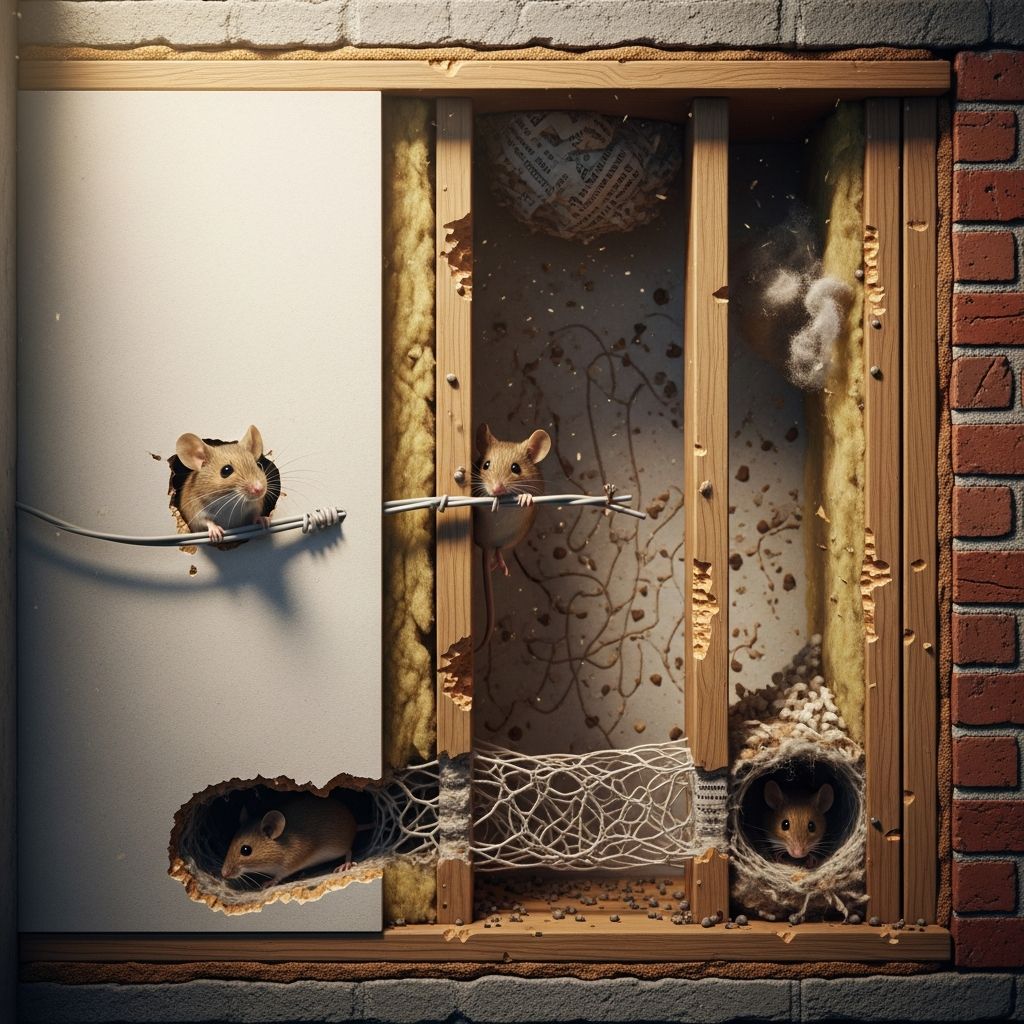
Mice are typically active at night and prefer to stay hidden in dark, unoccupied areas such as crawl spaces, air ducts, and wall cavities. Because they are nocturnal and elusive, you may have a mouse infestation long before you actually see one. Here are some common signs to look out for:
- Droppings: Mouse droppings look like small, dark seeds and are about 1/4 inch long. Check areas where food is stored, along floorboards in basements, cellars, lofts, crawl spaces, and other out-of-the-way places.
- Tracks: Look for feet and tail tracks on dusty floors, which indicate recent mouse activity.
- Nests: Mice build nests using soft, shredded materials such as paper, fabric, and insulation. These nests are often found under cabinets, behind appliances, and in basements.
- Noises: Rustling or scratching sounds in the walls or under floorboards, especially at night, are a strong indicator of mice.
- Gnaw Marks: Mice will gnaw on food packaging, wood, and electrical wiring. Look for these marks as evidence of their presence.
- Musty Odors: A strong, musky odor in enclosed spaces can indicate a mouse infestation, especially as the population grows.
How Mice Enter Your Home
Mice are incredibly resourceful and can squeeze through openings as small as 1/4 inch. Common entry points include:
- Cracks in the foundation
- Holes in siding
- Gaps around windows and doors
- Uncovered vents and ducts
- Utility entry points, especially where pipes penetrate walls
- Loose-fitting attic or exhaust vents
- Damaged weatherstripping
- Gaps beneath doors
Any opening larger than 1/4 inch is a potential entry point for mice. Inspect your home’s exterior thoroughly to identify and seal these gaps.
How to Get Rid of Mice in Your Walls
If you’ve confirmed a mouse infestation, here are the steps to remove them from your walls:
Set Traps
Mouse traps are the most effective way to catch and remove rodents. There are several types of traps available:
- Snap Traps: These traps kill mice instantly and are widely available at hardware stores. They are a good choice for light to moderate infestations.
- Poison Bait Traps: These are less recommended because mice can die and decay inside your walls, creating a foul odor and potential health hazard.
- Live-Catch Traps: These traps capture mice alive, allowing you to release them outside. However, you must empty these traps frequently and release the mice at least a mile away to prevent them from returning.
Bait traps with peanut butter or seeds and place them along walls where you suspect mouse activity. If mice are evading traps left out in the open, you may need to drill a small hole in the drywall a few inches off the floor and place a trap right by the hole.
Seal Any Gaps
While removing mice, it’s essential to seal any gaps or holes to prevent them from returning. Mice can gnaw through sprayable foams and sealants, so use chew-resistant materials:
- Steel Wool: Stuff cracks with steel wool, which mice cannot chew through. However, steel wool can rust over time, so it’s best for temporary use.
- Wire Mesh: Use wire mesh for larger holes on the exterior of your home.
- Door Sweeps: Install door sweeps to cover gaps by the floor.
- Fill Fabric: Use fill fabric made from a mix of stainless-steel and polyester fibers for long-lasting protection.
For holes larger than an inch, seal them with drywall or another suitable material. Cover foam sealant with wire cloth and add another layer of sealant for a solid barrier.
Eliminate Food Sources and Nesting Materials
Reducing the incentive for mice to stay in your home is crucial. Mice will eat most human foods, so:
- Keep food sealed in plastic or glass containers.
- Clean up crumbs and spills promptly.
- Use garbage cans with tight-fitting lids.
- Take out trash with food scraps regularly.
- Keep pet food sealed.
Mice are also attracted to materials they can chew and use for nests, such as cardboard, paper, fabric, string, and stuffing. Store these items in sealable containers.
Preventing Future Infestations
Prevention is key to keeping your home rodent-free. Here are some additional tips:
- Regularly inspect your home’s exterior for potential entry points and seal them promptly.
- Store food in airtight containers.
- Keep your home clean and free of clutter.
- Trim trees and shrubs away from your home to reduce access points.
- Use repellents that give off smells mice dislike, though these are less effective than physical barriers.
When to Call a Professional
If you’ve tried these methods without success, or if the infestation is severe, it’s best to call a professional pest control company. Professionals have the tools and expertise to handle large infestations and can provide long-term solutions to keep your home rodent-free.
FAQs About Getting Rid of Mice in the Walls
What to do if you hear a mouse in the wall?
Mice living in your walls will eventually emerge in search of food. At this time, you can use mouse traps to capture or kill them. Spring-loaded traps are readily available at hardware stores and online and are likely the best option.
How long do mice stay in walls?
Mice can live in your walls for years, reproducing to create a true infestation. If you hear mice in your walls, take steps to remove them before this occurs.
Will mice eventually leave?
No, it is unlikely that mice will ever leave on their own. If you have mice living in your walls, you will either have to tackle the problem with mouse traps or call in a professional extermination service.
Are poison baits safe?
Poison baits are hazardous to pets and children. Additionally, mice that die trapped in the walls can create a terrible odor. Wooden snap traps are a safer and more effective option for most infestations.
How much does mice extermination cost?
Mice extermination can cost between $176 and $614, depending on the size of the infestation, your home, local labor rates, and the method used to eliminate the mice.
Summary Table: Mouse Removal Steps
| Step | Action |
|---|---|
| Identify Signs | Look for droppings, tracks, nests, noises, gnaw marks, and musty odors. |
| Set Traps | Use snap traps, poison bait traps, or live-catch traps. |
| Seal Gaps | Use steel wool, wire mesh, door sweeps, and fill fabric. |
| Eliminate Food Sources | Seal food, clean up crumbs, use tight-fitting lids, and store pet food. |
| Prevent Future Infestations | Inspect and seal entry points, keep home clean, use repellents. |
| Call Professional | If infestation is severe or methods are ineffective. |
References
- How to Get Rid of Mice in the Walls — This Old House. 2023. https://www.thisoldhouse.com/pest-control/how-to-get-rid-of-mice-in-walls
- Your Guide to Mice Removal — This Old House. 2023. https://www.thisoldhouse.com/pest-control/mice-removal
- Mice Exterminator Cost (2025 Guide) — This Old House. 2025. https://www.thisoldhouse.com/pest-control/mice-exterminator-cost
Similar Articles





Read full bio of medha deb