How To Get Rid Of Moles: 6 Proven Ways For Your Yard
Eliminate moles from your yard with proven strategies and expert techniques.
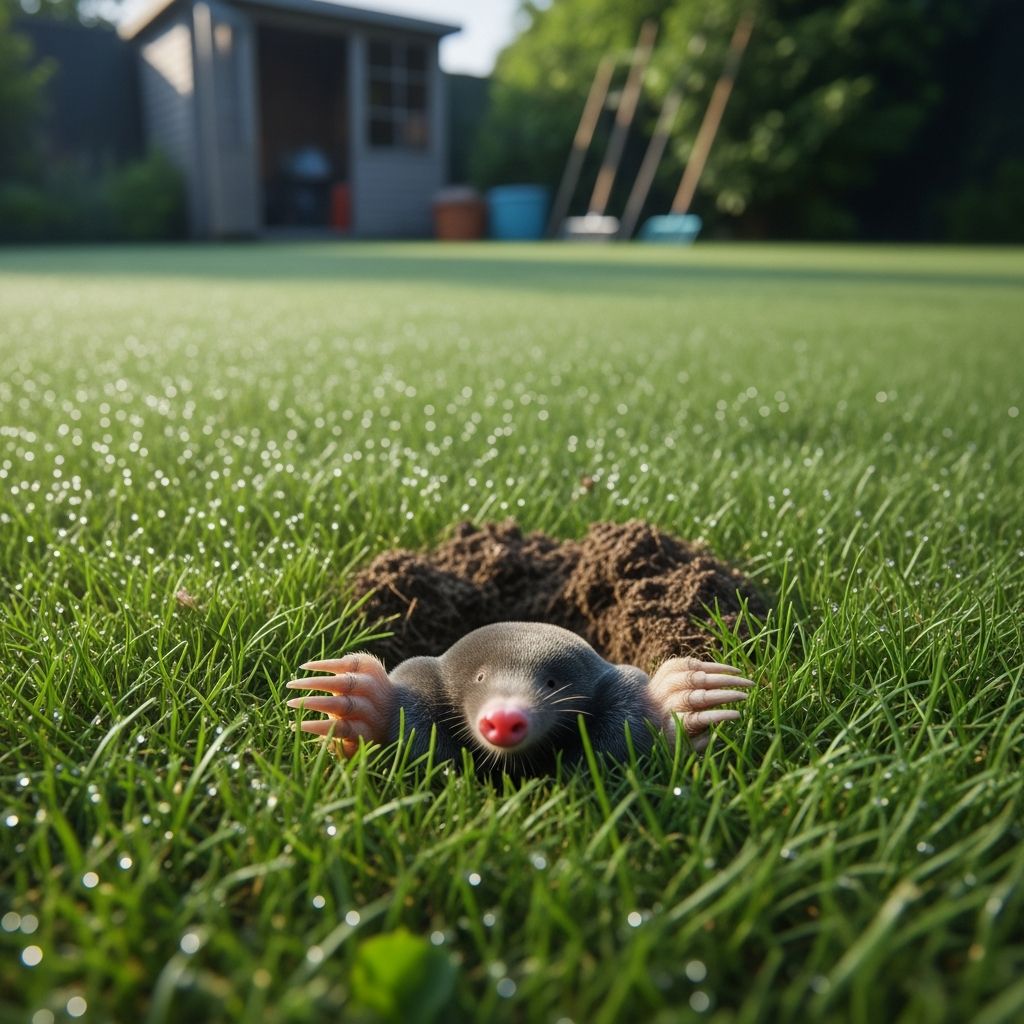
Moles can wreak havoc on your lawn, creating unsightly tunnels and mounds that damage grass and disrupt the aesthetic appeal of your yard. These underground creatures are persistent pests that require a strategic approach to remove. Whether you’re dealing with a single mole or an entire colony, understanding the various removal methods available will help you choose the best solution for your specific situation.
Understanding Your Mole Problem
Before diving into removal strategies, it’s important to understand what you’re dealing with. Moles are small mammals that tunnel underground in search of grubs, earthworms, and other soil-dwelling insects. They’re most active during early spring when the soil becomes workable and their food sources become abundant. The tunnels they create can severely damage your lawn by uprooting grass and creating trip hazards.
Identifying an active mole run is crucial for effective removal. The key is to distinguish between active tunnels—those currently being used by moles—and abandoned ones. Active tunnels will appear fresh and raised, while inactive tunnels may be partially collapsed or grown over.
Six Effective Strategies to Get Rid of Moles
There are multiple approaches to eliminate moles from your yard, ranging from humane to lethal solutions. Each method has its own advantages and disadvantages, and the best choice depends on your situation, preference, and yard conditions.
1. Eliminate Their Food Source
One of the most effective long-term solutions to mole problems is removing their primary food source. Moles tunnel through your yard searching for grubs, earthworms, and other underground insects. By eliminating these pests, you make your yard less attractive to moles.
Treat your lawn with grub control products, particularly during late summer and early fall when grubs are most active. This approach not only helps eliminate moles but also prevents other lawn damage caused by grub infestations. When combined with other mole removal methods, treating for grubs significantly reduces the likelihood of moles returning to your yard.
2. Use Sound Devices to Drive Them Away
Sound-based deterrents work by creating vibrations and noise that disturb moles and encourage them to relocate. These devices are non-lethal and represent a humane approach to mole removal. Various sound devices are available on the market, from wind-powered spinners to battery-operated vibrators.
For a budget-friendly alternative, you can create your own sound deterrent by placing a small radio inside a plastic bag and positioning it near active mole hills. Setting the radio to play continuously can encourage moles to leave the area. Some people have found that placing radios directly into or near mole hills is particularly effective, especially when playing music at regular intervals.
3. Incorporate Plants That Deter Moles
Certain plants naturally repel moles and can be incorporated into your landscaping strategy. These botanical deterrents work by producing odors that moles find unpleasant, causing them to avoid the area.
Plants like castor beans, crown imperial, and narcissus are known to deter moles effectively. The scent of these plants discourages moles from tunneling in treated areas. However, if you have children or pets, exercise caution when planting castor beans, as they are toxic. Crown imperial and narcissus are safer alternatives that provide the same deterrent properties without the toxicity concerns.
4. Spray Your Lawn with Natural Repellents
Natural sprays offer an effective, pet-friendly method for driving moles away from your property. Castor oil-based repellents are particularly popular because moles have a strong aversion to the smell.
Homemade Castor Oil Repellent Recipe:
- Mix 3 parts castor oil with 1 part dish soap
- Dilute 4 tablespoons of the mixture in 1 gallon of water
- Apply the solution by spraying or pouring it directly onto mole tunnel entrances
- For severe infestations, spray the entire yard
This natural repellent won’t kill moles but will create an unpleasant environment that encourages them to move elsewhere. Reapplication may be necessary after rainfall or every few weeks for continued effectiveness.
5. Use Poison or Gas Their Tunnels
For severe infestations that don’t respond to other methods, lethal options are available. These approaches should only be considered when other methods have failed and the mole problem is persistent.
Poison Baits: Commercial mole baits are available at hardware stores and online retailers. The most common active ingredient is Zinc Phosphide. Alternatively, products like Talpirid Mole Bait mimic the appearance and texture of earthworms, tricking moles into consuming the poison thinking it’s food.
Carbon Monoxide Gas: Another lethal option involves using carbon monoxide gas from a small engine or vehicle exhaust. Insert a hose into a mole hill, block other tunnel openings, and direct the exhaust into the tunnels. This method only works effectively if the tunnels are completely sealed; otherwise, the gas will escape and prove ineffective.
Important Safety Considerations: Keep all poisons away from children and pets. Follow all product instructions carefully and wear protective equipment when handling toxic substances.
6. Trap Them in Active Runs
Trapping is one of the most effective and commonly used methods for mole removal. Success depends on correctly identifying and placing traps in active mole runs.
Finding the Active Mole Run:
- Flatten all visible mole tunnels with your foot
- Mark the flattened areas
- Check your lawn periodically throughout the day
- Any raised tunnels that reappear after flattening indicate active runs
- These are the ideal locations for trap placement
Early spring is the optimal time to set traps, as moles are most active when soil is workable and food sources are abundant.
Types of Mole Traps
You have two primary options when choosing a trap type: humane traps and kill traps.
Humane Traps: These devices capture moles alive, allowing you to relocate them. If you choose this option, transport captured moles at least 5 miles from your home and release them in a rural area where they can thrive without causing property damage. While humane traps align with a compassionate approach, many users find them more frustrating and time-consuming than other methods.
Kill Traps: These are more effective and require less ongoing attention. High-quality kill traps like the Wire Tek 1001 EasySet Mole Eliminator Trap are designed with user safety in mind. These traps:
- Require no digging to install
- Pose no above-ground hazards
- Are safe for children and pets once properly set
- Operate with a simple foot lever trigger mechanism
For maximum effectiveness, check traps every few hours and move them 1-2 times per day. Optimal placement is directly in active mole runs identified using the flattening and monitoring technique described above.
Comparison of Mole Removal Methods
| Method | Effectiveness | Cost | Effort | Humane |
|---|---|---|---|---|
| Food Source Elimination | High (Long-term) | Low to Moderate | Low | Yes |
| Sound Devices | Moderate | Low to Moderate | Low | Yes |
| Deterrent Plants | Moderate | Low | Moderate | Yes |
| Natural Repellent Spray | Moderate | Low | Low | Yes |
| Poison Baits | High | Low to Moderate | Low | No |
| Carbon Monoxide Gas | High | Moderate | Moderate | No |
| Trapping | Very High | Low to Moderate | Moderate to High | Optional |
Creating an Integrated Mole Control Plan
The most successful approach to mole elimination often combines multiple strategies. Start with preventive measures like grub control and deterrent plants, then progress to more active removal methods if necessary. This integrated approach addresses both the immediate problem and long-term prevention.
For best results, eliminate grub populations while simultaneously implementing your chosen mole removal strategy. This prevents moles from being attracted back to your yard once you’ve removed the existing population.
When to Call a Professional
If you have a large property, significant mole infestation, or prefer not to handle removal yourself, professional pest control services are available. These experts have specialized equipment and experience dealing with persistent mole problems. They can assess your specific situation and recommend the most effective combination of treatments.
Frequently Asked Questions About Mole Removal
Q: What time of year are moles most active?
A: Moles are most active during early spring and fall when soil conditions are optimal for tunneling and their food sources are abundant. This is the best time to set traps or implement removal strategies.
Q: How do I know if a mole tunnel is active?
A: Flatten the tunnel and monitor it throughout the day. Active tunnels will be raised again as moles continue using them. This identification method is crucial for successful trap placement.
Q: Are moles dangerous to humans?
A: Moles are not aggressive and won’t bite unless directly threatened. However, their tunneling can create trip hazards and damage lawn infrastructure, making removal preferable for safety and aesthetics.
Q: Can I use poison mole bait safely around pets?
A: Poison baits should be kept away from pets and children. Store products safely and follow all label instructions. If you have pets, consider using humane traps or non-lethal deterrents instead.
Q: How far should I relocate a trapped mole?
A: Transport captured moles at least 5 miles from your home to prevent them from returning. Release them in a rural area where they can establish a new burrow system away from residential properties.
Q: Will treating for grubs eliminate my mole problem?
A: Eliminating grubs removes a primary food source, making your yard less attractive to moles. However, combining grub treatment with active removal methods like trapping provides the fastest and most effective results.
Q: What’s the most effective trap for killing moles?
A: The Wire Tek 1001 EasySet Mole Eliminator Trap is highly recommended for its effectiveness, safety, and ease of use. It requires no digging and poses minimal risk to the user during setup.
Q: How often should I check my mole traps?
A: Check traps every few hours and move them 1-2 times per day for maximum effectiveness. Frequent monitoring ensures quick removal and allows you to relocate traps if an area shows no activity.
References
- How to Get Rid of Moles in Yard: 6 Strategies — Lawn Chick. 2024. https://lawnchick.com/how-to-get-rid-of-moles-in-yard/
Similar Articles








Read full bio of Sneha Tete