How to Get Rid of Sweat Stains: Complete Guide
Master the art of removing stubborn sweat stains from clothing with proven methods.
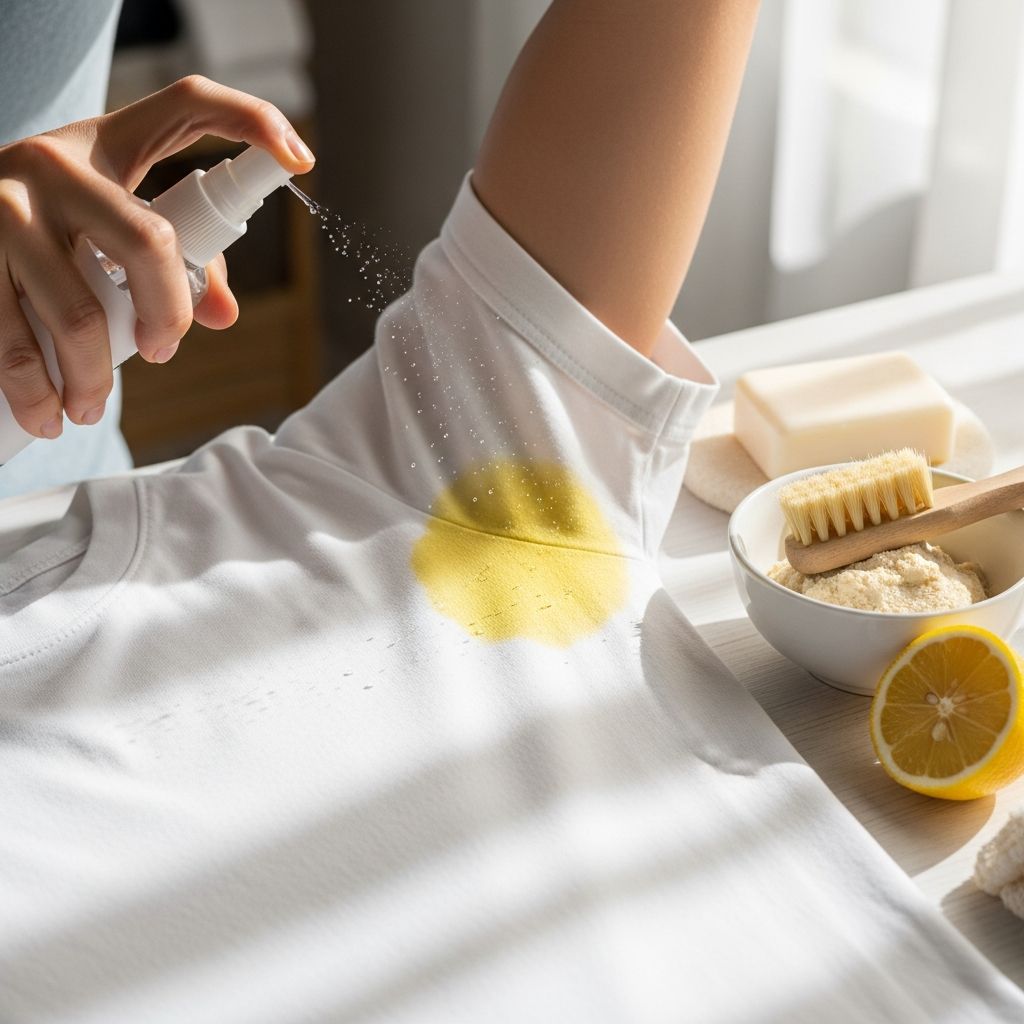
Sweat stains are one of the most common and stubborn types of marks that appear on clothing, especially in the underarm areas and collar regions. Whether you’re dealing with fresh perspiration marks or set-in yellow discoloration that has accumulated over time, understanding the right removal techniques can help restore your garments to their original appearance. This comprehensive guide will walk you through various methods to eliminate sweat stains effectively using both household solutions and specialized products.
Understanding Sweat Stains
Before tackling removal methods, it’s important to understand what causes sweat stains. Sweat itself is primarily water and salt, but when combined with deodorants and antiperspirants containing aluminum compounds, it can create stubborn yellow or brown discoloration on fabric. These stains are particularly challenging because they often set into the fibers over time, making them harder to remove with standard washing.
The composition of sweat stains means that they respond differently to various cleaning methods. Fresh stains are typically easier to remove than old ones, which have had time to bond with the fabric fibers. Additionally, different fabric types require different approaches, as delicate materials may be damaged by harsh chemicals or aggressive scrubbing.
Act Quickly on Fresh Stains
The most effective way to deal with sweat stains is to address them as soon as possible. When a stain is fresh, the perspiration hasn’t fully set into the fabric, making it significantly easier to remove.
Immediate Steps for Fresh Stains:
- Rinse with cold water: Flush the affected area with cold water from the back of the fabric to push the stain out rather than deeper into the fibers
- Blot gently: Use a clean cloth to blot away excess moisture without rubbing, which can spread the stain
- Pre-treat: Apply a pre-stain treatment product or use one of the household solutions mentioned below
- Wash promptly: Don’t let the garment sit for extended periods after treating, as this can allow the stain to set permanently
Household Remedies for Sweat Stain Removal
Many effective sweat stain removal solutions can be made from common items already in your home. These budget-friendly options are often just as effective as commercial products.
Vinegar Solution
White vinegar is a powerful natural cleanser that works well on sweat stains. The acidity helps break down the compounds that cause discoloration. Mix equal parts white vinegar and water in a spray bottle, spray the affected area generously, and let it sit for 30 minutes to an hour. Then rinse thoroughly with cold water and wash as normal. For stubborn stains, you can create a paste by mixing vinegar with baking soda and applying it directly to the stain.
Baking Soda Paste
Baking soda is a gentle yet effective abrasive that can lift stains without damaging most fabrics. Create a paste by mixing three parts baking soda with one part water. Apply this paste directly to the sweat stain and gently rub it in with an old toothbrush or soft brush. Allow it to dry completely, then brush away the dried paste and wash the garment. This method works particularly well on white fabrics and can help neutralize odors associated with sweat stains.
Lemon Juice and Salt
The natural bleaching properties of lemon juice combined with salt create an effective stain-fighting solution. Mix fresh lemon juice with salt to create a paste, apply it to the stain, and allow it to sit in direct sunlight for several hours. The combination of the acidic lemon and the sun’s UV rays can help fade yellow stains. This method is particularly effective for white and light-colored garments.
Hydrogen Peroxide
For white fabrics and light colors, hydrogen peroxide can be very effective. Apply a small amount directly to the stain and let it bubble for a few minutes, which indicates it’s working. Rinse thoroughly with cold water before washing. Be cautious with this method on colored fabrics, as hydrogen peroxide can bleach dyes. Always test on an inconspicuous area first.
Aspirin Solution
Aspirin contains salicylic acid, which can help break down sweat stain compounds. Crush 2-3 aspirin tablets and mix them with a small amount of water to create a paste. Apply to the stain and let sit for several hours before rinsing and washing. This method is particularly effective for older, set-in stains and works well on white fabrics.
Commercial Stain Removal Products
When household remedies don’t provide satisfactory results, several commercial products are specifically designed to target sweat stains.
Popular Commercial Options:
- Enzyme-based cleaners: These products contain enzymes that break down the proteins and other compounds in sweat stains. They’re particularly effective on organic stains and work well on a variety of fabrics
- Oxygen-based bleach: Products like OxiClean are gentler than chlorine bleach but still effective at removing tough stains. They work by releasing oxygen molecules that penetrate the fabric
- Specialized stain sticks: Pre-treatment products designed specifically for sweat stains can be applied before washing for targeted treatment
- Laundry boosters: Additives that enhance your regular detergent’s stain-fighting power can be especially helpful for sweat stains when combined with other methods
Step-by-Step Stain Removal Process
Follow this comprehensive process for maximum effectiveness when removing sweat stains:
Step 1: Assess the Stain
Determine how old the stain is, what color and fabric you’re working with, and how severe the discoloration appears. This will help you choose the most appropriate removal method.
Step 2: Pre-treat the Area
Apply your chosen treatment method directly to the stain. Whether using a household remedy or commercial product, ensure thorough coverage of the affected area.
Step 3: Let it Sit
Allow adequate time for your treatment to work. Most methods require 30 minutes to several hours. Check the specific product or remedy instructions for optimal timing.
Step 4: Gently Work the Treatment In
Use a soft brush or your fingers to gently work the treatment into the fabric. Avoid aggressive scrubbing, which can damage the material or spread the stain.
Step 5: Rinse Thoroughly
Rinse the treated area with cold water until all residue from your treatment is removed. Any leftover product can leave its own stain or discoloration.
Step 6: Launder as Normal
Wash the garment using your regular laundry routine. Use hot water if the fabric allows, as heat can help further break down stain compounds. Check that the stain is completely gone before drying, as heat can set remaining stains permanently.
Tips for Stubborn and Set-In Stains
Old, stubborn sweat stains that have been set into fabric require more aggressive approaches. When standard methods aren’t working, try these additional techniques:
- Combine multiple methods: Use vinegar followed by baking soda for enhanced stain-fighting power. The combination of different cleaning agents can tackle stains that resist single treatments
- Use enzymatic cleaners: These products are specifically designed to break down organic compounds and are particularly effective on older stains
- Try oxygen bleach soaks: Soak the entire garment in an oxygen bleach solution overnight before washing. This method works well for heavily stained items
- Apply heat: Some methods work better when heat is applied. Try using a warm iron over a damp cloth on the stain, or use warm water instead of cold when rinsing
- Repeat the process: Stubborn stains may require multiple treatment cycles. Don’t give up after the first attempt; try again with the same or different methods
Prevention Strategies
The best approach to sweat stain management is prevention. Implementing these strategies can help minimize the severity of stains before they occur:
- Choose the right deodorant: Aluminum-based antiperspirants are more likely to cause yellow stains. Consider switching to aluminum-free options if staining is a persistent problem
- Wear undershirts: A thin undershirt acts as a barrier between sweat and your outer clothing, protecting your garments from direct perspiration
- Allow clothes to air dry: When possible, hang garments in sunlight after wearing. UV rays can help prevent stains from setting and can even fade existing discoloration
- Wash promptly: Don’t let sweaty clothes sit in your hamper for days. Wash them soon after wearing to prevent stains from setting
- Use antiperspirant correctly: Apply antiperspirant the night before, as it works better when applied to dry skin and given time to take effect
Fabric-Specific Considerations
Different fabrics require different care approaches when dealing with sweat stains. Always check garment care labels before treating, and test any new method on an inconspicuous area first.
White Cottons: These are generally the most forgiving fabrics for stain treatment. They can handle more aggressive methods, including hydrogen peroxide and oxygen bleach, without damage to the material.
Colored Fabrics: Use gentler methods and avoid bleaching agents that might lighten or change the color. Vinegar, baking soda, and enzyme-based cleaners are safer choices for colored garments.
Delicate Fabrics: Silk, wool, and other delicate materials require extra care. Stick to gentle methods like vinegar solutions and mild enzyme cleaners, and avoid abrasive brushing.
Synthetic Blends: These often respond well to enzyme-based cleaners and commercial stain treatments. Test heat methods carefully, as some synthetics can be damaged by high temperatures.
When to Seek Professional Help
If home remedies and commercial products have failed to remove sweat stains after multiple attempts, professional dry cleaning may be your best option. Professional cleaners have access to specialized equipment and powerful cleaning solutions that can tackle stains that resist home treatments. They can also provide guidance on whether a garment can be safely treated or if the stain is permanent.
Frequently Asked Questions
Q: Why do sweat stains turn yellow?
A: Sweat stains turn yellow due to the interaction between sweat’s natural compounds and the aluminum in antiperspirants. Over time, this chemical reaction creates stubborn yellow or brown discoloration that becomes increasingly difficult to remove as it sets into the fabric fibers.
Q: Can all sweat stains be removed?
A: Most sweat stains can be removed with the right combination of methods and timing. However, extremely old or severely set stains on delicate fabrics might be permanent. Fresh stains have the highest removal success rate, which is why prompt action is crucial.
Q: Is it safe to use bleach on sweat stains?
A: Chlorine bleach is not recommended for most fabrics with sweat stains as it can cause yellowing and damage. However, oxygen bleach is a safer alternative that can effectively remove sweat stains without the harsh effects of chlorine bleach.
Q: How can I prevent sweat stains on expensive clothing?
A: Wear undershirts as a protective barrier, wash garments promptly after wearing, use antiperspirant correctly, and consider switching to aluminum-free deodorants. These preventative measures can significantly reduce the likelihood of stubborn sweat stains developing.
Q: What’s the most effective natural remedy for sweat stains?
A: The combination of vinegar and baking soda is often the most effective natural remedy. The acidic properties of vinegar combined with the gentle abrasive action of baking soda tackle stains from multiple angles, making this method highly successful for most sweat stains.
Q: Should I use hot or cold water for sweat stain removal?
A: Generally, use cold water for initial rinsing to prevent the stain from setting deeper into the fabric. However, warm or hot water can be used during the washing cycle after pre-treatment, as heat can help break down stain compounds when combined with detergent and other treatments.
References
- Stain Removal Guide — The Laundry Institute. 2024. https://www.laundryinstitute.org/
- Understanding Fabric Care and Stain Removal — American Cleaning Institute. 2024. https://www.cleaninginstitute.org/
- Textile Care and Maintenance Best Practices — International Textile Care Labeling Council. 2023. https://www.care-labeling.org/
- Chemical Properties of Common Household Cleaners — U.S. Environmental Protection Agency. 2024. https://www.epa.gov/pesticides/cleaning-products-and-household-chemicals
- Laundry and Textile Science — Fabric Care Research Foundation. 2023. https://www.fabriccare.org/
Similar Articles


Read full bio of medha deb