How to Get Wax Out of Candle Jars: 5 Easy Methods
Learn five simple and effective methods to remove wax from candle jars and give them a second life.
How to Get Wax Out of Candle Jars: Five Simple Methods
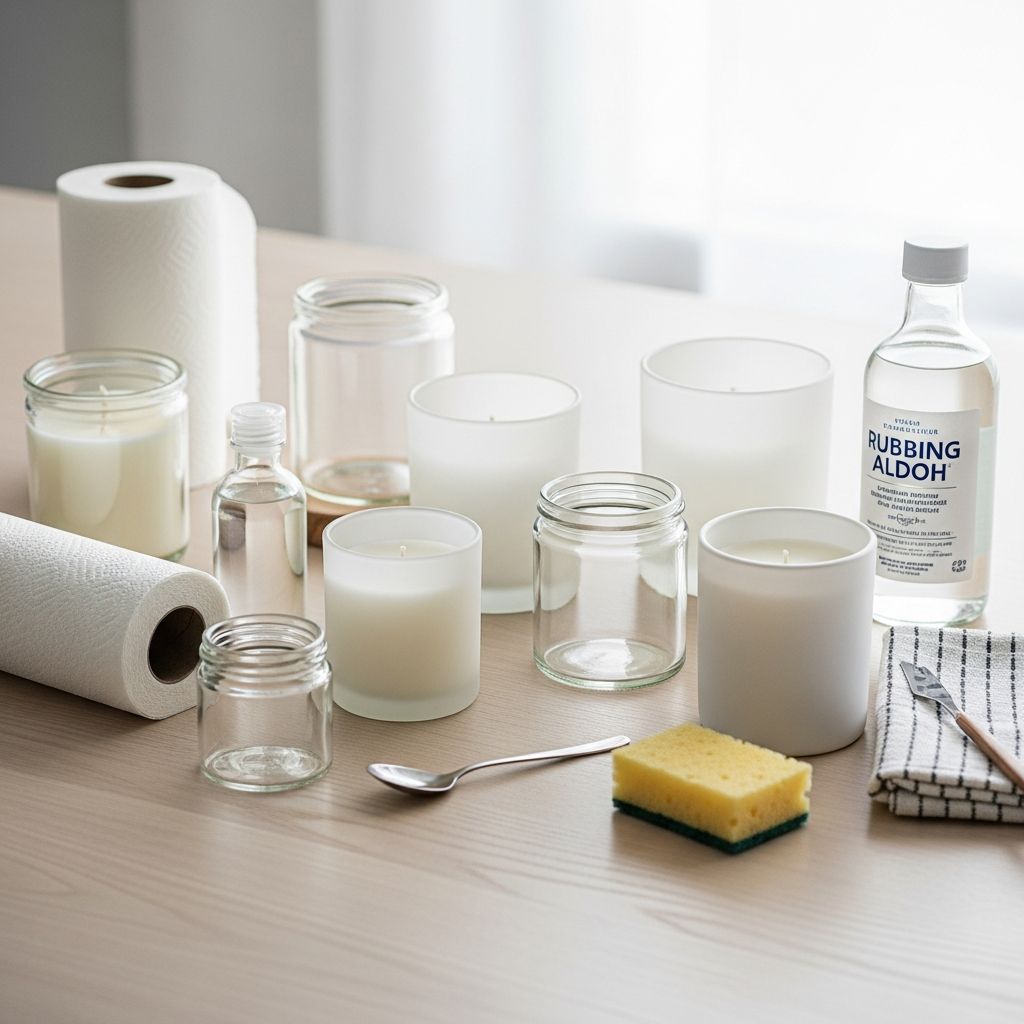
Scented candles add warmth, ambiance, and beautiful fragrances to any home, but what happens when the candle has burned down to its last flicker? Many people throw away their candle jars, not realizing these attractive vessels can be given a second life. Whether you want to reuse them for decoration, refill them with new wax, or repurpose them as storage containers, learning how to remove wax from candle jars is an essential skill. Fortunately, there are multiple simple and effective methods to accomplish this task without damaging your cherished containers.
The good news is that removing wax from candle jars doesn’t require expensive tools or harsh chemicals. Most techniques use items you likely already have at home, such as boiling water, your freezer, or your oven. Each method has its advantages depending on your jar’s thickness, the amount of wax remaining, and your personal preferences. In this comprehensive guide, we’ll explore five proven techniques that will help you reclaim those beautiful candle jars and give them new purpose.
Method 1: The Water Bath – The Simplest Solution
The water bath method is one of the most straightforward and accessible techniques for removing wax from candle jars. This gentle approach works wonderfully for most jar types and requires minimal effort. The process relies on the principle that melting wax becomes pliable and easier to remove when softened by heat.
Here’s how to use the water bath method:
- Fill a large pot with water and bring it to a gentle boil
- Place a heat-safe container or trivet in the pot to elevate your candle jar above the direct heat
- Carefully position your candle jar on the container within the hot water bath
- Allow the jar to sit for approximately 10 to 15 minutes, allowing the wax to soften completely
- Using a butter knife or plastic scraper, gently remove the softened wax from the sides and bottom of the jar
- Once the majority of wax is removed, wash the jar thoroughly with warm soapy water and a sponge
- Rinse completely and dry with a soft cloth
This method is particularly effective because the indirect heat prevents thermal shock, which can crack or damage thin glass. The softened wax peels away cleanly without excessive scraping, making it ideal for vintage or delicate jars where you want to preserve the vessel’s integrity.
Method 2: The Freezer Technique – Quick and Easy
For those seeking an effortless approach, the freezer method is remarkably effective and requires virtually no active work on your part. Cold temperatures cause wax to contract and become brittle, which causes it to naturally separate from the jar’s sides.
Follow these simple steps:
- Place your candle jar directly in the freezer
- Leave it overnight, or for at least 8 to 12 hours, depending on the amount of wax in your jar
- Remove the jar from the freezer and immediately start scraping the wax with a plastic scraper, butter knife, or your fingernail
- The frozen wax should peel away from the jar in large chunks or flakes
- Once most of the wax is removed, wash the jar in warm soapy water to remove any remaining residue
- Dry thoroughly before reusing or repurposing your jar
The beauty of this method lies in its simplicity and effectiveness. Because the wax becomes brittle from freezing, it separates from the glass naturally without requiring much physical effort. This technique works particularly well for jars with substantial amounts of wax remaining and is ideal for those who prefer a hands-off approach that happens while you sleep.
Method 3: Direct Hot Water Method – Simple Yet Effective
This straightforward technique harnesses the power of boiling water poured directly into your candle jar. It’s quick, efficient, and perfect for jars with thicker glass that can withstand temperature changes.
Here’s the step-by-step process:
- Boil water in a kettle or saucepan until it reaches a rolling boil
- Carefully pour the boiling water into your candle jar, filling it approximately halfway
- The hot water will immediately begin melting the wax, causing it to float to the surface
- Allow the water to cool completely, which typically takes 45 minutes to an hour
- As the water cools, the wax will solidify on the surface in a disc or sheet
- Lift the hardened wax disc out of the jar and discard it or save it for candle-making projects
- Pour out the water carefully, using a strainer to prevent wax particles from clogging your drain
- Wash the jar with hot soapy water to remove any remaining wax residue or soot
- Rinse and dry completely
This method is particularly satisfying because you can watch the transformation happen as the wax floats to the surface. It’s also highly efficient for removing large amounts of wax in a single process. However, ensure your jar has thick enough glass to handle the temperature difference between boiling water and room temperature, as thin glass may crack.
Method 4: The Oven Technique – The Cleanest Approach
For those who want the most thorough cleaning and don’t mind using their oven, this method delivers professional-level results. The oven method uses gentle, controlled heat to melt wax completely, leaving your jar exceptionally clean.
Step-by-step oven instructions:
- Preheat your oven to a low temperature of 100 to 120 degrees Celsius (approximately 200 to 250 degrees Fahrenheit)
- Line a baking sheet with aluminum foil to catch any wax drips and simplify cleanup
- Place your candle jar upside down on the prepared baking sheet
- Insert the sheet into the preheated oven and monitor the jar carefully
- Within 10 to 15 minutes, the wax should begin melting and dripping onto the foil below
- When the wax has completely melted (watch for signs that all wax has dripped away), remove the jar using an oven mitt or kitchen towel
- Allow the jar to cool slightly before handling further
- Wipe away any remaining wax residue with a paper towel or cloth
- Wash the jar thoroughly with hot soapy water
- Rinse and dry completely
This method is exceptionally effective because the wax melts away completely and drips onto the foil, leaving minimal residue to clean. The low temperature prevents damage to the jar while ensuring thorough wax removal. This technique is particularly useful for jars with stubborn, built-up wax or those with decorative labels that need to be removed.
Method 5: The Hair Dryer Approach – Creative and Portable
While not the most conventional method, using a hair dryer offers a creative solution for those who prefer a more controlled, hands-on approach without using major appliances.
How to use this method:
- Hold the candle jar securely using an oven mitt or towel to protect your hands from heat
- Set your hair dryer to its highest heat setting
- Direct the warm air toward the sides and bottom of the jar, rotating as you go
- After 2 to 3 minutes of heating, the wax should become soft and pliable
- Use a butter knife or plastic scraper to gently remove the softened wax
- Continue heating and scraping until all wax is removed
- Clean any remaining residue with warm soapy water
- Dry the jar completely
Choosing the Right Method for Your Situation
| Method | Time Required | Effort Level | Best For | Pros | Cons |
|---|---|---|---|---|---|
| Water Bath | 15-20 minutes | Low | Standard jars, gentle approach | Controlled heat, safe for most glass | Requires monitoring |
| Freezer | 8-12 hours (passive) | Very Low | Hands-off cleaning, busy schedules | Completely passive, very effective | Requires advance planning |
| Hot Water | 60 minutes | Very Low | Thick-walled jars, quick results | Fast, simple, dramatic transformation | Risk of thermal shock on thin glass |
| Oven | 15-30 minutes | Low | Heavy wax buildup, thorough cleaning | Most thorough cleaning method | Requires oven use, needs monitoring |
| Hair Dryer | 10-15 minutes | Medium | Small amounts of wax, creative projects | Portable, precise control | Most labor-intensive |
Post-Cleaning Care and Repurposing Ideas
Once you’ve successfully removed the wax from your candle jar, you have countless options for giving it new life. Clean jars make excellent storage containers for small items, beautiful vases for flowers or branches, or decorative pen holders for your desk. Some people refill their cleaned jars with fresh wax and new wicks to create custom candles. Others use them in the kitchen for storing dry goods like coffee beans, tea, or spices. Painted or embellished jars become personalized gifts, while clear glass jars work wonderfully as terrarium containers or decorative elements in any room of your home.
To ensure your jar remains in excellent condition after cleaning, store it in a cool, dry place away from direct sunlight. If you plan to refill it with candle wax, ensure it’s completely dry before adding new materials. For decorative or storage purposes, consider adding labels, paint, or embellishments that reflect your personal style.
Tips for Success
- Always use caution with heat: Whether using hot water, an oven, or a hair dryer, be careful to avoid burns and thermal shock that could crack your jar
- Protect your drain: When pouring out water containing melted wax, use a strainer to prevent wax from clogging your pipes
- Save the wax: If you’re interested in candle-making, collect the removed wax in a container for future projects
- Test first: If you’re uncertain about your jar’s durability, test with a gentle method like the freezer or water bath before trying more aggressive approaches
- Combine methods: For particularly stubborn wax, feel free to combine methods—for example, freeze the jar first, then use a hair dryer on remaining residue
- Work systematically: Approach wax removal methodically, working from the bottom and sides to ensure complete removal
- Final wash: Always finish with a thorough wash in hot soapy water to remove all wax particles and any soot or residue
Frequently Asked Questions
Q: Will any of these methods damage my candle jar?
A: If used correctly, these methods are generally safe for most candle jars. However, very thin glass may be at risk with direct boiling water or oven methods. When in doubt, start with the freezer or water bath method using indirect heat.
Q: Can I reuse the wax I remove from my candle jar?
A: Absolutely! The wax you remove can be saved and used to create new candles. Simply strain it through a fine mesh to remove any impurities or debris before melting it for a new project.
Q: How long does each method take to remove wax?
A: The freezer method takes 8-12 hours but is completely hands-off. The hot water method takes about 60 minutes total. The water bath method takes 15-20 minutes of active time. The oven method takes 15-30 minutes, and the hair dryer method takes 10-15 minutes.
Q: What should I do if wax clogs my drain?
A: To prevent clogs, always use a strainer when pouring out wax-filled water. If a clog occurs, you may need to use a plunger or call a plumber. To avoid this problem entirely, let wax cool and solidify before disposal.
Q: Can I use these methods on decorative or vintage candle jars?
A: Yes, but use caution with precious or delicate jars. The freezer method is the safest option for valuable vintage jars, as it uses the gentlest approach with no risk of thermal damage or excessive scraping.
Q: What’s the most environmentally friendly way to remove wax?
A: The freezer method is the most eco-friendly option because it uses no water, electricity, or heat. If you save the wax for reuse or repurposing, you’re maximizing your sustainability efforts.
Q: Can I refill my candle jar after cleaning it?
A: Yes! After thorough cleaning and complete drying, you can refill your jar with new wax and wicks. Some people use commercially available wax pastilles for this purpose, while others save and remelt wax from other candles.
References
- 5 Tips for Cleaning and Removing Wax from a Candle Jar — Cote Bougie. 2024. https://www.cotebougie.com/blog/en/clean-used-candle-jar/
- How to Clean & Refill Candle Jars — Stevie Storck. October 21, 2022. https://www.steviestorck.com/blog/2022/10/21/how-to-clean-amp-refill-candle-jars
Similar Articles



Read full bio of Sneha Tete