How To Grout Tile: Complete Step-By-Step DIY Guide
Master the art of tile grouting with our step-by-step guide for professional results.
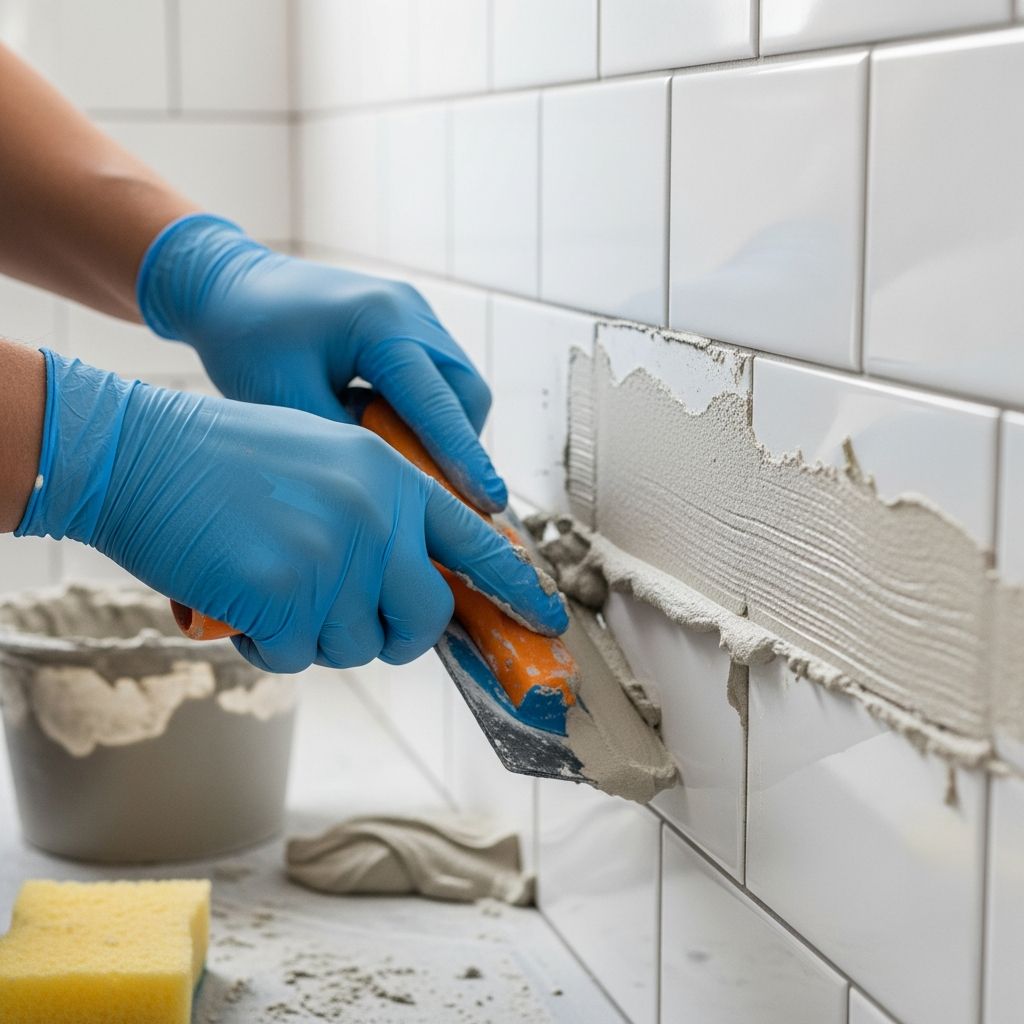
Grouting tile is a crucial final step in any tiling project that can make or break the overall appearance of your finished work. Whether you’re installing new tiles in a bathroom, kitchen, or any other space, proper grouting technique ensures a professional-looking result that will last for years. This comprehensive guide will walk you through every step of the grouting process, from preparation to sealing, so you can achieve exceptional results.
Understanding Tile Grout
Grout serves an essential purpose in tile installation by filling the gaps between tiles and creating a watertight seal. This material not only enhances the aesthetic appeal of your tiled surface but also provides structural integrity and prevents moisture from seeping behind the tiles. Understanding the different types of grout available will help you make the right choice for your specific project.
Types of Grout
Grout comes in several varieties, each suited for different applications and skill levels. Unsanded grout is ideal for narrow grout lines (less than 1/8 inch) and works well for polished tiles where sand particles might cause scratching. Sanded grout is better for wider grout lines (1/8 inch and larger) and provides enhanced strength and durability. Epoxy grout offers superior stain and water resistance, making it perfect for kitchens and bathrooms, though it’s more challenging to work with. Most grout products come in powder form requiring mixing, though pre-mixed containers are available for convenience.
Grout Color Selection
Selecting the right grout color significantly impacts the visual appearance of your tiled surface. Light-colored grouts create a seamless, expansive look by blending with light tiles, while dark grouts emphasize the individual tile pattern and create dramatic contrast. Consider the tile color, room lighting, and your design preferences when making this decision.
Preparation: The Foundation for Success
Proper preparation is absolutely critical before you begin grouting. Rushing this stage will compromise your final results and may lead to grout failure or appearance issues.
Cleaning the Tile Surface
Before any grouting begins, ensure your tile surface is completely clean and free of debris. Remove excess tile adhesive, dust, dirt, and any other foreign materials from between the tiles using a putty knife or old grout float. For stubborn adhesive, allow it to cure fully according to the manufacturer’s recommendations (typically 24 hours) before cleaning, as this makes removal significantly easier. A clean surface ensures proper grout adhesion and prevents contamination that could affect grout color or performance.
Removing Spacers and Leveling Components
If you used tile spacers during installation, carefully remove them before grouting. Similarly, remove any tile leveling clips or wedges from your tile leveling system. Use a rubber mallet for gentle tapping rather than a regular hammer, which could damage tile edges. Proper removal of these components ensures clean grout lines and prevents equipment interference with grout application.
Checking Tile Alignment
Take time to verify that all tiles are properly aligned and level with one another. Any tiles that are higher or lower than their neighbors will create inconsistent grout lines and a poor appearance. Make any necessary adjustments before proceeding to the grouting stage.
Mixing Grout: Getting the Consistency Right
Proper grout mixing is essential for achieving workable material with the correct consistency. Follow the manufacturer’s specific instructions, as different grout products may have varying mixing requirements.
Basic Mixing Steps
Begin by adding the recommended amount of water to a clean bucket. Gradually add the grout powder while stirring continuously with a drill mixer or by hand. Mix until you achieve a consistency resembling thick peanut butter—thick enough to hold its shape but thin enough to work into grout lines easily. Avoid over-mixing, which introduces air bubbles that weaken the grout. Let the mixed grout rest for 5-10 minutes, then remix briefly before use.
Achieving Proper Consistency
The ideal grout consistency allows the material to stay in the grout lines without slumping or falling out. If your mixture is too thick, it becomes difficult to work into joints and may leave voids. If it’s too thin, it will sag and create uneven lines. Test the consistency by lifting a small amount on your grout float—it should hold position without sliding off. Adjust water content gradually to achieve the perfect consistency.
Working with Pre-Mixed Grout
Pre-mixed grout offers convenience but typically costs more than powder forms. These ready-to-use products eliminate mixing steps but should still be stirred thoroughly before application. Pre-mixed grout may have a shorter working time, so organize your workspace and tools before opening the container.
Applying Grout: Technique and Best Practices
Grout application requires patience, practice, and proper technique. Mastering these skills will help you achieve professional-looking results.
Using the Grout Float
The grout float is your primary tool for applying grout. Hold the float at a 45-degree angle to the tile surface, with the edge slightly raised. Using a pushing and dragging motion, work the grout diagonally across the tile joints, pressing firmly to force the material deep into the spaces between tiles. Work in small sections at a time—typically a 3-foot by 3-foot area—to prevent the grout from drying before you can properly finish it.
Filling the Joints
As you move the grout float across the surface, ensure you’re completely filling each joint with grout. Push the material firmly into every gap, working to eliminate voids that could lead to future problems. Pay special attention to areas where tiles meet at angles or where multiple tiles converge, as these spots can be challenging to fill completely.
Removing Excess Grout
After filling a section, change the float angle to approximately 90 degrees and use a scraping motion to remove excess grout from the tile surface. This prevents grout from drying on the tile face, which would require extensive cleaning. Work diagonally across the tile joints during this scraping phase to avoid pulling grout out of the lines.
Finishing Grout Lines: Creating the Perfect Appearance
The finishing stage transforms your grout lines from rough applications into smooth, professional-looking joints.
Sponge Finishing
After the grout has begun to set (typically 15-30 minutes, depending on environmental conditions and grout type), use a damp grout sponge to finish the lines. Dampen the sponge with clean water but avoid making it dripping wet. Working in circular motions with light pressure, gently smooth the grout lines. This process removes remaining grout haze from the tile surface while creating uniform, attractive grout joints. Rinse the sponge frequently in clean water between passes.
Timing is Critical
Sponge finishing requires proper timing—too early and you’ll pull grout out of the joints, too late and the grout becomes difficult to work with. The grout should be firm enough to hold its shape but still slightly workable. With experience, you’ll develop a feel for the optimal timing.
Creating Consistent Joint Appearance
Use a grout tool or wooden dowel to create consistent, aesthetically pleasing grout lines if desired. This step is optional but can enhance the final appearance, especially in formal settings or high-visibility areas. Slight concaving of the grout line is a traditional finish that looks professional and helps direct water away from the tile surface.
Curing and Maintenance After Grouting
Proper care after grouting ensures your grout cures correctly and maintains its integrity over time.
Initial Curing Period
Allow the grout to cure for the full time specified by the manufacturer before exposing it to moisture or heavy use—typically 48-72 hours depending on conditions and grout type. Avoid walking on newly grouted floors or running water in newly grouted bathrooms during this period. Premature exposure to moisture can compromise grout strength and appearance.
Applying Grout Sealer
After the grout has fully cured, apply a quality grout sealer to protect against stains, moisture penetration, and discoloration. This step is especially important in kitchens and bathrooms where grout exposure to moisture and potential staining agents is high. Follow the sealer manufacturer’s instructions for application and reapplication intervals, typically annually or as recommended.
Long-Term Maintenance
Maintain your grouted tiles by cleaning regularly with appropriate tile cleaners and protecting grout from harsh chemicals. Periodically reseal grout lines to maintain water resistance. Address any cracking or deterioration promptly to prevent water infiltration and structural issues.
Common Grouting Mistakes to Avoid
Learning from common mistakes helps you achieve better results on your first attempt. Over-watering grout weakens the material and compromises durability. Working too large an area at once causes grout to set before you can properly finish it. Inadequate joint filling leaves voids that allow water penetration. Poor timing on sponge finishing either removes grout from joints or creates a rough surface. Skipping the curing period exposes grout to moisture before it’s ready, causing failure. Using the wrong grout type for your application results in poor performance and appearance issues.
Tools and Materials Checklist
Before beginning your grouting project, gather all necessary supplies to ensure smooth workflow.
| Category | Items Needed |
|---|---|
| Mixing | Bucket, mixing paddle, power drill, measuring cup |
| Application | Grout float, grout sponge, grout tool or dowel |
| Cleaning | Sponges, clean towels, buckets for rinse water |
| Safety | Rubber gloves, dust mask, eye protection |
| Materials | Grout (powder or pre-mixed), water, grout sealer |
Frequently Asked Questions About Tile Grouting
Q: How long does grout take to cure?
A: Most grout requires 48-72 hours of curing time before exposure to water or heavy use. Some specialized grouts may cure faster or slower, so always follow manufacturer recommendations.
Q: What’s the difference between sanded and unsanded grout?
A: Unsanded grout works best for narrow grout lines (less than 1/8 inch) and prevents scratching on polished tiles. Sanded grout is ideal for wider grout lines and provides superior strength and durability.
Q: Can I grout over dirty tiles?
A: No, dirty tiles should be thoroughly cleaned before grouting. Debris and excess adhesive can prevent proper grout adhesion and compromise the final appearance.
Q: Do I need to seal my grout?
A: Yes, especially in kitchens and bathrooms. Grout sealer protects against stains, moisture penetration, and discoloration, extending the life of your grout significantly.
Q: What should I do if my grout cracks?
A: Small cracks can be filled with matching colored grout using a grout pen or caulk. Extensive cracking may indicate a more serious problem and should be evaluated by a professional.
Q: How can I remove old grout?
A: Grout removal can be accomplished using a grout saw, oscillating tool with grout blade, or professional grout removal equipment. This is a labor-intensive process best suited for replacing failed or discolored grout.
Q: What grout color should I choose?
A: Consider your tile color and design preferences. Light grouts create a seamless look, while dark grouts emphasize individual tiles. Test samples in your actual lighting before making a final decision.
Conclusion
Grouting tile is a skill that improves with practice, but by following these comprehensive guidelines, you can achieve professional-quality results on your first attempt. Proper preparation, correct mixing, careful application, and adequate curing time are the keys to beautiful, durable grout lines that enhance your tiled surfaces for years to come. Take your time with each step, don’t rush the process, and you’ll be rewarded with a finished project that looks like it was installed by a professional.
References
- How to Grout Tile — The Home Depot. 2024. https://www.homedepot.com/c/ah/how-to-grout-tile/9ba683603be9fa5395fab90116d5c33
- How to Tile and Grout a Bathroom Floor – Complete Beginners Guide — The DIY Guy. June 8, 2024. https://www.youtube.com/watch?v=yQmM9dpPtX8
- Tiling a Bathroom Floor — HGTV. https://www.youtube.com/watch?v=CTlGaweslvE
Similar Articles




Read full bio of medha deb