Growing Crabapple Trees
Master the art of cultivating crabapple trees for stunning spring blooms, vibrant fall color, and wildlife-friendly fruit in your landscape.
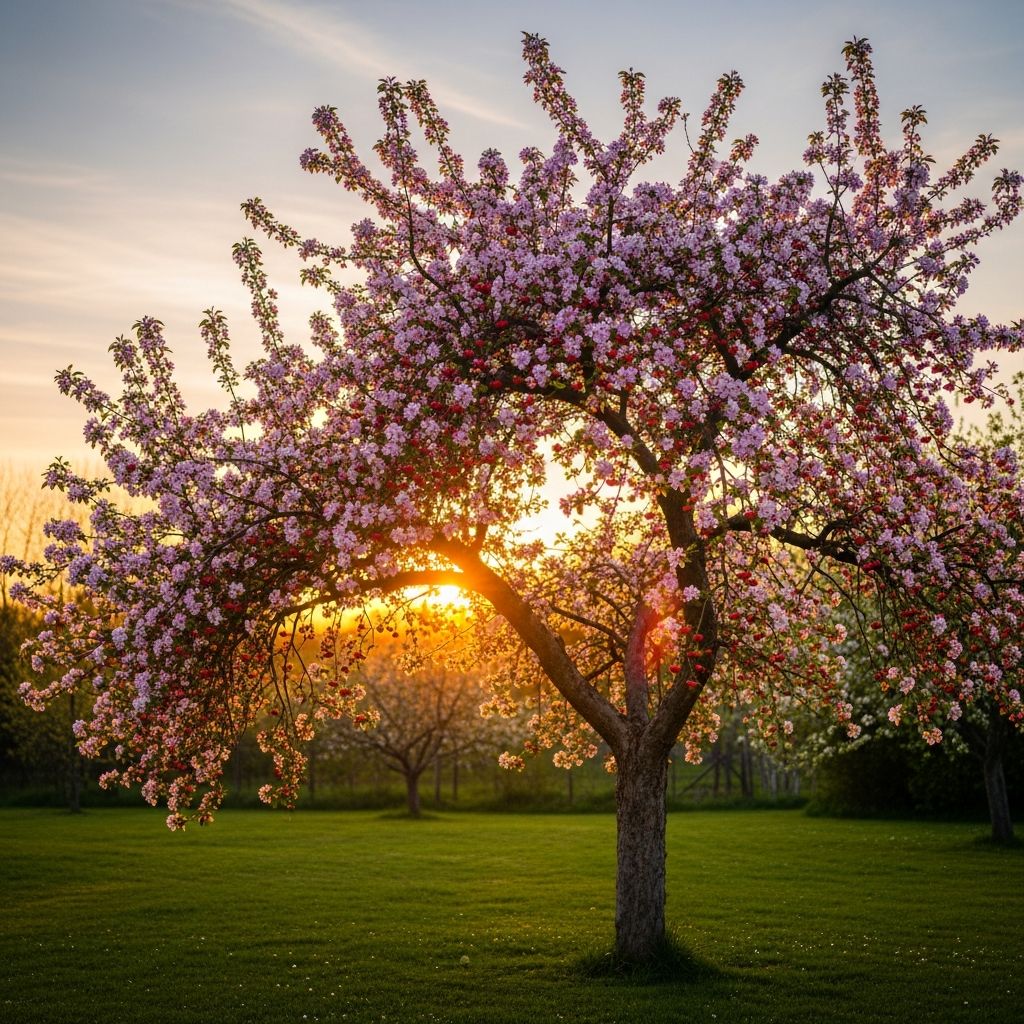
Crabapple trees (Malus spp.) offer gardeners a versatile addition to landscapes, delivering showy spring flowers, attractive summer foliage, colorful fall fruit, and striking winter structure. These hardy deciduous trees thrive in USDA zones 4-8, adapting well to various climates while supporting pollinators and birds. Proper cultivation ensures healthy growth and maximizes their ornamental and ecological value.
Understanding Crabapple Varieties and Benefits
Selecting the right crabapple variety sets the foundation for success. Disease-resistant cultivars like ‘Prairifire’, ‘Sugar Tyme’, or ‘Royal Raindrops’ minimize maintenance needs and extend tree lifespan. Flowering types produce clusters of pink, white, or red blossoms, while fruiting varieties yield small apples under 2 inches in diameter, ideal for jellies or wildlife forage.
These trees enhance garden aesthetics across seasons: pink buds burst into blooms that attract bees, glossy leaves provide summer shade, persistent fruits add winter interest, and exfoliating bark offers textural appeal. Ecologically, they boost biodiversity by hosting over 300 insect species and serving as larval hosts for butterflies.
Optimal Site Selection for Thriving Crabapples
Crabapples demand full sun exposure of at least 6-8 hours daily to promote dense branching, abundant flowering, and robust fruit set. Shaded locations lead to leggy growth, reduced blooms, and heightened disease risk.
Choose spots with excellent air circulation to prevent fungal issues like apple scab or fire blight. Slopes or elevated areas facilitate cold air drainage, safeguarding buds from late spring frosts. Avoid low-lying frost pockets or windy hilltops that stress young trees.
- Soil drainage: Well-drained loamy or sandy loam is ideal; crabapples tolerate clay if amended but suffer in waterlogged conditions.
- Soil depth: Deep profiles exceeding 3 feet allow root expansion; steer clear of shallow bedrock or compacted subsoil.
- Spacing: Plant 15-20 feet apart from structures or other trees to accommodate mature 15-25 foot heights and spreads.
Preparing the Perfect Soil Environment
Test soil pH, aiming for 5.5-7.0; most crabapples perform best near neutral. Amend acidic soils with lime or aragonite, and lighten heavy clays by incorporating compost into planting holes.
Enrich with organic matter like composted leaves or peat moss to boost nutrient retention and microbial activity. Avoid high-nitrogen fertilizers at planting, as they spur soft growth vulnerable to winter injury.
| Soil Type | Amendments Needed | Expected Performance |
|---|---|---|
| Loamy | Minimal; add compost | Excellent growth and yields |
| Clay | Compost + gypsum | Good with drainage improvements |
| Sandy | Organic matter + mulch | Fair; requires frequent watering |
Timing and Step-by-Step Planting Instructions
Spring (late April to early May in northern climates) or fall planting succeeds best, leveraging cool soils and moist conditions for root establishment. Bare-root trees arrive dormant in early spring; container-grown options suit fall planting.
- Dig a hole 2-3 times wider than the root ball and 6 inches deeper, loosening side and bottom soil for root penetration.
- Mix native soil with 2 gallons compost, 1 quart rock phosphate, and trace minerals like Azomite; layer this at the base.
- Position the tree so the root flare sits at ground level; spread roots radially for bare-root specimens.
- Backfill gradually, tamping to eliminate air pockets; form a 3-foot berm for water retention.
- Water deeply with 10-20 gallons, ensuring saturation to 2 feet deep.
Stake only if site winds are extreme, removing supports after one year to foster sturdy trunks.
Essential Watering and Mulching Strategies
Newly planted crabapples need 1-2 inches of water weekly for the first year, increasing during heat waves. Established trees rely on rainfall but benefit from deep soaks during prolonged droughts.
Apply 3-4 inches of organic mulch (wood chips, straw, or leaves) in a 6-foot diameter ring, keeping it 3 inches from the trunk to deter rodents and rot. Mulch conserves moisture, suppresses weeds, and feeds soil life.
Fertilization and Nutrient Management
Healthy soils rarely require supplements; over-fertilizing invites pests and weak growth. For deficient trees showing sparse blooms, top-dress with compost or slow-release formula in early spring.
Incorporate minerals annually: 10 pounds each of rock phosphate and trace blends under mulch. Add sugar/molasses dilutions to stimulate microbes. Repeat every 3-4 years or as soil tests dictate.
Pruning Techniques for Shape and Health
Prune in late winter dormancy to shape young trees into a central leader or open center form. Remove crossing branches, watersprouts, and dead wood; thin for light penetration and air flow.
- Year 1-3: Establish scaffold branches at 18-24 inch intervals.
- Mature trees: Annually eliminate suckers and maintain 50-70% canopy openness.
- Tools: Use bypass pruners for cuts under 1 inch; loppers for larger.
Avoid summer pruning, which stresses trees and invites canker.
Pest and Disease Prevention Tactics
Fire blight, scab, and mildew threaten crabapples; select resistant varieties first. Promote vigor through proper siting and sanitation—rake fallen debris promptly.
Monitor for aphids or Japanese beetles; hose off early infestations or deploy neem oil. Fungicides suit severe outbreaks, applied preventively in wet springs.
Propagation Methods for Home Gardeners
From Seed
Harvest ripe fruits, extract seeds, and stratify in moist peat-sand mix in the fridge for 14 weeks. Sow in spring pots, thinning to strongest seedlings. Expect 3-5 years to bloom; offspring may not match parent traits.
From Cuttings
In late summer, take 6-8 inch semi-hardwood cuttings from healthy growth. Dip in rooting hormone or aloe vera, plant in free-draining mix, and cover with plastic for humidity. Roots form in 4-8 weeks under shade.
Grafting
For true-to-type clones, whip-and-tongue graft scions onto dwarfing rootstocks like M26 in winter. Professional techniques yield quicker fruiting trees.
Harvesting and Utilizing Crabapple Fruit
Fruits ripen September-October; pick when fully colored for jellies, cider, or butter due to high pectin. Leave some for birds, which disperse seeds and control pests. Yields peak at 10-20 bushels from mature trees.
Overcoming Common Cultivation Challenges
Yellowing leaves: Check for iron deficiency or poor drainage; amend accordingly.
Poor fruit set: Ensure cross-pollination with compatible varieties.
Winter dieback: Mulch roots and avoid late fertilizers.
Crabapples in Landscape Design
Plant as specimens, hedges, or espaliers. Pair with perennials for underplantings; their fruits feed songbirds year-round. In small yards, dwarf cultivars like ‘Sargent’ fit neatly.
Frequently Asked Questions
Are crabapple trees messy?
Fruit drop occurs but supports wildlife; net if near walkways. Rake seasonally.
How fast do crabapples grow?
1-2 feet annually initially, reaching maturity in 8-10 years.
Can I grow crabapples in containers?
Dwarf varieties succeed short-term with large pots and consistent care.
Do crabapples attract pollinators?
Yes, blooms draw bees essential for nearby orchards.
What’s the lifespan of a crabapple tree?
30-50 years with proper care; resistant types endure longer.
References
- How to Grow Crabapple Trees — Maine Organic Farmers and Gardeners Association (MOFGA). Accessed 2026. https://www.mofga.org/resources/orcharding/grow-crabapple-trees/
- Flowering Crabapple Trees: Learn How To Plant A Crabapple Tree — Gardening Know How. Accessed 2026. https://www.gardeningknowhow.com/ornamental/trees/crabapple/flowering-crabapple-trees.htm
- How to Grow Crabapple Tree From Cuttings — YouTube (Garden Tricks). Accessed 2026. https://www.youtube.com/watch?v=L68XouasfBQ
- Crabapple Trees: Growing, Care and Design Tips — Garden Design. Accessed 2026. https://www.gardendesign.com/trees/crabapple.html
- How to Grow Crab Apple Trees | A Comprehensive Guide — Native Trees From Seed. Accessed 2026. https://nativetreesfromseed.com/grow/tree-recipes/crab-apple
Similar Articles








Read full bio of Sneha Tete