Growing Magnolia Trees From Seed: Complete Beginner’s Guide
Unlock the secrets to cultivating stunning magnolia trees from seed with our detailed, step-by-step guide for beginners and seasoned gardeners alike.
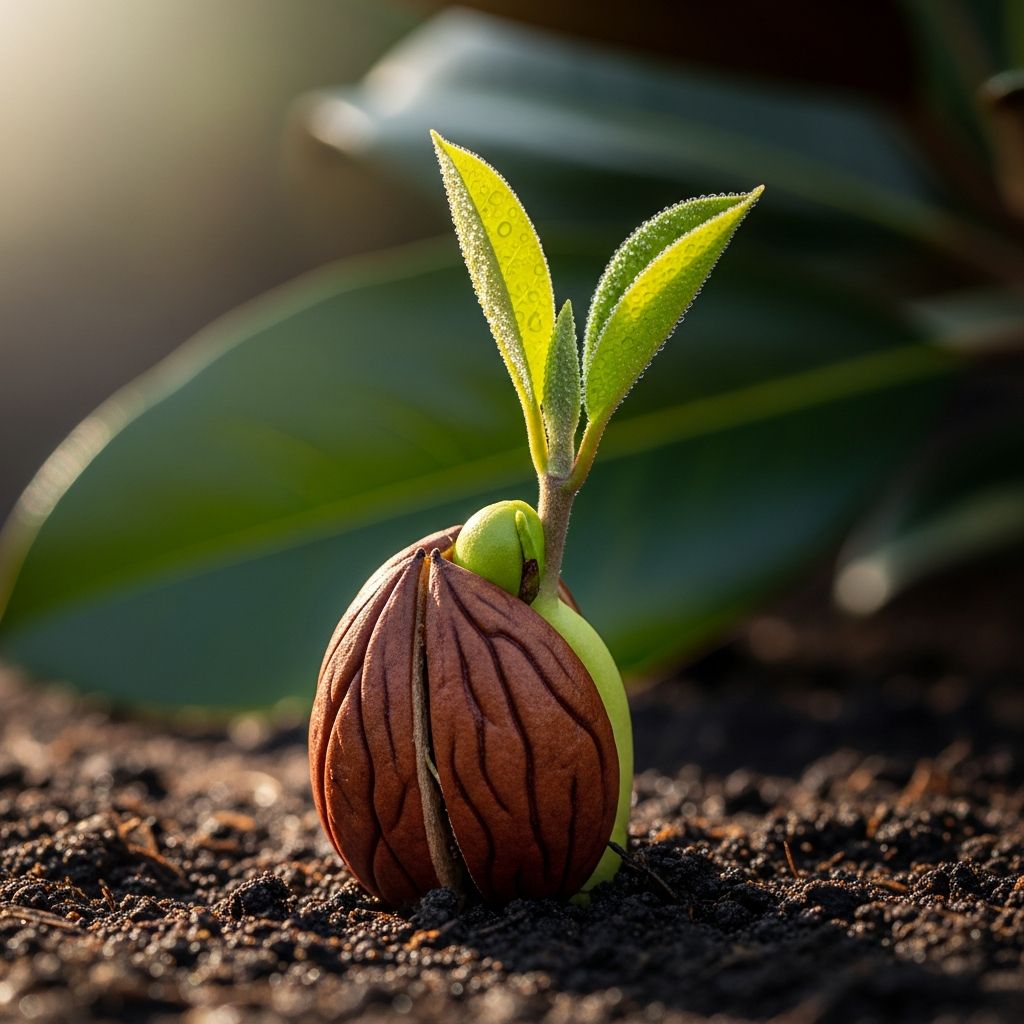
Growing Magnolia Trees from Seed: A Complete Beginner’s Guide
Magnolia trees captivate gardeners with their large, fragrant blooms and elegant forms, making them prized additions to landscapes. Propagating them from seed offers an affordable way to cultivate these beauties, though it requires patience due to their slow growth and specific needs. This guide provides a thorough roadmap, drawing from proven horticultural practices to help you succeed from harvest to maturity.
Understanding Magnolia Seed Biology
Magnolia seeds develop inside vibrant, cone-like fruits that ripen in late summer or fall. These seeds possess a tough outer coating and dormancy mechanisms that prevent immediate sprouting, mimicking natural winter conditions to ensure spring germination. This adaptation protects them from premature growth in unstable environments.
Key characteristics include a red fleshy aril that attracts birds for dispersal and a hard endocarp demanding scarification or stratification. Germination rates vary by species, but proper preparation boosts success to 50-70% under optimal conditions. Expect variability in offspring traits, as seedlings may not match the parent tree exactly due to cross-pollination.
Selecting the Right Magnolia Species for Seed Propagation
Not all magnolias propagate equally well from seed. Southern magnolia (Magnolia grandiflora) produces abundant viable seeds and tolerates various soils, while star magnolia (Magnolia stellata) offers compact size for smaller yards. Saucer magnolia (Magnolia x soulangeana) hybrids are popular but may show inconsistent flowering in seedlings.
- Southern Magnolia: Evergreen, large white flowers, heat-tolerant.
- Star Magnolia: Deciduous, early pink/white blooms, cold-hardy.
- Saucer Magnolia: Showy tulip-shaped flowers, moderate growth.
Choose species suited to your USDA hardiness zone (typically 5-9) and soil type. Research local nurseries for regionally adapted varieties to improve outcomes.
Harvesting Magnolia Seeds Effectively
Timing is critical: collect cones when they turn from green to pinkish-red and begin splitting, usually September to November. Pick intact cones from healthy branches, avoiding diseased or pest-infested trees. Squeeze or twist to release the bright red seeds encased in pulp.
Harvest in dry weather to minimize mold risk. Aim for 20-50 seeds per tree for a good yield, as viability drops post-ripening. Store briefly in a cool, ventilated spot if not processing immediately.
Preparing Seeds for Optimal Germination
Raw seeds won’t sprout reliably due to inhibitors in the pulp and hard coat. Begin by rinsing seeds under cool water to remove fleshy residue, which can foster fungal growth. Soak in room-temperature water for 24-48 hours, changing water daily to prevent rot.
Scarify by gently abrading the coat using fine sandpaper or a wire screen until the inner white layer shows. Avoid damaging the embryo. This step enhances water uptake, crucial for dormant seeds.
Mastering Seed Stratification Techniques
Stratification simulates winter, breaking dormancy. For fridge method: mix scarified seeds with damp sphagnum moss or vermiculite in a labeled zip-top bag. Seal and refrigerate at 34-41°F (1-5°C) for 8-12 weeks, checking monthly for moisture and mold.
Outdoor alternative: plant in deep pots with sandy soil and bury up to the rim in a protected garden spot. Natural temperature fluctuations may yield better results for some species, though predation risks increase.
| Method | Duration | Pros | Cons |
|---|---|---|---|
| Refrigerator | 8-12 weeks | Controlled, low pest risk | Uniform cold may be less effective |
| Outdoor | 3-4 months | Natural cues, potentially higher germination | Weather/pest exposure |
Ideal Soil and Container Setup for Planting
Use a well-draining mix: 50% loamy garden soil, 30% perlite, 20% peat moss for acidity (pH 5.5-6.5). Fill 4-inch pots or seed trays, ensuring drainage holes. For outdoor beds, amend clay soils with organic matter.
Sow seeds 1/4-1/2 inch deep, spacing 2 inches apart. Cover lightly and top with 1/8-inch fine mulch like pine needles to retain moisture.
Germination Conditions and Timeline
Maintain 70-80°F (21-27°C) soil temperature using a heat mat if indoors. Provide bright, indirect light; direct sun scorches tender sprouts. Keep medium consistently moist via bottom watering or misting.
Sprouts emerge in 4-8 weeks. Thin to strongest seedlings. Initial roots are fragile, so handle carefully during transplant.
Nurturing Young Seedlings to Maturity
Acclimate gradually: start with 2-4 hours daily sun, increasing over 1-2 weeks to full exposure. Water when top inch dries; fertilize sparingly with diluted balanced formula after true leaves form.
Pot up to 1-gallon containers at 6-12 inches tall. Harden off outdoors after frost risk passes. Transplant to permanent sites at 2-3 feet, spacing 15-20 feet apart.
Common Pests and Diseases in Seedlings
- Damping-off: Fungal issue from overwatering; use sterile soil.
- Aphids: Hose off or use neem oil.
- Scale: Prune affected parts; horticultural oil.
Long-Term Care for Thriving Magnolia Trees
Magnolias prefer full sun to partial shade and consistent moisture without waterlogging. Mulch 3 inches deep, keeping away from trunk. Prune only after flowering to shape young trees.
Expect first blooms in 5-15 years, depending on species. Southern magnolias reach 60+ feet; provide ample space.
Troubleshooting Seed Propagation Challenges
No germination? Extend stratification or check viability via float test (sinkers are viable). Stunted growth signals poor drainage or nutrient imbalance—test soil pH.
Seedling loss post-sprout often stems from overwatering; ensure airflow and sterilize tools.
FAQs
How long until magnolia seeds germinate?
Typically 4-8 weeks after stratification, but some take up to 6 months.
Can I grow magnolias from seed in pots permanently?
Yes, for dwarf varieties, but most need ground planting after 2-3 years.
Do seedlings look like the parent tree?
Not always; hybrids produce variable offspring.
What’s the best time to plant magnolia seeds outdoors?
Fall for natural stratification or spring post-fridge treatment.
How do I speed up flowering in seedlings?
Graft scions from desired cultivars onto seedlings after 2-3 years.
References
- How To Grow Magnolia Seeds For More Of These Beautiful Trees — Gardening Know How. N/A. https://www.gardeningknowhow.com/ornamental/trees/magnolia/propagating-magnolia-seeds.htm
- Growing Magnolia from seed — The Tea Break Gardener. N/A. https://teabreakgardener.co.uk/growing-magnolia-from-seed/
- How to grow a Magnolia tree from seed — YouTube. N/A. https://www.youtube.com/watch?v=b-rKeMefSYs
- Master the Art of Growing Magnolia Trees from Seed: Complete Guide — YouTube. N/A. https://www.youtube.com/watch?v=uo5ZGTVyT6Y
- Magnolia Selection, Care, and Maintenance — Magnolia Society. N/A. https://www.magnoliasociety.org/Magnoliaresources
- Growing Southern Magnolia Seedlings: Beginner’s Guide — Tree Services Charleston WV. N/A. https://treeservicescharlestonwv.com/growing-southern-magnolia-seedlings-beginners-guide/
Similar Articles








Read full bio of Sneha Tete