How To Grow Pumpkins: Complete Gardening Guide
Learn the essential techniques to grow healthy pumpkins in your garden successfully.
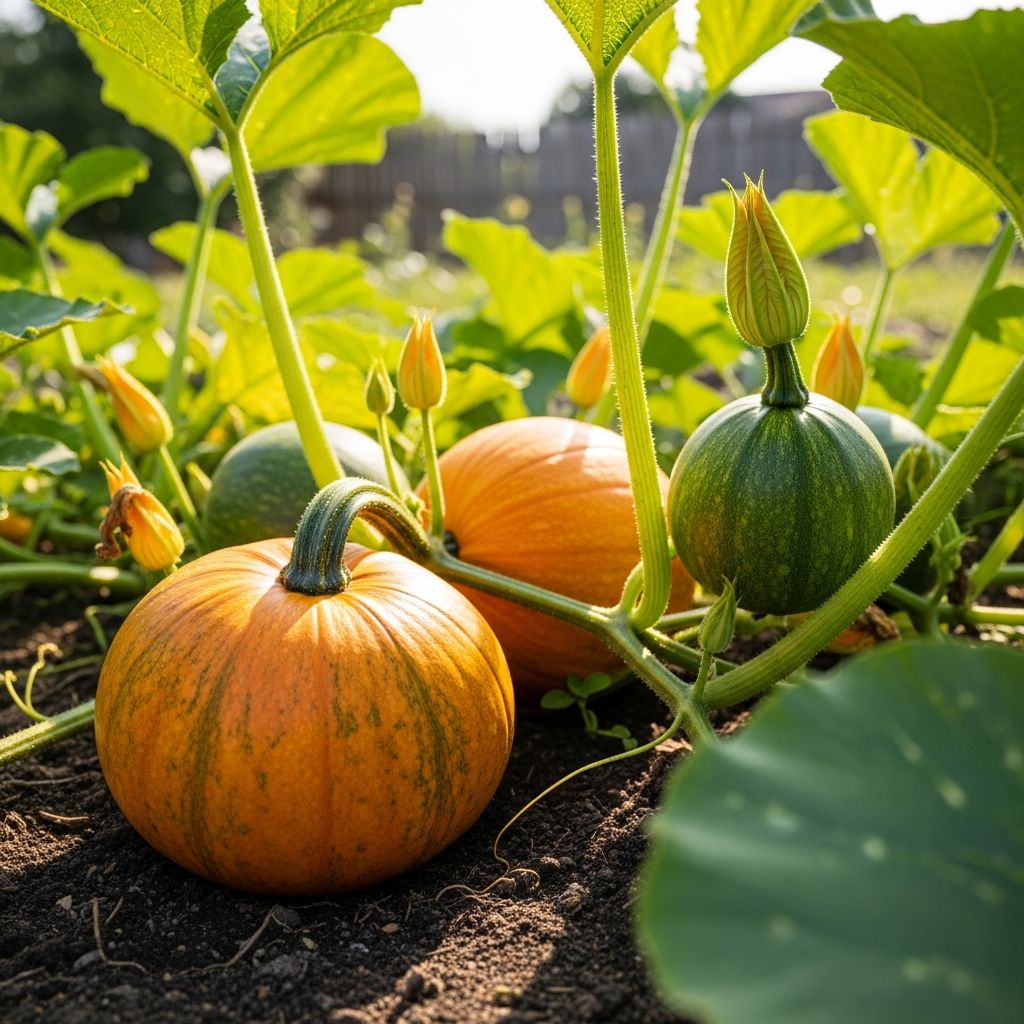
How to Grow Pumpkins: A Complete Gardening Guide
Pumpkins are a beloved autumn staple that many gardeners aspire to grow in their backyards. Whether you’re interested in cultivating carving pumpkins for Halloween or smaller sugar varieties for cooking, understanding the fundamentals of pumpkin cultivation is essential for success. Growing pumpkins requires proper planning, appropriate soil conditions, consistent care, and knowledge of common challenges. This comprehensive guide will walk you through every step of the pumpkin-growing process, from selecting the right variety to harvesting your mature fruits.
Choosing the Right Pumpkin Variety
The first step in growing pumpkins successfully is selecting a variety that suits both your climate and your intended purpose. Different pumpkin varieties have varying maturation periods, sizes, flavors, and growing requirements. Understanding these differences ensures that you invest your time and effort into plants that will thrive in your specific growing conditions.
Carving pumpkins, typically the large orange varieties seen during Halloween, are ideal if you plan to create jack-o’-lanterns. These varieties generally require more space and a longer growing season, typically 75 to 120 days from planting to maturity. Sugar pumpkins, on the other hand, are smaller and sweeter, making them perfect for cooking and baking. They are also more manageable for gardeners with limited space, particularly those growing pumpkins in containers or smaller garden plots. Additionally, consider mini pumpkin varieties if you have minimal space or want decorative options that mature faster.
When selecting your variety, research the specific climate requirements for each type. Some varieties are more tolerant of cooler climates, while others thrive only in warm regions. Check your USDA hardiness zone and growing season length to ensure the variety you choose will have adequate time to mature before the first frost arrives.
Preparing Your Garden Soil
Soil preparation is arguably the most critical factor in growing healthy, productive pumpkin plants. Pumpkins are heavy feeders that require nutrient-rich, well-draining soil to support their vigorous growth and substantial fruit production. The secret to growing pumpkins lies in the preparation of the soil before planting ever begins.
Pumpkins thrive in soil with a pH between 6.0 and 6.8, which is slightly acidic. Before planting, conduct a soil test to determine your current pH and nutrient levels. Once you have this information, you can amend your soil accordingly. The most important amendment is organic matter such as aged compost or well-rotted manure. Mix these amendments thoroughly into the top 8 to 12 inches of soil, incorporating at least 2 to 3 inches of compost or aged manure. This organic matter improves soil structure, increases water retention, enhances drainage, and provides essential nutrients that pumpkins need throughout the growing season.
If you prefer a no-dig approach, you can smother the grass or weeds with cardboard and layer compost and manure on top. This method creates an ideal planting medium while suppressing weeds and reducing physical labor. Ensure the area receives full sun exposure, with at least 6 to 8 hours of direct sunlight daily for optimal pumpkin growth.
Understanding Temperature and Humidity Requirements
Temperature and humidity play crucial roles in pumpkin development and overall plant health. Pumpkins are warm-season crops that are sensitive to cold temperatures and frost.
Temperature Considerations: Pumpkins prefer warm soil temperatures between 70 and 90 degrees Fahrenheit for optimal germination and growth. Plant pumpkin seeds only after the last spring frost has passed, typically around two weeks after this date when soil has warmed sufficiently. Cooler soil temperatures slow down germination and growth while increasing disease susceptibility. In warmer climates, you may need to wait until late spring or early summer to plant pumpkins to avoid extreme heat during critical growth stages.
Humidity Levels: Pumpkins thrive in moderate humidity levels between 50 and 70 percent. High humidity environments can encourage fungal diseases such as powdery mildew, which damages leaves and reduces plant vigor. Conversely, low humidity can cause pumpkin fruits to dry out prematurely and develop cracks. Ensure good air circulation around your plants by spacing them adequately and avoiding overhead watering, which can increase humidity around the foliage and promote disease development.
Protect your pumpkin plants from temperature extremes by choosing a sheltered garden location, particularly one backed by walls or structures that absorb heat during the day and release it at night. This microclimate can provide significant protection during cooler nights and help maintain optimal growing conditions.
Planting Pumpkin Seeds
Proper seed planting technique sets the foundation for healthy plant development. Pumpkin seeds are relatively large and easy to handle, making them suitable for direct sowing in garden soil or starting indoors in containers.
Direct Seeding: You can plant pumpkin seeds directly where they will grow once soil temperatures reach at least 70 degrees Fahrenheit. Plant seeds about 1 inch deep, spacing multiple seeds per hill or position. Plant 4 to 5 seeds per hill to ensure at least one germinates successfully. Thin seedlings to the strongest plant once they’ve emerged and developed their first true leaves. Space hills or rows appropriately based on the variety—smaller varieties can be planted 3 to 4 feet apart, while larger carving varieties require 5 to 6 feet or more between plants.
Starting Seeds Indoors: In cooler climates with shorter growing seasons, start seeds indoors 3 to 4 weeks before your last spring frost. Use seed-starting mix in containers and keep soil consistently moist but not waterlogged during germination, which typically occurs within 7 to 10 days. Provide bright light and maintain temperatures around 70 to 75 degrees Fahrenheit. Before transplanting seedlings outdoors, harden them off over 10 days by gradually exposing them to outdoor conditions.
Seed Germination Tips: To speed up germination, you can nick the seed coat slightly with nail clippers, which allows moisture to penetrate more easily. Keep soil consistently moist throughout the germination period. Once seedlings emerge, provide ample space for their sprawling vines to develop without competition from neighboring plants.
Watering Your Pumpkin Plants
Consistent and appropriate watering is essential for healthy pumpkin growth and fruit development. Pumpkins require significant water, especially during hot summer months and while fruits are developing.
Deep and Infrequent Watering: Rather than shallow, frequent watering, water deeply but less often. This encourages roots to grow deep into the soil, creating a stronger root system that can access water stored deeper in the ground. This approach helps plants withstand periods of drought and reduces overall water consumption. Typically, pumpkin plants require 1 to 2 inches of water per week, depending on rainfall and temperature.
Avoid Overhead Watering: Never water directly on the leaves or vines of your pumpkin plants, as this increases humidity around the foliage and creates conditions favorable for fungal diseases. Instead, water at the base of plants, directing water toward the root zone. Using drip irrigation or soaker hoses is ideal, as these methods deliver water directly to the soil where plants need it most.
Moisture Management: Keep soil consistently moist but never waterlogged, as excessive moisture can lead to root rot and other fungal problems. Create a basin or ring of soil around each plant to help contain water and prevent it from running off. During heavy rain periods, you may need to reduce supplemental watering to avoid overwatering.
Fertilizing for Robust Growth
Pumpkins are heavy feeders that benefit from regular fertilization throughout the growing season. A balanced fertilization program supports vigorous vine growth, flower production, and fruit development.
Begin fertilizing once plants have developed 4 to 5 true leaves and are actively growing. Use a balanced fertilizer such as 10-10-10 or adjust based on your soil test results. Apply fertilizer every 3 to 4 weeks throughout the season according to package instructions. As flowers begin to appear and fruits start developing, you may want to shift to a higher phosphorus and potassium formulation to support fruit production rather than excessive vine growth.
Organic gardeners can use compost tea, fish emulsion, or seaweed extract as natural fertilizer alternatives. Liquid tomato feed can also provide good nutrition for pumpkins. Avoid excessive nitrogen fertilization, which promotes leafy growth at the expense of fruit production. Add additional layers of compost or aged manure around plants every few weeks as these break down and provide slow-release nutrients.
Managing Pumpkin Vines and Support Structures
Pumpkin vines can grow up to 20 feet long, sprawling across significant garden areas. While this spreading growth is natural and healthy, it can consume considerable space and make garden maintenance challenging.
Supporting Vertical Growth: To maximize garden space or keep plants contained, train pumpkin vines onto trellises, stakes, or other vertical support structures. Insert support structures when plants are about 6 inches tall, before vines become established. Use soft plant ties or strips of fabric to loosely attach vines to supports, allowing some flexibility for growth. This vertical approach works particularly well for smaller pumpkin varieties and container-grown plants.
Horizontal Growth: If you prefer to allow vines to spread naturally, ensure adequate spacing between plants and remove competing weeds regularly. As vines sprawl across the ground, many stems will naturally produce roots along their length that root into the soil, creating additional anchor points and nutrient absorption sites. This natural rooting can improve plant stability and nutrient uptake.
Pollination and Fruit Development
Pumpkin plants produce both male and female flowers, and successful fruit production depends on proper pollination. Understanding the flowering process helps gardeners identify potential pollination problems and take corrective action when necessary.
Female flowers typically appear first on pumpkin plants and are recognizable by the small fruit-like swelling behind the flower bloom. Male flowers appear later and have no fruit behind the bloom. Both flower types must be present for pollination to occur. Bees and other pollinators typically handle this task naturally, but in cool weather or when pollinators are scarce, you can hand-pollinate by transferring pollen from male flowers to female flowers using a small brush or cotton swab.
Once pollination occurs and fruits begin developing, the plant focuses energy on fruit growth. Limit the number of fruits allowed to mature on each vine—typically 2 to 4 fruits per vine—by pinching off excess flowers and young fruits. This directs plant energy into developing larger, higher-quality pumpkins rather than spreading resources too thinly across numerous small fruits.
Pest and Disease Management
While pumpkins are generally hardy plants, they can suffer from various pests and diseases that reduce yields and quality. Integrated pest management techniques help minimize problems while reducing pesticide use.
Common Pests: Cucumber beetles, squash bugs, and aphids frequently attack pumpkin plants. Use row covers over young plants to prevent pest access before flowering. Hand-pick larger pests such as squash bugs, removing both adults and egg clusters. Encourage beneficial insects through companion planting and provide habitat for natural predators. Neem oil or organic insecticidal soap can address infestations when necessary.
Disease Prevention: Fungal diseases such as powdery mildew, downy mildew, and leaf spot are common pumpkin problems. Prevent these diseases by providing adequate spacing for air circulation, avoiding overhead watering, and removing infected leaves promptly. Apply sulfur fungicides or other organic fungicides if problems develop. Choose disease-resistant varieties when available for added protection.
Companion Planting: Growing certain plants alongside pumpkin vines can repel pests and improve overall garden health. Marigolds, nasturtiums, and other flowers can deter pests while supporting beneficial insects. Avoid planting pumpkins near fennel, which can inhibit their growth.
Growing Pumpkins in Containers
Container gardening offers a space-saving option for growing pumpkins, particularly smaller varieties. Success requires attention to container selection, soil preparation, and care management.
Container Selection: Choose a large pot with a capacity of at least 10 gallons, though 15 to 20 gallons is better for larger varieties. Ensure the container has drainage holes at the bottom to prevent waterlogging. Larger containers retain moisture better during hot weather and provide adequate space for root development.
Soil and Planting: Fill containers with well-draining potting soil enriched with compost or slow-release fertilizer. Plant 4 to 5 seeds per container about 1 inch deep and thin to the strongest seedling once germinated. Keep soil moist but not saturated, as container soil dries faster than garden soil.
Container Care: Place containers in locations receiving at least 8 hours of direct sunlight daily. Water consistently, checking soil moisture regularly, as containers may need daily watering during hot weather. Provide vertical support as plants grow, and fertilize regularly every 2 to 3 weeks. Select smaller pumpkin varieties like sugar pumpkins or mini varieties for best container results.
Harvesting and Storage
Knowing when and how to harvest pumpkins ensures you get the best quality fruit for storage and use. Maturity timelines vary by variety, typically ranging from 75 to 120 days after planting.
Harvest Timing: Harvest pumpkins when they’ve reached full color and the skin has hardened. Cut a fingernail across the skin—if it doesn’t puncture easily, the pumpkin is ready for harvest. The stem should also be dry and corky. For Halloween pumpkins, harvest before the first hard frost.
Harvesting Method: Using a sharp knife, cut pumpkins from the vine, leaving 3 to 4 inches of stem attached. Avoid pulling or twisting, which can damage both the pumpkin and vine. Handle pumpkins carefully to prevent bruises and cuts, which reduce storage life.
Storage Conditions: Store pumpkins in a cool, dry location with good air circulation and temperatures between 50 and 60 degrees Fahrenheit. Properly stored pumpkins can last 2 to 3 months or longer. Avoid stacking pumpkins directly on top of each other; instead, place them in single layers on shelves or cardboard with space between fruits.
Frequently Asked Questions
How much space do pumpkin plants need?
Pumpkin spacing depends on variety size. Smaller varieties can be planted 3 to 4 feet apart, while standard carving pumpkins need 5 to 6 feet or more between plants. Vines can spread up to 20 feet long, so plan accordingly or provide vertical support structures.
Can I grow pumpkins in cooler climates?
Yes, you can grow pumpkins in cooler climates by selecting varieties with shorter maturity periods (75 to 90 days), starting seeds indoors early in the season, and choosing a warm, sheltered location. Black plastic mulch can help warm soil temperatures.
Why are my pumpkin leaves turning yellow?
Yellowing leaves can indicate nutrient deficiency, usually nitrogen, or disease problems such as powdery mildew. Provide adequate fertilization, ensure good air circulation, and remove infected leaves to manage this issue.
How often should I fertilize pumpkins?
Fertilize pumpkins every 3 to 4 weeks throughout the growing season. Begin once plants have developed several true leaves and continue until fruits near maturity. Adjust fertilizer formulation to support fruit production as flowers and fruits develop.
What’s the best way to prevent pests on pumpkin plants?
Use row covers on young plants before flowering to exclude pests. Hand-pick larger pests and their egg clusters. Encourage beneficial insects through companion planting and organic practices. Apply organic pest management solutions only when necessary.
References
- Growing Pumpkins for Family Gardening: How to Get Great Results — Create My Garden. 2024. https://createmygarden.net/growing-pumpkins-for-family-gardening/
- The Lazy Gardener’s Guide To No-Dig Pumpkins — Sustainable Holly. YouTube. https://www.youtube.com/watch?v=LFSlMspbk-4
- Vegetable Gardening Guide: Squash and Pumpkins — University of Minnesota Extension. 2023. https://extension.umn.edu/vegetables
Similar Articles








Read full bio of Sneha Tete