How to Hand Wash Clothes: Complete Guide
Master the art of hand washing clothes with our comprehensive step-by-step guide.
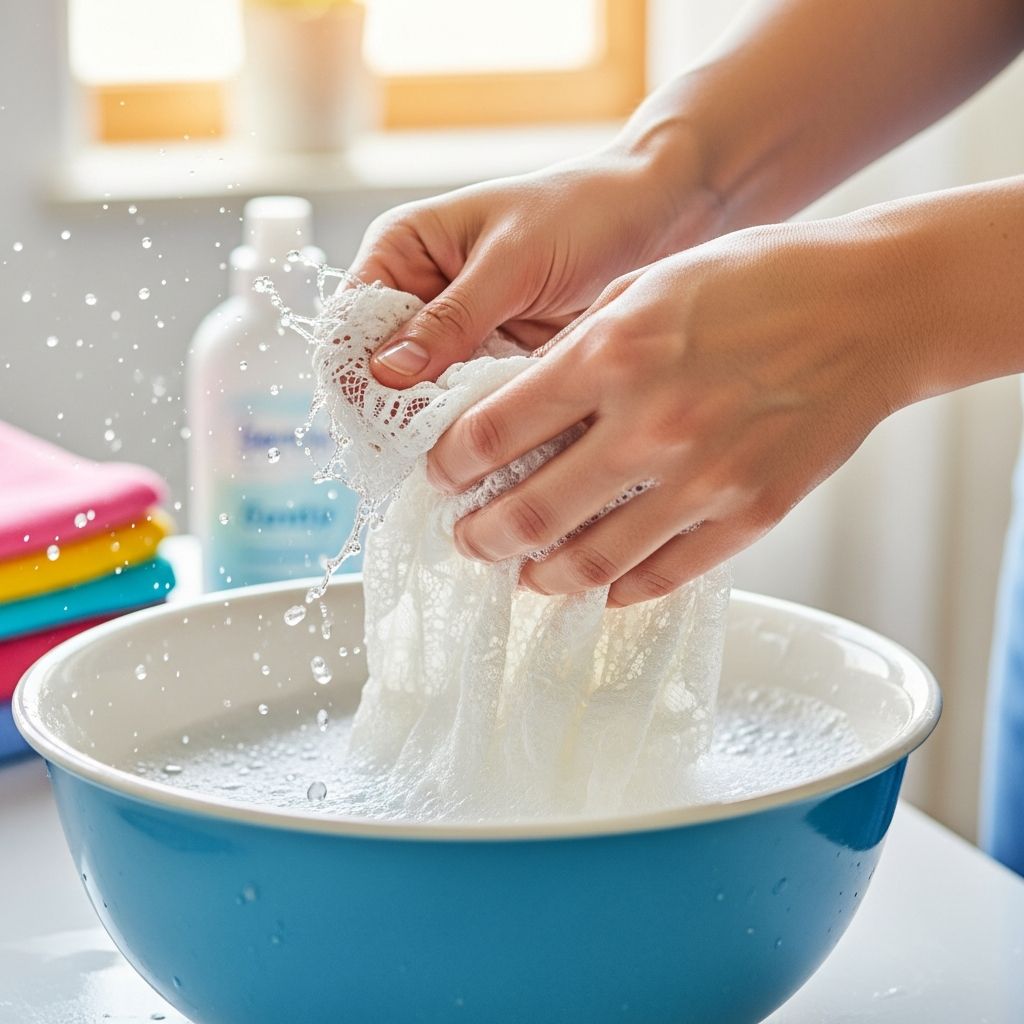
Hand washing clothes is an essential skill that extends the lifespan of your favorite garments and protects delicate fabrics from the wear and tear of machine washing. Whether you’re caring for silk blouses, wool sweaters, or delicate lingerie, learning the proper hand-washing techniques will help you maintain your clothing in pristine condition. This comprehensive guide walks you through everything you need to know about hand washing clothes, from preparation to drying and storage.
Why Hand Wash Clothes?
Many people wonder if hand washing is really necessary in today’s age of advanced washing machines. The truth is that hand washing offers significant benefits that machine washing cannot replicate. Machine cycles, even on the gentlest settings, subject fabrics to agitation, spinning, and friction that can damage delicate materials. Hand washing allows you to control the intensity of cleaning and protect vulnerable fibers from unnecessary stress.
Certain fabrics simply require hand washing to maintain their integrity and appearance. Delicate items like silk, lace, cashmere, and fine wool benefit tremendously from gentle hand care. Additionally, hand washing is ideal for items with embellishments such as beads, sequins, or embroidery that could be damaged in a machine. Hand washing also helps preserve colors in vibrant and dark-colored garments, preventing fading that occurs with repeated machine washing.
Checking Care Labels
Before you begin the hand-washing process, always consult your garment’s care label. These labels contain important information about the proper washing method and water temperature for each item. Understanding care label symbols will ensure you treat each garment appropriately and avoid damage.
The washing symbol appears as a tub or bucket icon. If this symbol has an X through it, the garment requires dry cleaning and should not be hand washed. A single line underneath the symbol indicates a gentle wash, while a double line indicates an extra-gentle wash. The dots inside the water symbol indicate recommended water temperature: one dot means cold water around 80 degrees Fahrenheit, two dots indicate warm water at approximately 105 degrees Fahrenheit, and three dots suggest hot water around 120 degrees Fahrenheit.
If you see an icon with a hand in a wash tub, this specifically indicates that the garment should be hand washed. Some garments may also display a circle symbol, which relates to dry cleaning methods. Always follow these guidelines to protect your clothing and maintain manufacturer warranties.
Preparing Your Garments
Proper preparation is crucial before hand washing. Start by checking pockets and removing any items left inside. Inspect the garment for existing stains and treat them appropriately before washing. Turn garments inside out to protect the outer surface from fading and wear. This is particularly important for items with prints or delicate colors.
Fasten all buttons, zippers, and hooks to prevent snagging on other items during washing. If your garment has a drawstring, thread it through a safety pin or small mesh bag to prevent it from becoming lost in the wash water. Group similar items together—washing all your delicate silks together, for example, allows you to use the same water temperature and detergent strength throughout the process.
Selecting the Right Detergent
Choosing an appropriate detergent is fundamental to successful hand washing. For most hand-washed garments, use a gentle, pH-neutral detergent specifically formulated for delicate fabrics. These mild detergents are less harsh than regular laundry detergent and won’t damage sensitive fibers or cause colors to fade.
Avoid using regular laundry detergent for hand washing, as it often contains ingredients and concentrations designed for the mechanical action of washing machines. Wool and cashmere benefit from specialized wool-specific detergents that condition while cleaning. For silk items, look for silk-specific detergents that maintain the fabric’s natural sheen and softness.
Measure detergent carefully—you need significantly less detergent for hand washing than for machine washing. Too much detergent leaves residue on fibers, dulls colors, and makes rinsing difficult. Start with just a small amount, perhaps a teaspoon, dissolved in water before adding your garments.
Water Temperature Considerations
Water temperature plays a crucial role in preventing damage to delicate fabrics. Cold or lukewarm water is generally the safest choice for most hand-washed items. Cold water helps preserve colors, prevents shrinking, and is gentle on delicate fibers. Most delicate garments should be washed in water no warmer than 75-85 degrees Fahrenheit.
Lukewarm water—around 80-90 degrees Fahrenheit—is suitable for general-purpose hand washing and works well for items that aren’t heavily soiled. Warm water may be appropriate for some cotton or linen items, but should be avoided for silk, wool, cashmere, and other luxury fabrics. Never use hot water for hand washing delicate items, as temperature extremes can cause shrinking, color bleeding, and fiber damage.
The Hand Washing Process Step-by-Step
Now that you’ve prepared your garments and gathered your supplies, you’re ready to begin hand washing. Follow these steps for optimal results:
Step 1: Fill Your Basin
Fill a clean sink, basin, or large bucket with your chosen water temperature. Ensure the basin is large enough to allow garments to move freely in the water—they should have plenty of room to soak without being cramped. A sink typically holds about 2-3 gallons of water, which is adequate for most hand-washing tasks.
Step 2: Add Detergent
Dissolve your chosen detergent in the water before adding garments. Stir the water gently to distribute the detergent evenly. This prevents detergent from getting concentrated on any one area of your garment and helps ensure consistent cleaning throughout the soak.
Step 3: Submerge and Soak
Gently place your garments into the soapy water, fully submerging them. Allow items to soak for 5-10 minutes. This soaking time allows the detergent to penetrate fibers and loosen dirt and sweat. Avoid agitating or scrubbing during this initial soak period.
Step 4: Gentle Cleaning
After soaking, gently clean the garment by lightly rubbing the fabric between your hands or against itself. Pay special attention to areas that accumulate sweat and dirt, such as underarms, necklines, and cuffs. Use gentle motions—think of it as stroking the fabric rather than scrubbing. For stubborn stains, use a soft-bristled brush or microfiber cloth to work detergent into the affected area gently.
Step 5: Rinse Thoroughly
Drain the soapy water and refill the basin with clean, cool water. Gently agitate the garment in the clean water to remove soap residue. This first rinse removes much of the detergent, but repeat the process with fresh water until no soap bubbles remain. Thorough rinsing prevents residue buildup that can leave clothes feeling stiff and looking dull.
Step 6: Remove Excess Water
Never wring or twist delicate garments, as this can damage fibers and distort shapes. Instead, gently squeeze water out by hand, working from top to bottom. For heavily soaked items, roll the garment in a clean, absorbent towel and gently press to remove excess moisture.
Treating Specific Fabric Types
Silk Care
Silk requires particularly gentle handling. Use only cool to lukewarm water and a gentle detergent formulated for delicate fabrics. Soak silk items for just 5 minutes to avoid excessive water absorption. When cleaning, use extremely light hand motions, barely manipulating the fabric. Rinse multiple times until water runs clear. To prevent water spots, consider using distilled water for the final rinse.
Wool and Cashmere
Wool and cashmere demand careful attention to prevent shrinking and matting. Use cool water around 70-75 degrees Fahrenheit and a specialized wool detergent that conditions while cleaning. Soak for about 10-15 minutes. When cleaning, gently massage rather than rub the fabric. After rinsing thoroughly, lay wool and cashmere items flat on a clean towel to dry, reshaping them to their original dimensions as they dry.
Delicate Lace and Lingerie
Place delicate lace and lingerie in a mesh bag before hand washing to provide additional protection. Use cool water and gentle detergent. Soak for 5 minutes, then perform minimal agitation. Rinse thoroughly and lay flat to dry away from direct sunlight and heat sources.
Cotton and Linen Blends
Cotton and linen blends can tolerate slightly warmer water than delicate fabrics, typically around 80-90 degrees Fahrenheit. These materials benefit from gentle hand washing to preserve colors and prevent shrinking. Soak for 5-10 minutes, then gently clean while paying attention to areas with visible stains.
Treating Stubborn Stains Before Washing
Pre-treating stains before hand washing increases the likelihood of successful removal. For perspiration stains under armpits, mix equal parts white vinegar and water, apply to the stain, and let sit for 5-10 minutes before hand washing. For protein-based stains like blood or egg, use cold water—never hot, as heat sets these stains permanently.
For oil-based stains, apply a small amount of liquid detergent directly to the dry stain, gently work it in with a soft brush, and let sit for 15-30 minutes before hand washing. For wine or grass stains, create a paste of baking soda and water, apply to the stain, and allow it to dry slightly before hand washing. Always test any stain treatment on an inconspicuous area first to ensure it won’t damage the fabric.
Drying Hand-Washed Garments
Proper drying is as important as proper washing for maintaining garment quality. Never wring or twist garments dry. Instead, use one of these drying methods:
Flat Drying
For delicate items and anything prone to stretching, lay the garment flat on a clean, dry towel or drying mat. Gently reshape the item to its original dimensions and allow air to dry completely. This method works particularly well for wool, cashmere, and delicate knits.
Hanging to Dry
For items that won’t stretch easily, hang garments on padded hangers away from direct sunlight and heat sources. Ensure adequate air circulation around the garment. This method works well for most cotton and linen items.
Towel Rolling
For items that need faster drying, roll the garment gently in an absorbent towel to remove excess moisture, then lay flat or hang to finish drying. This combination approach speeds up the drying process.
Never place hand-washed garments in the dryer unless the care label specifically allows it. Machine drying can cause shrinking, damage delicate fibers, and set stains permanently.
Storing Hand-Washed Garments
Once completely dry, store hand-washed garments properly to maintain their condition. Fold knits flat in drawers to prevent stretching; never hang knit items as gravity will distort their shape over time. For delicate items, consider using acid-free tissue paper to prevent creasing and color transfer. Store items in a cool, dry place away from direct sunlight, which can fade colors over time.
Common Hand Washing Mistakes to Avoid
Understanding what not to do is just as important as knowing the proper technique. Avoid these common mistakes: using water that’s too hot, which causes shrinking and fiber damage; using too much detergent, which leaves residue and dulls colors; scrubbing or wringing aggressively, which damages delicate fibers; neglecting to rinse thoroughly, which leaves soap residue; and machine drying delicate items, which can ruin them permanently.
Don’t mix heavily soiled items with lightly soiled ones in the same wash water, as the dirty water may redeposit soil on clean items. Avoid leaving wet garments sitting in stagnant water for extended periods, as this can cause mildew and odors. Don’t skip the care label consultation—what works for one fabric type may damage another.
Hand Washing On the Go
Travel doesn’t mean sacrificing clean clothes. Create a portable hand-washing kit containing travel-sized detergent, a collapsible basin, and a microfiber cloth. Hotel sinks work perfectly for hand washing, and your garments will dry overnight in your hotel room. This approach allows you to refresh clothes during trips and extend the number of outfits you need to pack.
Frequently Asked Questions
Q: Can I hand wash items labeled “dry clean only”?
A: Never hand wash items marked “dry clean only.” These garments require specialized solvents and professional equipment. Hand washing will damage the fabric, void any warranties, and potentially ruin the garment.
Q: How often should I hand wash delicate items?
A: Wash delicate items after each wear if they contacted skin or showed visible dirt. For items worn over other clothing, once every 3-5 wears is typically sufficient. Always spot-clean small stains between full washes to extend time between washings.
Q: Can I use fabric softener when hand washing?
A: Traditional fabric softeners can leave residue on delicate fibers. Instead, use a small amount of hair conditioner in the final rinse water to soften and condition garments naturally.
Q: What water temperature is best for hand washing?
A: Cool to lukewarm water (70-85 degrees Fahrenheit) is ideal for most hand-washed items. Always check care labels, as some materials may tolerate slightly warmer water.
Q: How long should garments soak before hand washing?
A: Most items benefit from a 5-10 minute soak. Heavier fabrics like wool may soak for up to 15 minutes. Avoid soaking for extended periods, which can weaken fibers and increase dye bleeding.
Q: Is hand washing more time-consuming than machine washing?
A: Yes, hand washing takes more time—typically 15-30 minutes per load. However, the extended lifespan of properly cared-for garments justifies the investment of time and effort.
Q: Can I hand wash items with different care requirements together?
A: Group items with similar care requirements together. Washing all silks together, all wools together, and all cottons together ensures you can use appropriate water temperatures and detergents for each group.
References
- How to Wash Your Clothes Properly — HGTV Home. 2025-01-06. https://www.hgtv.com/lifestyle/clean-and-organize/how-to-hand-wash-clothes
- Fabric Care Symbols and Laundry Symbols Guide — International Organization for Standardization (ISO). https://www.iso.org/
- The Comprehensive Guide to Washing Delicate Fabrics — The Textile Institute. https://www.textile.org.uk/
- Best Practices in Home Laundry Care — American Cleaning Institute. https://www.americancleaninginstitute.org/
- Wool Care and Maintenance Guidelines — The Wool Bureau. https://www.woolmark.com/
Similar Articles








Read full bio of Sneha Tete