How to Hang Drywall Like a Pro: Step-by-Step Guide
Master the art of drywall installation with expert tips and techniques for flawless results.
Introduction to Drywall Installation
Drywall, also known as gypsum board or wallboard, is a staple in modern construction and home renovation. Installing drywall is a skill that can save homeowners thousands of dollars and give them a sense of accomplishment. Whether you’re finishing a basement, building a new room, or repairing damaged walls, knowing how to hang drywall like a pro is essential. This guide covers every step, from preparation to finishing, and highlights common mistakes to avoid.
Tools and Materials Needed
Before starting your drywall project, gather the necessary tools and materials. Having the right equipment ensures a smoother process and better results.
- Drywall sheets (typically 4′ x 8′)
- Drywall screws
- Drywall saw or utility knife
- T-square or straightedge
- Measuring tape
- Stud finder
- Drywall lift (optional, for ceilings)
- Screw gun or drill
- Drywall joint compound
- Joint tape
- Sanding block or pole sander
- Drywall mud pan
- Corner bead (for outside corners)
- Putty knives (4″ and 6″)
- Dust mask and safety glasses
Preparation: Planning and Measuring
Proper preparation is the foundation of a successful drywall installation. Start by measuring the area where you’ll be installing drywall. Calculate the number of sheets needed, accounting for waste and cuts. It’s wise to buy a few extra sheets in case of mistakes.
Inspect the wall studs or ceiling joists to ensure they are straight and securely fastened. Use a stud finder to locate studs and mark their positions. For ceilings, consider using a drywall lift to support heavy sheets while you fasten them.
Cutting Drywall Sheets
Cutting drywall accurately is crucial for a professional finish. Follow these steps:
- Measure the area and transfer the dimensions to the drywall sheet.
- Use a T-square or straightedge to draw a straight line.
- Score the drywall along the line with a utility knife.
- Break the sheet along the scored line.
- Cut through the paper backing on the backside.
For irregular shapes or cutouts (like around outlets or windows), use a drywall saw. Always cut the drywall with the finished side facing up to minimize chipping.
Hanging Drywall on Walls
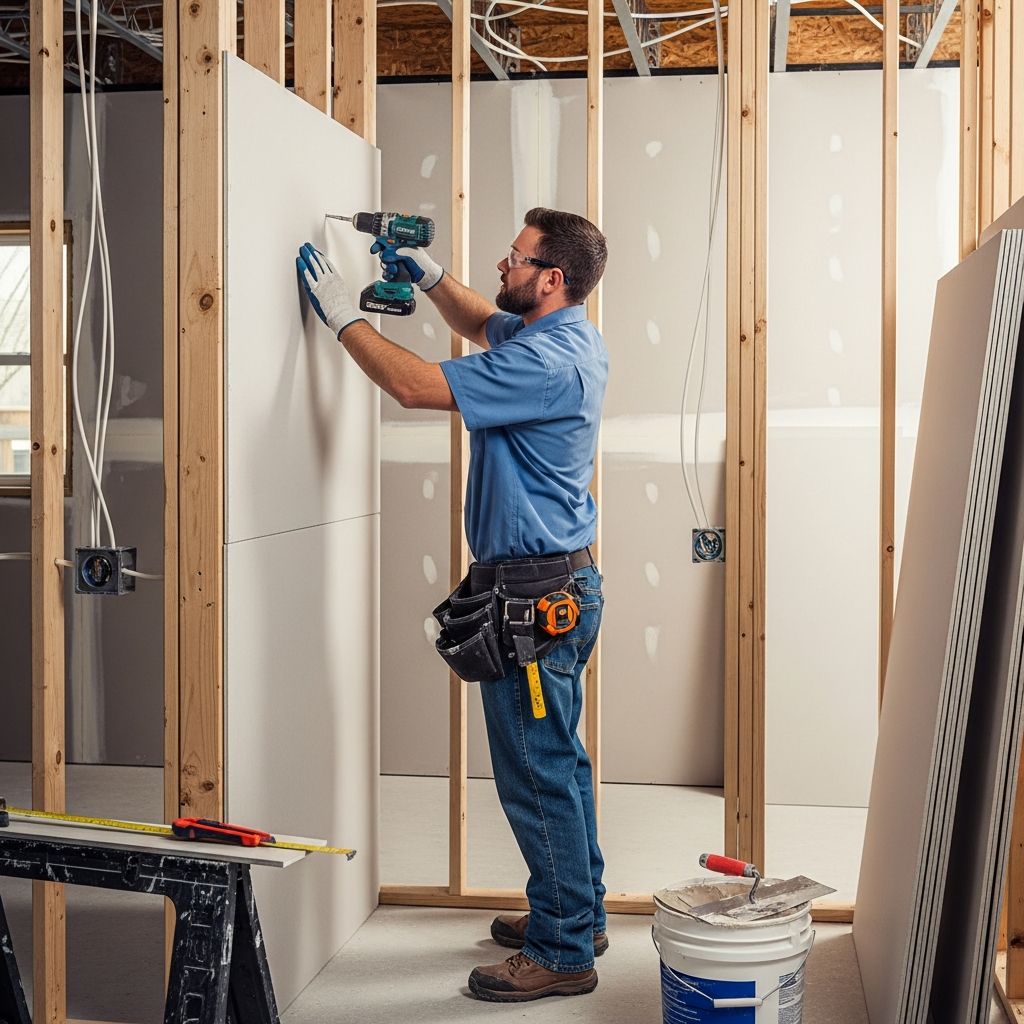
When hanging drywall on walls, start at the top and work your way down. Here’s how:
- Position the first sheet so that its edges align with the center of studs.
- Fasten the sheet with drywall screws, spacing them about 12 inches apart along studs.
- Drive screws just deep enough to dimple the paper without breaking it.
- Stagger the seams of adjacent sheets to avoid weak points.
- Leave a small gap (about 1/8 inch) between sheets to allow for expansion.
For corners, use corner bead to reinforce outside edges and prevent cracking.
Hanging Drywall on Ceilings
Ceiling drywall installation requires extra care due to the weight and positioning. Use a drywall lift to support the sheet while you fasten it. Start in a corner and work toward the center of the room. Fasten screws every 7 to 8 inches along joists. Ensure the sheet is level and flush with adjacent sheets.
Fastening Drywall: Screws vs. Nails
While both screws and nails can be used to fasten drywall, screws are generally preferred for their holding power and reduced risk of popping. Nails are faster to install but can loosen over time, especially in ceilings. Use drywall screws for most applications, and reserve nails for temporary or non-load-bearing situations.
Finishing Drywall: Taping and Mudding
After hanging drywall, the next step is finishing. This involves taping seams and applying joint compound (mud) to create a smooth surface.
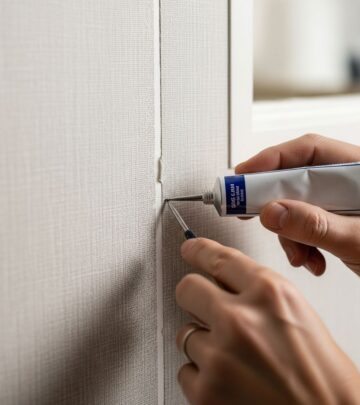
- Apply joint tape over seams and corners.
- Spread a thin layer of joint compound over the tape with a putty knife.
- Allow the compound to dry, then sand lightly.
- Apply additional coats as needed, feathering the edges for a seamless finish.
- For outside corners, use corner bead and apply compound over it.
Always sand between coats and wipe away dust before applying the next layer.
Common Drywall Installation Mistakes
Even experienced DIYers can make mistakes when hanging drywall. Here are some common errors to avoid:
- Improper Stud Alignment: Failing to align drywall edges with stud centers can lead to weak seams and cracking.
- Overdriving Screws: Driving screws too deep can break the paper and weaken the drywall.
- Skipping the Gap: Not leaving a small gap between sheets can cause bulging or cracking as the drywall expands.
- Incorrect Taping: Applying tape over uneven seams or using the wrong type of tape can result in visible joints.
- Rushing the Finish: Skipping sanding or applying too much mud at once can create a rough, uneven surface.
Tips for a Professional Finish
Follow these tips to achieve a professional-looking drywall installation:
- Use a drywall lift for ceilings to reduce strain and improve accuracy.
- Stagger seams on adjacent sheets to avoid weak points.
- Always cut drywall with the finished side up to minimize chipping.
- Apply joint compound in thin, even layers and sand between coats.
- Use corner bead for outside corners to prevent cracking.
- Inspect your work frequently to catch mistakes early.
FAQs: Drywall Installation
How long does it take to hang drywall?
Hanging drywall can take anywhere from a few hours to a full day, depending on the size of the area and your experience level. Finishing the drywall (taping and mudding) typically takes several days, as each coat of joint compound needs time to dry.
Can I hang drywall by myself?
Yes, you can hang drywall by yourself, but it’s easier and safer with a helper, especially for large sheets or ceilings. A drywall lift can also make solo installation more manageable.
What type of drywall should I use?
Standard drywall is suitable for most applications. For bathrooms or areas with high moisture, use moisture-resistant (green board) drywall. For fire resistance, choose fire-rated drywall.
How do I fix a hole in drywall?
For small holes, use a patch kit or apply joint compound directly. For larger holes, cut out the damaged section, install a backing, and patch with a new piece of drywall. Tape and mud the seams as usual.
Do I need to prime drywall before painting?
Yes, always prime drywall before painting. Priming seals the surface, ensures even paint coverage, and prevents the drywall from absorbing too much paint.
Conclusion
Hanging drywall like a pro requires careful planning, the right tools, and attention to detail. By following the steps outlined in this guide and avoiding common mistakes, you can achieve a smooth, durable wall surface that looks professionally finished. Whether you’re a seasoned DIYer or a beginner, mastering drywall installation is a valuable skill that will serve you well in any home improvement project.
References
- Drywall Installation Guide — Family Handyman. 2023. https://www.familyhandyman.com/project/how-to-hang-drywall-like-a-pro/
- Drywall Basics | Drywall Installation Guide Part 1 — Home RenoVision DIY. 2023. https://www.youtube.com/watch?v=ZxYU9IydD9w
- Drywall Installation Mistakes You’ve Probably Made Before — Family Handyman. 2023. https://www.familyhandyman.com/project/how-to-hang-drywall-like-a-pro/
Similar Articles




Read full bio of medha deb