How to Install GFCI Outlets: Complete Guide
Master GFCI outlet installation with our step-by-step guide for safer home electrical systems.
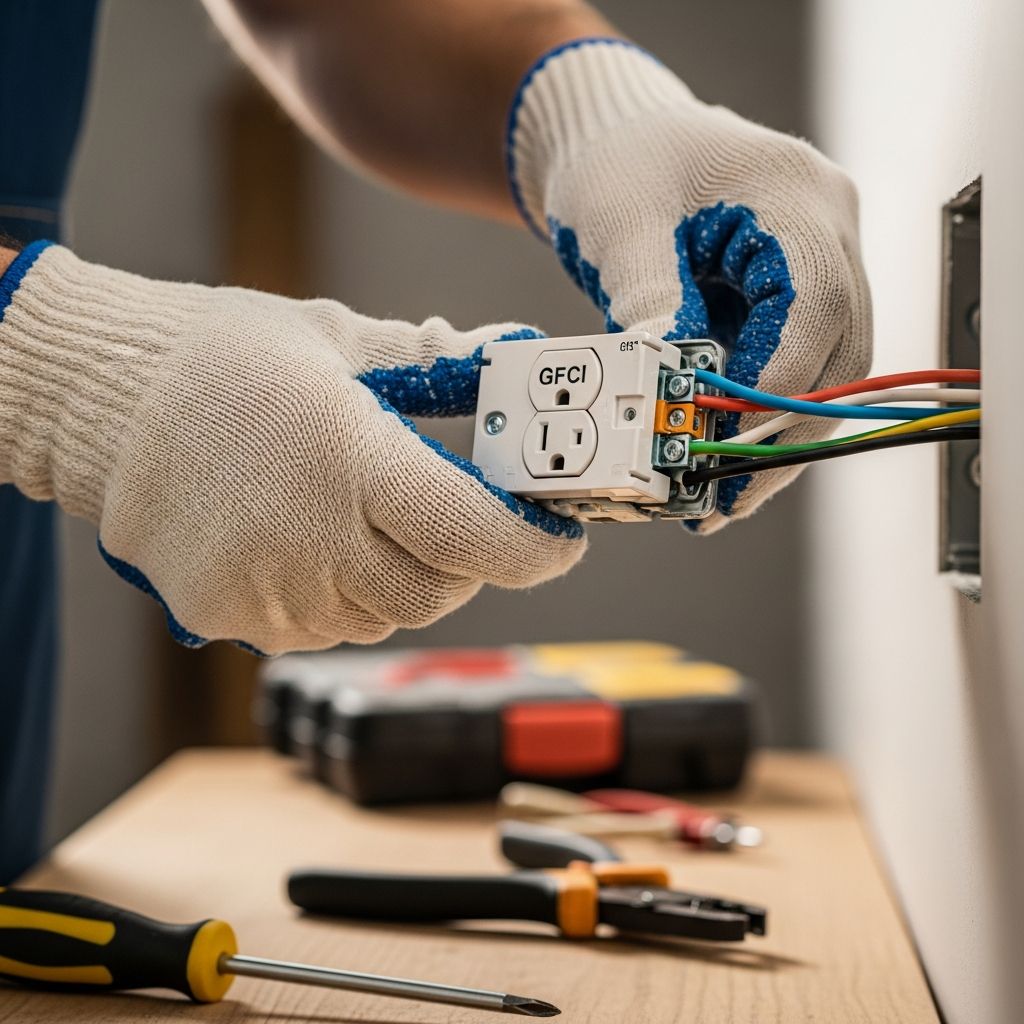
How to Install GFCI Outlets: A Complete DIY Guide
Ground Fault Circuit Interrupter (GFCI) outlets are essential safety devices in modern homes, particularly in areas where water exposure is a risk. These specialized outlets detect electrical imbalances and shut off power instantly, preventing electrical shocks and potential injuries. Understanding how to install GFCI outlets properly is a valuable skill for homeowners looking to enhance their electrical safety and comply with current building codes. This comprehensive guide will walk you through the entire installation process, from preparation to troubleshooting.
Understanding GFCI Outlets and Their Importance
GFCI outlets are designed to protect you from dangerous electrical shocks by monitoring the flow of electricity through the circuit. When a ground fault is detected—meaning electricity is flowing where it shouldn’t—the GFCI outlet instantly cuts off power, typically within milliseconds. This rapid response can prevent serious injury or even death. According to electrical safety standards, GFCI protection is required in bathrooms, kitchens, garages, basements, and outdoor areas where moisture is present or likely.
There are two main types of GFCI protection available. Outlet-type GFCIs provide protection at the specific outlet where they’re installed, while circuit-breaker GFCIs protect an entire circuit from the main electrical panel. For this guide, we’ll focus on installing outlet-type GFCIs, which are the most common choice for homeowners and offer protection without replacing existing circuit breakers.
Tools and Materials You’ll Need
Before beginning your installation project, gather all necessary tools and materials to ensure a smooth and safe process.
Essential Tools:
- Voltage tester or multimeter to verify power is off
- Screwdriver set (both Phillips and flathead)
- Wire strippers for preparing electrical wires
- Needle-nose pliers for bending and manipulating wires
- Wire nuts for connecting electrical wires
- Electrical tape for securing connections
- Flashlight or headlamp for visibility in outlets
- Outlet box (if replacing existing outlet)
Materials Required:
- GFCI outlet (15 or 20 amp, depending on circuit requirements)
- Electrical wire (if extending or replacing existing wire)
- Wire connectors appropriate for wire gauge
- Electrical insulation tape
- Outlet cover plate designed for GFCI outlets
Safety Precautions Before Installation
Electrical work requires careful attention to safety. Never skip safety precautions, as electrical hazards can be life-threatening. Always turn off power to the outlet at the circuit breaker before beginning any work. Use a voltage tester to confirm that power is completely off—simply turning off a breaker switch isn’t sufficient verification. Never work on live circuits, and avoid working in wet or damp conditions when possible. If you’re uncertain about any aspect of the installation, consult a licensed electrician rather than risking injury or creating a fire hazard.
It’s also important to ensure your workspace is well-lit and organized. Keep water and moisture away from your work area, and wear appropriate clothing that won’t conduct electricity. Remove metal jewelry, watches, and other conductive items before beginning work. Have a helper present if possible, and keep emergency contact information readily available.
Step-by-Step Installation Process
Step 1: Turn Off Power and Verify
Locate the circuit breaker that controls the outlet where you’ll be installing the GFCI. Switch the breaker to the off position. Use your voltage tester to confirm that power is completely shut off. Test the voltage tester on a known live outlet first to ensure it’s working properly, then test the outlet where you’ll be working. This crucial verification step prevents accidental shocks and ensures your safety throughout the installation.
Step 2: Remove the Old Outlet
Once power is confirmed off, use your screwdriver to remove the outlet cover plate. Carefully unscrew and pull the outlet from its box. Inside, you’ll find wire connections—typically hot (black or red), neutral (white), and ground (green or bare copper) wires. Note the current wire arrangement before disconnecting anything. Disconnect the wires by loosening the terminal screws. Gently pull the wires away from the old outlet and remove it completely.
Step 3: Prepare the Wires
Examine the exposed wires for any damage, corrosion, or discoloration. If the wires appear damaged, they should be replaced. Strip approximately half an inch of insulation from the end of each wire using your wire strippers. Ensure the stripped portion is clean and undamaged. If you’re working with old wiring, verify it’s in good condition and properly sized for the circuit amperage. The wire gauge should match the circuit’s amp rating (typically 14-gauge for 15-amp circuits and 12-gauge for 20-amp circuits).
Step 4: Connect the Hot Wire
The hot wire (typically black, but can be red or another color on some circuits) carries electrical current from the breaker. Connect the hot wire to the brass-colored terminal on the GFCI outlet. Bend the stripped wire into a hook shape, place it under the terminal screw, and tighten the screw securely. The wire should form a clockwise loop around the screw for optimal contact. Ensure the connection is tight enough that the wire won’t slip out but not so tight that you damage the wire.
Step 5: Connect the Neutral Wire
The neutral wire (typically white) carries electricity back to the breaker panel. Connect this wire to the silver-colored terminal on the GFCI outlet using the same technique as the hot wire. Create a clockwise loop, position it under the terminal screw, and tighten securely. Proper connection of the neutral wire is critical for the outlet to function correctly and provide protection.
Step 6: Connect the Ground Wire
The ground wire (green or bare copper) provides a safety path for electricity in case of a fault. Connect this wire to the green terminal on the GFCI outlet. If you have an older two-prong outlet without a ground wire, you may need to run a new ground wire if required by local electrical codes. In some cases, you may use a GFCI outlet without a ground wire, but check local regulations first. The green terminal should be connected and tight.
Step 7: Secure the GFCI Outlet
Carefully push the GFCI outlet back into the outlet box. Ensure wires are neatly arranged and not pinched or bent sharply. Align the outlet so the test and reset buttons are in the correct orientation, typically with the ground hole at the bottom. Screw the GFCI outlet securely to the outlet box using the provided screws. Don’t overtighten, as this can crack the outlet or damage internal components.
Step 8: Install the Cover Plate
Once the outlet is secure, attach the GFCI cover plate. Screw it on securely, ensuring it’s aligned properly. The cover plate should sit flush against the wall with no gaps. Use a cover plate designed specifically for GFCI outlets if desired, though standard plates work as well.
Step 9: Restore Power and Test
Return to the circuit breaker and switch it back on. You should hear or feel a slight click as power is restored. Locate the test and reset buttons on the GFCI outlet. Press the test button—the outlet should immediately shut off, and you should feel a click. This action disconnects power to verify the outlet is functioning. Press the reset button to restore power. The outlet should click back on, indicating normal operation. If the outlet doesn’t respond to the test button, turn off the breaker and check your wire connections.
Protecting Multiple Outlets with One GFCI
One of the advantages of GFCI outlets is that they can protect downstream outlets on the same circuit. If you connect additional outlets after the GFCI in the circuit, they automatically receive GFCI protection through the “LINE” terminals. However, you should not connect previous outlets through the LINE terminals, as those outlets won’t receive protection. Clearly label which outlets are protected by your GFCI installation to avoid confusion. Some homeowners choose to install GFCI protection at every outlet in wet areas for redundancy, while others use a single outlet to protect multiple downstream outlets.
Common Installation Mistakes to Avoid
Several common errors can compromise GFCI outlet installation. Reversing hot and neutral wires creates shock hazards and prevents proper operation. Always double-check wire colors and connections before restoring power. Failing to verify power is completely off before starting work is extremely dangerous. Using improper wire gauges for the circuit amperage creates fire hazards. Never assume a breaker has cut power—always verify with a voltage tester. Connecting downstream outlets to the wrong terminals prevents protection from functioning correctly. Loose wire connections reduce contact and create heat, potentially causing fires. Poor outlet box installation can allow moisture infiltration, reducing effectiveness. Taking time to do the work properly prevents these issues.
Troubleshooting GFCI Installation Issues
The Test Button Doesn’t Work
If pressing the test button doesn’t shut off the outlet, turn off the breaker and check all wire connections. Ensure hot and neutral wires are connected to the correct terminals and are tight. Verify the ground wire is properly connected. The outlet itself may be defective—try replacing it with a new GFCI outlet if connections are correct.
The Outlet Won’t Hold Power
If the outlet repeatedly trips or won’t stay powered on, there may be a ground fault in your circuit. This could indicate a problem with another outlet, appliance, or wiring. Turn off the breaker and inspect all visible wiring for damage. Check that no water damage or moisture is present. You may need to call a licensed electrician to locate the fault.
Multiple Outlets Losing Power
If several outlets in the area lose power when you trip the GFCI, you may have a more serious ground fault. Turn off the breaker immediately and don’t attempt further repairs yourself. This indicates a potential electrical hazard that requires professional evaluation.
The Outlet Sparks When Plugging In Devices
Sparking indicates a serious problem and suggests unsafe connections or a defective outlet. Turn off the breaker immediately, don’t attempt to use the outlet, and replace the GFCI outlet. If sparking continues with a new outlet, a professional electrician should inspect the circuit.
When to Call a Professional Electrician
While GFCI installation is a relatively straightforward project for homeowners with basic electrical knowledge, certain situations warrant professional help. If your home has aluminum wiring, if you’re unsure about wire identification, if the outlet repeatedly trips without an obvious reason, or if you’re uncomfortable working with electricity, contact a licensed electrician. If local codes require permits for electrical work or if you’re uncertain about compliance with current regulations, a professional can ensure everything is done correctly and safely. The cost of professional installation is minimal compared to the potential consequences of improper electrical work.
Frequently Asked Questions
Q: How often should GFCI outlets be tested?
A: GFCI outlets should be tested monthly by pressing the test button. If the outlet doesn’t trip when tested, or if it trips unexpectedly under normal use, it should be replaced immediately.
Q: Can I install a GFCI outlet on a 20-amp circuit?
A: Yes, you can install a 20-amp GFCI outlet on a 20-amp circuit. Match the GFCI outlet’s amp rating to your circuit’s amp rating for proper protection and operation.
Q: Do I need GFCI protection in my laundry room?
A: Yes, laundry rooms require GFCI protection by current electrical codes because water exposure is likely when using washing machines and water hookups are present.
Q: What’s the difference between a GFCI outlet and a GFCI circuit breaker?
A: A GFCI outlet protects only that specific outlet and downstream outlets on the same circuit, while a GFCI circuit breaker protects the entire circuit from the main panel, offering comprehensive protection.
Q: Can I use a regular outlet cover plate on a GFCI outlet?
A: Yes, standard outlet cover plates work with GFCI outlets, though larger plates designed specifically for GFCI outlets may be more aesthetically pleasing.
Q: How long do GFCI outlets typically last?
A: Most GFCI outlets last 15-25 years with proper maintenance and regular testing. If an outlet fails the test function, replace it immediately regardless of age.
Q: Is a permit required to install GFCI outlets?
A: Requirements vary by location. Some jurisdictions require permits for any electrical work, while others allow homeowners to perform basic outlet replacements without permits. Check with your local building department before starting.
References
- National Electrical Code (NEC) Article 210: Branch Circuits and Outlets — National Fire Protection Association (NFPA). 2023. https://www.nfpa.org/codes-and-standards/all-nfpa-codes-and-standards/list-of-nfpa-codes-and-standards/detail?code=70
- GFCI Protection: What You Need to Know — U.S. Consumer Product Safety Commission (CPSC). 2024. https://www.cpsc.gov/Business–Manufacturing/Business-Education/News/GFCI-Protection-What-You-Need-Know
- Electrical Safety in the Home — Occupational Safety and Health Administration (OSHA). U.S. Department of Labor. 2024. https://www.osha.gov/dsg/naics-4236/electrical-safety
- Understanding Ground Fault Circuit Interrupters — Electrical Safety Foundation International (ESFI). 2024. https://www.esfi.org/
- Residential Wiring to the NEC 2023 — International Code Council (ICC). 2023. https://www.iccsafe.org/
Similar Articles








Read full bio of Sneha Tete