How to Install Pavers: Complete Step-by-Step Guide
Master paver installation with our comprehensive guide covering preparation, foundation, and professional techniques.
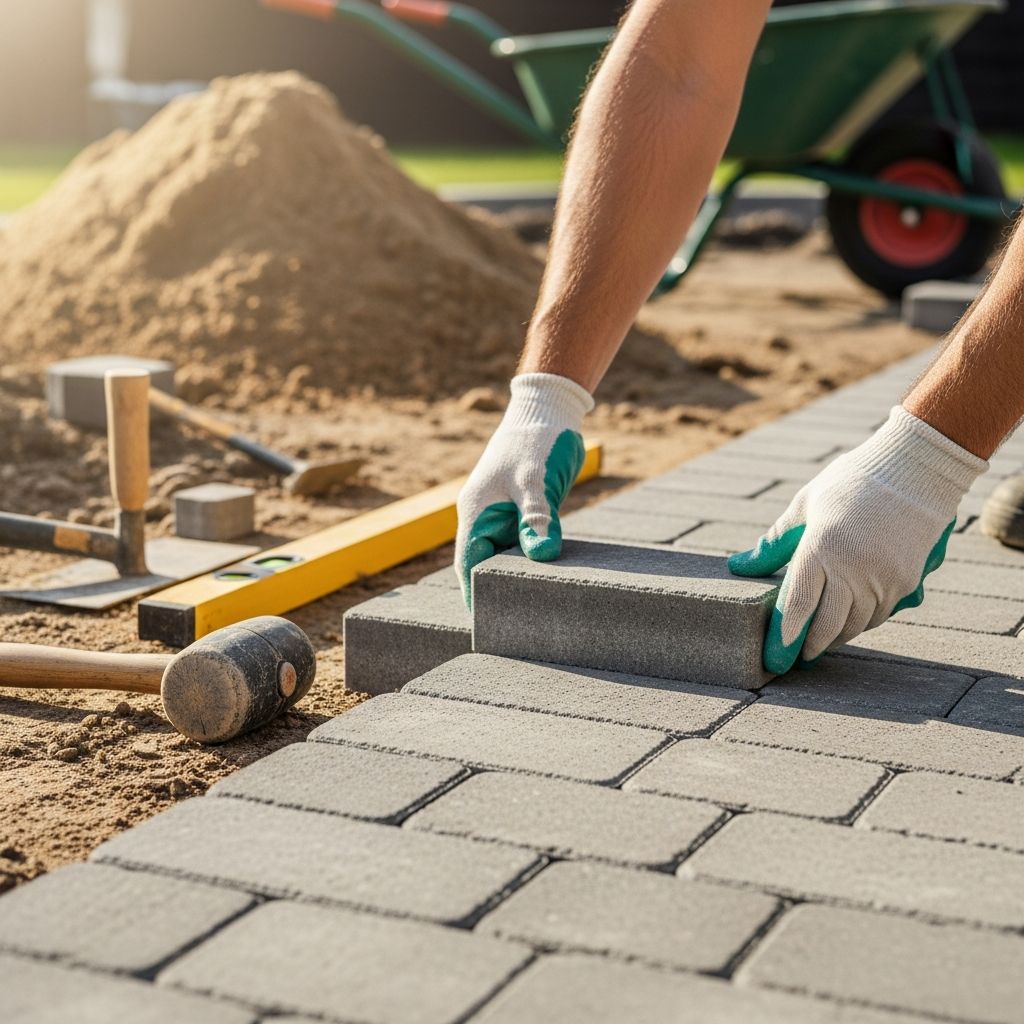
How to Install Pavers: A Complete Installation Guide
Installing pavers is an excellent way to create a beautiful, durable outdoor surface that enhances your home’s curb appeal and functionality. Whether you’re building a patio, walkway, or driveway, proper installation is crucial for a long-lasting result that can withstand years of foot traffic and weather exposure. This comprehensive guide walks you through every step of the paver installation process, from initial site preparation through final finishing touches.
The key to a successful paver installation lies in careful planning and meticulous execution of each phase. By following these detailed instructions and using the proper tools and materials, you can create a professional-quality paved surface that will serve your outdoor space for decades.
Required Tools for Paver Installation
Before you begin your paver project, gather all necessary tools to ensure smooth progress and professional results. Having the right equipment on hand prevents delays and allows you to work safely and efficiently.
- Circular saw with masonry blade for cutting pavers
- Level for checking grades and ensuring flat surfaces
- Plate compactor for compacting base materials and finished pavers
- Rake for spreading and leveling materials
- Rubber mallet for setting pavers gently in place
- Safety gear including gloves, goggles, and dust mask
- Shovel for excavation and material handling
- String line for maintaining straight rows and proper alignment
- Wheelbarrow for transporting materials across your work site
Necessary Materials for Your Project
Acquiring quality materials before starting ensures you won’t experience interruptions mid-project. Different project types may require varying quantities, so measure your area carefully before purchasing.
- Bedding sand for the layer directly beneath pavers
- Edge restraints to contain pavers and prevent shifting
- Jointing sand for filling spaces between pavers
- Paver base material such as crushed stone or gravel
- Pavers in your chosen style, color, and material
- Geotextile fabric to prevent base material mixing with soil
Preparing the Ground for Pavers
The foundation is absolutely critical to paver longevity. Skipping or rushing this phase almost guarantees problems like settling, shifting, and uneven surfaces down the road. Proper ground preparation involves several important steps that cannot be overlooked.
Marking Your Paver Area
Start by clearly defining the boundaries of your paved area. Use stakes and string to outline the perimeter, ensuring you have square corners and straight edges where applicable. This visual guide keeps you organized and helps you accurately calculate material quantities. Take time to double-check your measurements and layout before beginning excavation, as changes become much more difficult once you’ve started digging.
Excavation Process
Excavate the marked area to the appropriate depth based on your project type. For pedestrian areas like patios and walkways, excavate to a depth of approximately 6 to 8 inches. For driveways that will support vehicle weight, dig 8 to 12 inches deep. This depth accommodates the paver thickness, sand layer, and base material needed for a stable, long-lasting installation.
Use a shovel for manual digging or rent excavation equipment for larger areas. For particularly hard-packed soil, a pickaxe helps loosen compacted earth, making the work easier. Maintain consistent depth throughout your excavation area to ensure even settling and proper water drainage. Any low spots or depressions should be filled and compacted before proceeding to the base layer.
Drainage Considerations
Proper drainage prevents water accumulation that can damage your paved surface and create safety hazards. Slightly slope the excavated area away from structures like your house or deck. This gentle pitch, typically about 1/8 inch per foot, allows water to run off naturally rather than pooling on the surface. Use a level on a straight board to verify your slope as you work.
Creating a Solid Foundation
A solid foundation prevents your pavers from settling, shifting, and developing uneven surfaces over time. This foundational layer distributes weight evenly and provides stability through various weather conditions and seasonal changes.
Laying the Paver Base
Spread a layer of paver base material—typically crushed stone or gravel—over your excavated area. For pedestrian applications, apply 4 to 6 inches of base material. For driveways, use 6 to 8 inches. Rake the material level, then compact it thoroughly using a plate compactor. Make multiple passes in different directions (across and lengthwise) to ensure proper settling and eliminate air pockets. This compaction is absolutely essential; inadequate compaction leads to future settling and an uneven surface.
Understanding Geotextile Fabric
Consider installing geotextile fabric between the soil and paver base. This permeable fabric prevents base material from mixing with underlying soil, keeping your foundation intact and preventing erosion or shifting over time. The fabric allows water to pass through for drainage while blocking soil particles from moving upward into your base layer. This simple addition significantly extends your paved surface’s lifespan, particularly in areas with heavy rainfall or poor native soil conditions.
Adding and Compacting Sand
Once your base is firm and compacted, add a 1-inch layer of concrete sand over the entire area. This sand creates a smooth, level surface for laying pavers and allows for minor adjustments during installation. Use a screed board—a straight 2×4 board—to level the sand, working it back and forth to remove high spots and fill depressions. Lightly mist the sand with water using a garden hose, then compact it gently with your plate compactor. The damp sand compacts better and creates a more stable surface than dry sand. Avoid walking on the prepared sand bed, as this creates depressions and uneven spots that compromise your finished result.
Step-By-Step Paver Installation
With your foundation prepared, you’re ready to lay pavers. This phase requires attention to detail but becomes intuitive once you establish a rhythm and pattern.
Choosing Your Paver Pattern
Select a pattern that complements your outdoor space while minimizing cutting requirements. Different patterns offer varying aesthetics and installation complexity:
- Running bond: The simplest pattern requiring the fewest cuts, pavers offset like bricks in a wall
- Herringbone: A diagonal zigzag pattern creating visual interest but requiring more cuts
- Basket weave: Alternating perpendicular pavers for a intricate, delicate appearance
- Stack bond: Pavers aligned in a grid pattern, easier to cut but less visually dynamic
Running bond patterns go down fastest and work well for most applications. More complex patterns provide visual appeal but extend installation time considerably. Many pavers include template books showing how to arrange specific patterns.
Laying the Pavers
Begin laying pavers from a corner or along a straight edge where you can maintain perfect alignment. Work methodically, placing each paver snugly against its neighbors. Use string lines to ensure straight rows, checking frequently as you progress. Avoid walking on the unpaved sand bed; instead, work from the pavers you’ve already laid, stepping only on completed sections. This prevents creating depressions in your sand layer.
Many pavers feature small nubs on their sides that automatically create consistent spacing for drainage. Position these nubs to touch, and they’ll maintain proper gaps between pavers. If your pavers lack nubs, maintain approximately 1/8 inch spacing by eye, using the thickness of a wooden shim as a guide.
Cutting Pavers for Edges and Curves
As you approach edges and obstacles, you’ll need to cut pavers for a polished, finished appearance. Mark your cutting lines clearly on the paver using a pencil or chalk. Equip your circular saw with a masonry blade, then carefully cut along your marked line. Use firm, steady pressure but don’t force the blade through the material. Always wear safety gear including goggles and gloves when cutting, as flying debris and sharp edges pose injury risks. For very thick pavers or numerous cuts, consider renting a masonry saw or paver splitter, which provides cleaner cuts with less physical effort.
Creating Proper Surface Finish
Once all pavers are laid, sweep mason’s sand over the entire surface, working it into the joints between pavers. This sand locks the pavers together and stabilizes the installation. Use a plate compactor with a rubber mat attachment to vibrate the pavers gently, settling them into the sand bed and further filling the joints. Add additional sand as needed and repeat compaction until all joints are completely filled. This final compaction step is crucial; inadequate compaction allows pavers to shift under foot traffic.
Paver Installation Comparison Guide
Different paver materials and project types have varying installation requirements:
| Project Type | Excavation Depth | Base Layer | Sand Layer | Key Consideration |
|---|---|---|---|---|
| Pedestrian Patio | 6-8 inches | 4-6 inches | 1 inch | Focus on drainage away from house |
| Walkway | 6-8 inches | 4-6 inches | 1 inch | Ensure straight edges and proper width |
| Vehicle Driveway | 8-12 inches | 6-8 inches | 1 inch | Maximum compaction for weight support |
| Permeable Paver | 8-10 inches | 4 inches crushed stone | 1/4-1.5 inch stone | Use 1/4-inch stone in joints for drainage |
Pro Tips for Success
Compact multiple times: Don’t settle for single-pass compaction. Multiple passes in different directions ensure thorough settling and eliminate air pockets that cause future problems.
Check level frequently: Use your level regularly throughout installation to catch problems early. A slight slope is good for drainage, but avoid creating dips or high spots.
Work in sections: If your project is large, divide it into manageable sections. Complete each section fully before moving to the next, maintaining consistent quality throughout.
Protect your investment: Keep foot traffic off newly installed pavers for at least 24 hours while sand settles. Allow jointing sand to cure per product instructions before heavy use.
Frequently Asked Questions About Paver Installation
Q: How long does paver installation take?
A: Timeline varies by project size and complexity. A small 100-square-foot patio might take 2-3 days, while larger projects can require 1-2 weeks or more. Factor in time for material curing and settling.
Q: Can I install pavers over existing concrete?
A: Installing directly over concrete is not recommended as pavers need a compacted sand base for proper drainage and settling. Remove existing concrete or create a new sand base with proper compaction.
Q: What’s the best sand to use between pavers?
A: Use concrete sand or mason’s sand specifically designed for paver installation. Regular play sand compacts poorly and doesn’t provide adequate support.
Q: How do I maintain my installed pavers?
A: Sweep regularly to remove debris, pressure wash annually to prevent staining, and add jointing sand as needed if erosion occurs. Avoid using salt for ice removal.
Q: Do I need to seal my pavers?
A: Sealing is optional but recommended, especially for porous materials. Sealer protects against staining, weathering, and extends the life of your pavers.
Q: What causes pavers to become uneven?
A: Uneven settling typically results from inadequate base compaction, insufficient sand layer, poor drainage, or improper slope. Proper preparation prevents these issues.
References
- How to Install Pavers — This Old House. 2024. https://www.thisoldhouse.com/patios/21015530/how-to-install-pavers
- How To Install Concrete Pavers — This Old House. 2024. https://www.thisoldhouse.com/patios/21232678/how-to-install-concrete-pavers
- How to Install a Permeable-Paver Driveway — This Old House. 2024. https://www.thisoldhouse.com/driveways/21016426/how-to-install-a-permeable-paver-driveway
- All About Concrete Pavers — This Old House. 2024. https://www.thisoldhouse.com/masonry/21015322/all-about-concrete-pavers
- How to Build a Concrete Paver Walkway — This Old House. 2024. https://www.thisoldhouse.com/pathways-sidewalks/21308169/how-to-build-concrete-paver-walkway
- How to Lay a Brick Paver Walkway — This Old House. 2024. https://www.thisoldhouse.com/sidewalks/21017041/how-to-lay-a-brick-paver-walkway
Similar Articles




Read full bio of Sneha Tete