How to Kill Weeds: Complete Guide to Effective Weed Control
Master effective weed control techniques for a pristine garden and healthy lawn.
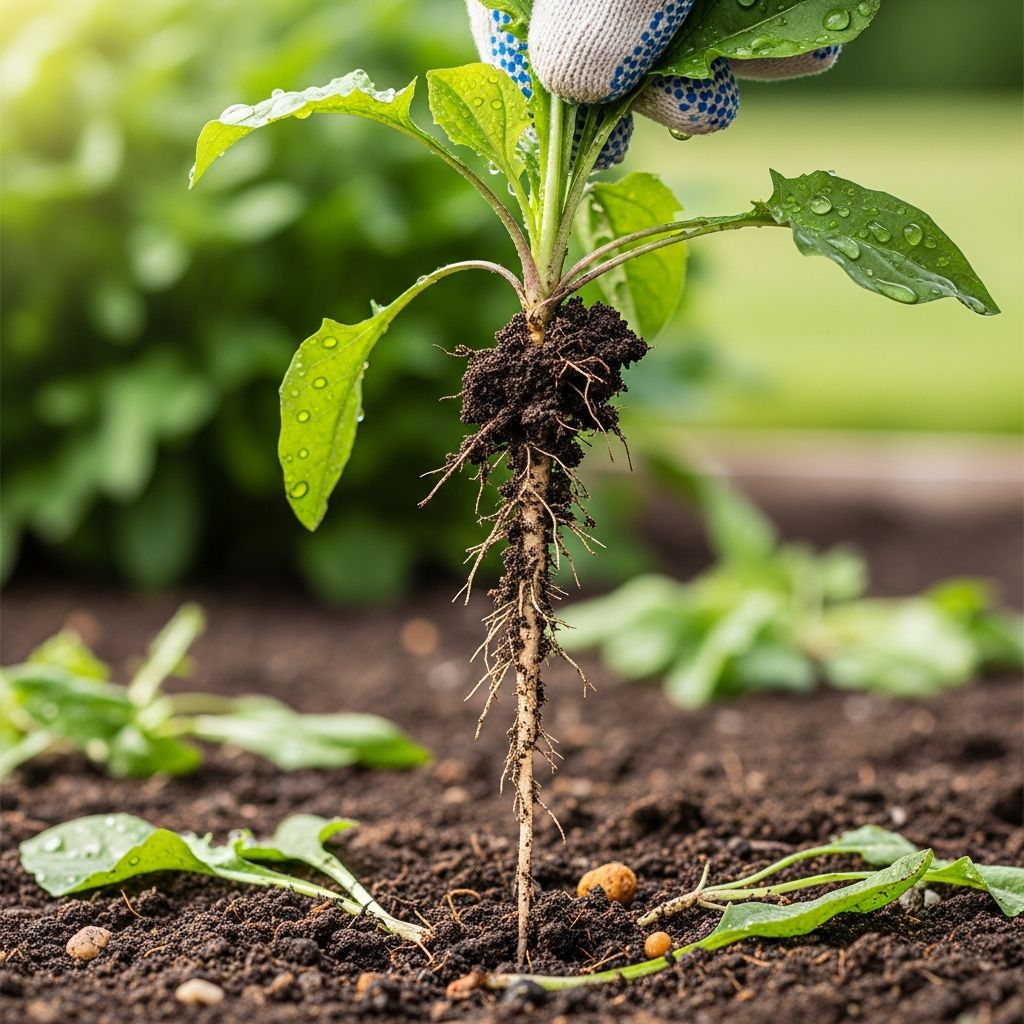
Weeds are one of the most persistent challenges faced by homeowners and gardeners. These unwanted plants compete with your desirable flowers, vegetables, and grass for nutrients, water, and sunlight. Understanding how to effectively kill weeds and prevent their return is essential for maintaining a healthy, attractive landscape. Whether you prefer natural methods, chemical solutions, or a combination of both, this comprehensive guide will help you reclaim your garden from invasive plants.
Understanding Weeds and Their Growth Patterns
Before diving into elimination methods, it’s important to understand what weeds are and how they thrive. Weeds are simply plants growing where they’re not wanted. They’re incredibly adaptable and often thrive in conditions where desirable plants struggle. Most weeds fall into two categories: annuals and perennials.
Annual weeds complete their entire life cycle in one growing season, spreading numerous seeds before dying. Perennial weeds return year after year from their root systems, making them more challenging to eliminate. Understanding which type of weed you’re dealing with helps determine the most effective control strategy.
Manual Weed Removal Methods
One of the most environmentally friendly and effective approaches to weed control is manual removal. This method requires some physical effort but provides immediate results and is ideal for small infestations or garden beds.
Hand Pulling
Hand pulling is the simplest method for removing weeds, especially effective for annual weeds and young perennials. The best time to pull weeds is after rainfall when the soil is moist and weeds slide out more easily. Follow these steps for successful hand pulling:
- Wear gardening gloves to protect your hands
- Grasp the weed at its base, as close to the soil as possible
- Pull steadily with a slight twisting motion to extract the entire root system
- For stubborn weeds, use a small hand shovel or weeding tool to loosen the soil first
- Remove any root fragments left in the soil to prevent regrowth
- Dispose of pulled weeds in a trash bag, not in compost, unless you’re certain they’re not going to seed
Using Weeding Tools
Several specialized tools make manual weed removal more efficient and less strenuous. A good weeding tool is an investment that pays dividends over time:
- Dandelion diggers: Specifically designed for deep-rooted weeds, these tools have a narrow, forked end that slides under the tap root
- Hori-horis: Japanese gardening knives that work well for removing weeds from tight spaces and between pavers
- Cape Cod weeding tools: Long-handled tools ideal for removing weeds while standing, reducing back strain
- Grub hoes: Useful for removing multiple small weeds from larger areas
Chemical Weed Control Solutions
For larger weed problems or persistent perennial weeds, herbicides offer effective chemical control. Understanding the different types of herbicides and how to apply them safely is crucial for success.
Pre-Emergent Herbicides
Pre-emergent herbicides work by preventing weed seeds from germinating. These are most effective when applied before the growing season begins:
- Applied in early spring for summer annual weeds
- Applied in fall for winter annual weeds
- Create a protective barrier in the soil that blocks seed germination
- Most effective on driveways, patios, and garden beds where new weeds commonly emerge
Post-Emergent Herbicides
Post-emergent herbicides target weeds that are already growing. These come in two main types:
Selective Herbicides: Designed to kill specific types of weeds while leaving desirable plants unharmed. Broadleaf herbicides target dandelions and clover in lawns without affecting grass.
Non-Selective Herbicides: Kill most plants they contact, making them ideal for total vegetation removal in areas like driveways and gravel pathways. Glyphosate-based products are popular non-selective options.
Organic and Natural Alternatives
For environmentally conscious gardeners, several natural weed control options are available:
- Vinegar solutions: Household vinegar (5% acetic acid) or horticultural vinegar (20% acetic acid) spray kills weeds on contact but may require multiple applications
- Boiling water: Simply pour boiling water directly on weeds to kill them instantly, perfect for driveways and gravel areas
- Salt: Sprinkle salt directly on weeds or mix with water for a spray, though use cautiously as salt can affect soil quality
- Citric acid products: Commercial products using citric acid provide natural weed control without synthetic chemicals
Prevention and Long-Term Weed Management
The most effective weed control strategy combines elimination with prevention. Preventing new weeds from establishing is often easier than removing established ones.
Mulching
Applying a layer of mulch to garden beds provides multiple benefits while suppressing weed growth:
- Use 2-4 inches of organic mulch like wood chips or bark
- Blocks sunlight from reaching weed seeds, preventing germination
- Maintains soil moisture and regulates temperature
- As mulch decomposes, it improves soil structure and adds nutrients
- Replace mulch annually as it breaks down
Landscape Fabric and Ground Covers
Physical barriers prevent weed growth while allowing water and air penetration:
- Install landscape fabric under mulch for enhanced weed suppression
- Plant dense ground covers to outcompete weeds for space and resources
- Use cardboard or newspaper as a biodegradable weed barrier
Proper Lawn Maintenance
A thick, healthy lawn naturally resists weed invasion:
- Mow at the appropriate height for your grass type, typically 2.5-3.5 inches
- Water deeply and infrequently to encourage deep root growth
- Apply a balanced fertilizer according to soil test recommendations
- Overseed thin areas to fill in spaces where weeds might establish
- Aerate compacted soil to improve root development
Targeted Weed Control by Location
Weeds in Flower Beds
Flower beds require careful weed management to avoid damaging desirable plants. Hand removal and mulching are ideal for these areas. Selective post-emergent herbicides designed for ornamental beds can also be used, following label directions carefully.
Weeds in Lawns
For lawn weeds, selective broadleaf herbicides work well, targeting weeds while preserving grass. Proper mowing height and frequency discourage many weeds. For severe infestations, dormant oil applications in early spring can be effective.
Weeds on Hard Surfaces
Driveways, patios, and walkways often harbor stubborn weeds. Non-selective herbicides, boiling water, and pressure washing followed by sealing cracks all work well in these areas. Pre-emergent treatments prevent new weeds from establishing.
Timing Your Weed Control Efforts
When you address weed problems significantly impacts effectiveness. Spring is typically the best time to tackle winter annual weeds and prepare for summer. Fall is ideal for controlling summer annuals and perennials before they go dormant. However, weeds can emerge throughout the growing season, requiring year-round vigilance.
Catch weeds early when they’re small and before they flower and set seed. A single dandelion plant can produce thousands of seeds that spread via wind, creating future problems.
Safety Considerations When Using Herbicides
When applying any chemical weed control product, safety is paramount:
- Read and follow all label instructions completely
- Wear appropriate protective equipment including gloves, goggles, and long sleeves
- Apply on windless days to prevent spray drift onto desirable plants
- Keep children and pets away from treated areas during application and the recommended time period
- Store all products in original containers in a safe location away from children and animals
- Dispose of empty containers according to local regulations
Frequently Asked Questions
Q: What’s the best time of day to apply weed killer?
A: Apply herbicides in the early morning or late evening when temperatures are cooler and wind is typically lighter. Avoid spraying during the heat of the day when products may evaporate before being fully absorbed.
Q: Can I use boiling water on all weeds?
A: Boiling water works well on annual weeds and young perennials but may not completely kill established perennials with deep root systems. Multiple applications may be necessary for stubborn plants.
Q: Is vinegar as effective as commercial herbicides?
A: Vinegar is less potent than synthetic herbicides and may require repeated applications. It’s most effective on young, small weeds and works best as part of a comprehensive weed management strategy.
Q: How long does it take for herbicides to work?
A: Most post-emergent herbicides show visible results within 3-7 days, with complete plant death occurring within 2-4 weeks. Pre-emergent herbicides begin protecting against germination immediately after application.
Q: Will pulling weeds prevent them from coming back?
A: Hand pulling works well for annual weeds and can control perennials, but ensure you remove the entire root system. Even small root fragments can regenerate into new plants.
Q: Can I compost pulled weeds?
A: Avoid composting weeds that have gone to seed or perennial weeds with viable roots. Only compost young annual weeds without seeds or consider disposing of them in green waste bins.
Conclusion
Effective weed control combines multiple strategies tailored to your specific situation and preferences. Whether you choose manual removal, chemical herbicides, natural solutions, or a combination approach, consistency is key to success. By understanding weed biology, applying appropriate control methods, and implementing prevention strategies, you can maintain a beautiful, healthy landscape year-round. Start with early identification and removal, progress to prevention through proper lawn and garden maintenance, and address persistent problems with targeted treatments. With patience and persistence, you’ll reduce weeds and enjoy a thriving outdoor space.
References
- Integrated Pest Management (IPM) Principles for Weed Management — United States Environmental Protection Agency (EPA). 2024. https://www.epa.gov/pesticide-science-and-assessing-pesticide-risks/integrated-pest-management-ipm-principles
- Weed Identification and Management in Home Landscapes — University of California Cooperative Extension. 2023. https://anrcatalog.ucanr.edu/Details.aspx?itemNo=8516
- Herbicide Efficacy and Safety Guidelines — U.S. Department of Agriculture (USDA). 2024. https://www.usda.gov/topics/organic
- Best Management Practices for Weed Control in Gardens — The Ohio State University Extension. 2023. https://ohioagricultureandhome.osu.edu/
- Organic Weed Management Methods for Home Gardeners — University of Minnesota Extension. 2024. https://extension.umn.edu/
Similar Articles








Read full bio of medha deb