How To Lay Sod In 7 Easy Steps For A Lush Lawn
Master the art of sod installation with our comprehensive step-by-step guide for a perfect lawn.
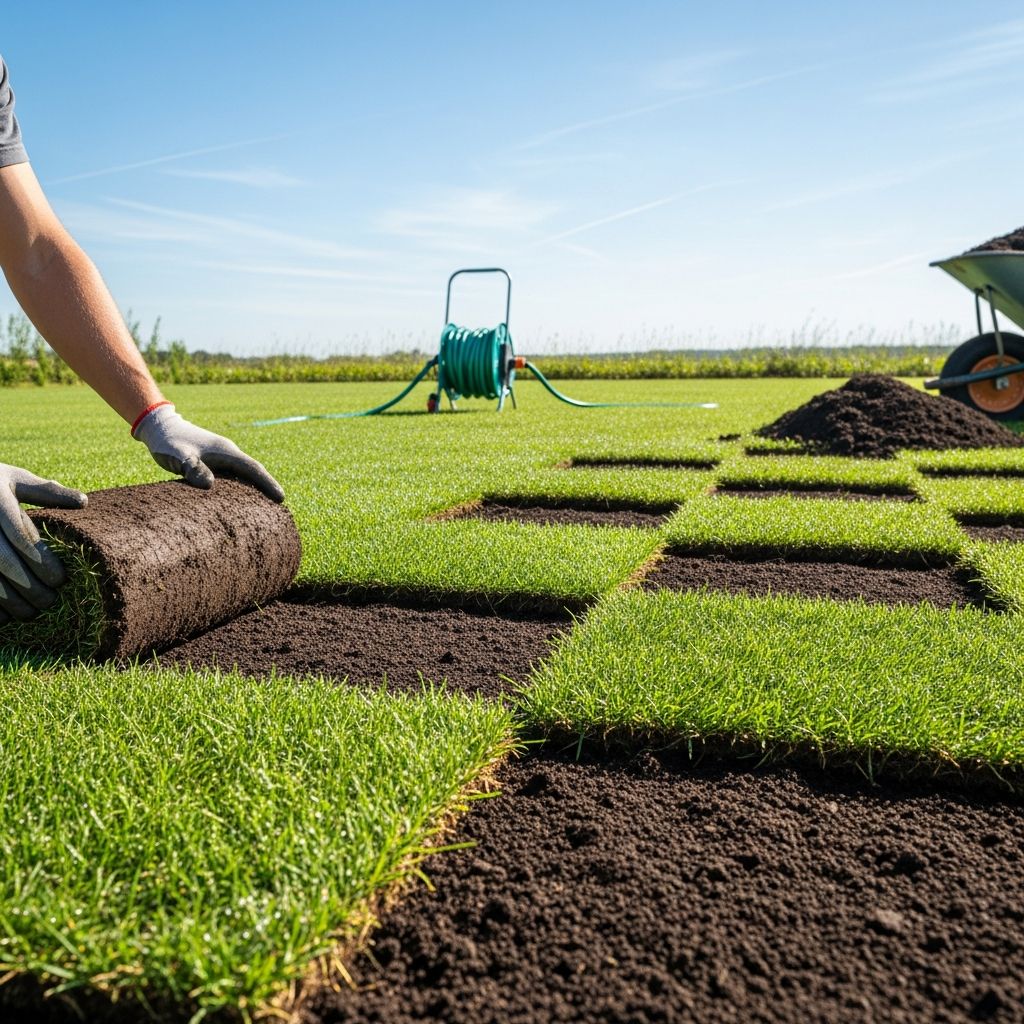
How To Lay Sod in 7 Easy Steps
Installing sod is one of the most effective ways to create an instant, lush green lawn. Whether you’re starting from bare ground or replacing an existing lawn, understanding the proper techniques for laying sod will ensure your new grass establishes quickly and thrives for years to come. This comprehensive guide walks you through each step of the sod installation process, from initial soil preparation to post-installation maintenance.
Step 1: Test Your Soil
Before you begin any lawn installation project, it’s essential to understand your soil composition. A soil test reveals critical information about your soil’s pH level and nutrient content, allowing you to make informed decisions about soil amendments. Most turf prefers a nutrient-rich, well-aerated base that’s slightly acidic, with a pH between 6.0 and 7.5. You can obtain a soil test kit from your local garden center or cooperative extension office. Testing your soil at the outset prevents costly mistakes later and sets the foundation for a healthy lawn.
Step 2: Clear and Remove Existing Vegetation
A clean slate is necessary for successful sod installation. Begin by thoroughly clearing your installation area of all existing vegetation, rocks, branches, trash, and any tree stumps. Remove any debris that could interfere with sod contact with the soil or create uneven spots beneath the turf. If you have significant existing grass or weeds, apply an herbicide according to package instructions to kill off the vegetation. Allow the herbicide to work for the recommended time period, then remove the dead plant material. This preparation step is crucial because any obstacles left behind will create problems during and after installation.
Step 3: Loosen the Soil
Compacted soil prevents proper root development and drainage. To create an ideal growing environment for your new sod, you need to break up the top 6 to 8 inches of soil. This loosening process helps create a loose, fertile bed that allows roots to penetrate deeply and establishes a strong foundation for your lawn. For small areas, you can use a garden fork to manually till the soil. However, for larger projects, renting a rototiller is highly recommended for efficiency and effectiveness.
When using a rototiller, set the wheels and tines to forward and adjust the throttle to approximately halfway for optimal results. The rototiller breaks up compacted earth, incorporates any amendments you’ve added, and creates the loose texture that new sod requires. Pay special attention to any buried rocks that the tiller uncovers, removing them as you encounter them to prevent mowing problems later.
Step 4: Amend the Soil
Based on your soil test results, you may need to adjust soil pH or add nutrients. If your soil is too acidic, add lime to raise the pH. If it’s too alkaline, use sulfur or acidifying products to lower the pH. Additionally, incorporating compost or other organic matter improves soil structure, water retention, and microbial activity. These amendments support robust root establishment and long-term lawn health. Work amendments into the top few inches of soil using your rototiller or garden fork, ensuring even distribution throughout the installation area.
Step 5: Grade and Level the Soil
Creating a perfectly level surface is essential for both aesthetics and lawn health. Uneven grading leads to mowing difficulties and areas where water pools or drains too quickly. Use an iron rake to address grading issues in two stages:
Rough Grading
Position your iron rake head at 90 degrees to the ground to move large amounts of soil. Knock down high spots and fill in low areas, working across the entire lawn systematically. The goal is to create a relatively even surface.
Fine Grading
Using the back of the rake, smooth out the surface further. This creates an ideal base for laying sod by removing bumps and depressions that could create air pockets beneath the turf. Fine-tuning the soil surface helps the sod maintain good contact with the soil beneath, reducing air pockets that hinder root establishment and can cause the sod to dry out.
Pay particular attention to the edges of your lawn where they meet concrete, driveways, or walkways. The soil should be approximately 1 to 2 inches lower than these paved surfaces. This slope prevents sod edges from resting too high against hard surfaces, which causes them to dry out and die back. It also prevents tripping hazards and looks more polished.
Step 6: Water and Lay the Sod
Timing is critical when installing sod. Have everything prepared and ready before your sod delivery arrives, as fresh sod should be installed immediately. If there’s any delay, store your sod in the shade to prevent damage.
Starting the First Row
Dampen the prepared soil lightly before laying sod. Begin laying sod along the longest straight edge in your yard, such as a fence line, driveway, or sidewalk. Unroll the first piece of sod, making sure it lies flat against the soil with no air pockets. As you lay each piece, rake out any footprints to maintain an even surface. Starting with a perfectly straight line makes the rest of the installation much easier and ensures professional-looking results.
Laying Subsequent Rows
For the second and all following rows, stagger the short seams by cutting the first piece of each row in half. This creates a brick-like pattern that prevents seams from lining up vertically, which would compromise the strength and appearance of your new lawn. Butt each piece of sod snugly against its neighbors without overlapping. This tight fit helps the rows knit together and makes the edges less likely to dry out and die back. Avoid stepping on the newly laid sod as you work, as this compacts the soil and creates uneven spots.
Carefully pat each newly laid piece into the ground with a shovel to remove air pockets and encourage the sod to make good contact with the soil. Water each section as you lay it, ensuring it gets a good drink within half an hour of being unrolled.
Handling Curves and Obstacles
Curved garden beds and landscape features require special attention. Lay sod next to the curve, then grab spots along one edge and piece them together to make the sod follow the contours of the bed. This creates a triangular upward fold. Slice down the crease with a sharp razor knife. Lay one side of the cut down against the ground and place the other flap on top of it. Using the cut edge as a guide, slice through the sod and remove the triangular piece underneath. The two flaps meet where you’ve cut, and the seam line disappears seamlessly.
Trimming and Edging
Use a utility knife to cut sod to fit around sprinkler heads, landscape beds, walkways, and other obstructions. To trim edges, fold the excess sod up and run your knife where you need to cut, working from the underside of the sod upward. Lay smaller rows of sod along the perimeter of these features, filling in small seams with additional topsoil.
Step 7: Post-Installation Care
The first few weeks after installation are critical for establishing a healthy, vibrant lawn. Proper watering, rolling, and eventual mowing make the difference between a struggling lawn and one that thrives.
Watering Schedule
Water daily, or more frequently on hot days, keeping the sod moist until it is firmly rooted, which typically takes about two weeks during the growing season. The key is maintaining consistent moisture without overwatering. Water deeply enough to wet the original soil below the sod, but do not saturate the soil deeper than 2 inches, and do not allow water to move off site. Lift a piece of sod occasionally to confirm that you’re watering adequately to reach the original soil below. Adjust your watering schedule based on rainfall and temperature.
Rolling the Lawn
For large lawns, use a lawn roller to smooth out the newly laid sod after everything is properly positioned. This helps the sod take root in the soil and presses out any air pockets you may have missed during installation. Roll one way across your sod, then roll over it perpendicular to that direction. Continue rolling, crossing horizontal rolls with vertical rolls to create a grid pattern. This comprehensive rolling ensures complete contact between the sod and underlying soil.
Mowing
Wait until the grass reaches three inches tall before mowing for the first time. Cut it down to two inches using a walk-behind mower with a sharp blade. A higher initial cut helps establish strong roots and reduces stress on the newly installed sod. Going forward, adopt the “one-third rule,” cutting off no more than a third of the grass’s length anytime you mow. Always use a sharp blade to prevent tearing and ensure clean cuts that promote healthy growth.
Fertilizing
After three to four weeks, apply a starter fertilizer to replenish nutrients lost during the initial heavy watering period. This boosts the sod’s ability to establish deep roots and develop into a thick, healthy lawn. Follow the product instructions for application rates and timing.
Frequently Asked Questions
Q: When is the best time to install sod?
A: Sod can be installed during the growing season, which includes spring and fall. However, summer installation is possible with extra attention to watering, as heat stress can challenge newly laid sod. Avoid installation during winter dormancy when the grass won’t establish roots.
Q: How much does sod installation cost?
A: Costs vary based on lawn size, sod type, and local market prices. Budget typically ranges from $0.50 to $2.00 per square foot for the sod itself, plus labor and equipment rental costs if hiring professionals or renting equipment.
Q: Can I lay sod on a slope?
A: Yes, but place sod across (perpendicular) to the slope, not vertically with it. This orientation prevents water from running down the seams and helps the sod establish better root contact on sloped terrain.
Q: How long until my sod is fully established?
A: Most sod becomes firmly rooted within two to three weeks, though complete establishment and deep rooting takes several months. Follow the care guidelines throughout the first growing season for best results.
Q: What if my sod arrives and I can’t install it immediately?
A: Store sod in a shaded area and keep it moist. Fresh sod should ideally be installed within 24 to 48 hours of delivery to prevent deterioration. Never stack sod in direct sunlight, as this will damage the grass.
Q: Should I use a fertilizer on newly laid sod?
A: A starter fertilizer applied three to four weeks after installation is beneficial, as it replaces nutrients lost during heavy watering and supports root establishment. However, avoid high-nitrogen fertilizers initially, as they can stress new sod.
References
- How To Lay Sod in 7 Easy Steps — This Old House. 2024. https://www.thisoldhouse.com/gardening/21015374/how-to-lay-sod
- Sod Installation: Step-by-Step Guide — NG Turf. https://ngturf.com/installation-2/
- How to Lay Sod (Step-by-Step Guide) — LawnStarter. https://www.lawnstarter.com/blog/lawn-care-2/how-to-lay-sod/
- How to Lay Sod — The Home Depot. https://www.homedepot.com/c/ah/how-to-lay-sod/9ba683603be9fa5395fab90b32edd1e
- How To Lay Sod In the Midwest: Tips For Homeowners — Siouxland Sod. https://siouxlandsod.com/blog/how-to-lay-sod-in-the-midwest-tips-for-homeowners/
Similar Articles





Read full bio of medha deb