How To Find Wall Studs Without Tools: Practical Techniques
Master DIY stud-finding techniques: From knocking methods to advanced approaches for reliable wall stud detection.
How To Locate Wall Studs Without Tools
Whether you’re hanging a heavy mirror, installing shelving, or mounting a television, knowing how to locate wall studs is essential for secure and safe installation. While electronic stud finders are convenient, they’re not always necessary. With simple techniques and careful observation, you can effectively locate studs in your walls using methods that have been relied upon for generations. This guide explores practical approaches from basic to advanced, ensuring you can find studs in almost any home.
The Knocking Technique
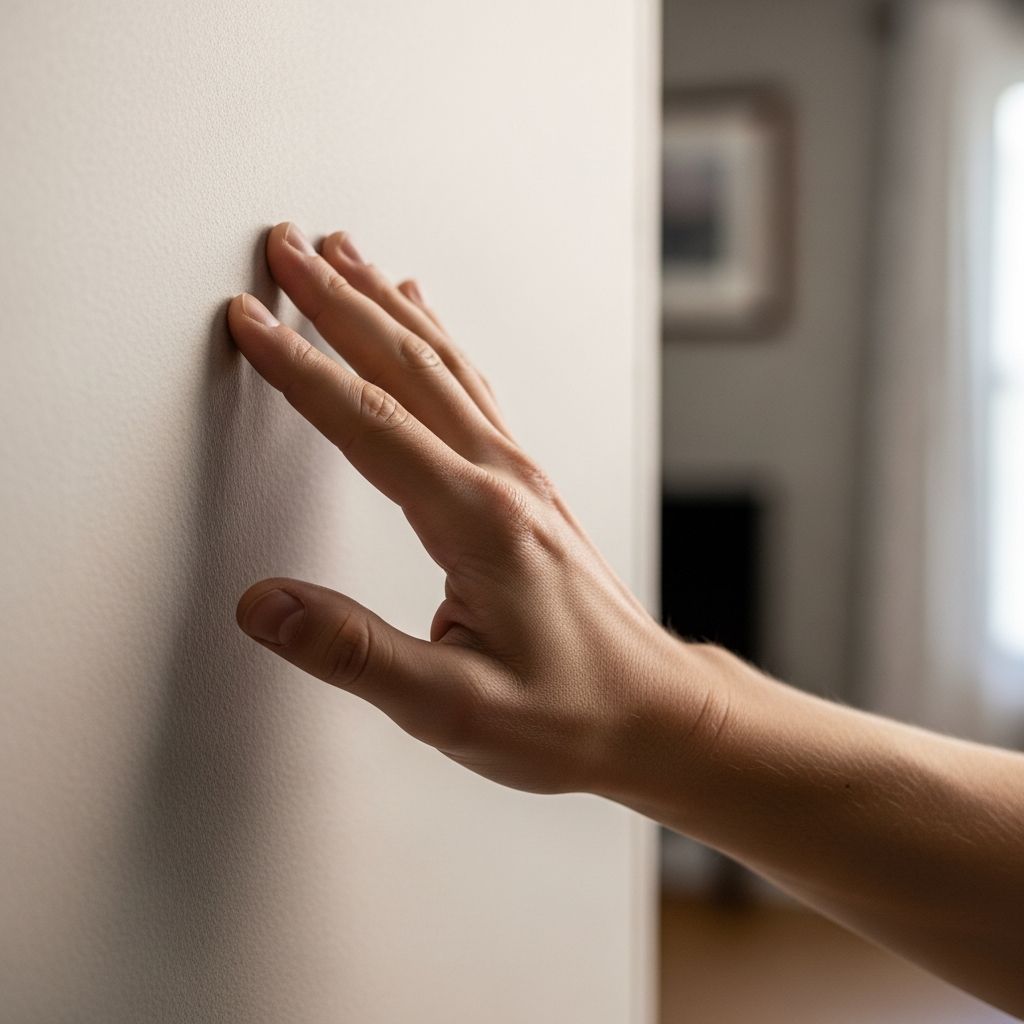
One of the simplest and most accessible ways to find a stud is by using your knuckles. This method requires nothing more than your hands and ears, making it an excellent starting point for any homeowner.
Here’s how to use the knocking technique:
– Start by knocking on the wall while moving horizontally along it- Listen for changes in sound as you move across the wall surface- A hollow sound reveals the empty space between studs, while a solid, dull thud suggests you’ve found a stud- Mark the spots where you hear the solid sound for further investigation
This method works best on drywall, which is commonly found in homes built from the late 1960s onward. However, this technique may be less effective on thicker or textured walls, plaster and lath construction, or older homes where there may be additional materials behind the walls.
Using a Magnet
A strong magnet can be an effective tool for locating the nails or screws used to secure drywall to studs. This method is more reliable than knocking alone and requires only a basic household magnet.
To find studs with a magnet, follow these steps:
– Tie a string to a strong magnet, creating a pendulum-like apparatus- Slowly move the magnet along the wall horizontally- When the magnet sticks to the wall, it has likely found a nail or screw attached to a stud- Mark these spots and verify by finding additional attachment points above or below to confirm vertical alignment
While this method is more reliable than knocking, it may occasionally pick up other metal objects embedded in the wall, such as pipes or electrical conduits. Always verify your findings using additional methods before hanging heavy items.
DIY Stud Finder Alternatives
When traditional methods fall short or you want additional confirmation, these creative alternatives can help you locate studs without investing in specialized equipment.
The Table Lamp Method
This innovative technique uses light to reveal subtle wall surface variations that indicate stud locations. Drywall is typically fastened to studs with nails or screws, creating slight depressions or variations in the wall surface.
Here’s how to use the table lamp method:
– Remove the shade from a table lamp to expose the bare bulb- Hold the bare bulb close to the wall, approximately 10–12 inches away- Move the light slowly along the wall, looking for slight shadows, dimples, or depressions- These subtle changes often indicate the presence of drywall tape or nailheads, which are typically found directly over studs
This method works particularly well in low-light conditions and can reveal imperfections in the wall that are invisible under normal lighting. The angled light creates shadows that highlight these variations, making studs easier to identify.
The Baseboards Trick
Baseboards are typically nailed to studs to prevent them from popping loose over time. By examining your baseboards carefully, you can often determine stud locations without any special equipment.
Here’s how your baseboards can help you find studs:
– Carefully examine your baseboards for small dimples or filled nail holes- These spots often indicate where the baseboard is attached to a stud- Use a straight edge or level to draw a vertical line up from these points to estimate the stud’s position- Verify your findings using the knocking method or other techniques
This approach is particularly useful because it provides visual confirmation of stud locations. Crown molding and chair rails follow the same principle and can serve as reference points for stud detection.
Advanced Techniques for Stud Location
Homeowners who want to refine their stud-finding skills can apply these advanced techniques to obtain even more accurate results, especially when dealing with standard construction methods.
Measuring From Corners
Studs are typically placed at regular intervals from the corners of a room, following standardized building practices. Understanding these spacing patterns allows you to predict stud locations mathematically.
To use this method, take these steps:
– Start at a corner and measure out 16 inches (the most common spacing in residential construction)- Mark this spot and check for a stud using one of the previously mentioned methods- If you don’t find a stud, try measuring 24 inches from the corner instead (used in some newer constructions)- Once you locate the first stud, you can usually find others by measuring in 16- or 24-inch increments along the wall
This systematic approach significantly increases your chances of success, particularly in homes built within the last several decades when standardized building codes became the norm.
Using Windows and Doors as Reference Points
Windows and doors are framed with additional studs for structural support. These reference points provide reliable starting locations for your stud-finding efforts.
You can use this knowledge to help you find studs as follows:
– Look for the trim around windows and doors- Studs are typically located just beyond the edge of this trim- Use a thin nail or the knocking technique to verify the stud’s exact location- From this known stud, you can measure to find others along the wall
This method is particularly valuable because it provides a confirmed stud location that you can use as a baseline for additional measurements throughout the wall.
Understanding Stud Spacing Variations
Building codes and construction practices have evolved over time, resulting in different stud spacing standards. Understanding these variations will help you locate studs more effectively in different homes.
Standard 16-Inch On-Center Spacing
This is the most common spacing used in residential construction, particularly in homes built since the mid-20th century. The term “on-center” means the measurement is taken from the center of one stud to the center of the next stud.
24-Inch On-Center Spacing
Some newer homes use wider spacing and place studs 24 inches apart from center to center, which reduces material costs and environmental impact. This spacing is more common in new constructions and areas without harsh weather conditions that would require additional structural support.
Irregular Spacing in Older Homes
Homes built before standardized building codes may have inconsistent stud spacing. Spacing can vary widely, sometimes even within the same wall. You might find studs spaced at 12, 18, or even 36 inches apart. In these cases, it’s best to opt for direct detection methods over measurements to ensure accuracy.
Verify Your Findings
Regardless of which method you use, verification is crucial before hanging heavy items or making permanent installations. Double-check your stud locations by doing the following:
– Check for studs above and below your initial finding to confirm vertical alignment- Look for patterns in stud placement across the wall- Use multiple methods to confirm each stud’s position- Use the thin nail method to verify stud locations before hanging heavy items if uncertain
Taking time to verify your findings prevents costly mistakes and ensures that your installations are secure and properly supported.
Troubleshooting Stud-Finding Issues
Even with all these methods, you may still encounter challenges when searching for studs. Understanding common problems and their solutions will help you overcome obstacles.
Dealing With Metal Studs
Some modern constructions use metal studs instead of wood, which can be more difficult to detect with traditional methods. The magnet technique may work with metal studs, but it won’t effectively distinguish between studs and screws or fasteners used in electrical or plumbing systems. In these cases, you may need a specialized electronic stud finder designed specifically for metal studs.
Plaster and Lath Walls
Older homes, particularly those built in the 1800s to early 1900s, often feature plaster and lath construction. These walls present additional challenges for stud detection because the knocking method is less reliable due to the additional materials and structural variations. In these situations, rely more heavily on visual clues from baseboards, trim, and the table lamp method.
Textured or Thick Walls
Walls with heavy texturing or multiple layers of drywall can muffle the sound differences in the knocking method. These walls may also conceal visual indicators like nail heads or drywall tape. Using the magnet method combined with measurements from reference points like windows and doors proves more effective in these cases.
Additional Tips for Accurate Stud Location
Beyond the primary methods, several additional strategies can enhance your stud-finding efforts:
– Look for nails or screws in previous mount locations—studs are often where pictures, mirrors, and shelves have been mounted before- Pay attention to wall imperfections, as these often indicate nailheads or stud locations- Use painter’s tape to mark potential stud locations as you work- Take photographs of your findings to reference later- Consider the age and construction style of your home when choosing methods
These supplementary techniques work best when combined with the primary methods outlined above, providing multiple layers of confirmation.
Frequently Asked Questions
Q: How reliable is the knocking method for finding studs?
A: The knocking method is reasonably reliable in homes with standard drywall construction, particularly those built from the 1960s onward. However, it’s less effective in older homes with plaster and lath construction or homes with textured walls. For best results, combine this method with others for verification.
Q: Can I use any magnet to find studs?
A: A strong magnet works best, such as a rare-earth or neodymium magnet. Weak magnets may not detect nails or screws reliably. The magnet should be strong enough to hold its own weight when attached to a stud.
Q: What if I can’t locate studs using these methods?
A: If traditional methods prove unsuccessful, consider purchasing an inexpensive electronic stud finder, which can range from $15 to $100. For critical installations, consulting a professional contractor may be worth the investment to ensure proper placement and safety.
Q: How far apart are studs typically spaced?
A: Most residential studs are spaced 16 inches on-center, though some newer homes use 24-inch spacing. Older homes may have irregular spacing. Always verify spacing rather than assuming a standard pattern.
Q: Is it safe to hang heavy items without finding studs?
A: It’s not recommended. Mounting heavy items between studs can lead to wall damage or items falling. Always locate studs or use appropriate wall anchors designed for drywall if studs aren’t available in the desired location.
Q: Can the table lamp method work in bright daylight?
A: The table lamp method works best in low-light conditions. Draw curtains or dim the room to enhance the contrast created by the lamp’s shadows on wall imperfections.
How To Find Studs: Our Conclusion
Finding studs without specialized tools is not only possible but can be quite effective with the right techniques and persistence. From the simple knocking method to more advanced approaches like the table lamp technique and measurement-based strategies, these DIY methods offer reliable ways to locate studs in most homes. The key to success involves understanding your home’s construction type, applying multiple confirmation methods, and taking time to verify your findings before hanging heavy items or making permanent installations. By mastering these techniques, you’ll gain confidence in tackling mounting and installation projects throughout your home while ensuring safety and structural integrity.
References
- How To Locate Wall Studs Without Tools — This Old House. 2024. https://www.thisoldhouse.com/foundations/21019384/simple-stud-finder
- How To Find a Stud Without a Stud Finder — This Old House. 2024. https://www.thisoldhouse.com/walls/101372/how-to-find-wall-studs
- Best Stud Finders – This Old House — This Old House. 2024. https://www.thisoldhouse.com/tools/best-stud-finders
- How to Choose a Stud Finder | Ask This Old House — This Old House. 2024. https://www.youtube.com/watch?v=5q6dPqGZn1Y
Similar Articles





Read full bio of Sneha Tete