How to Make DIY Boot Cleaner at Home
Create effective homemade boot cleaning solutions using common household ingredients.
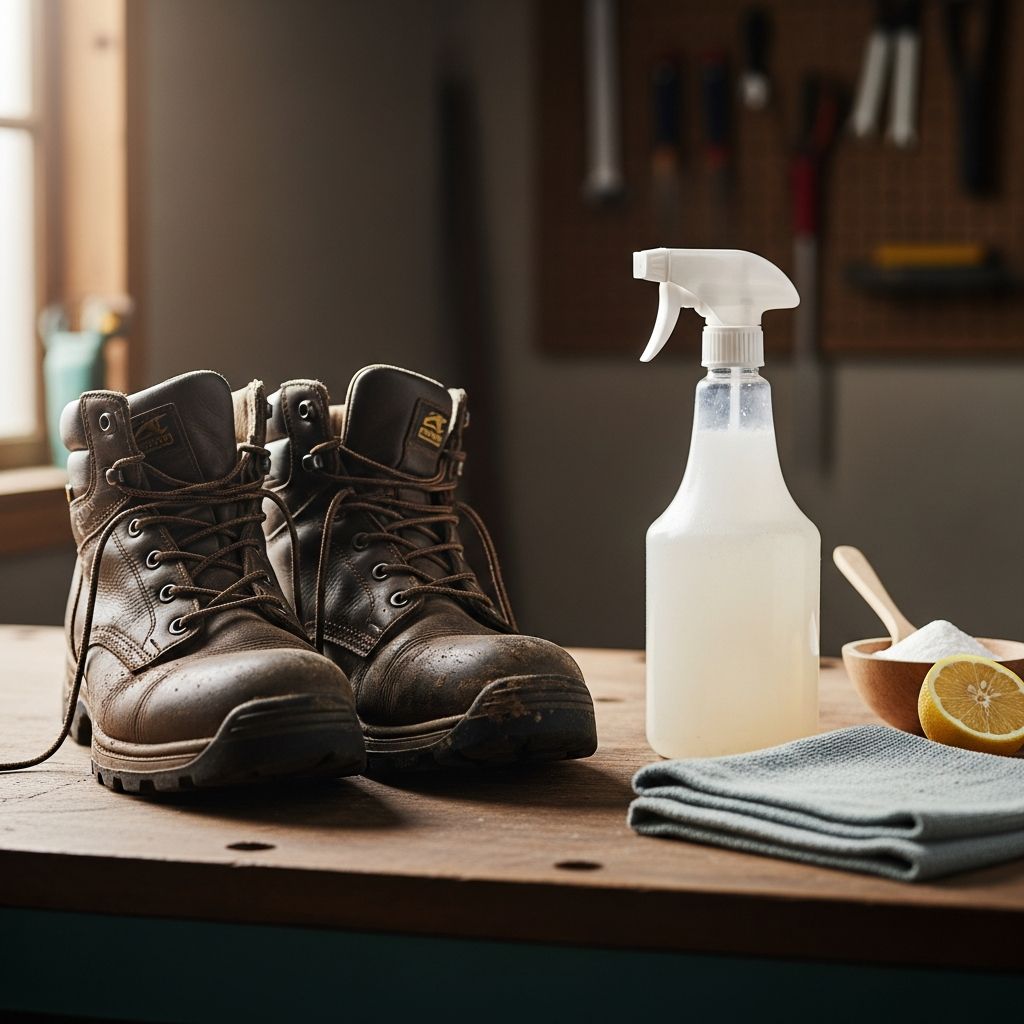
Your boots are an investment, and keeping them clean and well-maintained extends their lifespan and keeps them looking their best. While commercial boot cleaners and polishes can be expensive, you don’t need to spend a fortune to achieve professional results. With common household ingredients you likely already have in your kitchen and bathroom, you can create effective DIY boot cleaners that work just as well as store-bought options. Whether you’re dealing with everyday dirt, stubborn stains, or scuffed leather, these homemade solutions will help restore your boots to like-new condition.
Why Make Your Own Boot Cleaner
Creating your own boot cleaner offers several compelling advantages. First, it’s significantly more economical than purchasing multiple specialty cleaning products. Second, you have complete control over the ingredients, which is particularly important if you have sensitive skin or prefer to avoid harsh chemicals. Third, these DIY solutions are environmentally friendly and biodegradable, making them safer for both your home and the planet. Additionally, most recipes are simple enough that you can prepare them in minutes using items already available in your home. Whether you’re a budget-conscious homeowner or someone who simply prefers natural solutions, making your own boot cleaner is a practical choice.
Essential Tools and Preparation
Before you start making your DIY boot cleaner, gather the right tools to ensure optimal results. A horsehair brush is the gold standard for boot cleaning, as it effectively removes surface dirt without damaging delicate leather or suede materials. Additionally, you’ll need soft cloths or old t-shirts for applying cleaner and buffing your boots. Have newspaper or paper towels on hand for drying, and consider keeping a small bowl or spray bottle for mixing and applying your homemade solution. Proper preparation ensures that when you apply your DIY cleaner, you achieve the best possible outcome.
Basic Vinegar and Water Boot Cleaner Recipe
One of the simplest and most effective DIY boot cleaners combines white vinegar with water. This basic recipe is perfect for removing general dirt and grime from leather boots.
Ingredients:
- 1 part white vinegar
- 2 parts water
- 1 soft cloth or old t-shirt
Instructions:
- Mix the white vinegar and water in a small bowl or spray bottle
- Dip your soft cloth into the solution or spray directly onto the cloth
- Gently wipe the exterior of your boots, paying special attention to areas with visible dirt or stains
- Use a dry cloth to buff away excess moisture
- Allow boots to air dry naturally at room temperature
This solution works exceptionally well for everyday cleaning and helps eliminate odors as a bonus benefit. The acidity of vinegar naturally breaks down dirt without harsh chemicals.
Baking Soda Paste for Stubborn Stains
For more challenging stains or scuffed areas, a baking soda paste provides gentle yet effective cleaning power. Baking soda is mildly abrasive, making it ideal for removing stubborn marks while remaining safe for leather and suede.
Ingredients:
- 3 tablespoons baking soda
- 2 tablespoons water
- Soft cloth or soft-bristled brush
Instructions:
- Combine baking soda and water in a small bowl to form a thick paste
- Apply the paste directly to stained areas using a soft cloth or soft-bristled brush
- Gently rub in circular motions until the stain begins to lighten
- Wipe away residual paste with a damp cloth
- Dry thoroughly with a clean cloth
This paste is particularly effective for salt stains that accumulate during winter months or for general scuffing on leather surfaces. The mild abrasive nature of baking soda won’t damage your boots when applied gently.
Olive Oil Polish for Shine and Protection
Once your boots are clean, maintaining their appearance and protecting the leather requires proper conditioning. A simple olive oil-based polish nourishes leather while providing a protective shine. Professional boot specialists recommend cream polishes over wax-based options, as they penetrate the leather rather than sitting on the surface.
Ingredients:
- 1 tablespoon olive oil
- 1 tablespoon lemon juice
- Soft cloth
Instructions:
- Combine olive oil and lemon juice in a small bowl and mix thoroughly
- Apply a small amount to a soft cloth
- Gently rub the mixture into the leather using circular motions
- Buff with a clean cloth until the desired shine is achieved
- Allow to set for several hours before wearing
This formula not only cleans but also conditions leather, preventing it from drying out and cracking. The lemon juice adds a fresh scent while helping to cut through any remaining residue.
Castile Soap Solution for Deep Cleaning
For a more thorough cleaning that removes embedded dirt, a gentle castile soap solution is highly effective. Castile soap is a plant-based soap that cleans effectively without harsh chemicals.
Ingredients:
- 1 cup warm water
- 1 tablespoon liquid castile soap
- Soft cloth or sponge
Instructions:
- Combine warm water and castile soap in a bowl
- Dip your soft cloth or sponge into the solution
- Wipe down the entire boot surface, working from top to bottom
- Use a second cloth dampened with plain water to rinse away soap residue
- Dry thoroughly with a clean, dry cloth
This solution is gentle enough for delicate leather and suede while still providing effective cleaning power. It’s particularly useful for boots that haven’t been cleaned in a while.
Leather Conditioning and Protection
Keeping your boots clean is only half the battle; proper conditioning extends their lifespan and maintains their appearance. After cleaning, always follow up with a conditioning treatment to replenish moisture that cleaning may have removed.
Apply your chosen conditioner or homemade polish using a soft cloth in circular motions. Allow the product to penetrate for several hours or overnight before wearing the boots. Regular conditioning prevents leather from becoming brittle and cracked, maintaining the structural integrity of your boots. Most leather boots benefit from conditioning every three to six months, or more frequently if exposed to harsh weather conditions.
Drying Your Boots Properly
How you dry your boots after cleaning is just as important as the cleaning process itself. Never place wet boots in direct sunlight or near a heat source like a radiator or heater, as this can damage the leather and cause it to shrink or crack.
Instead, stuff your damp boots loosely with newspaper and allow them to dry naturally at room temperature. Change the newspaper periodically to absorb excess moisture. This process may take 24 to 48 hours, but it preserves the integrity of your boots and prevents damage. If your boots become extremely wet from wading or heavy rain, allow them extra drying time and replace the newspaper more frequently.
Tackling Specific Boot Materials
Leather Boots
Leather is durable but requires proper care. Use your horsehair brush to remove surface dust, then apply your chosen cleaning solution. Always test any new cleaner on an inconspicuous area first to ensure it doesn’t cause discoloration. Follow with appropriate conditioning to maintain suppleness.
Suede Boots
Suede requires gentler handling than smooth leather. Use a suede brush or soft-bristled brush to raise the nap and remove dirt. For stains, the baking soda paste works well, but apply it very gently. Always allow suede to dry completely before brushing to restore texture.
Waterproof or Treated Boots
For boots with waterproof treatments, avoid using excessive water. Instead, use minimal-moisture cleaning methods like dry brushing or lightly dampened cloths. Follow the manufacturer’s guidelines for maintaining waterproof coatings.
Preventative Maintenance Tips
Keeping your boots clean is easier when you establish preventative maintenance habits. Brush your boots with a horsehair brush weekly to remove surface dirt before it accumulates. Address stains promptly before they set into the material. Store boots in a cool, dry place away from direct sunlight. Use boot trees or stuff with newspaper to help maintain their shape. Apply protective treatments appropriate for your boot material seasonally to maintain water and stain resistance.
When to Seek Professional Help
While DIY cleaning handles most maintenance needs, certain situations warrant professional care. If your boots have deep cuts, significant damage, or need professional restoration, consult a reputable shoe repair specialist. For boots with specialized finishes or delicate materials, professionals have the expertise to provide appropriate care without causing damage.
Frequently Asked Questions
Q: Can I use the same cleaner on all boot types?
A: Not necessarily. While the basic vinegar and water solution works on most leather, suede and specialty materials require gentler treatment. Always test any cleaner on a small, inconspicuous area first.
Q: How often should I clean my boots?
A: Clean your boots as needed based on use and weather conditions. A light brushing weekly helps prevent dirt accumulation. Deep cleaning can be done monthly or as stains appear.
Q: Is it safe to use vinegar on all leather boots?
A: Vinegar is generally safe for most leather when diluted properly, but always test on a hidden area first. Some specialty leather finishes may be sensitive to acidity.
Q: Can I apply DIY polish immediately after cleaning?
A: It’s best to allow boots to dry completely after cleaning before applying polish. Applying products to damp boots can trap moisture and potentially damage the leather.
Q: What should I do if my boots get waterlogged?
A: Stuff damp boots with newspaper immediately and allow them to dry slowly at room temperature. Change newspaper frequently. Never use direct heat sources, which can damage leather permanently.
References
- Easy Does It: 3 Ways to Clean With Spray Lubricant — HGTV. 2018-06-01. https://www.youtube.com/watch?v=SL1NsuVUTtg
- How to Clean and Polish Leather Boots — HGTV, featuring Jerry Ryan, Heritage Boot Company. 2018-07-14. https://www.youtube.com/watch?v=O0Q9O1o-O0Y
Similar Articles







Read full bio of Sneha Tete