How to Make a Dog Ottoman and Slipcover
Create a durable, stylish dog ottoman with custom slipcover for your furry friend's comfort.
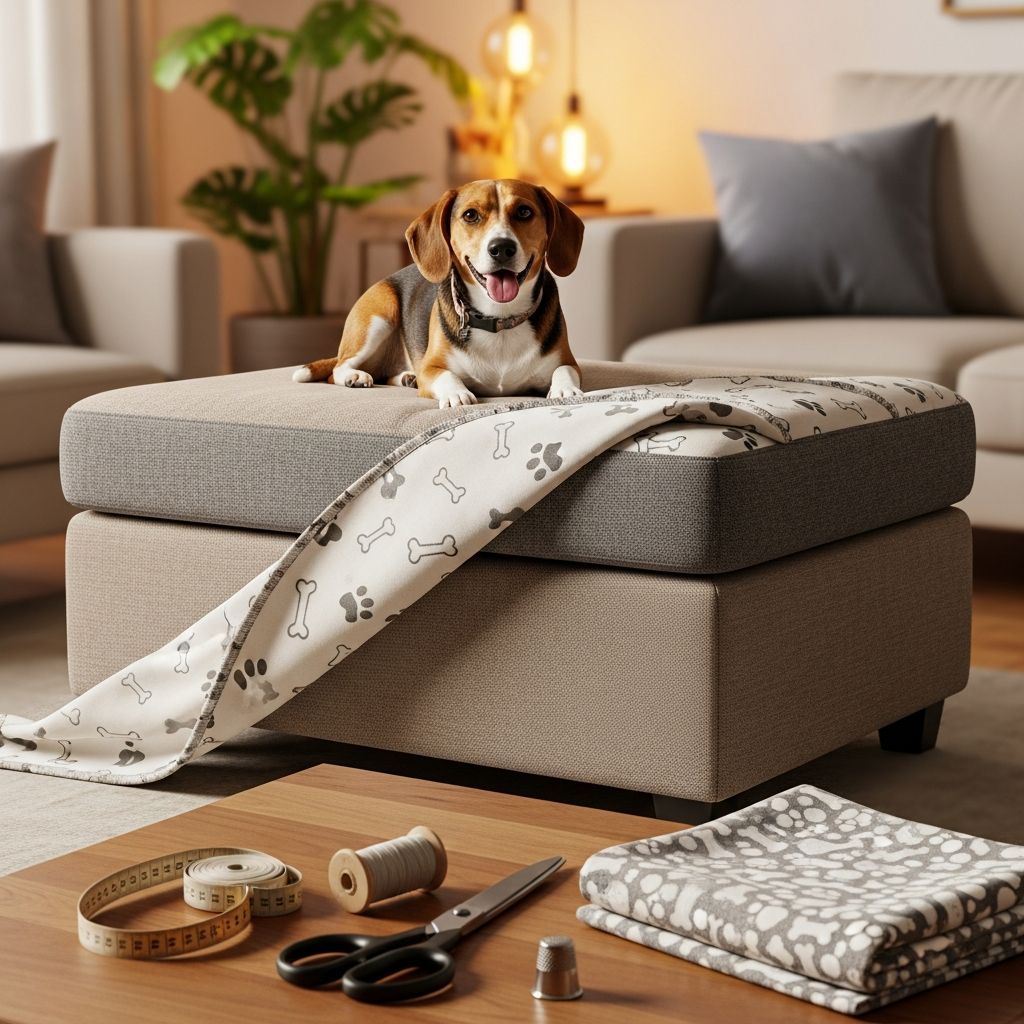
Pet owners understand the challenge of keeping their homes beautiful while accommodating their furry companions. Dogs need comfortable places to rest, but traditional furniture can suffer from muddy paws, shedding, and general wear and tear. Creating a custom dog ottoman with a slipcover offers the perfect solution—providing your pet with a dedicated, comfortable space while protecting your home décor. This comprehensive guide walks you through the entire process of designing and constructing a dog ottoman and slipcover that combines functionality with style.
Why Choose a Dog Ottoman with Slipcover?
A dog ottoman serves multiple purposes in your home. It provides your pet with an elevated, supportive resting spot that promotes proper spinal alignment and joint health. Unlike floor beds, ottomans keep your dog off cold tiles or hardwood floors, offering warmth and comfort. The slipcover aspect makes maintenance incredibly easy—simply remove and wash the cover when needed, eliminating the need to replace the entire piece when it gets dirty.
The slipcover design also allows for seasonal updates and style changes without investing in new furniture. You can swap covers to match seasonal décor or your home’s evolving design aesthetic. Additionally, a quality ottoman can support both your pet and serve as extra seating or a footrest for humans, making it a versatile addition to any living space.
Materials and Tools You’ll Need
Before beginning your project, gather all necessary materials and tools. Having everything prepared ensures a smooth workflow and prevents interruptions.
Fabric Selection
Choose durable, high-quality fabric specifically designed for heavy use. Look for performance fabrics or outdoor-grade materials that resist staining and wear. Natural canvas, heavy cotton blends, and performance textiles work exceptionally well for dog ottoman covers. Select colors and patterns that hide dirt and pet hair effectively—earth tones, patterns, and textured fabrics are ideal choices. You’ll typically need 4-5 yards of fabric depending on ottoman size.
Essential Tools and Supplies
- Sewing machine with heavy-duty needle
- Measuring tape
- Fabric scissors or rotary cutter
- Cutting mat
- Sewing pins
- Thread matching your fabric
- Iron for pressing seams
- Seam ripper for mistakes
- Optional: zigzag attachment for seam finishing
Measuring Your Ottoman
Accurate measurements are crucial for creating a slipcover that fits properly and looks polished. Measure each component of your ottoman separately—the top, each side, and account for any decorative legs or wheels.
Step-by-Step Measurement Process
Top Surface: Measure the length and width of the ottoman’s top. Add one inch to both measurements to account for seam allowances—this provides a half-inch overlap on each side when connected to the side pieces.
Side Panels: Measure the height of each side from the top edge to where you want the slipcover to end. If your ottoman has legs, measure to just above them or to the floor if you prefer full coverage. Add one inch to the height measurement for seam allowances. Measure the width of each side—front, back, and both ends—and add one inch to each.
Example Calculations: If your ottoman measures 36 inches long by 26 inches wide with 15-inch-high sides, cut your top piece to 37 x 27 inches and side pieces to 16 inches in height by their respective widths plus one inch each.
Preparing Your Fabric
Proper fabric preparation prevents shrinkage and ensures professional results. Pre-wash and dry your fabric using the same method you’ll use for future cleanings. Press all fabric pieces thoroughly with an iron to remove wrinkles and ensure straight lines for cutting.
Cutting Your Pieces
Using your measurements, carefully cut all fabric pieces. Mark each piece with tailor’s chalk or fabric pen indicating which section it represents—top, front, back, left side, right side. This organization prevents confusion during assembly. Ensure all cuts are straight and clean for proper alignment during sewing.
Finishing the Bottom Edges
Before assembling, finish the edges that will border the floor. This professional finishing touch prevents fraying and creates a polished appearance.
The Hem Technique
Take the bottom edge of each side panel and fold it inward by a quarter inch. Fold again by another quarter inch and secure with pins. Starting at one corner, work your way along the entire edge, pinning as you go. Once pinned, sew the fold with your machine, keeping stitches as close to the folded edge as possible. Use a thread color matching your fabric for invisible seams. After sewing all hems, press them with your iron to create sharp, professional edges.
Assembling the Slipcover
With all pieces prepared, assembly is the exciting stage where your ottoman cover takes shape.
Initial Pinning
Begin by laying the top piece upside-down on your ottoman. Position each side piece upside-down against the corresponding edge of the top piece. Secure everything with pins. Start from the bottom edges of the side panels and work upward, ensuring the bottom hems align properly. If your ottoman sits on legs, the bottoms of all panels should be even even if your measurements varied slightly.
Securing the Seams
With all pieces pinned, remove pins except those holding two parallel sides together. Sew these first two seams, using pin placement as your sewing guide. Maintain consistent seam allowance throughout. After sewing the first two seams, place the partial cover back on the ottoman and pin the remaining two sides, again starting from the bottom. Sew these final seams with the same careful attention to consistency.
Final Assembly
After all major seams are complete, remove the cover from the ottoman and turn it right-side out. Check all seams for strength and security. Press all seams with your iron for a professional finish. The cover should fit snugly around the ottoman with minimal wrinkles.
Adding Special Features for Dogs
Consider incorporating features that make the ottoman more functional for your pet while maintaining easy maintenance.
Non-Slip Bottom
Prevent the slipcover from sliding by adding non-slip material or adhesive strips to the bottom. This ensures the cover stays in place when your dog jumps on or off the ottoman.
Easy-Remove Construction
Design your slipcover for simple removal and washing by incorporating velcro strips along seams or using strategic topstitching that allows the cover to slip off easily. Some makers prefer a partially sewn design where the bottom can open for cleaning while the top remains permanently attached.
Reinforced Corners
Since dogs frequently jump and land on corners, reinforce these areas with double stitching or additional seams. This prevents premature wear and extends the cover’s lifespan significantly.
Maintenance and Care
Proper maintenance keeps your ottoman and slipcover looking beautiful for years. Remove the slipcover monthly and vacuum it thoroughly to eliminate pet hair and dirt. Wash according to fabric instructions—most performance fabrics tolerate warm water and mild detergent. Air dry or tumble dry on low heat depending on fabric type. The ottoman base itself requires occasional wiping with a damp cloth to remove dust and pet hair.
Design Inspiration and Variations
Once you master the basic technique, explore design variations that match your décor while meeting your pet’s needs. Consider adding decorative trim, piping along seams, or contrasting fabric panels. Some makers incorporate pockets in side panels for storing toys or blankets. Others add cushioned padding between the slipcover and ottoman base for extra comfort and support.
Budget Considerations
Creating a dog ottoman with slipcover costs significantly less than purchasing pre-made pet furniture. Quality performance fabrics range from eight to fifteen dollars per yard, and a typical project requires four to five yards. Total material costs typically range from thirty to seventy-five dollars, depending on fabric selection and ottoman size. This represents a fraction of retail pet furniture pricing, while offering customization and durability advantages.
Troubleshooting Common Issues
Loose Seams: If seams separate, reinforce them with additional stitching or seam tape. Ensure your thread tension is properly calibrated on your sewing machine.
Uneven Fit: If the cover bunches or gaps appear, adjust seam placement by unpicking affected areas and resewing with adjusted measurements.
Slipping Cover: Add non-slip material to the bottom or use fabric anchors to secure the cover in place.
Fabric Fraying: Finish all exposed edges with zigzag stitching or seam sealer to prevent ongoing fraying.
Frequently Asked Questions
Q: How often should I wash the slipcover?
A: Wash monthly for typical use, or more frequently if your dog spends considerable time on the ottoman or has particularly dirty habits. More frequent washing extends the ottoman’s lifespan.
Q: Can I use regular furniture fabric instead of performance fabric?
A: Yes, but performance fabrics resist staining and wear significantly better. If using regular fabric, apply fabric protector spray to increase durability and stain resistance.
Q: What’s the best fabric for a dog ottoman slipcover?
A: Performance fabrics, heavy canvas, and outdoor-grade textiles work best. These materials resist staining, handle frequent washing, and withstand pet wear better than delicate fabrics.
Q: Can I attach the slipcover permanently?
A: Yes, though removable covers offer maintenance advantages. If you prefer permanent attachment, upholster the ottoman traditionally using the slipcover fabric.
Q: How long does this project take?
A: Most sewers complete this project in 4-6 hours, including measuring, cutting, and assembly. Beginners may require 8-10 hours.
Q: Do I need advanced sewing skills?
A: No. Basic straight-stitch capabilities are sufficient. This project suits intermediate beginner sewers, though experience helps with precision and efficiency.
Q: Can I make a slipcover for an ottoman with an unusual shape?
A: Yes, measure each curved or angled section individually and adjust cutting patterns accordingly. The basic assembly technique adapts to various ottoman shapes.
Q: What’s the cost difference between making versus buying a dog ottoman?
A: Homemade versions typically cost thirty to seventy-five dollars in materials versus several hundred dollars for retail pet furniture, while offering superior customization.
References
- DIY Ottoman Slipcover- Easy Tutorial! — The Resourceful Homemaker. Accessed December 04, 2025. https://theresourcefulhomemaker.com/diy-ottoman-slipcover/
- DIY Super Easy Ottoman Slipcover: From a THROW RUG! — South House Designs. Accessed December 04, 2025. https://southhousedesigns.com/diyottomanslipcover/
- Spruce Up Your Ottoman with This Beautiful DIY Cover — Spoonflower Blog. February 27, 2018. https://blog.spoonflower.com/2018/02/27/diy-ottoman-cover/
- How To Make A Slipcover For An Ottoman Or Coffee Table — Thrifty and Chic. August 2015. https://www.thriftyandchic.com/2015/08/how-to-make-slipcover-for-ottoman-or.html
Similar Articles



Read full bio of medha deb