How to Make Money at Your Next Yard Sale
Master the art of yard sales with proven strategies to maximize profits and clear your clutter.
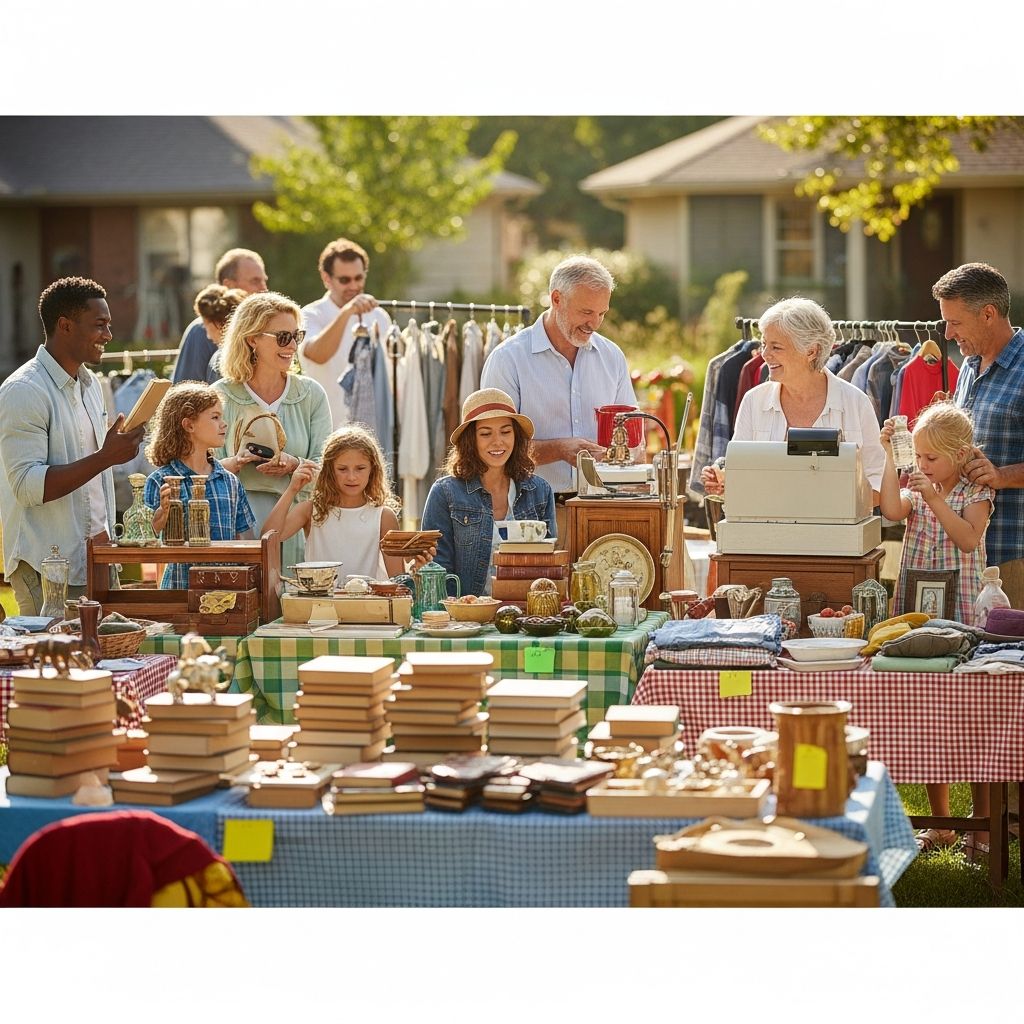
A yard sale is one of the most effective ways to clear out clutter and turn your unwanted items into cash. Whether you’re downsizing, spring cleaning, or simply need some extra income, hosting a successful yard sale requires strategy, planning, and smart execution. This comprehensive guide will walk you through the essential steps to maximize your profits and ensure your next yard sale is a financial success.
Set Yourself Up for Success
The foundation of a profitable yard sale begins with preparation. Before you even put up your first sign, you need to think strategically about what you’re selling, how you’ll organize it, and what systems you’ll have in place to handle transactions efficiently.
Gather and Organize Items
Start by collecting items from throughout your home that you no longer need or use. This includes clothing, household goods, books, toys, sports equipment, tools, and craft supplies. Don’t underestimate the value of diverse inventory—one person’s trash truly is another person’s treasure. The more items you have available, the better your chances of attracting and retaining customers throughout the sale. Organize these items by category before the sale begins, making it easier for shoppers to find what they’re looking for and for you to manage your display.
Create an Attractive Display
Visual presentation matters significantly when it comes to yard sales. Arrange items neatly on tables, hanging racks, or shelves to showcase them properly. Place larger items in prominent locations, such as your driveway or front yard, where passing shoppers can see them from the street. This creates curb appeal and draws people in. As the day progresses and items sell, consolidate remaining merchandise to keep your display looking full and organized.
Master Your Pricing Strategy
Pricing is one of the most critical factors in determining your yard sale’s profitability. Get this wrong, and you’ll either turn away customers or leave money on the table.
Find the Sweet Spot
Price items realistically based on their condition, original retail value, and current market demand. Consider what you would pay for the same item if you were a buyer. Generally, items should be priced between 25-50% of their original retail price. However, avoid pricing everything individually, as this is time-consuming and tedious. Instead, use bulk pricing strategies such as pricing by category (all books $1, all clothing $2) or using color-coded dot stickers with a key that displays pricing for each color.
Create Clear Price Signage
Make sure prices are clearly visible on every item. Use garage sale stickers, price tags, or printed signs that describe items in detail, mention working condition, and reference original retail prices. This transparency helps customers understand the value they’re getting and justifies your pricing. For less valuable items like books and old t-shirts, consider bundling them together in bins with a single price tag for the entire lot.
Plan for Price Reductions
As the day progresses, be prepared to mark down items that haven’t sold. This is a legitimate strategy for moving merchandise and maximizing your final take-home amount. Starting at noon, consider offering discounts on items that remain unsold, especially toward the end of the sale when you want to minimize what you have to store or donate later.
Optimize Your Payment System
In today’s cash-light society, having multiple payment options is essential for maximizing sales and customer satisfaction.
Prepare Cash and Change
Before your sale, withdraw approximately $100-150 from your bank in small bills and coins. Organize this money in a cash box or a pocketed waist apron for easy access and security. Having plenty of change ensures smooth transactions and prevents you from turning away customers who don’t have exact change. Keep your money secure and never leave it unattended.
Accept Digital Payments
Most people no longer carry cash regularly, so offering digital payment options is crucial. Download and set up payment apps like Venmo, Square, or PayPal on your smartphone before the sale. These services allow customers to pay with their debit or credit cards instantly, expanding your potential customer base and increasing transaction completion rates.
Create an Inviting Atmosphere
The longer customers stay at your yard sale, the more likely they are to make additional purchases. Creating a welcoming, comfortable environment encourages shoppers to linger and explore your offerings thoroughly.
Offer Refreshments
Set out beverages and snacks for shoppers to purchase or enjoy for free. A simple pitcher of lemonade with paper cups requires minimal effort but makes a significant difference in customer experience. You can also sell drinks and snacks like bottled water, cookies, chips, or sandwiches—this creates an additional revenue stream while keeping shoppers at your sale longer. Many customers won’t hesitate to spend a few dollars on refreshments, which adds to your profits.
Provide Seating and Rest Areas
Position chairs near popular sections, such as near your book display or children’s toys area. This allows shoppers to sit comfortably while browsing and deciding on purchases. When customers feel comfortable and welcome, they’re more likely to stay longer and buy more items.
Market Your Yard Sale Effectively
A great sale means nothing if nobody knows about it. Strategic marketing is essential for drawing traffic to your event.
Use Digital Platforms
Post detailed listings on Craigslist, Facebook Marketplace, and local Facebook community groups. Include photos of your best items, the date and time of your sale, your address, and a brief description of what you’re selling. Digital marketing is free or low-cost and reaches a wide audience of potential customers actively looking for yard sales.
Create Visible Signage
Place colorful signs with arrows directing customers to your sale location. Use large, easy-to-read letters and bright colors like neon or fluorescent markers. Balloons, banners, and large yard sale signs at intersections near your home help catch the attention of drive-by shoppers. Place signs on the day of the sale to attract customers who may be passing through your neighborhood.
Traditional Advertising
Consider placing an ad in your local newspaper’s classifieds section. While this costs money, it reaches people who actively search the classifieds for yard sales. Combine this with digital marketing for maximum reach.
Attract and Retain Customers
Drawing people to your sale and keeping them there requires strategic thinking and smart tactics.
Start with a Free Box
Place a clearly marked “FREE” box about halfway up your driveway filled with odds and ends you don’t mind giving away—old earbuds, cell phone chargers, broken jewelry, cracked dishes, or random items. This attracts curious shoppers who can’t resist free items, and once they’re drawn in, they’re likely to browse and purchase other merchandise.
Display Large Items Prominently
Position big-ticket items in your driveway or on the outer edges of your sale area where passing shoppers can see them from the street. When people spot furniture, electronics, or other substantial items, they assume you have more quality merchandise and are more likely to stop and explore.
Organize by Category
Group similar items together—kitchen items in one section, clothing in another, books in a designated area. This organization makes shopping easier and helps customers find what they’re looking for more quickly. A well-organized sale feels more professional and encourages customers to shop methodically.
Professional Touches That Increase Sales
Small details can significantly impact your sales volume and customer satisfaction.
Offer Shopping Bags
Provide plastic or paper grocery bags to customers for their purchases. This small courtesy adds to the professionalism of your sale and makes it easier for shoppers to carry multiple items. Many bags cost very little, and the goodwill generated often results in increased sales.
Maintain Clean Items
Before your sale, clean items to make them look more appealing and valuable. Dusty, dirty merchandise suggests poor quality and low value. A quick wipe-down of items, especially furniture and kitchen goods, can justify higher prices and increase buyer interest.
Group Small Items for Visibility
Small items can easily get lost and overlooked. Group similar small items together in bins or baskets, price them as lots, and display them at eye level. This approach prevents small items from getting buried while making it easier to manage sales.
Handle the End of Your Sale
A successful yard sale requires planning not just for the day-of but also for what happens when it’s over.
Plan for Leftover Items
Before your sale begins, have a strategy for items that don’t sell. For valuable items, consider listing them individually on Facebook Marketplace or other online platforms to reach a wider audience. For everything else, arrange for a charity pickup on the afternoon of your sale. This ensures that unsold items are quickly removed and you’re not stuck with storage or donation logistics.
Consider Alternative Sales Channels
For items in good condition that didn’t sell at your yard sale, consider sending gently used clothing to consignment services like thredUP or Poshmark, which offer payment for items sold. Electronics and other valuable goods can be listed on specialized resale platforms. These options maximize your return and ensure nothing goes to waste.
Frequently Asked Questions
Q: How much change should I have on hand for a yard sale?
A: Aim to have $100-150 in small bills and coins. A good breakdown is $50 in ones and $50 in fives, plus quarters and other coins for making exact change. This ensures smooth transactions throughout the day.
Q: What’s the best way to price items when I don’t have time to tag everything?
A: Use category pricing or color-coded dot stickers with a visible key. This saves time while maintaining clear pricing. You can price by type (all books $1, all DVDs $0.50) or assign a price to each colored sticker.
Q: Should I price items low to move them quickly or higher to maximize profit?
A: Price items to move but not so low that you give them away. Aim for 25-50% of original retail value. The goal is to sell most items at reasonable prices rather than having large quantities of unsold merchandise to deal with afterward.
Q: How do I attract more customers to my yard sale?
A: Use multiple marketing channels: digital platforms like Facebook and Craigslist, local newspaper classifieds, and physical signs with balloons in your neighborhood. The more people who know about your sale, the higher your traffic and profits.
Q: Can I really make money selling snacks and drinks at my yard sale?
A: Yes, absolutely. Hungry and thirsty shoppers are happy to purchase snacks and beverages for a few dollars. Lemonade, water, cookies, and chips are popular items that can add meaningful revenue to your final total.
Q: What payment methods should I accept in 2025?
A: Accept both cash and digital payments. Have coins and bills for cash transactions, and download apps like Venmo or Square to accept credit and debit cards. Most people carry less cash nowadays, so offering digital options is essential for maximizing sales.
References
- 5 Clever Ways to Make More Money at Your Yard Sale — Country Living. 2025. https://www.countryliving.com/life/a64675587/maximize-yard-sale-profits-2025/
- Garage Sale Hacks to Make the Most Money — Holly Hammersmith. 2024. https://blog.hollyhammersmith.com/garage-sale-hacks/
- 7 Tips to Host a Profitable Garage Sale — Take Charge America. 2024. https://www.takechargeamerica.org/profitable-garage-sale/
Similar Articles







Read full bio of medha deb