How to Make Suction Cups Stick: Expert Tips
Master suction cup application with proven techniques for lasting adhesion.
How to Make Suction Cups Stick: A Comprehensive Guide
Suction cups are incredibly useful household items, but they often fail to stick properly, especially when you need them most. Whether you’re trying to hang a shower caddy, mount a towel rack, or secure a soap dish, the frustration of suction cups slipping off is a common problem. The good news is that with the right techniques and preparation, you can significantly improve their adhesion and ensure they stay put for extended periods.
Understanding why suction cups fail is the first step toward solving the problem. Most suction cup failures occur due to improper surface preparation, incorrect application methods, or environmental factors. By learning and implementing proven strategies, you can transform your suction cups from unreliable accessories into dependable fixtures that will perform reliably for months or even years.
Understanding How Suction Cups Work
Before diving into solutions, it’s important to understand the basic mechanics of suction cups. A suction cup creates adhesion by forming an airtight seal between the cup and the surface it’s attached to. When you press the cup against a surface and then release it, the air inside is partially removed, creating a pressure differential. This pressure difference between the inside of the cup and the atmosphere outside keeps the cup firmly attached to the surface.
For this system to work effectively, two critical conditions must be met: the surface must be clean and smooth, and the seal must be completely airtight. Any dirt, dust, or texture on the surface can compromise the seal, allowing air to leak in and causing the cup to lose its grip. Similarly, if the cup itself is damaged or dirty, it won’t create a proper seal, leading to failure.
Clean the Surface Thoroughly
The most important step in ensuring suction cups stick properly is cleaning the surface where you plan to attach them. Any residue, soap scum, dust, or oily buildup will prevent the cup from forming a complete seal.
Steps for proper surface cleaning:
- Wipe the area with a damp cloth to remove loose dust and debris
- Use a mild detergent or vinegar solution to cut through soap scum and buildup
- For stubborn residue, use a non-abrasive scrubbing pad
- Dry the surface completely with a clean, lint-free cloth
- Allow the surface to air dry if necessary to ensure no moisture remains
Pay special attention to bathroom tiles and glass surfaces, which often accumulate soap film and mineral deposits. These common culprits are among the worst offenders when it comes to suction cup failure. Cleaning thoroughly before application dramatically increases the likelihood of success.
Prepare the Suction Cup
Just as the mounting surface needs preparation, the suction cup itself must be in optimal condition. Many people overlook this crucial step, which is why their suction cups fail prematurely.
Suction cup preparation checklist:
- Inspect the cup for cracks, tears, or permanent deformations
- Clean the inside of the cup with a damp cloth
- Ensure the rubber or silicone is flexible and not dried out
- Remove any old adhesive residue if reusing the cup
- Check that the suction surface is smooth and undamaged
Dried-out suction cups often fail because the rubber becomes brittle and loses its elasticity. If your suction cups are old and dried out, soaking them in warm water for a few minutes can help restore their flexibility. However, if they’re cracked or damaged, replacement is the better option.
Apply Moisture to the Suction Cup
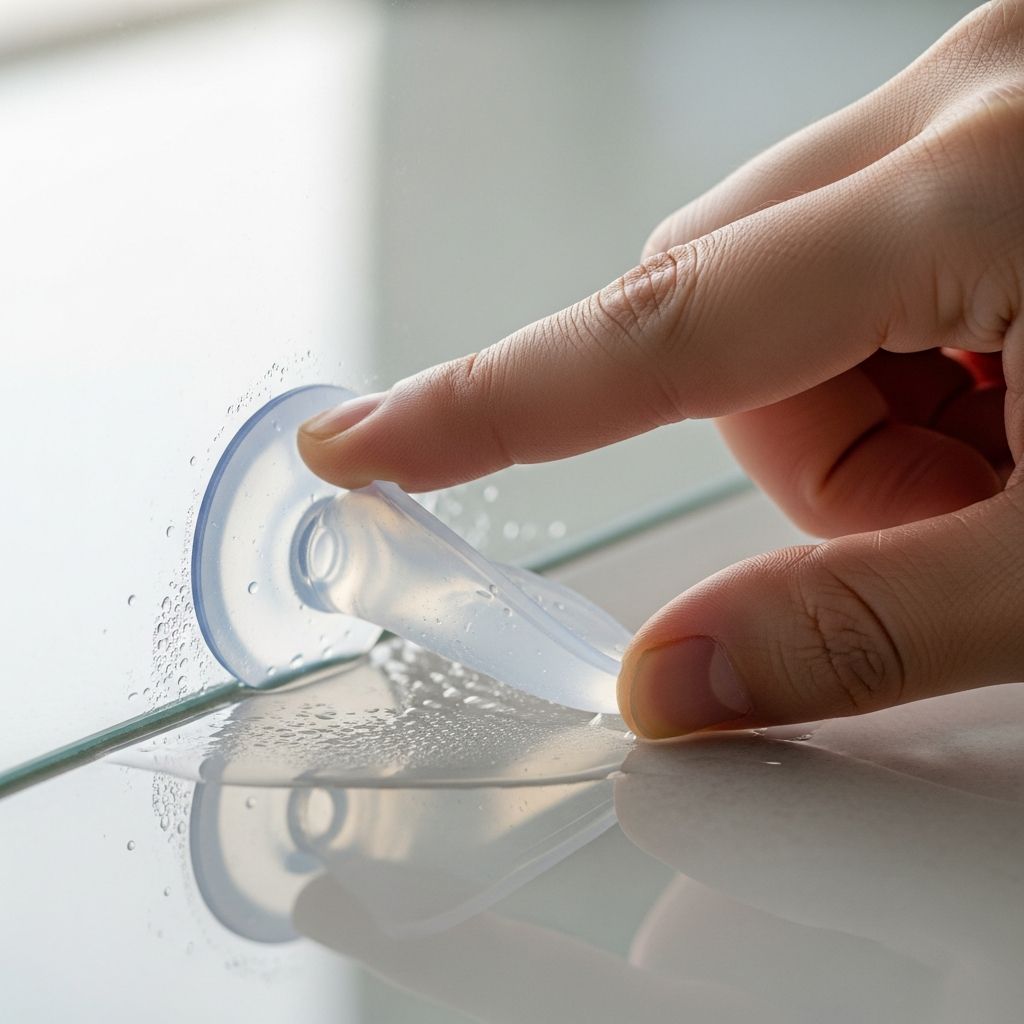
One of the most effective tricks for improving suction cup adhesion is applying a thin layer of moisture to the rim of the cup before pressing it against the surface. This lubricating layer helps create a better seal and fills in microscopic imperfections on the surface.
Moisture application methods:
- Lightly dampen the suction cup rim with clean water
- Use a small amount of adhesive spray designed for suction cups
- Apply a thin coating of petroleum jelly to the cup’s edge
- Use specialized suction cup sealants available at hardware stores
Water is usually the simplest and most accessible option. Simply wet your finger and dampen the rim of the suction cup before pressing it firmly against the cleaned surface. This simple step can make an enormous difference in how well the cup adheres.
Press and Hold Firmly
The application technique itself is critical to success. Many people make the mistake of pressing the suction cup against the surface and immediately letting go. Proper installation requires sustained pressure to ensure the seal forms completely.
Correct application process:
- Position the suction cup on the cleaned, slightly damp surface
- Press down firmly with consistent pressure across the entire cup
- Hold the pressure for at least 10 to 15 seconds
- Ensure all edges of the cup are making contact with the surface
- Verify that no air is trapped around the edges
Rushing this step is a common cause of suction cup failure. The seal needs time to form completely, and maintaining pressure during this critical period significantly increases success rates. Some people recommend holding pressure for up to 30 seconds for heavier items or stubborn applications.
Use Adhesive or Sealant Products
For maximum holding power, especially in humid environments like bathrooms, using specialized adhesive products can provide additional security. Several options are available to enhance suction cup performance.
Popular adhesive options for suction cups:
- Suction cup gel adhesives specifically formulated for bathroom use
- Clear waterproof silicone sealant applied around the cup’s perimeter
- Removable mounting strips designed for suction cup applications
- Double-sided adhesive foam pads combined with suction cups
- Specialized bathroom-grade suction cup sealants
These products can be applied to the rim of the suction cup or around its perimeter after the cup is positioned. They provide an additional barrier against air leakage and moisture infiltration. For items that will bear weight or endure heavy use, combining suction cups with these adhesive solutions offers the best results.
Consider Environmental Factors
Various environmental conditions can affect how well suction cups stick and how long they maintain their hold. Understanding and working with these factors improves overall performance.
Key environmental considerations:
- Temperature fluctuations can affect rubber elasticity and seal integrity
- High humidity in bathrooms can compromise adhesion over time
- Direct sunlight exposure can deteriorate rubber and weaken seals
- Vibrations from doors closing or water running can loosen cups
- Seasonal changes may require re-checking and adjusting cups
In bathrooms, where moisture levels are constantly high, suction cups may need more frequent attention. If your bathroom is particularly humid, consider using suction cups with built-in adhesive strips or applying waterproof sealant around the cup’s edge for additional protection.
Choose the Right Surface
Not all surfaces are equally suitable for suction cups. Understanding which surfaces provide the best adhesion helps ensure successful application.
Surface compatibility guide:
| Surface Type | Suitability | Notes |
|---|---|---|
| Glass | Excellent | Smooth and non-porous; ideal for strong seals |
| Ceramic Tile | Good | Works well if properly cleaned; avoid grout lines |
| Stainless Steel | Excellent | Smooth surface provides good adhesion |
| Textured Surfaces | Poor | Uneven surfaces prevent complete sealing |
| Painted Walls | Fair | Depends on paint type and surface condition |
| Mirrors | Excellent | Smooth glass surface works very well |
The best surfaces for suction cups are smooth, non-porous materials like glass, stainless steel, and glazed ceramic tile. Textured surfaces, matte paint, and rough materials generally don’t work well because they prevent the formation of an airtight seal.
Replace Worn or Damaged Cups
Over time, suction cups inevitably wear out and lose their effectiveness. Recognizing when replacement is necessary prevents ongoing frustration and ensures reliable performance.
Signs that suction cups need replacement:
- Visible cracks or tears in the rubber or silicone
- Permanent deformation or warping that won’t straighten out
- Loss of elasticity or flexibility in the material
- Discoloration or deterioration of the rubber
- Consistent failure to hold even after cleaning and proper application
Quality matters when purchasing replacement suction cups. Heavy-duty versions with thicker, more durable rubber typically last longer and provide better hold. Investing in higher-quality suction cups can save frustration and money in the long run.
Maintenance and Care
Proper maintenance extends the life of your suction cups and helps them perform reliably over time. Regular attention prevents common problems and ensures consistent adhesion.
Regular maintenance tasks:
- Wipe down the suction cup and surrounding area monthly to prevent soap scum buildup
- Check cups periodically to ensure they haven’t loosened
- Re-dampen the cup rim if it appears to be drying out
- Remove and clean cups seasonally to refresh the seal
- Store unused cups in a dry location to preserve elasticity
Monthly cleaning and inspection prevent the gradual accumulation of soap scum and moisture that can compromise suction cup performance. This simple maintenance routine keeps your suction cups working reliably throughout their lifespan.
Frequently Asked Questions
Q: Why do suction cups keep falling off in my bathroom?
A: Bathroom suction cups often fail due to soap scum buildup, high humidity, and moisture. Clean the surface thoroughly with vinegar, dry completely, and consider using waterproof adhesive strips or sealant in addition to the suction cup for extra security.
Q: How long should suction cups hold without falling?
A: Well-installed suction cups on appropriate surfaces can hold for months or even years. However, bathroom environments typically require re-checking and cleaning every 3 to 6 months to maintain optimal performance.
Q: Can I use suction cups on textured surfaces?
A: Suction cups don’t work well on textured surfaces because they need smooth, non-porous materials to create an airtight seal. Textured paint or rough surfaces prevent the cup from forming proper contact.
Q: What’s the best adhesive to use with suction cups?
A: Suction cup gel adhesives and clear silicone sealants specifically designed for bathroom use provide the best results. Apply these products around the cup’s perimeter after positioning for enhanced hold.
Q: How do I clean old suction cups to restore them?
A: Soak dried-out cups in warm water for 10 to 15 minutes to restore flexibility, then clean thoroughly. Remove any adhesive residue with a soft cloth. If cracks or permanent damage is visible, replacement is the better option.
References
- The Science of Adhesion: Understanding Surface Interactions — American Chemical Society. 2024. https://www.acs.org
- Household Cleaning and Surface Preparation Best Practices — U.S. Environmental Protection Agency. 2024. https://www.epa.gov
- Material Properties and Rubber Elasticity — Rubber Manufacturers Association. 2023. https://www.rma.org
- Bathroom Moisture Control and Material Durability — International Association of Plumbing and Mechanical Officials. 2024. https://www.iapmo.org
Similar Articles



Read full bio of medha deb