How to Paint Over Wood Paneling: Complete Guide
Transform outdated wood paneling with expert painting techniques and step-by-step instructions.
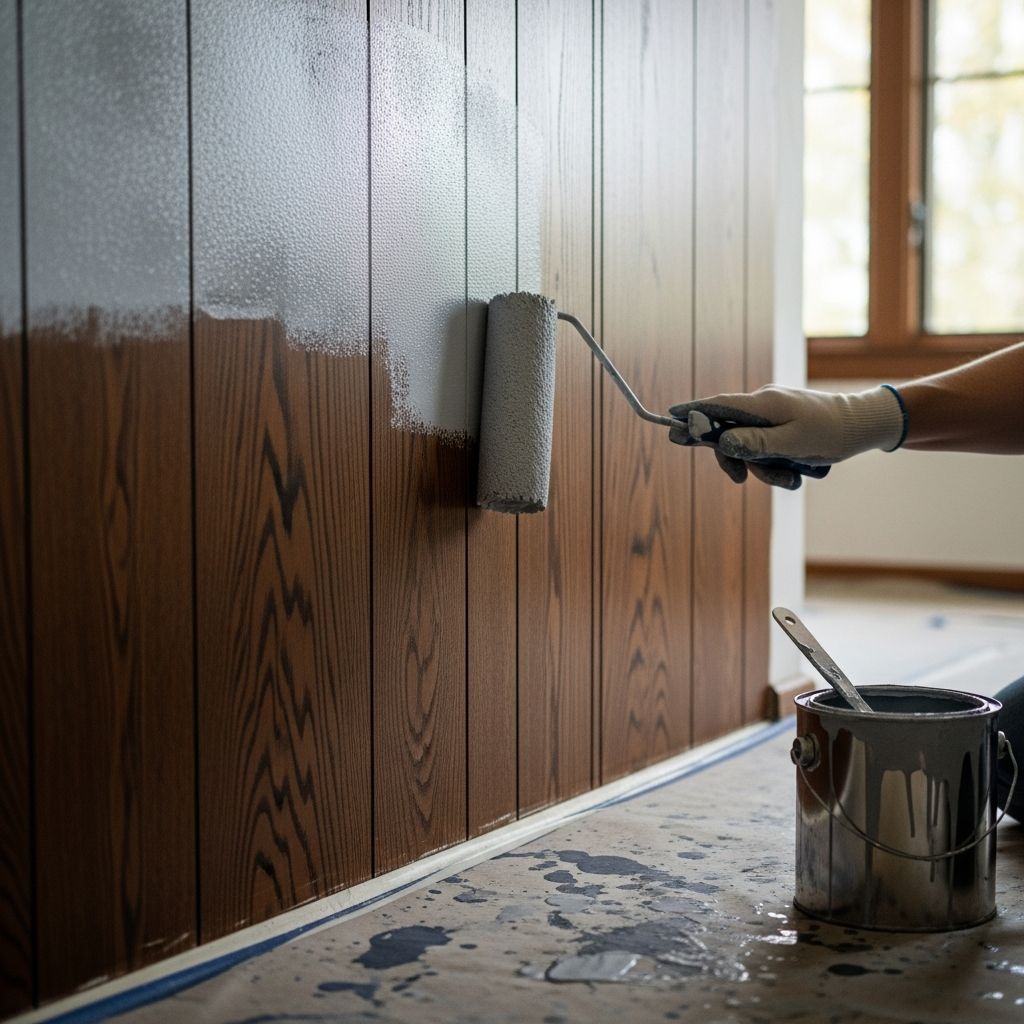
Wood paneling has long been a fixture in many homes, particularly in basements, older architecture, and rooms with lower ceilings. While once considered stylish, outdated wood paneling can make a space feel dated and drab. The good news is that painting over wood paneling is one of the most affordable, effective, and quick solutions to modernize your walls and bring them in line with contemporary design trends.
Rather than undertaking the expensive and time-consuming task of removing paneling altogether, painting offers a practical alternative that breathes new life into tired walls. Whether you’re looking to refresh a single room or an entire section of your home, this comprehensive guide will walk you through every step of the process, from initial preparation to the final coat of paint.
Why Paint Over Wood Paneling?
Before diving into the how-to, it’s worth understanding why painting is often the best choice for updating wood paneling. There are several options available to homeowners dealing with outdated paneling:
- Removal: While a permanent solution, removing paneling is typically expensive and labor-intensive, requiring professional assistance and producing significant waste.
- Staining: This option can enhance the wood’s natural grain and color but may not address underlying damage or achieve the modern aesthetic you’re seeking.
- Painting: This is often the superior choice because it’s highly affordable, remarkably effective, quick to execute, and transforms tired paneling into contemporary-looking walls that match your home’s style and theme.
Painting offers homeowners the flexibility to completely change the appearance of a room while maintaining structural integrity. Whether you choose soft, neutral tones or bold, rich colors, paint allows you to customize your space to reflect your personal style.
Preparing Your Paneling for Painting
The key to achieving professional-looking results when painting over wood paneling lies in thorough preparation. Many homeowners make the mistake of rushing straight to painting, which inevitably leads to messy, uneven surfaces and poor paint adherence. Following these preparation steps ensures your paint adheres properly and provides a smooth, attractive finish.
Step 1: Clean the Surface Thoroughly
The first step in preparing your paneling is ensuring it’s completely clean. Surface dirt, dust, and grime can prevent paint from adhering properly and can cause the paint to clump around debris. Begin by wiping down the entire paneled surface with a damp rag to remove loose dust and surface-level dirt. For deeper cleaning, use an all-purpose cleaner and a sponge to remove stubborn grime and buildup. After cleaning, allow the paneling to dry completely before proceeding to the next step. This may take several hours depending on humidity levels and the amount of moisture applied.
Step 2: Patch Holes and Cracks
Older wood paneling often develops cracks, holes, and gouges that detract from the final appearance. Using spackling compound and a putty knife, fill any damaged areas or unwanted grooves. Apply the spackling compound slightly above the surface, then use the putty knife to scrape away excess material, creating a smooth, even surface. Once the spackling has completely hardened, these areas will be ready for sanding. This step ensures your finished walls have a uniform appearance without visible imperfections.
Step 3: Sand the Wood Surface
Sanding is a crucial step that many DIYers overlook, but it makes a significant difference in the final result. Sanding removes the sheen from the paneling and creates a slightly rough surface that gives the primer and paint something to grip onto. Use 150-grit sandpaper to sand the walls, trim, and moldings, working in the direction of the wood grain. Pay special attention to grooves and textured areas where paint might settle unevenly. After sanding, wipe away all dust and residue with a damp cloth to ensure a clean surface for priming.
Painting the Paneling and Trim
Once your paneling is properly prepared, you’re ready to begin the actual painting process. This phase involves three main steps: priming, painting, and finishing the trim.
Step 1: Prime the Wood
Priming is an essential step when painting over wood paneling and should never be skipped. Without primer, the knots and natural tannins in the wood can bleed through the paint over time, creating dark spots and stains that ruin your carefully chosen color. A quality primer creates a barrier between the wood and paint, ensuring a uniform finish and better paint adhesion.
When selecting primer, consider the type of wood you’re working with. Standard latex or oil-based primers work well for most paneling, but woods like cedar, redwood, and mahogany require a stain-blocking primer to prevent tannin bleed-through. Begin by using a brush to apply primer to grooves, knots, and trim work where detail work is necessary. Once these areas are covered, switch to a roller for broader wall surfaces to speed up the process and achieve more uniform coverage. Apply a thin, even coat, as thick applications can drip and create an uneven surface.
Step 2: Paint the Paneling
With primer dry, you can now apply your chosen paint color. Start at the top of the wall and work your way down, using a brush initially to address tricky areas, grooves, and knots. Smooth out any drips as you go to maintain an even appearance. Once you’ve covered the detailed areas, switch to a roller for the broader wall sections. This combination approach ensures thorough coverage while maintaining control over the final appearance.
Apply an initial coat and allow it to dry completely before evaluating whether a second coat is necessary. Most paneling projects require two coats of paint for optimal coverage and color depth. When applying the second coat, maintain a wet edge to avoid visible lap marks where sections overlap.
Step 3: Paint the Trim
Finally, paint any trim around your paneled walls. Many homeowners choose to use a different color or finish for trim than they use for the main walls. For example, combining matte paint on walls with a glossy finish on trim creates visual distinction and makes the trim easier to clean and maintain. Use a brush for trim work to ensure clean, precise lines and professional-looking results.
Choosing the Right Paint Color and Finish
Color selection plays a vital role in transforming wood paneling. Contrary to popular belief, darker tones can actually work beautifully on paneled walls, creating a rich, sophisticated appearance rather than making spaces feel smaller. Light colors like white offer a fresh, contemporary look that brightens spaces, particularly in basements and rooms with lower ceilings. The key is choosing colors that complement your home’s overall design aesthetic and lighting conditions.
When it comes to paint type, interior acrylic paint typically performs better on wood paneling than oil-based alternatives. Acrylic paint offers superior long-term durability and adhesion to wood, maintains color vibrancy over time, and cleans up easily with water. Additionally, acrylic paint typically produces less odor than oil-based options, making the painting process more pleasant.
Tools and Materials You’ll Need
Before beginning your project, gather all necessary supplies. Having everything on hand prevents interruptions and ensures consistent results. Here’s what you’ll need:
- Damp rag and sponge for cleaning
- All-purpose cleaner
- Spackling compound and putty knife
- 150-grit sandpaper or sanding sponge
- Quality primer (stain-blocking if necessary)
- Interior acrylic paint in your chosen color
- Paint brushes (2-3 inches for detail work)
- Paint roller and roller frame
- Paint tray
- Drop cloths or plastic sheeting
- Painter’s tape (optional)
- Stir stick
Frequently Asked Questions
Q: Is it necessary to sand paneling before painting?
A: While certain situations may not require sanding, it’s highly recommended, especially for older paneling. Sanding removes the sheen and creates surface texture that allows primer and paint to adhere properly, resulting in a more professional and longer-lasting finish.
Q: What type of paint works best on wood paneling?
A: Interior acrylic paint is generally the best choice for wood paneling. It offers superior durability, better adhesion to wood surfaces, improved longevity compared to oil-based paint, and easier cleanup with water.
Q: Do I really need to use primer?
A: Yes, primer is essential when painting wood paneling. Without primer, the natural tannins and knots in the wood can bleed through the paint, creating stains and spots that compromise your finished appearance. Primer acts as a barrier, ensuring uniform color and better paint adhesion.
Q: Can I paint over paneling without removing it?
A: Absolutely. Painting over wood paneling is not only possible but often the preferred solution. With proper preparation including cleaning, patching, sanding, and priming, you can achieve excellent results without the expense and labor involved in removing paneling.
Q: How long does it take to paint over wood paneling?
A: The timeline depends on room size and paneling condition. Most projects take one to three days when accounting for preparation, priming, painting, and drying time between coats. Allowing adequate drying time between steps is crucial for optimal results.
Q: What’s the best way to handle grooves and texture?
A: When painting textured or grooved paneling, use a brush first to ensure paint fills every groove and crevice. You can then use a roller for broader coverage. Some people prefer alternating coverage patterns to create visual interest, while others opt for complete, uniform coverage.
Tips for Professional Results
To ensure your wood paneling painting project turns out beautifully, keep these professional tips in mind:
- Work from top to bottom: This prevents drips from running over already-painted areas and allows gravity to work in your favor.
- Maintain a wet edge: Overlapping wet paint prevents visible lap marks and creates a seamless appearance.
- Don’t over-apply paint: Thick paint applications are more prone to dripping, running, and uneven drying. Thin, even coats provide better coverage and appearance.
- Allow proper drying time: Rush the drying process and you risk smudging, dust settling into wet paint, or poor adhesion between coats.
- Use quality materials: Investing in good primer and paint pays dividends in durability, coverage, and appearance.
- Consider the “tooth” of the surface: Proper sanding creates surface texture that allows paint to grip effectively, similar to frosting on a cake.
Conclusion
Painting over wood paneling is an affordable, effective, and practical solution for modernizing outdated walls. By following the preparation steps, applying quality primer, and using proper painting techniques, you can transform tired paneling into contemporary-looking walls that reflect your personal style. The process doesn’t require special skills or equipment, making it an excellent DIY project for homeowners of all experience levels. With patience and attention to detail, your paneled walls will look fresh, modern, and completely transformed.
References
- How to Paint Over Wood Paneling — Valspar. Accessed December 2025. https://www.valspar.com/en/tips-resources/how-to/project-tutorials/painting-wood-paneling
- How to Paint Paneling: Wall Ideas & Projects — The Home Depot. 2020-09-25. https://www.homedepot.com
Similar Articles







Read full bio of Sneha Tete