How To Prevent Ice Dams: 6 Effective Strategies
Protect your roof from ice dams with proven prevention strategies and maintenance tips.
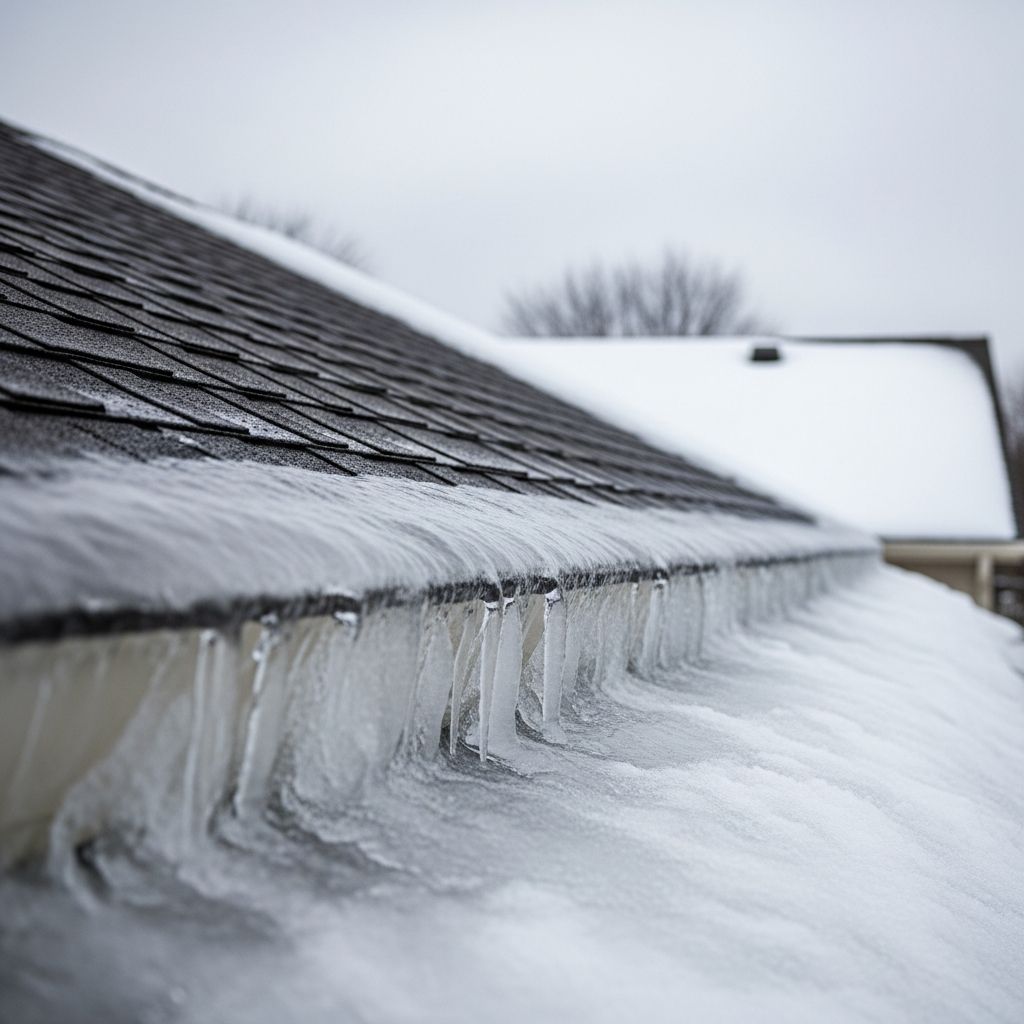
How to Prevent Ice Dams: A Comprehensive Guide
Ice dams are a common winter problem that can cause significant damage to your roof, gutters, and home’s interior. These formations occur when snow melts on your roof and refreezes at the eaves, creating a barrier that prevents water from draining properly. Understanding how ice dams form and taking preventive measures can save you thousands of dollars in repairs and protect your home from water damage. This guide covers the most effective strategies to prevent ice dams from forming on your roof.
Understanding Ice Dams and Their Causes
Ice dams form when warm air from your attic heats the roof surface, causing snow to melt. The water runs down the roof and refreezes at the colder eaves where there is no heat beneath. This creates a dam of ice that prevents further melting water from draining off the roof. When water backs up behind the ice dam, it can seep into your attic, damage your insulation, rot your roof deck, and cause interior water damage. The primary cause of ice dams is inadequate attic insulation and ventilation, which allows heat from your living space to warm the roof surface.
Preventing Ice Dams: Key Strategies
1. Maintain Proper Attic Ventilation and Insulation
One of the most critical steps in preventing ice dams is ensuring your attic maintains consistent, cool temperatures throughout winter. This requires proper ventilation and insulation working together. Your attic should have both intake vents (typically soffit vents) and exhaust vents (typically ridge vents) to create continuous airflow that removes warm, moist air.
The National Weather Service recommends providing at least one square foot of ventilation opening for every 300 square feet of attic floor space. This balanced ventilation system should have half the vents at the lower eaves (intake) and half near the roof ridge (exhaust). This continuous flow of cold outside air across the attic prevents warm spots from developing that would melt snow on the roof.
Equally important is adequate insulation on your attic floor. This thermal barrier prevents heat from your living spaces from rising into the attic. Modern building codes typically recommend R-38 to R-60 insulation depending on your climate zone. If your insulation is below these levels, adding more can significantly reduce heat loss and prevent ice dams.
2. Seal Air Leaks in Your Attic
Even with proper insulation levels, air leaks can allow warm air to escape into your attic. Common sources of air leaks include spaces around recessed light fixtures, gaps around pipes and electrical cables, openings at vents, and cracks in the attic access hatch. The Department of Energy recommends using fire-stop sealant or spray foam to seal these gaps. Pay particular attention to areas where utilities penetrate the attic floor, as these often have significant air leaks.
Recessed lighting fixtures deserve special attention. Older non-rated can lights not only allow air to escape but also generate heat directly into the attic. Replacing these with sealed IC-rated fixtures eliminates both the heat source and air leak. Additionally, ensure that bathroom and kitchen exhaust fans are vented directly to the outside rather than into the attic, where they introduce warm, moist air.
3. Inspect and Repair Roof Flashing
Flashing around chimneys, vents, and skylights is another common source of air and moisture leaks. Over time, this flashing can crack, separate, or develop gaps that allow warm air to escape into the attic or allow water to enter your home. Have a professional roofing contractor inspect your flashing annually and repair or replace any damaged sections before winter arrives. Proper flashing installation is critical for both preventing ice dams and avoiding water leaks during heavy rain or snow melt.
4. Replace Older Can Lights with Sealed Fixtures
Recessed lighting fixtures are notorious for being sources of heat loss and air leaks. Standard can lights allow warm air to escape directly into the attic while also creating a heat source that can melt snow on the roof above them. Replacing these with IC-rated (insulation contact) sealed fixtures is an excellent investment. These fixtures are designed to be safe when surrounded by insulation and prevent air leakage. This upgrade provides the dual benefit of reducing energy costs and preventing ice dams.
5. Install De-Icing Cables
De-icing or heat cables provide an additional layer of protection by actively melting ice before dams can form. These cables are installed along the edges of your roof where ice dams typically develop. When activated during heavy snowfall or as temperatures approach freezing, they create channels in any ice that forms, allowing water to drain properly off the roof.
When installing de-icing cables, follow the manufacturer’s instructions carefully. Typically, they are installed in a zigzag pattern along roof edges and in gutters. It’s important to turn them on before heavy snowfall is expected or when you begin to see ice forming. While de-icing cables require electricity and some maintenance, they are highly effective at preventing ice dam formation in areas prone to this problem.
6. Keep Gutters and Downspouts Clear
Before cold weather arrives, thoroughly clean your gutters and downspouts of leaves, sticks, and other debris. This creates an unobstructed channel for melting snow and ice to flow off your roof. Throughout the winter, continue to keep gutters and downspouts clear of snow and icicles. During warm winter days or after unseasonable thaws, melting water needs to flow freely through your gutters and downspouts to exit your roof system.
Consider installing gutter guards to reduce the accumulation of debris. While not foolproof, quality gutter guards can significantly reduce the need for frequent cleaning during fall and winter. However, some manual maintenance is typically still required, especially in areas with heavy leaf or snow load.
What to Do If Ice Dams Form
Remove Excess Snow with a Roof Rake
If ice dams do form despite your prevention efforts, the first step is to safely remove excess snow from your roof using a roof rake. A roof rake with a long aluminum handle allows you to safely stand on the ground while removing snow, minimizing your risk. Some roof rakes include wheels to reduce the chance of damaging your roof shingles. By removing snow, you reduce the amount of water available to refreeze and create dams. This also reduces the weight load on your roof structure.
Safety is paramount when using a roof rake. Be aware of where you stand to avoid snow and ice falling on you. Work carefully and deliberately, never overextending yourself or working in icy conditions where you might slip.
Use Calcium Chloride to Accelerate Melting
Calcium chloride can help speed up the melting of ice dams. Rather than applying it directly to your roof, which can damage shingles and harm vegetation below, fill pantyhose or tube socks with calcium chloride. Tie them off and position them vertically across ice dams with them hanging off the roof edge by an inch or two. This creates a channel for melting water to run down and helps break up the ice dam more quickly.
Never substitute rock salt for calcium chloride, as rock salt can cause significant damage to your roof shingles, gutters, and the vegetation around your home’s foundation.
Improve Attic Ventilation and Sealing
As a longer-term solution after an ice dam has formed, focus on improving your attic ventilation and sealing air leaks. Use spray foam to seal any visible gaps around vents or openings leading to the attic. Apply spray foam along the attic floor to establish a proper thermal boundary between your living space and the attic. Ensure exhaust fans from bathrooms and kitchens are vented directly outside rather than into the attic.
While these improvements may seem counterintuitive during winter, allowing cool outside air to flow through your attic will help keep it cooler, prevent ice dams from growing, and reduce moisture that can damage insulation and create mold problems.
Long-Term Ice Dam Prevention Checklist
Preventing ice dams requires a multi-faceted approach and ongoing maintenance. Here’s a comprehensive checklist to help you stay protected:
- Verify your attic has R-38 to R-60 insulation appropriate for your climate
- Ensure balanced soffit and ridge ventilation with at least 1 square foot per 300 square feet of attic
- Seal all air leaks around penetrations, fixtures, and vents
- Replace non-rated recessed lights with IC-rated sealed fixtures
- Inspect and repair roof flashing around chimneys, vents, and skylights
- Clean gutters and downspouts before winter and periodically during the season
- Install and maintain de-icing cables in problem areas
- Monitor your roof during winter for signs of ice dam formation
- Have a professional inspect your attic ventilation and insulation annually
When to Call a Professional
While many ice dam prevention measures can be DIY projects, some tasks require professional expertise. If you feel unsure or uncomfortable working at heights, in attic spaces, or with electrical components like de-icing cables, consult a professional. Roofing contractors can inspect flashing and ventilation, HVAC professionals can evaluate and improve ventilation systems, and insulation specialists can assess and upgrade your attic insulation. The investment in professional expertise can prevent costly water damage and extend the life of your roof.
Frequently Asked Questions
Q: What causes ice dams to form on roofs?
A: Ice dams form when inadequate attic insulation or ventilation allows heat to warm the roof surface, melting snow. This water runs down and refreezes at the colder eaves, creating a dam that prevents drainage.
Q: How much will it cost to prevent ice dams?
A: Costs vary based on your home’s size and existing conditions. Gutter cleaning might cost $100-300 annually, while attic insulation upgrades could range from $1,500-3,000, and de-icing cables from $300-800 installed.
Q: Is it safe to walk on my roof to remove ice dams?
A: Walking on an icy roof is extremely dangerous and not recommended. Use a roof rake from the ground level instead, or hire a professional to remove ice dams safely.
Q: Can I use rock salt to melt ice dams?
A: No, rock salt damages roof shingles and vegetation. Use calcium chloride in pantyhose or tube socks instead, positioned across the ice dam.
Q: How often should I have my attic inspected?
A: Annual inspections before winter are recommended to check insulation levels, ventilation adequacy, and air leaks that could contribute to ice dam formation.
Q: What is the ideal attic ventilation ratio?
A: Provide at least 1 square foot of ventilation opening for every 300 square feet of attic floor space, with half at the eaves (intake) and half at the ridge (exhaust).
Q: Do all homes with snow get ice dams?
A: No. Homes with proper attic insulation, ventilation, and air sealing rarely experience ice dams. The problem is most common in older homes with inadequate insulation or ventilation.
Q: Are de-icing cables a permanent solution?
A: De-icing cables provide protection but are not a permanent solution. They work best combined with proper attic ventilation and insulation. They also require annual setup and electricity to operate.
References
- How to Prevent Ice Dams on Your Roof — Allstate Insurance. December 2025. https://www.allstate.com/resources/home-insurance/icicles-on-roof-and-ice-dams
- Ice Dams: Prevention and Solutions — The Hanover Insurance Group. December 2025. https://www.hanover.com/resources/tips-individuals-and-businesses/prepare-now-learn-how/you-have-ice-dam-now-what
- Building Energy Codes Resource Center — U.S. Department of Energy. December 2024. https://www.energy.gov/eere/building-energy-codes-resource-center
- Winter Weather Safety — National Weather Service. December 2024. https://www.weather.gov/safety/winter
- Home Energy Efficiency — ENERGY STAR. December 2024. https://www.energystar.gov/
Similar Articles





Read full bio of Sneha Tete