How To Prevent Plumbing Sulfur Smells: 8-Step Checklist
Eliminate rotten egg odors from your plumbing with expert solutions and preventative maintenance tips.
How to Prevent Plumbing Sulfur Smells
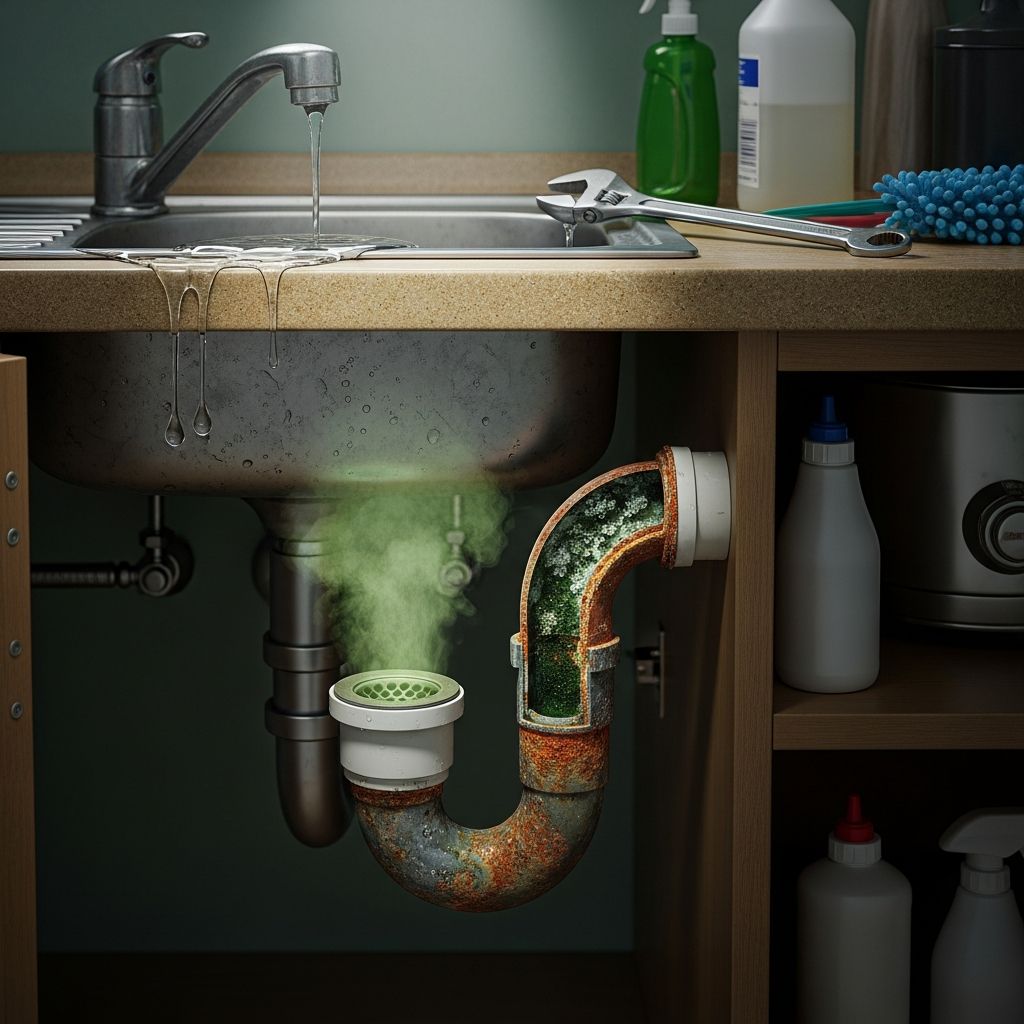
If your home’s water smells like rotten eggs, you’re not alone. This unpleasant odor, commonly known as a sulfur smell, typically indicates the presence of hydrogen sulfide gas in your water supply. Understanding where this smell originates and how to address it is essential for maintaining clean, fresh-smelling water throughout your home. Whether the problem stems from your water heater, well system, or municipal water supply, there are proven solutions to eliminate these odors and prevent them from returning.
Understanding Sulfur Smells in Water
Sulfur odors in plumbing systems are caused by hydrogen sulfide gas, which produces that distinctive rotten egg smell. This gas can originate from various sources, including sulfur bacteria in your water heater, naturally occurring sulfides in groundwater, or reactions between water and plumbing components. The key to solving the problem is identifying where the smell is coming from—whether it affects your hot water, cold water, or both.
Where Sulfur Smells Originate
Sulfur bacteria thrive in warm, low-oxygen environments, making water heaters an ideal breeding ground. These bacteria interact with the magnesium anode rod commonly found in water heaters, leading to hydrogen sulfide production. Additionally, if you have a private well, sulfur or iron bacteria naturally present in groundwater can cause similar odors. In some cases, corrosion in older pipes or biofilm buildup in your plumbing system can also contribute to these unpleasant smells.
Diagnosing the Source of the Odor
The first step in addressing sulfur smells is determining whether the problem affects hot water, cold water, or both. This simple diagnostic test will guide your treatment approach and help you understand whether the issue is in your water heater or your water supply itself.
Testing Hot Water Versus Cold Water
Run water from your hot water tap and smell it carefully. Then test your cold water tap in a different location. If the smell is present only in your hot water, the problem almost certainly lies within your water heater, specifically with the magnesium anode rod. However, if both hot and cold water smell like sulfur, the issue originates from your water supply itself—either from your well or municipal system. This distinction is crucial because it determines which solution will be most effective.
When the Odor Is Only in Hot Water
If you’ve determined that only your hot water smells like sulfur, the solution is straightforward: replace your water heater’s magnesium anode rod with an aluminum rod. This is one of the most effective and accessible fixes for water heater-related sulfur odors.
The Role of the Anode Rod
Every water heater contains a sacrificial anode rod, typically made of magnesium. This rod is designed to corrode instead of the water heater tank itself, protecting the tank from rust and extending its lifespan. However, when hydrogen sulfide levels are elevated, the magnesium rod can react with sulfides in the water to produce hydrogen sulfide gas. An aluminum anode rod is much more impervious to this reaction, making it significantly less likely to produce the rotten egg smell.
How to Replace the Magnesium Anode Rod
Replacing an anode rod is a straightforward maintenance task that most homeowners can accomplish. First, turn off the water supply to your water heater. Using a wrench, unscrew the old magnesium anode rod from the top of the water heater tank. Take note of the rod’s specifications before purchasing a replacement aluminum rod of the same size and type. Screw the new aluminum rod into place, turn the water supply back on, and the problem should be resolved. This simple swap is one of the most effective preventative measures you can take to maintain fresh-smelling hot water.
When Odor Affects Both Hot and Cold Water
If sulfur smells are present in both your hot and cold water, the problem originates from your water supply rather than your water heater. This situation typically indicates either naturally occurring sulfur compounds in your well water or, in rare cases, contamination in your municipal water system.
Well Water Treatment
If you have a private well, the recommended first step is to contact a licensed well contractor. These professionals can assess your water quality and determine the best treatment approach. Professional treatment options include shock chlorination, which temporarily adds chlorine to the well system to disinfect water and reduce sulfur bacteria. This method provides immediate relief but may require periodic repetition to remain effective.
For more persistent issues, a licensed well contractor can perform pre-treatment work such as scrubbing the well casing and using special treatment chemicals before disinfection. Sulfur bacteria can be difficult to remove once established, so professional intervention is often necessary.
Municipal Water Systems
Sulfur smells are extremely rare in municipal water systems due to strict water quality standards and treatment protocols. If you experience sulfur odors with municipal water that affects both hot and cold water, contact your local water utility to report the issue and request water quality testing.
Water Heater Maintenance to Prevent Odors
Regular maintenance of your water heater is crucial for preventing sulfur odors and extending its lifespan. Several maintenance tasks can significantly reduce the risk of hydrogen sulfide production.
Flushing and Disinfecting Your Water Heater
Over time, sediment and bacteria accumulate inside your water heater tank, creating an environment where sulfur bacteria thrive. Flushing your water heater annually removes this buildup and reduces odor-causing bacteria. To disinfect your water heater, use a chlorine bleach solution to kill sulfur bacteria. For particularly stubborn bacterial colonies, increase the water heater temperature to 160 degrees Fahrenheit for several hours to destroy the bacteria, then flush to remove the dead organisms. This thermal disinfection combined with chlorination can effectively eliminate persistent odors.
Temperature Adjustment
Maintaining your water heater at an appropriate temperature helps prevent bacterial growth. Many people set their water heaters too low, creating ideal conditions for sulfur bacteria to establish themselves. A temperature of 120-140 degrees Fahrenheit is standard, but temporarily raising it to 160 degrees Fahrenheit can eliminate existing bacteria. Always use caution with higher temperatures to prevent scalding.
Long-Term Solutions for Persistent Odors
If sulfur smells persist despite regular maintenance and treatment, installing a comprehensive water treatment system may be necessary. These long-term solutions address the root cause of the problem and provide lasting relief.
Aeration Systems
Aeration systems work by exposing water to air, which helps eliminate hydrogen sulfide gas. These systems draw air into the water, increasing oxygen saturation and releasing dissolved gases. By reducing hydrogen sulfide gas, aeration systems effectively mitigate rotten egg smells. They manage sulfur odors sustainably without requiring chemical treatments, making them an eco-friendly choice for long-term relief.
Activated Carbon Filters
Activated carbon filters effectively remove hydrogen sulfide gas from water through absorption. These filters use activated carbon material to trap impurities, including hydrogen sulfide, improving water quality. Regular monitoring and replacement of carbon filters maintain their effectiveness. Routine replacement ensures continued reduction of hydrogen sulfide odors and provides clean, fresh water throughout your home.
Whole-House Filtration Systems
For comprehensive odor elimination, installing a whole-house filtration system is highly effective. These systems manage hydrogen sulfide odors throughout your entire home, not just at a single tap. Different filtration systems can be tailored to your specific needs, with options ranging from sulfur-clearing filters to continuous chlorination systems. While representing a larger investment than individual solutions, whole-house systems provide the most complete and lasting relief from water quality issues.
Preventative Maintenance Checklist
To keep your plumbing system free from sulfur odors, implement a regular maintenance routine:
– Inspect your water heater annually for signs of bacterial growth or sediment accumulation- Replace the anode rod every 3-5 years, or sooner if you notice sulfur smells- Flush your water heater tank annually to remove sediment and bacteria- Test your well water regularly if you have a private well system- Have your water heater professionally serviced every 1-2 years- Monitor your water pressure and temperature for signs of system issues- Keep drains clean and flowing freely to prevent biofilm buildup- Ensure your water treatment system filters are replaced on schedule
Tools and Materials You’ll Need
If you plan to replace your anode rod yourself, gather the following items before beginning:
– An adjustable wrench sized to fit your anode rod nut- A replacement aluminum or zinc anode rod compatible with your water heater model- A bucket to catch any residual water- Teflon tape for sealing the new rod connection- Optional: A pipe wrench for additional leverage if the rod is stuck
When to Call a Professional
While some plumbing maintenance is DIY-friendly, certain situations require professional expertise. Contact a licensed plumber or well contractor if:
– You’re uncomfortable working with your water heater- Sulfur smells persist after replacing the anode rod- Both hot and cold water are affected and you have a private well- You notice leaks or corrosion on your water heater- Your water heater is aging and may need professional flushing- You want to install a whole-house filtration system- Multiple drains in your home are affected by odors
Frequently Asked Questions
Q: Why does my water smell like rotten eggs?
A: The rotten egg smell is caused by hydrogen sulfide gas, typically produced by sulfur bacteria in your water heater or naturally occurring in your well water. Testing whether the smell affects hot water only or both hot and cold water will help identify the source.
Q: Can I replace the anode rod myself?
A: Yes, replacing an anode rod is a straightforward task most homeowners can complete with basic tools. Turn off the water supply, unscrew the old rod with a wrench, and screw in the new aluminum rod. If you’re uncomfortable doing this, a plumber can complete the task quickly.
Q: How often should I replace my anode rod?
A: Anode rods typically last 3-5 years, depending on water chemistry and usage. If you notice sulfur smells in your hot water, it’s time to replace it sooner. Some water conditions may require more frequent replacement.
Q: Are sulfur smells in municipal water dangerous?
A: Hydrogen sulfide itself is not typically dangerous at the levels found in residential water, though it’s unpleasant. However, the smell often indicates bacterial growth that should be addressed. If you experience this with municipal water, contact your water utility.
Q: What’s the best long-term solution for sulfur smells?
A: The best solution depends on the source. For hot water only, replacing the anode rod is most effective. For persistent issues affecting both hot and cold water, installing a whole-house filtration system or aeration system provides comprehensive, long-term relief.
Q: Can I treat well water sulfur smells myself?
A: While some basic treatments like chlorine injection are possible, professional treatment by a licensed well contractor is usually more effective for persistent sulfur odors in well water, as they have specialized equipment and expertise.
Q: How much does it cost to fix sulfur smells?
A: Costs vary widely. Replacing an anode rod costs $150-400 depending on labor. Professional well treatment ranges from $500-2000. Whole-house filtration systems cost $1500-5000 installed. Simple maintenance is the most cost-effective prevention.
Q: Will increasing water heater temperature eliminate sulfur smells?
A: Temporarily raising your water heater to 160°F for several hours can kill sulfur bacteria, followed by flushing. However, this is a temporary solution. Replacing the anode rod provides permanent relief for hot water sulfur odors.
References
- How to Prevent Plumbing Sulfur Smells — This Old House. YouTube. https://www.youtube.com/watch?v=pE3gD8P2_r4
- Why Does My Water Smell Like Rotten Eggs? Hydrogen Sulfide and Well Water — Minnesota Department of Health. https://www.health.state.mn.us/communities/environment/water/wells/waterquality/hydrosulfide.html
- How to Fix Well Water That Smells Like Sulfur: Tips & Solutions — Wragg Brothers. https://www.wraggbrothers.com/how-to-fix-when-well-water-smells-like-sulfur
- How To Identify And Fix Common Summer Plumbing Odors — Niebuhr Plumbing. https://niebuhrplumbing.com/blog/whats-that-smell-common-summer-plumbing-odors-and-how-to-fix-them/
- How to Avoid Sulfur Smells in Plumbing System — Mr. Rooter. https://www.mrrooter.com/blog/how-to-avoid-sulfur-smells-in-plumbing-system/
Similar Articles








Read full bio of medha deb