How to Reduce Static Electricity in Your House
Master practical techniques to eliminate annoying static shocks and improve home comfort year-round.
Understanding Static Electricity in Your Home
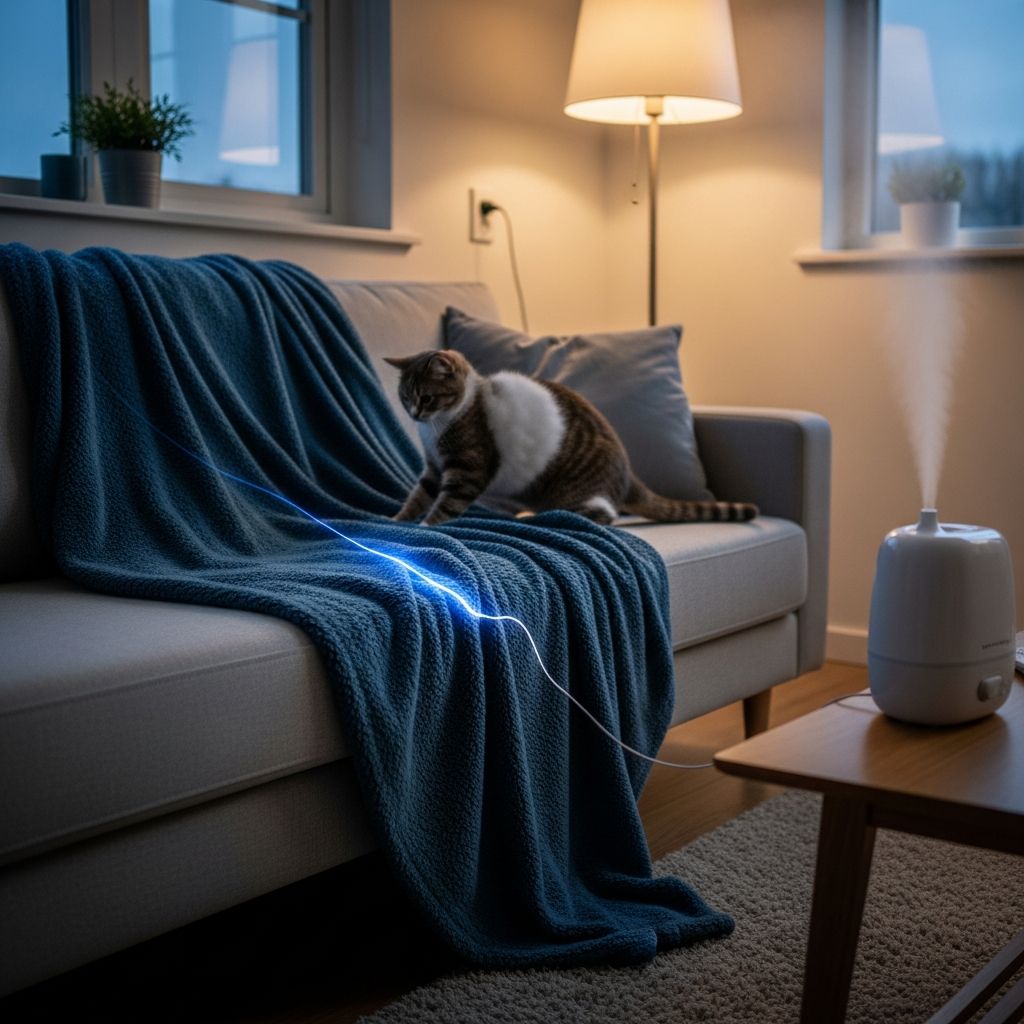
Static electricity is one of those household annoyances that strikes when you least expect it. Whether you’re reaching for a doorknob, petting your cat, or simply walking across a room in winter, that sudden jolt can be startling and uncomfortable. Static electricity builds up more readily during colder months when indoor air becomes drier, creating the perfect conditions for electrical charge accumulation. The good news is that with the right strategies and understanding of what causes static electricity, you can significantly reduce its occurrence in your home and enjoy a more comfortable living environment.
The Role of Humidity in Static Control
One of the most effective ways to combat static electricity is to increase the humidity levels in your home. Static electricity thrives in dry environments because moisture in the air helps dissipate electrical charges. When humidity drops below 30 percent, static electricity becomes far more likely to occur. Conversely, maintaining humidity levels between 30 and 50 percent creates an environment where static charges cannot accumulate as easily.
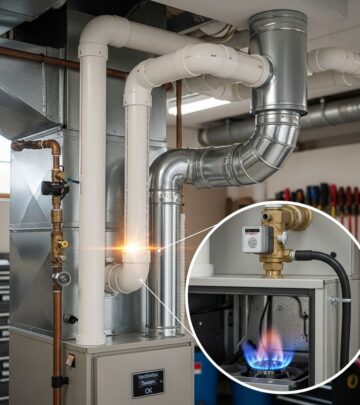
A whole-home humidification system represents one of the most comprehensive solutions to this problem. These systems work in conjunction with your existing HVAC system to distribute moisture evenly throughout your entire home, ensuring consistent humidity levels in every room. For those who prefer a less permanent solution or need to target specific areas, stand-alone humidifiers are an excellent alternative. Portable units can be placed in bedrooms, living rooms, or any space where you experience the most static problems.
Beyond mechanical humidifiers, you can naturally increase moisture in your home through several methods. Running hot water in the shower and allowing steam to escape into your bathroom adds moisture to the air. Similarly, air-drying clothes indoors on a drying rack releases water vapor as garments dry. Indoor plants such as peace lilies, spider plants, and Boston ferns naturally transpire moisture into the air, providing both aesthetic benefits and functional humidity control.
Treating Your Carpets and Floors
Carpeted floors are notorious for generating static electricity because the friction between your feet and carpet fibers creates ideal conditions for electrical charge buildup. However, you don’t need to rip out all your carpeting to solve this problem.
Anti-Static Treatments for Carpets
Commercial anti-static sprays designed specifically for carpets effectively reduce the electrical charge buildup on carpet fibers. These products work by creating a conductive barrier that allows static charges to dissipate rather than accumulate. When applying anti-static spray, focus on high-traffic areas where you walk most frequently, as these zones are most prone to static generation.
For a budget-friendly alternative, you can create your own anti-static solution by diluting fabric softener in a spray bottle with water. Always test this mixture in an inconspicuous corner of your carpet first to ensure it doesn’t cause staining or discoloration. The fabric softener works similarly to commercial products by helping to neutralize electrical charges on carpet fibers.
Floor Maintenance and Hard Flooring
Regular vacuuming and sweeping help reduce static electricity by minimizing dust and debris accumulation. Dust particles can actually increase friction and compound static problems, so keeping your floors clean directly contributes to static reduction. For hard flooring surfaces like tile, wood, or stone, occasional mopping with a slightly damp mop can help maintain appropriate humidity levels near the floor surface.
Furniture and Upholstery Solutions
Your furniture and upholstery can be significant sources of static electricity, particularly when you sit down or get up from a chair or sofa. Fortunately, several simple techniques can neutralize static on these surfaces.
Using Dryer Sheets
Dryer sheets are remarkably versatile tools for combating static. Beyond their laundry applications, these sheets act as excellent neutralizers for electrical charge on upholstered surfaces. Simply rub a dryer sheet over your furniture, chair cushions, and even car seats to reduce static buildup. The conditioning agents in dryer sheets help dissipate electrical charges, and as a bonus, they leave a fresh scent.
Commercial Anti-Static Products
Fabric-specific anti-static sprays designed for upholstery offer another effective solution. These products are formulated to work safely on various fabric types without causing damage or discoloration. When selecting new furniture, choosing pieces upholstered in natural fibers like cotton rather than synthetics reduces static problems from the start.
Clothing and Personal Choices
What you wear plays a significant role in how much static electricity accumulates on your body. Understanding which fabrics and footwear contribute to static buildup empowers you to make better clothing choices, especially during winter months.
Fabric Selection
Synthetic fibers including polyester, nylon, and acrylic are notorious for generating and holding static charges. Wool, while natural, also tends to accumulate static electricity. Instead, opt for natural fibers that conduct electricity better and don’t hold static charges. Cotton, linen, and silk are excellent choices that minimize static buildup on your body.
Footwear Matters
Your choice of shoes significantly impacts static electricity generation. Rubber-soled shoes are insulators that trap electrical charges on your body, making them poor choices for minimizing static. Leather-soled shoes, by contrast, allow electrical charges to dissipate into the ground, effectively grounding you as you walk. When indoors, leather slippers or shoes provide superior static protection compared to synthetic or rubber-soled alternatives.
Personal Care and Skin Health
Your body’s moisture content directly affects how readily static electricity accumulates on your skin. Dry skin creates an ideal environment for static charge buildup, while well-hydrated skin conducts electricity more efficiently, allowing charges to dissipate naturally.
Moisturizing Regularly
Applying moisturizer and lotion before getting dressed and throughout the day helps keep your skin hydrated and reduces static electricity. This practice is especially important during winter when both outdoor air and indoor heated air become extremely dry. By maintaining adequate skin moisture, you create a more conductive surface that allows static charges to flow away from your body rather than accumulating.
Staying Hydrated
Internal hydration is equally important. Drinking adequate water throughout the day helps maintain your body’s natural moisture levels from the inside out, contributing to better overall conductivity and reduced static electricity accumulation.
Laundry Solutions
The way you wash and dry your clothing can either contribute to or reduce static electricity problems in your home and on your body.
Baking Soda in Laundry
Adding baking soda to your laundry creates a barrier between positive and negative charges, preventing static buildup during and after washing. Baking soda acts as a natural fabric softener and water softener while providing anti-static benefits. This simple addition to your washing routine can significantly reduce the static electricity you experience when wearing freshly laundered clothing.
Alternative Drying Methods
Using dryer sheets in your clothes dryer reduces static in your clean laundry. Alternatively, air-drying clothes indoors prevents the friction-based static generation that occurs in electric dryers. While air-drying takes longer, it eliminates static problems entirely and is gentler on fabrics.
Quick Grounding Techniques
When you’re about to touch something that might cause a static shock—such as a doorknob or metal handle—you can preemptively ground yourself using a metal object. Keep a key, coin, or safety pin with you and use it to touch metal surfaces first. This technique allows electrical charge to dissipate safely before you touch the object with your bare hand, preventing the uncomfortable shock.
Comprehensive Comparison of Static Reduction Methods
| Method | Effectiveness | Cost | Ease of Implementation | Best For |
|---|---|---|---|---|
| Humidification | Very High | $100-$500 | Easy | Whole-home solution |
| Carpet Anti-Static Spray | High | $10-$30 | Very Easy | Carpeted areas |
| Dryer Sheets on Furniture | Moderate | $3-$10 | Very Easy | Quick fixes |
| Natural Fiber Clothing | High | Varies | Moderate | Long-term prevention |
| Leather-Soled Shoes | High | $50-$150 | Easy | Indoor walking |
| Skin Moisturizing | Moderate | $5-$20 | Very Easy | Personal protection |
| Baking Soda in Laundry | Moderate | $2-$5 | Very Easy | Laundry treatment |
| Indoor Plants | Low to Moderate | $10-$50 | Easy | Aesthetic and functional |
Seasonal Static Considerations
Static electricity is particularly problematic during winter months when outdoor temperatures drop and indoor heating systems run constantly. This combination creates extremely dry conditions both outside and inside your home. Fall and early winter represent peak seasons for static problems, making it wise to implement your static reduction strategies before these months arrive. By taking preventive measures in autumn, you can avoid the worst static problems during winter when they’re most bothersome.
Long-Term Solutions for Persistent Problems
If you’ve implemented multiple strategies and continue experiencing significant static electricity problems, you may have underlying humidity control issues or even wiring concerns. Consulting with an electrician or HVAC specialist can help identify whether your home’s insulation, ventilation, or electrical system is contributing to excessive static. A professional can check your humidity controls, assess your insulation, and recommend comprehensive solutions tailored to your home’s specific conditions.
Frequently Asked Questions
Q: What humidity level should I maintain to prevent static electricity?
A: Maintaining indoor humidity between 30 and 50 percent is ideal for minimizing static electricity while maintaining comfort and healthy air quality.
Q: Can I make my own anti-static carpet spray?
A: Yes, you can dilute fabric softener in a spray bottle with water to create an effective anti-static solution. Always test in a hidden area first to prevent staining.
Q: Are synthetic or natural fiber clothes better for reducing static?
A: Natural fibers like cotton, linen, and silk are superior for reducing static electricity compared to synthetic materials like polyester and nylon.
Q: How do leather-soled shoes help reduce static?
A: Leather-soled shoes allow electrical charges to dissipate into the ground, effectively grounding your body and preventing static accumulation, unlike rubber-soled shoes which act as insulators.
Q: Will adding houseplants really help reduce static electricity?
A: Yes, plants naturally transpire moisture into the air, contributing to humidity levels that help dissipate static charges naturally throughout your home.
Q: What should I do if I touch a doorknob and get shocked?
A: To prevent shocks, use a metal key or coin to touch the doorknob first, allowing the charge to dissipate safely before touching it with your bare hand.
Implementing Your Static Reduction Strategy
The most effective approach to reducing static electricity in your home combines multiple strategies tailored to your specific situation. Start with humidity control as your foundation, then layer in carpet and furniture treatments, make thoughtful clothing choices, and maintain good personal hygiene. This comprehensive approach addresses static electricity from multiple angles, providing relief from annoying shocks and creating a more comfortable home environment. With consistent implementation of these techniques, you can dramatically reduce static electricity problems and enjoy greater comfort throughout the year, particularly during the challenging winter months when static electricity typically peaks.
References
- Happy Hiller: How to Reduce Static Electricity at Home — Happy Hiller. Accessed December 2025. https://happyhiller.com/blog/how-to-reduce-static-electricity-at-home/
- Kennedy Electric FL: How to Get Rid of Static Electricity in Your Home — Kennedy Electric FL. Accessed December 2025. https://www.kennedyelectfl.com/blog/do-you-have-annoying-static-electricity-in-your-home-get-rid-of-it-with-these-easy-tips
- The Cleaning Authority: How to Remove Static in Your Home — The Cleaning Authority. Accessed December 2025. https://www.thecleaningauthority.com/blog/home-life/how-to-remove-static-in-your-home/
Similar Articles





Read full bio of medha deb