How to Reface Kitchen Cabinets: A Complete DIY Guide
Transform your kitchen with our complete guide to cabinet refacing for a modern, updated look.
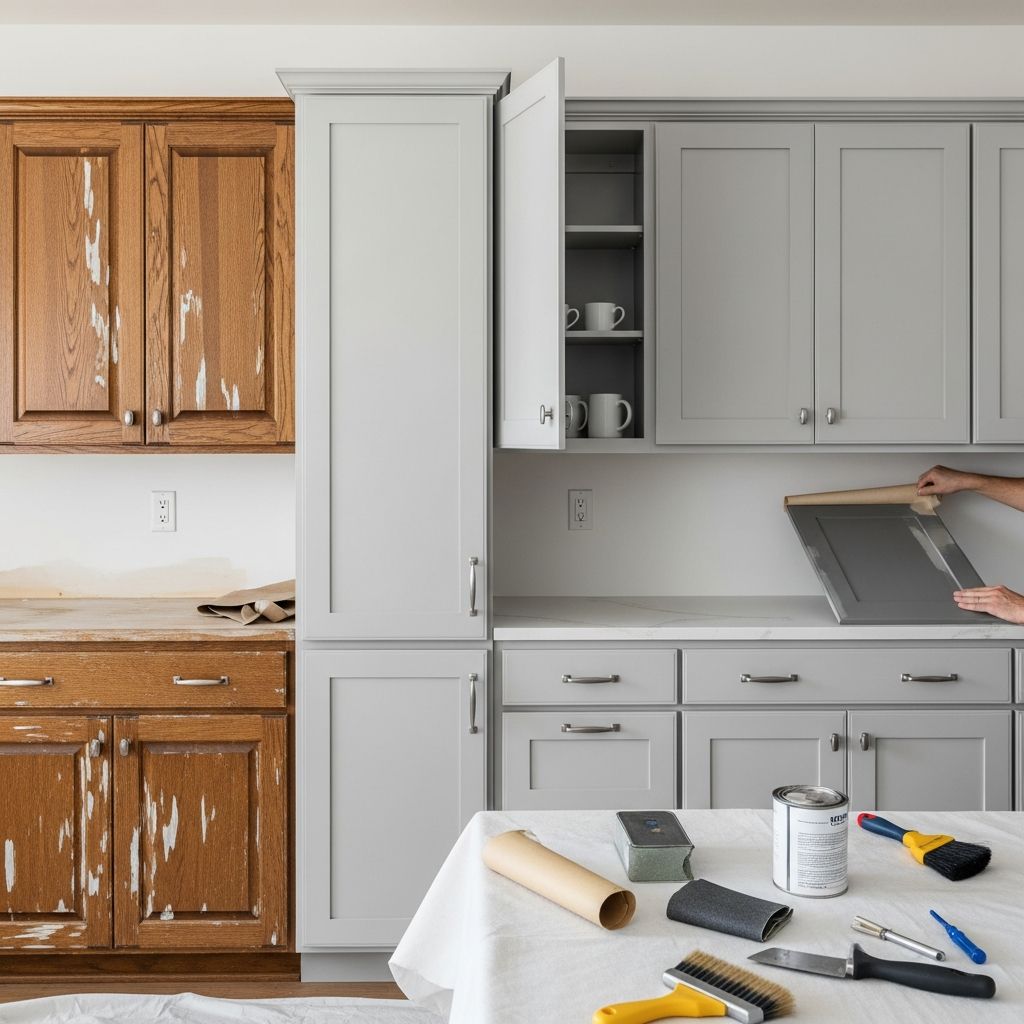
Refacing kitchen cabinets is a popular way to give your kitchen a fresh, updated look without the cost and hassle of a full renovation. The process involves replacing the doors and drawer fronts of your existing cabinets and applying a new veneer to the framework. This approach offers homeowners an excellent middle ground between simply painting cabinets and undertaking an expensive complete cabinet replacement. Whether you’re looking to modernize an outdated kitchen or refresh a space that’s lost its charm, cabinet refacing provides a cost-effective solution that can dramatically transform your cooking space.
This comprehensive guide has been written for DIY-inclined homeowners with basic to intermediate home improvement skills. We’ll cover everything from the tools you need to the step-by-step process of refacing your cabinets, helping you achieve professional results while saving thousands of dollars in the process. With proper planning and execution, cabinet refacing can be completed in just three to five days, depending on the size of your kitchen and your skill level.
Understanding Cabinet Refacing
Cabinet refacing is the process of applying thin strips of wood or other materials called veneer to the face frames and sides of existing cabinet boxes. The veneer is applied strategically to mimic the existing cabinet structure, covering the vertical members known as stiles and the horizontal members called rails. This technique gives your cabinets a completely new appearance while maintaining the structural integrity of the existing boxes, which are often in excellent condition despite their outdated look.
Once the veneer is applied, it is glued and heated to create a permanent bond that can last 10 to 20 years with minimal maintenance. The installer then trims the edges of the material to create a perfect fit, resulting in a face frame that looks completely different. The refaced cabinet boxes might now resemble a different species of wood or simply a different color, providing virtually unlimited design possibilities.
Tools and Materials for Refacing
Before diving into the refacing process, gather all the necessary materials and tools. Having everything on hand before you start will help you work more efficiently and avoid unnecessary interruptions.
Essential Tools You’ll Need:
- Phillips, square drive, or Robertson screwdrivers for removing hardware
- Sharp utility knife or laminate trimmer for cutting veneer
- Paint brush or roller for applying adhesive
- Veneer roller for pressing veneer and removing air bubbles
- Fine-grit sandpaper (180 to 220-grit) for smoothing edges
- Tape measure for accurate measurements
- Drill for reattaching doors and drawers
- Mild degreaser for cleaning surfaces
- Short brads for securing veneer panels
- Brad nailer or hammer for installing brads
Materials Required:
- Veneer sheets or strips in your chosen finish
- High-quality adhesive designed for laminate
- Replacement cabinet doors and drawer fronts
- Cabinet hardware (handles and hinges if desired)
- Protective covering for cabinet interiors
Preparing to Reface Your Kitchen Cabinets
Proper preparation is crucial for achieving professional-looking results. Taking time to prepare correctly will make the actual refacing process much smoother and help ensure a long-lasting finish.
Measuring and Ordering Materials
Before you start, take accurate measurements of your existing cabinets. Measure the height and width of each door, drawer front, and surface area of the cabinet frames you’re covering with veneer. These precise measurements are essential for ordering materials that fit perfectly. We recommend ordering a little extra veneer to account for any mistakes or miscalculations during the cutting and application process. This small investment in extra material can save you from having to reorder if something goes wrong during installation.
Removing Old Hardware and Cabinet Doors
Start by removing all cabinet doors, drawer fronts, and any existing hardware, such as hinges and handles. In most cases, a simple Phillips screwdriver will work, but some cabinet makers use square drive or Robertson screws, which may require a special screwdriver. Remove everything that will get in the way from refacing the front, sides, bottom, and inner surfaces of the face frames. Label each piece as you remove it so you know exactly where it will go when it’s time to reassemble. Taking photos of the original configuration can also be helpful as a reference.
Cleaning the Cabinet Surfaces
Clean your cabinets thoroughly so the veneer and adhesive bond properly. Use a mild degreaser to remove grease, dirt, and other residues from cabinet surfaces. Oils, dirt, and other residues can prevent proper adhesion of the veneer or panels, so make sure to get into every corner. After cleaning, let the cabinets dry completely before proceeding to the next steps. This preparation step is more important than many homeowners realize and directly impacts the longevity of your refaced cabinets.
The Refacing Process: Step-by-Step
Refacing your cabinets involves several key steps that must be executed carefully for optimal results. While the process may seem daunting at first, breaking it down into manageable steps makes it achievable for DIY enthusiasts.
Measure and Cut the Veneers to Size
Use a tape measure to measure the rough size of each piece of veneer. Using a sharp utility knife or laminate trimmer, cut each piece carefully. Be sure to leave them intentionally longer and wider than necessary (½ inch is usually sufficient) as they need to be trimmed for a perfect fit. The goal is to mimic the existing cabinets by cutting veneers to match the existing rails and stiles. This approach ensures that your refaced cabinets maintain visual continuity with their original design while appearing completely new.
Apply Adhesive to the Face Frame
Use a paint brush or roller to apply a thin layer of adhesive to the cabinet surface. In most cases, it’s smart to apply adhesive to a cabinet’s entire face frame to prevent accidentally getting adhesive on the fresh veneer. Work a little ahead where two cabinets meet to prevent having to bring the brush next to the fresh veneer. Using a high-quality adhesive designed for laminate ensures a secure bond that will last for years to come.
Carefully Apply the Veneer
Starting with a stile, carefully align the veneer on the face frame and press it into place lightly. Check the alignment and then press firmly. Use a veneer roller to push out any air bubbles and ensure the veneer sits flat on the surface. Air bubbles can cause the veneer to bubble or peel over time, so this step is critical. Repeat the process on the cabinet’s other stile (or stiles, if there are three) before repeating on the rails. Once the fronts of the rails and stiles are refaced, repeat the process on the outer and inner surfaces of the face frames.
Trim the Excess Veneer
Let the veneer dry so it’s firmly in place (follow the manufacturer’s instructions). Use a sharp knife or laminate trimmer to remove the excess veneer overhanging the edges of the face frame. Careful trimming creates clean edges that look professionally finished and help the veneer blend seamlessly with the cabinet structure.
Sand Any Sharp Edges
Trimming typically results in rough or sharp edges. Use fine-grit sandpaper (180 to 220-grit) to soften these edges and refine the veneer as needed. This finishing touch not only improves the appearance but also makes your cabinets safer to handle, eliminating any sharp corners or edges that could cause injury.
Reface the Sides of the Cabinet Boxes
Measure the sides of the cabinets where they’re exposed and cut the veneer to match. Test fit the veneer to ensure it fits well. Once satisfied, apply adhesive to the side of the cabinet and apply the veneer. Roll the veneer into place, starting at the center and rolling outward to remove any air bubbles. Secure the veneer panel with short brads that will not penetrate through the side of the cabinet. This approach prevents visible holes while keeping the veneer panel securely attached.
Special Considerations for Different Cabinet Materials
Different cabinet materials require slightly different approaches to ensure the best results.
Wood Cabinets
Wood cabinets are the most common type and respond well to standard veneer application techniques. Use a high-quality adhesive designed for laminate to ensure a secure bond. The porous nature of wood provides an excellent surface for veneer adhesion, making the refacing process relatively straightforward.
Metal Cabinets
Refacing metal cabinets can be more challenging because of their durability and slick surfaces. You’ll need a specialized adhesive designed for metal surfaces. Lightly sand the metal to create a rough surface for better adhesion. This roughening process, known as abrading, gives the adhesive something to grip and significantly improves bonding success with metal surfaces.
Reattaching Doors and Drawer Fronts
Once the veneer application is complete and has dried fully, it’s time to reattach your cabinet doors and drawer fronts. This final phase brings your refaced kitchen back to full functionality.
Use a drill to reattach the doors and drawer fronts to the cabinet frames. Make sure everything opens and closes smoothly. Carefully align the drawer fronts and attach them by pre-drilling and screwing into them through the inside of the drawer. Create a jig or guide that allows you to align cabinet and drawer pulls accurately. In the case of drawer fronts, it may be necessary to remove the drawer front again before installing the pull hardware if you’ve decided to upgrade your hardware as part of the refacing project.
Final Adjustments
After reattaching all doors and drawer fronts, make any final adjustments to ensure everything is aligned and functioning properly. Check for gaps, uneven surfaces, or misaligned hardware and correct them as needed. Take time to verify that all doors close smoothly without binding and that drawer fronts are properly aligned with the cabinet boxes.
How Long Does Cabinet Refacing Take?
Cabinet refacing typically takes between three and five days, depending on the size of your kitchen and your skill level. Most sources estimate approximately one hour per cabinet for the actual refacing work. Proper preparation and planning can help you complete the job more efficiently. The drying time for adhesive and veneer between steps also factors into the total project timeline. For a typical kitchen with 20-25 cabinets, expect the project to take about one week from start to finish when accounting for drying times.
Maintenance and Longevity
With proper care and maintenance, your refaced cabinets should last 10 to 20 years. Treat them as you would any other cabinet by keeping them clean and touching them up whenever necessary. Regular cleaning with a mild soap and water solution will help maintain the appearance of your veneered surfaces. Avoid using harsh chemicals or abrasive cleaners that could damage the veneer finish. If you notice any lifted edges or damage, address them promptly to prevent further deterioration.
Frequently Asked Questions (FAQs)
Q: What is the main difference between cabinet refacing and cabinet painting?
A: Cabinet refacing involves applying new veneer to existing cabinet frames and replacing doors and drawers, while painting simply applies paint to existing surfaces. Refacing provides a more dramatic transformation and typically lasts longer than paint, making it ideal for kitchens that need a significant style update.
Q: Can I reface cabinets myself, or do I need to hire a professional?
A: DIY-inclined homeowners with basic to intermediate home improvement skills can successfully reface cabinets following this guide. However, if you’re uncomfortable with any aspect of the process, hiring a professional is always an option. Professional refacing typically costs more but guarantees expert results.
Q: How much money can I save by refacing cabinets instead of replacing them?
A: Cabinet refacing typically costs 30-50% less than replacing cabinets entirely. For a typical kitchen, you can expect to save thousands of dollars while achieving a similarly dramatic transformation in appearance.
Q: What veneer options are available for cabinet refacing?
A: Veneer options include real wood veneers in various species and finishes, as well as laminate veneers in virtually any color or pattern. Your choice should complement your overall kitchen design and personal style preferences.
Q: What should I do if the veneer starts to peel or lift after installation?
A: If you notice lifted edges or peeling veneer, apply additional adhesive under the affected area and press firmly. Clamp or weigh down the area while the adhesive dries. For larger areas, you may need to remove and reapply the veneer section.
Q: Can I change the color or style of my cabinets completely with refacing?
A: Yes, completely! Since you’re covering the existing cabinet frames with new veneer and replacing doors and drawer fronts, you have the freedom to choose an entirely different look. From light contemporary finishes to rich traditional wood tones, the possibilities are virtually unlimited.
References
- Cabinet Refacing: Everything You Need to Know — This Old House. Accessed December 3, 2025. https://www.thisoldhouse.com/kitchens/21015523/cabinet-refacing-everything-you-need-to-know
- How To Reface Kitchen Cabinets — This Old House. Accessed December 3, 2025. https://www.thisoldhouse.com/kitchens/21016440/how-to-reface-kitchen-cabinets
- 10 Kitchen Cabinet Makeover Ideas — This Old House. Accessed December 3, 2025. https://www.thisoldhouse.com/kitchens/21017763/10-ways-to-update-kitchen-cabinets
- Replacement Cabinet Doors for Your Kitchen — This Old House. Accessed December 3, 2025. https://www.thisoldhouse.com/cabinets/21097124/replacement-cabinet-doors
Similar Articles




Read full bio of medha deb