How to Remove Blood Stains from Sheets and Fabrics
Master the art of removing blood stains from any fabric with proven methods and expert tips.
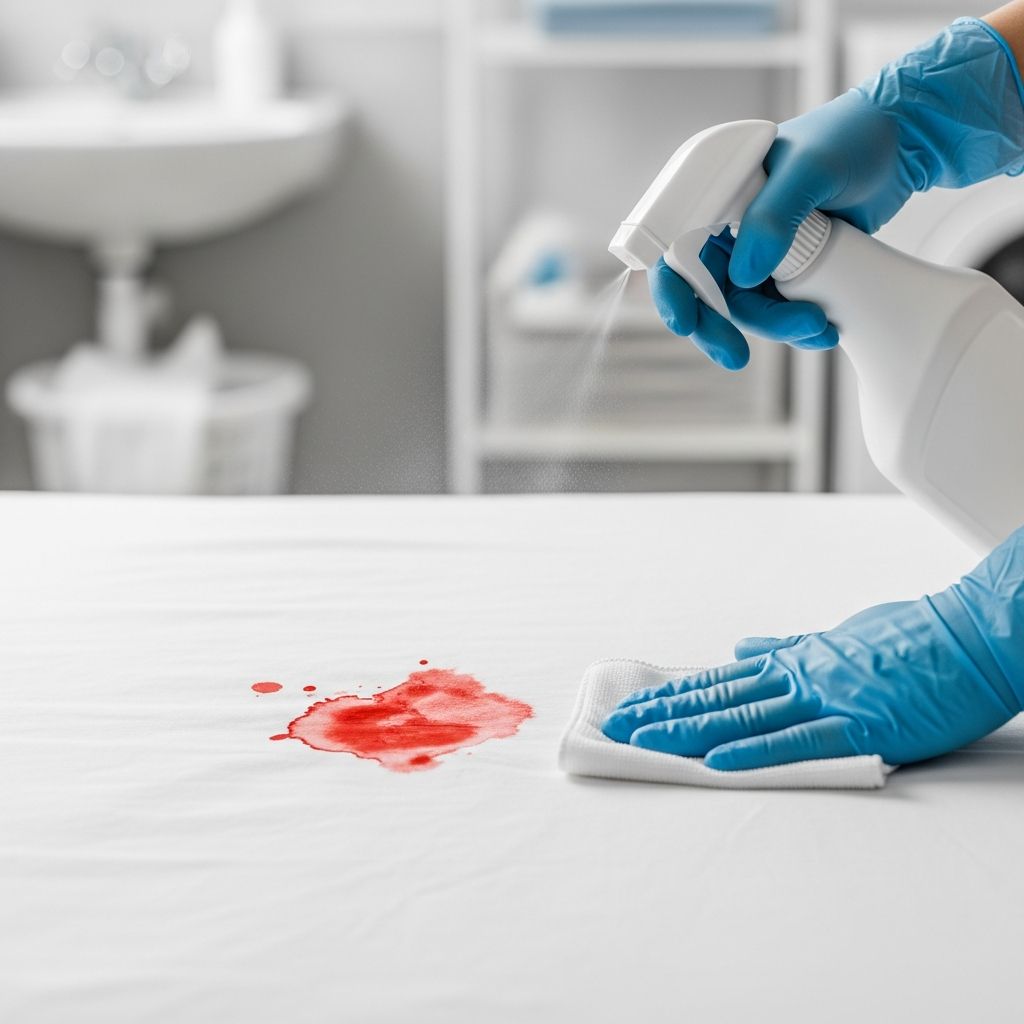
Blood stains can be stubborn and challenging to remove, but with the right approach and knowledge, you can effectively eliminate them from virtually any fabric. Whether you’re dealing with fresh stains on your bedsheets, dried blood on carpeting, or spots on delicate clothing, understanding the science behind blood stains and the proper removal techniques will help you restore your fabrics to their original condition. This comprehensive guide covers everything you need to know about removing blood stains from different types of materials.
Why Blood Stains Are Particularly Challenging
Blood stains present unique challenges compared to other common stains because of their protein composition. The proteins in blood have a natural tendency to bind together and adhere to fabric fibers, making the stain progressively harder to remove as it dries and sets. When blood first contacts a fabric, these protein strands begin bonding with the material, and heat accelerates this bonding process significantly. Understanding this chemistry is crucial because it informs the most effective removal strategies.
The key principle for blood stain removal is acting quickly and using cold water rather than hot. Many people mistakenly believe that hot water will help dissolve the stain, but the opposite is true. Heat causes the proteins in blood to set permanently into the fabric fibers, making the stain nearly impossible to remove. This is why immediate action with cold water is essential for achieving the best results.
The Most Important Rule: Use Cold Water
Cold water is your most important tool when dealing with blood stains. Thoroughly rinsing the stained area with cold water as soon as possible helps release the blood from the fabric before the proteins have time to bind permanently. In many cases, a thorough cold water rinse alone will remove most or all of the fresh stain.
The reason cold water is superior to hot water for blood stain removal relates directly to protein behavior. Cold temperatures prevent the protein strands from bonding as readily to fabric fibers, while hot water accelerates this bonding process. This fundamental principle applies across all fabric types and should guide every step of your blood stain removal process.
Removing Fresh Blood Stains from Sheets
Fresh blood stains on sheets are generally easier to remove than dried stains, especially if you act immediately. Several proven methods can help eliminate fresh blood stains from bedding.
Immediate Rinse and Detergent Treatment
The first step for any fresh blood stain is to rinse the affected area immediately with cold running water. After rinsing, you can pretreat the stain with an enzyme-based laundry detergent, which is specifically designed to break down protein stains like blood. Soak the sheets in cold water with the enzyme detergent and scrub occasionally, allowing them to soak for up to 30 minutes or longer as needed. After soaking, wash the sheets in a cold water cycle, preferably with oxygen bleach rather than chlorine bleach.
Bar Soap Method
Simple bar soap and water is a time-tested method for removing blood stains. Wet the stained area with cold water, then rub bar soap directly onto the stain. Work the soap into the fabric gently with your fingers, then rinse thoroughly with cold water. Repeat this process as needed until the stain disappears. This gentle approach works well for fresh stains and can be particularly suitable for delicate sheets.
Spot-Treatment Approach
For targeted spot treatment, dab soap onto the blood stain and massage it gently into the fabric using your fingers. Rinse thoroughly with cold water and repeat as necessary. This method is effective for isolated blood spots on sheets without requiring full soaking.
Treating Dried or Stubborn Blood Stains
Dried blood stains require more aggressive treatment than fresh stains, but they can still be removed with patience and the right approach. Several methods have proven effective for tackling stubborn, set-in blood stains.
Enzyme Pre-Soak Method
For stubborn dried blood stains, soak the sheets in cool water for 30 minutes or longer. If the stain remains after initial soaking, soak again for 30 minutes or longer in lukewarm water with an enzyme pre-soak product. After soaking, rinse the area and rub detergent into any remaining stain, then rinse again. This multi-step approach gradually breaks down the protein bonds that have formed over time.
Hydrogen Peroxide Treatment
Hydrogen peroxide is particularly effective on light-colored or white sheets. Apply a few drops of 3 percent hydrogen peroxide directly onto the stain and let it sit for 1-3 minutes. For darker sheets, mix hydrogen peroxide with baking soda and salt to create a paste, which can serve as an effective spot treatment. Always spot-test hydrogen peroxide on an inconspicuous area first, as it can bleach color from fabrics.
Baking Soda Paste
Mix baking soda with cold water to create a paste and apply it directly to the blood stain. Allow the paste to sink in for approximately 30 minutes. This method is safe for dark-colored clothing and provides a gentler alternative to hydrogen peroxide. After the soaking period, rinse thoroughly and launder as usual.
Vinegar Solution
Create a mixture of one part vinegar to two parts cold water and use it as a spot treatment. Apply the solution to the stain, allow it to sit briefly, then rinse thoroughly with cold water before placing the sheets in the washing machine. Note that vinegar should be rinsed out completely before machine washing to prevent potential damage to rubber seals and hoses.
Ammonia Treatment
For stubborn stains that haven’t responded to other methods, apply a few drops of ammonia and wash again. You can also create a solution by mixing 1 tablespoon ammonia with 1/2 cup water and sponging the stain. Continue blotting until no more stain is removed. This more aggressive approach should be reserved for tough cases, as ammonia can be harsh on some fabrics.
Blood Stain Removal by Fabric Type
Different fabrics require slightly different approaches to blood stain removal, as some materials are more delicate or absorbent than others.
Cotton and Natural Fibers
Cotton is one of the easiest fabrics to treat for blood stains because it can tolerate vigorous stain removal methods. Start by brushing the stained area with a soft brush or toothbrush to remove surface deposits of blood, particularly for dried stains. Then follow any of the methods described above, as cotton’s durability allows for multiple treatment attempts without damage.
Synthetic Fibers
For synthetic materials, mix 1 teaspoon of mild, non-alkali detergent with 1/2 pint of cool water and add a small amount to the stain, blotting gently rather than forcing the stain deeper into the fibers. If the stain remains, create an ammonia solution by mixing 1 tablespoon ammonia with 1/2 cup water and sponge the stain. Place an absorbent pad over the damp area and weight it down, allowing it to air dry thoroughly before inspecting the results.
Wool Fabrics
Wool requires a gentler approach than cotton. Mix 1 teaspoon of mild, non-alkali detergent with 1/2 pint of cool water and add a small amount to the stain, blotting gently without forcing the stain deeper into the fibers. If the stain remains, apply a “Wet Spotter” solution made from 1 part glycerin, 1 part white dishwashing detergent, and 8 parts cold water. Cover the stain with an absorbent pad dampened with this solution and allow it to remain until the stain is removed, changing the pad as it picks up stain.
Delicate and Silk Fabrics
For delicate fabrics such as silk or dry-clean-only garments, it’s best to consult a professional dry cleaner rather than attempting home treatment. These fabrics are too delicate for aggressive stain removal methods and may be permanently damaged by harsh chemicals or vigorous scrubbing.
Removing Blood Stains from Carpeting
Blood stains on carpeting require a different approach than fabric stains because of the carpet’s pile structure and backing materials. The same basic principles apply, but the technique differs slightly.
For fresh blood stains on carpet, blot the area immediately with cold water using white absorbent cloths or paper towels. Avoid rubbing, as this can push the blood deeper into the carpet fibers. Continue blotting with fresh cloths and cold water until no more blood transfers to the cloth. Then treat the area with a carpet-safe stain remover or apply one of the solutions mentioned previously, such as the vinegar and water mixture or a dilute detergent solution.
For dried blood stains on carpet, the process requires more patience. Dampen the area with cool water and allow it to sit for several minutes to help loosen the dried blood. Then blot with absorbent cloths. Repeat this dampening and blotting process multiple times before applying any cleaning solutions. Once the stain has been sufficiently loosened, treat it with an appropriate cleaning solution for your carpet type.
General Tips for Success
Act Immediately: The sooner you treat a blood stain, the better your chances of complete removal. Fresh stains are significantly easier to remove than dried ones, so prioritize quick action when blood contacts fabric.
Always Use Cold Water: Never use hot water on blood stains, as heat sets the protein bonds permanently. This principle cannot be overstated and applies to every stage of the removal process.
Test First: Always pretest any cleaning agent on an inconspicuous area of the fabric first to determine if it will cause discoloration or damage. This is especially important with hydrogen peroxide, lemon juice, and bleach.
Avoid Machine Drying: Never place stained items in the dryer until you are completely certain the stain has been removed. Heat from the dryer will set any remaining stain permanently. Instead, allow treated items to air dry and inspect them carefully before using heat.
Use Enzyme Detergents: Enzyme-based detergents are specifically formulated to break down protein stains like blood. These products are far more effective than standard detergents for this type of stain.
Blot Rather Than Rub: When treating stains, always blot with absorbent materials rather than rubbing. Rubbing can push the stain deeper into fabric fibers and spread it to larger areas.
Frequently Asked Questions
Can I use hot water to remove blood stains?
No. Hot water should never be used on blood stains because the heat causes the blood proteins to bond permanently to the fabric fibers. Always use cold water for blood stain removal.
How long can I wait before treating a blood stain?
While fresh stains are much easier to remove than dried ones, blood stains can still be treated after they’ve dried with additional effort and stronger treatments. However, it’s best to treat stains as soon as possible for the easiest removal.
What should I do if the blood stain is on a delicate fabric?
For delicate fabrics like silk or garments marked as dry-clean only, consult a professional dry cleaner. Attempting home treatment on delicate materials can cause permanent damage.
Will hydrogen peroxide damage my colored sheets?
Hydrogen peroxide can bleach colors from fabric, so it should be used only on white or very light-colored sheets. Always spot-test on an inconspicuous area first.
What’s the best enzyme detergent for blood stains?
Look for enzyme-based laundry detergents that specifically mention protein stain removal. These products are formulated to break down the protein bonds in blood and other biological stains.
Can I wash blood-stained items with other laundry?
It’s best to wash stained items separately until the stain is completely removed. If you wash them with other items and the stain isn’t fully treated, you risk transferring the stain to clean clothes.
How many times may I need to repeat the process?
For stubborn or dried blood stains, you may need to repeat the soaking and treatment process multiple times. It may take several cycles of soaking in cold water with detergent, treating with appropriate solutions, and rinsing before the stain completely disappears.
References
- How to Remove Blood Stains — The Laundress. https://www.thelaundress.com/blogs/tips/how-to-remove-blood-stains
- How to Remove Blood Stains from Cotton Clothes — The Fabric of Our Lives. https://thefabricofourlives.com/care-tips-stain-removal-blood-stains/
- Remove Stains From Blood — University of Georgia Extension, Textiles. https://site.extension.uga.edu/textiles/care/stain-removal/remove-stains-from-blood/
- How To Get Blood Out of Sheets and Bedding — Whirlpool. https://www.whirlpool.com/blog/washers-and-dryers/how-to-get-blood-out-of-sheets.html
Similar Articles




Read full bio of medha deb