How to Remove Drywall Anchors: A Complete Guide
Master the art of safely removing drywall anchors with our comprehensive step-by-step guide.
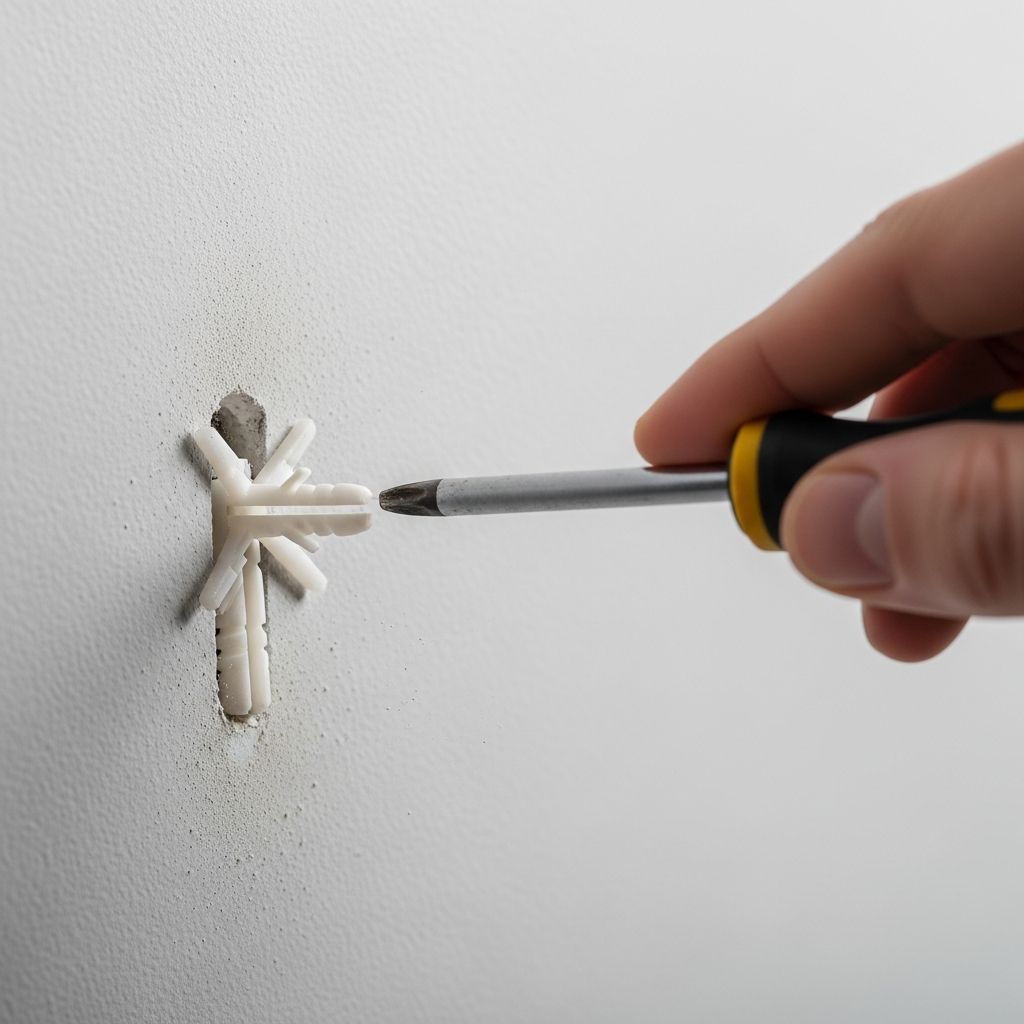
Drywall anchors are essential fasteners that allow you to hang pictures, shelves, and other items on walls where studs aren’t conveniently located. However, when you need to relocate items or remove old anchors, the process isn’t always straightforward. Whether you’re dealing with plastic anchors, metal toggles, or threaded fasteners, understanding the proper removal techniques can help you minimize wall damage and achieve professional-looking results. This comprehensive guide walks you through everything you need to know about removing drywall anchors effectively.
Understanding Different Types of Drywall Anchors
Before you begin the removal process, it’s important to identify which type of anchor you’re working with, as each requires a slightly different approach. The most common drywall anchors fall into several categories, each with distinct characteristics and removal challenges.
Plastic Anchors
Plastic anchors are among the most commonly used wall fasteners in residential applications. These cone-shaped anchors expand behind the drywall as you drive a screw into them, creating a secure hold. They’re straightforward to install and relatively easy to remove, making them ideal for renters and those who frequently rearrange their spaces.
Metal Anchors and Toggle Bolts
Metal anchors include toggle bolts and molly bolts, which provide stronger holding power than plastic alternatives. Toggle bolts feature spring-loaded wings that spread against the back of the drywall, while molly bolts have an expandable sleeve. These anchors are more challenging to remove but offer superior strength for heavier items.
Threaded Anchors
Threaded anchors, also called screw anchors or self-drilling anchors, have a Phillips or flathead drive that allows you to screw them directly into the drywall. These anchors are convenient but can be tricky to extract, especially if they’ve been painted over.
Essential Tools for Anchor Removal
Having the right tools on hand before you start makes the removal process faster and minimizes frustration. Here are the essential items you should gather:
- Needle-nose pliers: Ideal for gripping and pulling out anchors, especially plastic varieties. The narrow design allows you to reach into tight spaces.
- Screwdrivers: Both Phillips and flathead screwdrivers are necessary, particularly for threaded anchors. A screwdriver can also serve as a leverage tool.
- Hammer: Useful for tapping anchors to loosen them or providing leverage when pulling them out with pliers.
- Drill or drill/driver: Essential for more stubborn anchors and certain metal anchor types. Variable-speed drills offer better control.
- Utility knife: Helpful for cutting away paint around anchors or carefully scoring the drywall surface.
- Safety glasses: Protect your eyes from dust and debris when drilling or hammering.
- Sandpaper: Fine-grit sandpaper (220-grit or higher) smooths the wall after patching.
- Putty knife: Essential for applying and smoothing patching compound.
Step-by-Step Removal Techniques
Different anchor types require different removal approaches. Here’s how to handle each variety effectively.
Removing Plastic Anchors
Plastic anchors are the easiest to remove. Start by removing any screw or hook attached to the anchor. Then, using needle-nose pliers, grip the collar or rim of the anchor firmly. Gently wiggle and twist the anchor while pulling it straight out. If the anchor resists, try pushing it slightly into the wall first to break the initial seal, then pull it out. For stubborn plastic anchors that won’t budge, tap around the anchor with a hammer to loosen the surrounding drywall before attempting extraction.
Removing Threaded Anchors
Self-drilling screw anchors are removed by inserting a screwdriver that fits snugly into the anchor’s drive point. Turn the screwdriver counterclockwise (lefty-loosey) to back the anchor out of the drywall, just as you would remove a screw. Work slowly and steadily to prevent the anchor from spinning without backing out. If the anchor has been painted over, use a utility knife to carefully cut away the paint layer around the anchor head first.
Removing Toggle Bolts
Toggle bolts present unique removal challenges because of their spring-loaded design. First, unscrew the bolt slowly and carefully from the toggle assembly. As you unscrew, insert a thin hex key or Allen wrench into the wall opening and push against the toggle wings to keep them parallel to the screw. This prevents them from falling behind the wall. Once the wings are properly aligned, hold them in place with the hex key while pulling the screw and toggle assembly out completely. The bolt can be reused with a new toggle if needed.
Removing Pop-Toggle Anchors
Pop-toggle anchors have flanges that lock against the back of the drywall and require a drill/driver for removal. Set your drill to forward mode and install a Phillips-head screwdriver bit. Drive the screw clockwise, which engages the threads with the flanges and pulls them together. Once the flanges retract, switch the drill to reverse and carefully back out the screw without completely removing it. Use a claw hammer with padding behind the head to gently pry the anchor from the wall.
Removing Molly Bolts
Molly bolts require a different approach than toggle bolts. Use a drill to back the bolt out halfway, then tap the head gently with a hammer to loosen the barrel. Extract the bolt completely, then grip the barrel with pliers and remove it from the wall. The slight forward motion created by the tapping helps separate the barrel from the drywall.
Advanced Removal Methods
When standard techniques don’t work, you may need to employ alternative strategies to remove stubborn anchors without causing excessive wall damage.
The Push-Through Method
For particularly stubborn anchors that won’t pull out cleanly, consider pushing them deeper into the wall cavity. Using a small screwdriver or punch, tap the anchor further into the wall until it breaks through the back side or becomes recessed enough that it’s no longer visible. This method contains the mess behind the wall and results in a smaller hole that’s easier to patch. If the anchor head protrudes beyond the drywall surface due to paint buildup, carefully cut away the top layer using a utility blade before pushing it through.
The Drill-Out Method
For anchors that resist all other removal techniques, you can carefully drill them out. Select a drill bit slightly larger than the anchor’s diameter. Position the bit to contact the anchor’s collar or edges without slipping into the center hole. Drill slowly and carefully, allowing the bit to gradually enlarge the hole around the anchor. As you drill, the collar should break free, and the anchor body will be pushed deeper into the wall cavity or fall completely through.
Patching and Wall Repair
Once you’ve successfully removed the anchor, you’ll need to repair the resulting hole to restore your wall’s appearance.
Small Hole Repair
For small holes left by plastic anchors, drywall spackling compound is your best option. Using a putty knife, press the spackle directly into the hole. Overfill slightly, then smooth the surface level with the surrounding wall. Allow the compound to dry completely according to package directions, typically overnight. Once dry, sand the area smooth with fine-grit sandpaper, then paint to match the wall.
Larger Hole Repair
Bigger holes, particularly those from metal anchors, require a more substantial approach. Apply joint compound or drywall compound using a putty knife, building it up in thin layers. Each layer should dry completely before applying the next one. This prevents cracking and creates a stronger repair. Feather the edges of each layer to blend smoothly with the surrounding wall. Once the final layer is dry, sand with fine-grit sandpaper using gentle circular motions to blend the repair seamlessly.
Finishing the Repair
After sanding, wipe away all dust with a damp cloth and allow the wall to dry. Prime the patched area with a quality primer to ensure even paint coverage. Finally, paint the repaired section with matching wall paint. If the wall has texture, you may need to apply a texture compound over the repair area before painting.
Prevention Tips for Future Removals
Making wise choices when installing new anchors can make future removals much easier. Consider these recommendations:
- Choose anchors rated for the weight of items you’re hanging. Oversized anchors create larger holes.
- Select screw anchors or toggle bolts with self-locking designs that don’t require wings to fall behind the wall.
- Avoid painting over anchors whenever possible, as this makes identification and removal more difficult.
- Take photos of your wall configuration before painting, so you know exactly where anchors are located.
- Consider using adjustable wall anchors that allow you to add or remove tension without full removal.
Safety Considerations
When removing drywall anchors, especially with power tools, safety should be your priority. Always wear safety glasses to protect against dust and debris. Before drilling into walls, use a stud finder to locate electrical wiring and plumbing. Be aware that live electrical wires behind the wall could present a hazard. Keep drills under control to prevent the bit from suddenly plunging through the wall. Work slowly and deliberately rather than forcing stuck anchors, which can cause sudden failures or wall damage.
Frequently Asked Questions
Can I remove drywall anchors without damaging the wall?
Yes, most anchors can be removed with minimal wall damage if you use the proper technique for the specific anchor type. Taking your time and using appropriate tools significantly reduces the likelihood of creating large holes or gouges. The push-through method is particularly effective for minimizing visible damage.
What should I do if an anchor breaks while removing it?
If an anchor breaks during removal, use needle-nose pliers to extract any remaining pieces. Once the pieces are out, fill the hole with spackle or joint compound. If part of the anchor remains embedded deep in the wall, you can carefully drill it out or push it further into the cavity.
How long does wall repair typically take?
Small repairs with spackle can be completed in a few hours once the compound has dried. Larger repairs requiring multiple coats may take one to two days from removal to final painting, accounting for drying time between applications.
Can I reuse drywall anchors?
Most plastic anchors cannot be reused effectively once removed, as the expansion mechanism is compromised. However, toggle bolts can be reused if you purchase replacement toggle wings. Threaded anchors are typically not reusable.
What’s the best method for removing painted-over anchors?
Use a utility knife to carefully cut away the paint layer around the anchor first. This makes the anchor easier to identify and access. Then apply your standard removal technique for that particular anchor type.
References
- How to Remove Drywall Anchors: Quick and Easy Tips for DIY — Chicago Handyman. Accessed 2025-12-03. https://chicagohandyman.net/how-to-remove-drywall-anchors/
- How to Remove Drywall Anchors — Lowe’s. Accessed 2025-12-03. https://www.lowes.com/n/how-to/remove-unwanted-wall-anchors
- How to Remove Drywall Anchors Without Damaging Your Walls — Inspection Gator. Accessed 2025-12-03. https://inspectiongator.com/blog/how-to-remove-drywall-anchors/
Similar Articles



Read full bio of medha deb